
Many buyers assume that custom swimwear manufacturing in China guarantees rock-bottom prices and lightning-fast deliveries. However, the truth is more nuanced. Pricing in China's swimwear industry is influenced by various components, such as eco-friendly materials, production techniques, and MOQ requirements. Joysportwear, for instance, marries competitive pricing with sustainable practices, which can affect overall costs. Additionally, factors like design complexity, fabric choice, and compliance with standards like OEKO-TEX play crucial roles. Rather than expecting automatic cost savings, brands should consider these elements when budgeting for projects in China. It's crucial to align expectations with industry realities to prevent misunderstandings and ensure project success.
The Myth of Guaranteed Low Prices
The belief that manufacturing in China automatically offers guaranteed low prices is a widespread misconception. Many buyers assume that the cost of custom swimwear from China is always lower than that of Western manufacturers, primarily due to perceived lower labor costs. However, several variable factors significantly influence the pricing structure, challenging this myth.
Labor Costs: A Double-Edged Sword
While China's labor costs are generally lower than those in the West, they do not universally translate to cheaper production. The country's growing economy and urbanization have led to rising wages in manufacturing hubs like Shenzhen and Dongguan. These fluctuations directly impact production costs. Labor costs vary widely, with monthly wages for factory employees ranging from $300 to $1,000, depending on the region and the skill level required for swimwear production. In areas with a higher cost of living, labor expenses can be substantially higher, reducing the overall price advantage expected by many Western buyers.
Design Complexity: The Hidden Price Tag
The complexity of the swimwear design plays a critical role in the cost differences between manufacturers in China and elsewhere. Intricate designs require more time and skill, increasing labor intensity and the potential for errors. Styles with complex patterns, multiple colorways, or the inclusion of underwire can add to the manufacturing costs, making them comparable to those in Western facilities. Each custom element calls for precision and impacts not only production time but also quality control measures, raising costs further.
The Illusion of Low MOQ Costs
Many buyers are drawn to Chinese manufacturers by the promise of low minimum order quantities (MOQs). However, in practice, small productions often lead to higher costs per unit, especially for custom-made swimwear. The setup and tooling expenses become disproportionately high, negating any perceived savings. Brands that opt for larger quantities, conversely, may achieve more favorable pricing.
Impact of Global Economic Factors
Global economic factors further influence swimwear pricing in China. Fluctuating exchange rates, international trade agreements, and shipping costs can cause prices to shift unpredictably. For example, tariffs or supply chain disruptions can place extra financial pressure on manufacturers, affecting the cost of export products. Staying informed about these variables and maintaining open communication with suppliers can help mitigate unexpected costs, allowing brands to adapt quickly to changing economic conditions.
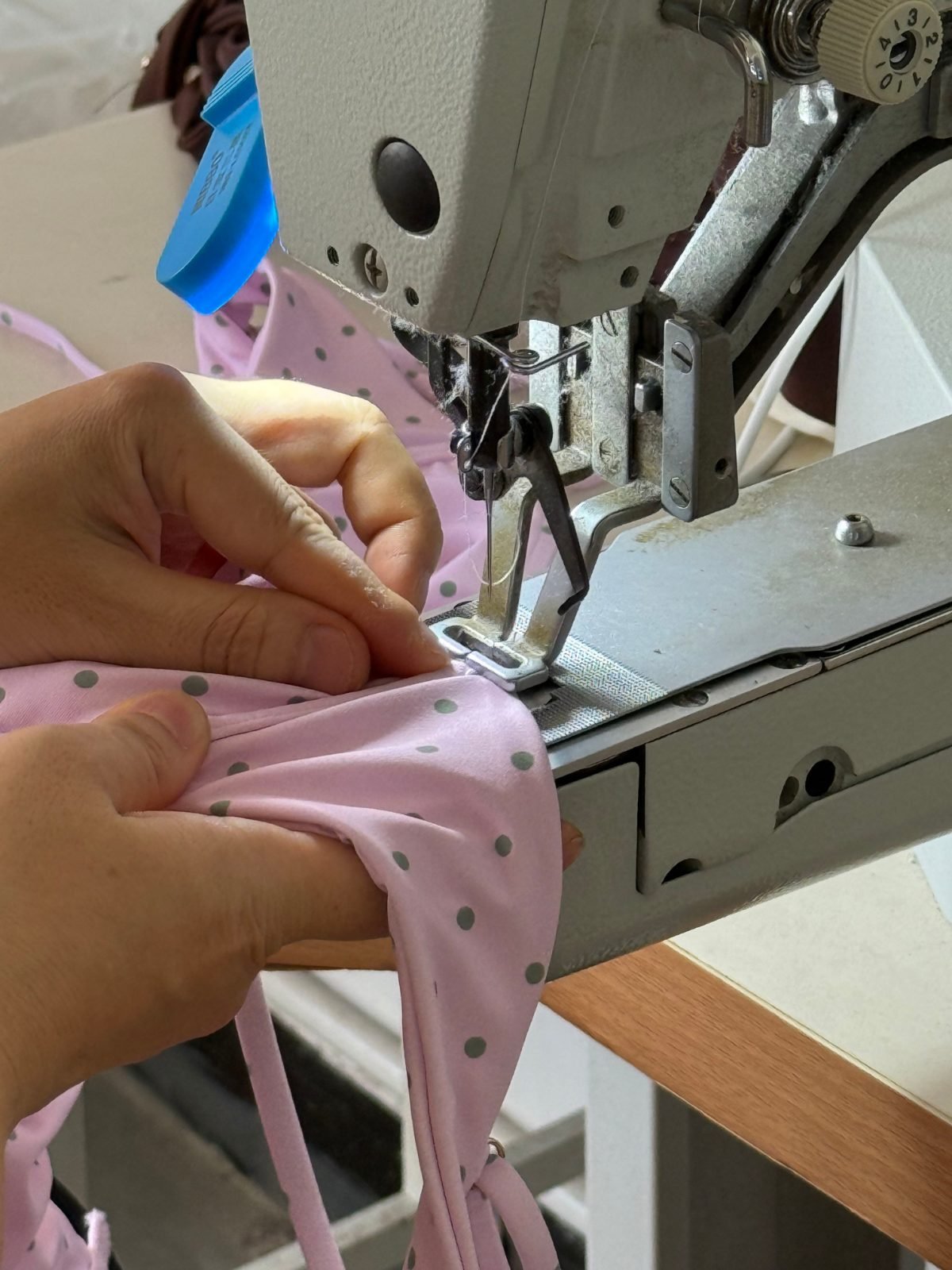
Custom Swimwear Pricing Variables
| Factor | Minimum Order Quantity (MOQ) | Material Type | Labor Intensity | Design Complexity |
|---|---|---|---|---|
| Order Size | Small | Nylon | Low | Simple |
| Material Choice | Bulk | Polyester | Medium | Standard |
| Design Elements | Small | Recycled | High | Complex |
| Labor Costs by Region | Bulk | Organic Cotton | Variable | Intermediate |
| Economic Conditions | Negotiable | Eco-friendly | Variable | Standard with Custom Features |
The interplay of labor costs, design complexity, order quantities, and global economics creates a dynamic pricing environment that defies simple assumptions. Brands aiming to partner with Chinese manufacturers should conduct thorough research and engage in transparent discussions to achieve realistic pricing strategies.
Material Costs and Sustainability
When considering custom swimwear production, material costs significantly vary, especially when focusing on eco-friendly fabrics. Typically, environmentally sustainable materials such as recycled polyester and organic cotton might range from 10-30% higher in cost compared to conventional materials like standard polyester or nylon. This increase stems from more complex production processes and the scarcity of raw materials. For instance, recycled polyester requires additional steps to break down used plastic bottles, which is reflected in its market price.
Certifications like OEKO-TEX play a crucial role in material selection for sustainable swimwear. OEKO-TEX certification ensures that the fabrics are free from harmful substances, which is essential for brands prioritizing sustainability. Meeting such standards not only serves as a mark of environmental responsibility but also allows brands to justify higher retail prices. Consumers increasingly demand transparency, expecting the clothes they purchase to reflect ethical sourcing practices. Documenting these practices internally also aids in maintaining consistent compliance.
In comparing the costs of conventional versus sustainable materials, it's clear that eco-friendly options generally command a premium. Conventional fabrics, while cheaper, often involve lower compliance standards, compromising on factors like worker safety and environmental impact. Sustainable fabrics, on the other hand, not only adhere to better safety and environmental standards but also often contribute to positive brand perception. It's worth considering the long-term benefits of using more costly sustainable materials, such as improved brand loyalty and potential market expansion into eco-conscious markets.
The choice of material directly impacts the final retail price of swimsuits. With sustainable materials, brands may see a higher upfront cost, but this can be offset by marketing their products as premium or ethically-made. Customers are frequently willing to pay a premium for goods that align with their values, allowing brands to reclaim initial material costs with a higher profit margin. Moreover, being transparent about these costs can enhance consumer trust, providing an avenue to educate the market on why eco-friendly options are priced differently.
Thus, selecting the right materials involves balancing upfront costs with long-term brand benefits. Sustainable materials may increase the initial manufacturing expenditure, but aligning with certifications like OEKO-TEX enhances quality assurance and market value. This encourages swimwear brands to adopt these materials, ultimately influencing the retail price point positively, aligning costs with consumer expectations and market demands.
For more information about sustainable options in swimwear manufacturing, visit our guide on Eco-Friendly Swimwear Manufacturing in China.
The Role of MOQ in Pricing
A common misconception is that a lower Minimum Order Quantity (MOQ) automatically translates to a cheaper price per unit. This assumption often misguides new entrants into the swimwear industry. In reality, lower MOQs can come with higher production costs, making the per-unit price significantly higher. Chinese manufacturers, including Joysportwear, juggle various elements to manage MOQ options effectively, balancing production costs, scalability, and client needs.
MOQ Impact on Cost
| MOQ Level | Price Per Unit | Inventory Risk | Potential Savings |
|---|---|---|---|
| 100 units | Higher | Lower | Minimal |
| 500 units | Moderate | Moderate | Some |
| 1,000 units | Lower | Higher | Substantial |
| 2,500 units | Lowest | Highest | Significant |
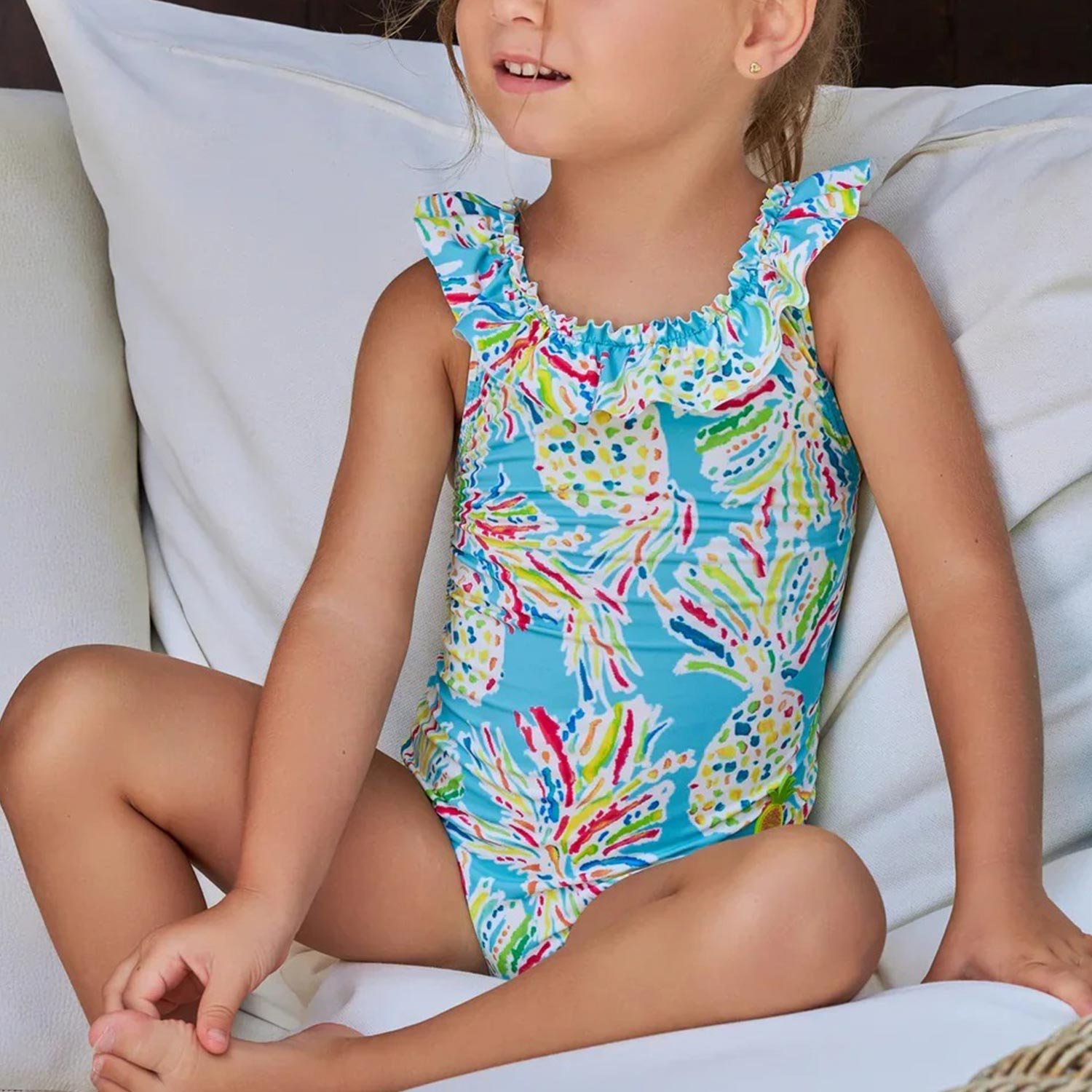
The misconception around MOQ arises largely because buyers often equate it with economies of scale in simplistic terms. However, economies of scale depend on infrastructural and operational factors that go beyond just ordering a higher quantity. Buyers should consider questions about set-up costs, fabric purchases, and bulk savings opportunities when dealing with smaller batches. Consequently, smaller MOQs often come with higher unit prices.
In comparison, offering higher MOQ options can enable manufacturers to buy raw materials in larger quantities, negotiate better rates, optimize production schedules, and maximize machinery usage. The result is a more efficient production process that can significantly lower the price per unit. Joysportwear, with its comprehensive production capabilities, can adapt its strategies to offer various MOQ options, creating a more flexible pricing model to suit different client needs.
For businesses looking to minimize their costs, bulk ordering presents economic advantages, as reflected in the lower price per unit. However, it also carries the risk of overstocking, which can increase warehousing expenses and potential losses from unsold inventory. Balancing these factors requires a keen understanding of market demand and sales forecasting. Approaching this with data-backed strategies helps in making informed, effective decisions.
Joysportwear employs innovative strategies to accommodate various MOQ needs while maintaining cost-effective production. By understanding these dynamics, buyers can make informed decisions tailored to their business goals, potentially saving on cost while managing their risk effectively.
Design Complexity and Its Costs
Design complexity directly influences the cost and production timeline of custom swimwear. Advanced design features, like underwire support, add specificity and intricacy. It is important for buyers to understand that more complex designs, such as those requiring underwire support, may involve additional materials and carefully planned construction techniques, which can impact both costs and lead times. Custom-designed underwire styles typically command a higher price point due to the nuanced craftsmanship required for comfort and fit.
The intricacy level of a design dictates tooling needs, with higher complexity demanding specialized molds and more detailed patterns. Standardized design options streamline production and lower costs—establishing a baseline for comparison against custom creations. However, when brands opt for unique silhouettes or embellishments, manufacturing must adjust, often leading to price differentials. Variability in component integration and additional support structures contribute to these price variations. Design reviews, therefore, play a pivotal role in assessing cost implications.
When choosing between simple and complex designs, considerations of process requirements and material integration can guide procurement plans. For instance, while string bikinis might demand less complex assembly, more elaborate designs like those with underwire support may involve additional processing steps. These steps could require more skilled labor and extended quality control time during the production phase, further impacting costs.
Design Complexity Pricing Table
| Design Element | Complexity Level | Cost Range | Impact on Lead Time |
|---|---|---|---|
| String Bikini | Low | $10-$15 per unit | Minimal |
| Underwire Bikini | High | $20-$30 per unit | Moderate to High |
| Bandeau with Support | Medium | $15-$25 per unit | Moderate |
| Custom Embroidery | Medium to High | $25-$35 per unit | High |
| Multi-fabric Designs | High | $30-$40 per unit | Very High |
These factors showcase how the transition from standardized to custom pieces can significantly affect financial planning and timing. When integrating advanced features, it is essential for brands to understand how these choices affect bottom-line costs and whether the investment aligns with market positioning strategies. Brands should assess whether the additional design complexities justify potential increases in retail prices and match consumer expectations. By fully appreciating these dynamics, brands can make informed decisions, optimize design efficiencies, and achieve competitive advantage. Consulting with experienced design engineers early in the process can also provide valuable insights for cost management.
Labor Costs: A Hidden Contributor
While material and design often dominate the conversation around swimwear pricing, labor costs in China lie subtly in the background, shaping the overall financial landscape. These costs vary greatly depending on several factors, including the geographical area, skill levels, and the degree of automation within a factory.
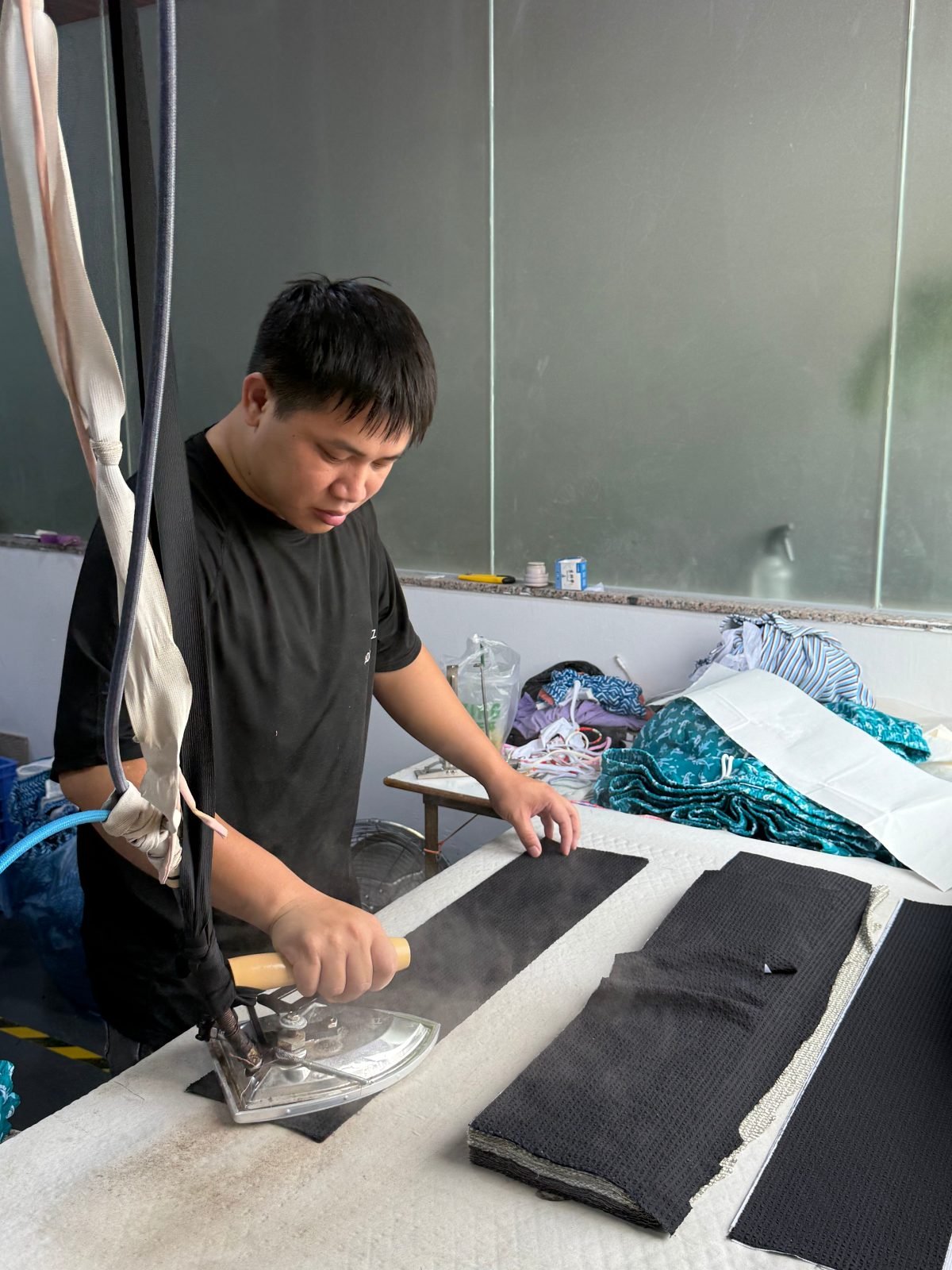
Regional Differences in Wage Levels
China's economic landscape features distinct regions with their own cost structures. Coastal provinces like Guangdong and Zhejiang have long been manufacturing powerhouses due to their proximity to ports and well-developed infrastructure. However, these advantages come with higher wages compared to inland regions. For example, in Guangdong's manufacturing belt, the average wage for factory workers can be significantly higher than in areas like Sichuan or Anhui. These inland provinces, historically more agricultural, have seen a surge in manufacturing industries but maintain lower labor costs, which can influence the choice of manufacturing location.
Skill Level and Efficiency
The skill level of workers directly impacts labor costs and ultimately the pricing of custom swimwear. Skilled laborers, especially those adept in handling intricate swimwear designs or using advanced machinery, demand higher wages. Yet, they contribute to increased efficiency and reduced defect rates, balancing the wage expense by minimizing rework and waste. Meanwhile, less skilled labor may lead to longer production times and higher lead times, affecting costs in a less immediately visible but no less consequential manner.
Influence of Automation
Automation in swimwear manufacturing is gaining prominence as factories seek cost savings and efficiency improvements. Automation can reduce dependency on manual labor, thus reducing labor costs, but requires significant upfront investment. Automatic cutting machines and sewing robots, for instance, speed up production timelines and improve precision, reducing the likelihood of human errors. Over time, these automated systems can offset labor costs by increasing throughput and consistency.
Balancing Traditional with Modern Techniques
A balance between labor and automation is essential for maintaining competitiveness in the swimwear industry. Blending traditional hand assembly with modern automated systems allows for flexibility in managing costs while maintaining quality. This approach enables optimum pricing strategies that appeal to various market segments. Companies often utilize pilot programs to test the effectiveness of new techniques, ensuring they adapt smoothly into existing processes.
The intricacies of labor costs in custom swimwear manufacturing in China underscore the importance of strategic planning. While automation can drive efficiencies, the human touch remains invaluable in ensuring quality and custom craftsmanship, making a blended approach the most effective strategy for controlling labor-related expenses.
Understanding these dynamics can help brands make more informed sourcing decisions, balancing the need for cost-efficiency with the quality and customization expectations. This nuanced view of labor costs reveals opportunities to optimize manufacturing processes in a way that aligns with brand values and economic goals.
Regulatory Compliance and Standards
In the intricate process of custom swimwear manufacturing, regulatory compliance and adherence to international safety and eco-friendly standards are pivotal factors that directly affect pricing. One of the most prominent standards influencing manufacturing costs is OEKO-TEX certification. This standard ensures that textiles are free from harmful substances and supports a sustainable production chain. Achieving OEKO-TEX certification, while preserving customer trust in product safety, can introduce additional costs due to necessary compliance audits and modifications in material sourcing.
International Standards and Pricing Impact
Internationally recognized standards such as OEKO-TEX, GRS (Global Recycle Standard), and EC REP affect both material and overall production costs. These standards necessitate rigorous testing and certification processes, which can increase initial outlays but also enable access to international markets that demand certified eco-friendly products. For instance, aligning with these standards could require significant initial investments in compliant materials, technology for waste management, and manufacturing process adjustments.
However, adopting such standards often leads to cost efficiencies in the long run. By adhering to recognized standards, manufacturers may reduce the risk of non-compliance penalties and avoid costly product recalls. Standardized compliance can streamline operations, enhance productivity, and foster innovation, which can lead to reductions in per-unit costs.
OEKO-TEX Influence on Material and Production Costs
OEKO-TEX certification impacts both fabric selection and production processes. Materials conforming to OEKO-TEX standards are often more expensive due to their stringent waste regulations and detailed scrutiny during production. The financial burden extends beyond material costs: implementing compliant processes requires enhanced water treatment systems and reduces the use of hazardous chemicals, both of which can increase initial capital expenses.
Nonetheless, the investment in OEKO-TEX compliance can lead to cost benefits. By optimizing material usage and reducing environmental burdens, manufacturers can potentially lower their overall production costs through reduced waste disposal fees and improved worker safety, which minimizes disruptions and boosts workforce stability. Consistently training employees on compliance standards can also enhance long-term operational efficiencies.
Regulatory Costs in Total Manufacturing Expenses
When calculating total manufacturing expenses, regulatory compliance represents a significant component. Compliance costs involve both direct expenses, such as certification fees and audits, and indirect costs, including training and administrative support. While these costs may seem burdensome at first glance, their impact on pricing is often offset by the credibility and market access they provide.
Thus, while regulatory compliance may elevate upfront costs, it enhances product appeal in critical international markets, often justifying the investment. Many manufacturers also report reduced operational risks and improved supply chain efficiencies as a result of standard adherence, which contribute to more stable and potentially reduced long-term manufacturing costs.
In summary, while embracing international standards can initially raise manufacturing costs, the strategic benefits, including market expansion and risk mitigation, often outweigh these expenses. Compliance with standards such as OEKO-TEX is an investment in brand reputation and operational efficiency, which can eventually lead to cost reductions and enhanced competitiveness in the global market.
Closing: Aligning Expectations with Reality
Understanding the intricate layers of custom swimwear manufacturing is crucial for setting realistic cost expectations. Transparent communication with manufacturers helps align budget with desired quality, avoiding surprises along the way. For brands, it's essential to balance quality objectives with financial constraints by considering cost-effective alternatives without compromising on material integrity. Building flexibility into budgets allows brands to adapt to unforeseen changes in material costs or design alterations. This adaptability ensures smoother collaboration with Joysportwear and supports long-term sustainability and market responsiveness.
By managing expectations and maintaining open dialogues with manufacturers, brands can ensure their projects remain on track without unnecessary financial strain. Prioritizing clear and consistent communication throughout the manufacturing process is key to success, providing a platform for addressing challenges proactively and making informed adjustments as needed.
FAQ: Custom Swimwear Pricing Realities
What is the typical MOQ for custom swimwear orders in China?
Consider discussing MOQ with potential suppliers, clearly defining design details and prioritizing inventory needs to balance cost efficiency. Suppliers may offer tailored solutions depending on the complexity of your branding needs.
How does eco-friendly material selection impact cost?
Eco-friendly materials often carry a premium compared to conventional fabrics due to certifications and sourcing practices. The trade-off is better compliance with environmental standards, which can enhance brand value and consumer trust. Investments in eco-friendly materials provide not only market differentiation but also the opportunity to explore new, environmentally-conscious consumer segments.
How can brands ensure cost-effective production without compromising quality?
Brands can achieve cost-effective production by focusing on efficient design elements, streamlined manufacturing processes, and effective communication with suppliers. Regular audits and compliance checks help maintain standards without escalating costs unnecessarily. Adding flexibility to production strategies also aids in adjusting to market demands, ensuring competitive pricing while maintaining product standards and brand reputation.