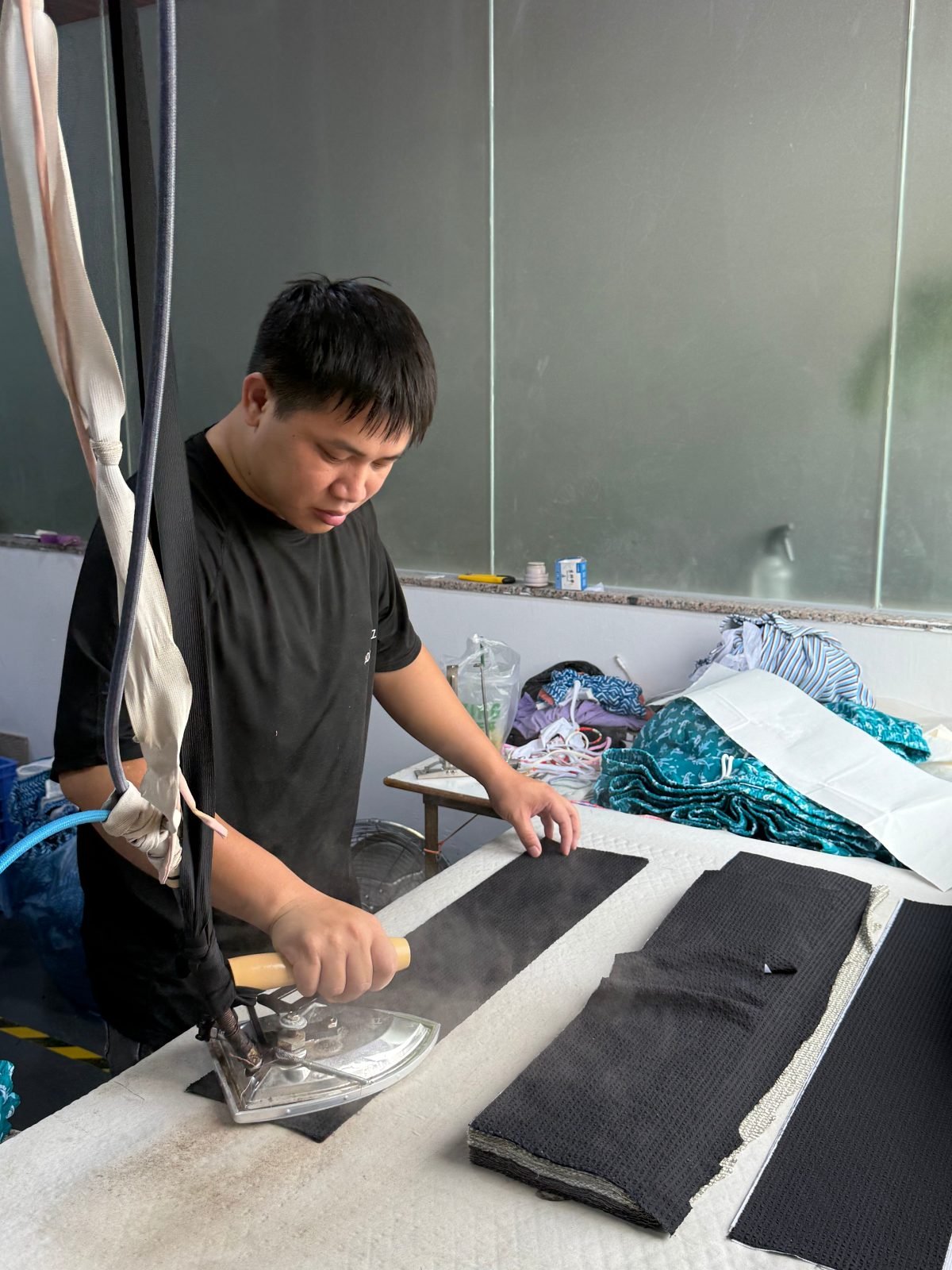
On a recent visit to the Joysportwear floor, I noticed something intriguing that every emerging swimwear brand grapples with: minimum order quantities (MOQ). This challenge can make or break a new fashion line. It calls for careful strategy, especially in the highly competitive swimwear market. Often, new brands must balance between committing to a large MOQ and managing cash flow and storage concerns. Swimwear manufacturers can offer customizable options that may foster easier entry into the market. Understanding what factors affect MOQ and how you can leverage them to your advantage is key.
Understanding the Basics of MOQ
Minimum Order Quantity Explained. In the world of swimwear manufacturing, Minimum Order Quantity (MOQ) is a critical term. It refers to the smallest batch of products a manufacturer is willing to produce in a single run. MOQ is crucial because it determines how economical a production run can be based on the scale—this is especially relevant in swimwear, where different styles can influence cost.
Standard MOQ Ranges. Understanding typical MOQ ranges provides a foundation for navigating production requirements. MOQs can vary significantly based on the type and scale of the manufacturer. Small factories might offer flexible MOQs ranging from 100 to 300 pieces, catering to startups and niche brands. In contrast, larger factories may set MOQs at 500 or more, aligning with higher-volume brands aiming for economies of scale.
Balancing Costs and Scale. The existence of MOQs is rooted in balancing production costs. Manufacturers need to cover setup costs, which include resource allocation, dyeing, and pattern making. Simply put, producing fewer items increases the cost per piece, making high MOQs essential for maintaining viable profit margins.
Impact on Emerging Brands. For emerging swimwear brands, high MOQs can present a substantial barrier to entry. Smaller brands often struggle to meet these requirements due to budget constraints and uncertain market demand. This challenge is exacerbated if a brand aims to offer diverse designs or eco-friendly materials, which tend to have higher production costs. Understanding the balance between MOQ and production costs is critical for these brands to plan sustainably.
Typical MOQ Ranges in Swimwear
| Factory Type | MOQ Range (pcs) | Best For | Trade-off | What to Ask |
|---|---|---|---|---|
| Micro-workshop | 30–100 | Test runs, simple styles | Limited capacity, higher cost | Feasibility of small runs |
| Small factory | 100–300 | Startups, niche markets | Less flexibility in scaling | Lead time per batch |
| Medium factory | 300–500 | Growing brands | Moderate MOQs, competitive cost | Potential for design variance |
| Large factory | 500–1,000+ | Established brands | Longer lead times, more rigid | Contract flexibility |
| US startup maker | 24–100 | Custom small batches | Higher unit price | Options for customizations |
Navigating MOQ Challenges. Addressing MOQ challenges involves a nuanced understanding of these dynamics. Emerging brands must weigh their operational scale against the MOQs offered by suppliers.
Factors Affecting MOQ
Material costs. High-end fabrics like eco-friendly nylon or those with intricate patterns often come at a premium price. When fabric costs rise, manufacturers might increase MOQ to amortize the higher expenses across a larger number of units. While this ensures cost distribution, it can strain small brands, challenging them to reach the initial investment threshold needed without compromising quality.
Production techniques. The techniques used in manufacturing swimwear significantly impact MOQ. For instance, complex assembly methods, such as those requiring specialized machinery or manual stitching, demand longer setup times and thorough quality checks, imposing higher MOQs. Simpler techniques or automated production lines tend to lower the MOQ as they enable faster turnaround and reduce labor costs. Yet, brands pushing for unique design features or intricate details need to weigh these against the MOQ constraints.
Eco-friendly practices. Sustainable practices often come into play when setting MOQs. Brands choosing eco-friendly methods might face different MOQ challenges. For example, recycled or organic materials might have specific sourcing requirements that elevate the MOQ due to limited availability or higher procurement costs. However, leveraging sustainable options can sometimes allow negotiation with suppliers for more flexible MOQs, particularly if the brand's values align with environmental responsibility.
Supplier flexibility. Supplier flexibility in MOQ negotiations can dramatically affect emerging swimwear brands. Experienced suppliers familiar with the brand's ethos and market niche might adjust their MOQ requirements to foster long-term relationships. Open communication and a mutual interest in growth can lead to customized MOQ agreements. Brands should carefully choose suppliers who demonstrate adaptability and a willingness to accommodate MOQ adjustments.
Color and design variety. The variety in color and design is another crucial consideration. Offering multiple colorways or unique design elements can increase MOQ as each variant may require distinct production runs, significantly raising total production costs. Consequently, start-ups must strategically decide on their design fleet, balancing between offering a wide selection and keeping MOQs manageable.
Strategies for Managing MOQ
Minimum Order Quantities (MOQs) are a pivotal consideration for new swimwear brands. To navigate these successfully, building close ties with suppliers stands out. A transparent and mutually beneficial relationship can translate into flexible terms that help brands adjust to market demands.
Building Strong Supplier Relationships. Suppliers are more likely to offer better terms to brands they trust. Regular communication and clear business goals can establish such trust. It’s essential for emerging brands to communicate their growth vision, showing commitment to a long-term partnership. A good relationship might also offer insights into available lower MOQ options.
Negotiating with Strategic Partnerships. Establishing strong strategic partnerships often leads to flexibility in MOQs. Brands should seek out suppliers that are open to collaboration. Strategic partnerships can mean longer contracts or exclusivity agreements in exchange for reduced MOQs. However, it’s important to assess potential partners thoroughly to ensure alignment in business ethos and capability.
Leveraging Eco-Friendly Materials. The choice of materials can significantly impact MOQ flexibility. Eco-friendly fabrics, which are increasingly popular, might lead to opportunities for lower MOQs. Suppliers focused on sustainable materials often have a vested interest in supporting emerging brands to promote their eco-friendly initiatives, sometimes offering MOQ reductions for collections using recycled materials.
Production Schedule Planning. Aligning production schedules with MOQ requirements requires strategic foresight. For instance, batching orders can reduce costs and fulfill MOQ needs without excess inventory. By efficiently planning production schedules, brands can leverage high-demand periods to maximize throughput, thereby minimizing overall costs.
Tech-Driven Solutions. Technology can streamline production planning to better meet MOQ requirements. Platforms that forecast demand and optimize inventory management reduce excess production risk. Additionally, digital solutions can facilitate real-time adjustments, helping brands stay agile in production decisions. Such tech-driven insights empower brands to maintain lower MOQs without compromising on quantity or quality.
MOQ Management Strategies
| Strategy | Benefit | Challenges | Implementation Tips |
|---|---|---|---|
| Strong Supplier Relations | Better terms and trust | Building and maintaining trust | Regular communication and set clear objectives |
| Strategic Partnerships | Flexible MOQs | Finding aligned partners | Assess partnerships for long-term alignment |
| Eco-Friendly Materials | Potential MOQ reduction | Limited fabric availability | Source suppliers with robust eco-friendly credentials |
| Optimized Production Plans | Reduced costs and excess stock | Matching demand accurately | Use demand forecasts to align production schedules |
| Tech-Driven Solutions | Real-time adjustments and efficiency | Initial tech investment | Implement platforms that integrate inventory forecasts |
Each of these strategies holds potential for emerging swimwear brands to tackle MOQ challenges effectively, ensuring that they can thrive in this competitive market.
Design Considerations & MOQ
Complex designs increase MOQ. When it comes to swimwear, intricate and unique designs often demand longer production times and more elaborate processes. This complexity typically results in higher MOQs. Detailing, like embroidery or multicolor prints, requires additional setup time and more materials, raising costs. Consequently, suppliers may necessitate larger orders to justify these expenditures.
Streamlined designs lower MOQ. Simplifying the elements of swimwear designs can significantly reduce these minimum requirements. By utilizing fewer colors or opting for simpler patterns, a brand can expedite the production process. This not only cuts down on setup times but also minimizes the material inventory required, accommodating lower MOQs. It’s an efficient tactic for brands wanting to get a foot in the door without committing to large volumes initially.
Versatile design elements. Employing design elements that can be mixed and matched across different products can further streamline production. Features like adjustable straps or universal prints can be used in multiple styles, allowing for a more cohesive collection without the added complexity of creating entirely unique components for each piece. This strategy not only reduces the variety of materials required but supports a more sustainable approach by minimizing excess stock.
Impact of seasonality and fashion trends. The changing tides of fashion and seasons profoundly influence MOQs. Popular trends can spike demand, compelling suppliers to increase MOQs due to the expected high volume. On the flip side, out-of-season collections or niche trends might allow manufacturers to offer reduced MOQs, clearing existing stock without modifying production lines drastically.
Balancing uniqueness with MOQ limits. Finding the sweet spot between creating standout designs and adhering to MOQs is critical. Brands often grapple with balancing uniqueness and economic feasibility. It’s essential to calibrate the exclusivity of designs against the viability within MOQ frameworks. By leveraging digital design tools, brands can prototype unique concepts while fine-tuning them for scalable production, ensuring creativity does not suffer at the hands of economic constraints.
In swimwear, knowing how to adjust design approaches to meet production realities ensures brands aren’t just creatively fulfilling, but strategically sustainable as well.
Eco-Friendly Practices and MOQ
Incorporating eco-friendly materials can significantly alter MOQ dynamics for swimwear brands. Sustainable materials often come with different production processes and supply chains, which influences the minimum quantities producers require. For example, recyclable fibers like ECONYL, derived from nylon waste, necessitate a different handling and procurement strategy compared to standard fabrics. This shift means that for sustainable materials, MOQ can sometimes increase due to less established supply chains but, conversely, may decrease as demand rises and economies of scale begin to apply.

Certifications and MOQ. Certifications such as OEKO-TEX certify that textiles are free from harmful substances. They indicate compliance with ecological and environmental standards, boosting consumer confidence and potentially increasing demand for certified products. With growing consumer awareness, suppliers may adapt by offering reduced MOQs for such eco-certified materials to attract emerging brands looking to build a sustainable image quickly.
Sustainable production practices. Embracing sustainable production practices can influence MOQ by optimizing processes to be more flexible. Techniques such as zero-waste cutting and digital pattern making can minimize material waste and allow for producing smaller batches efficiently.
Supplier eco-credentials. The ecological credentials of suppliers directly affect MOQ negotiations. Suppliers noted for their commitment to sustainability might align with brands aiming for reduced MOQs by striking deals that reflect mutual eco-conscious philosophies. Providers focusing on eco-friendly solutions might offer lower MOQ or flexible terms, knowing they are supporting like-minded businesses.
Balancing goals with production realities. Navigating the balance between sustainability and MOQ challenges remains a nuanced task for emerging brands. While aiming for eco-friendly collections, brands must realistically assess supplier capabilities and market demand. By planning strategically, one can meet eco-targets while managing MOQ challenges effectively. For insights on sustainable fabric choices, see Sustainable Fabrics in Swimwear: What Brands Need to Know.
Case Studies: Success Stories and Lessons Learned
Small Brand, Big Success. By focusing strategically on best-selling styles and classic colors, they negotiated a blend of lower MOQ on initial orders with the promise of larger follow-ups. This strategy allowed them to test market demand effectively without overwhelming stock levels. They succeeded by starting small, analyzing early sales data, and using it to refine their offerings.
Learning from Struggles. Contrast that with another brand, In The Tide, that struggled initially. They dived headfirst into launching multiple lines simultaneously, ending with oversized inventory that strained their budget. When facing high MOQ pressures, they learned the value of streamlined product lines—focusing on core designs that sold well, reducing waste, and better managing cash flow.
Insights from Joysportwear's Experience. By starting their relationship with us at a modest MOQ, they aligned their growing business success with our manufacturing capability. They focused intensively on building a single standout product first, fostering a strong community around it, which enabled them to scale confidently. Transparent communication was key; they shared their market projections openly, which allowed us to accommodate scalable production schedules.
Emerging Brand Strategies. Emerging brands often deploy creative tactics to navigate MOQ hurdles. Bundling products or offering exclusive, limited-time collections can help reduce unit requirements while maximizing customer interest. By shrewdly choosing style variations that minimize fabric changeovers, they keep production smooth and costs in check.
Overcoming Unexpected Challenges. Their agile response? They pivoted quickly, collaborating with suppliers to substitute with a comparable eco-friendly material. Such flexibility not only addressed immediate volume needs but strengthened their supply chain resilience—an invaluable lesson in managing both MOQ and market dynamics.
Ultimately, these stories underline that success in swimwear often hinges on agility and strategic supplier relationships. Joysportwear helps by enabling brands to adapt and thrive in a competitive market.
Your Next Steps in Managing MOQ
Navigating MOQ hurdles starts with understanding your next swimwear line's specific needs. Reflect on anticipated demand and integrate market trends into your forecasting. When preparing your new line, tailor your strategy by evaluating potential suppliers for MOQ flexibility.

Supplier Dialogue. Effective communication with suppliers is pivotal. Craft a set of insightful questions focusing on a supplier's general practice regarding MOQ terms. By doing so, you optimize production cost and inventory levels. Below is a list of key questions to guide discussions with potential suppliers:
Key Questions for Suppliers
| Question | Purpose | Expectations | Negotiation Tips |
|---|---|---|---|
| What is your standard MOQ? | Gauge supplier capacity | Understand base figures | Use industry average as a leverage point |
| Can MOQ be adjusted for startups? | Assess flexibility | Potential for lower initial MOQs | Highlight long-term partnership plans |
| What factors influence MOQ? | Identify constraints and opportunities | Insight into production drivers | Discuss alternative strategies |
| Are there quantity-based discounts? | Evaluating cost efficiencies | Explore scalable cost structures | Present volume forecasts |
| Can we test smaller orders? | Risk mitigation | Prototyping with minimal commitment | Indicate future growth potential |
Testing and Optimization. Internally, testing MOQ outcomes before finalizing orders is crucial. Introduce a small run release strategy or utilize predictive analysis tools to align projected sales with MOQ constraints. These methods not only offer insight into expected demand but also mitigate risk by validating market response with minimal investment.
Predictive Analysis. Leveraging data analytics tools allows for precise demand forecasting. Analyzing past sales, season trends, and customer feedback aids in predicting future purchase volumes. Calibration of this data against supplier MOQs enables you to fine-tune order quantities, aligning forecasts with production needs.
Evaluating Partnerships. When assessing suppliers, prioritize those offering transparent communication, willingness to negotiate, and evidence of past flexibility. Understanding their capability and preparing to reciprocate the goodwill creates a collaborative environment conducive to achieving and maintaining optimum MOQs.
FAQ: Overcoming MOQ Challenges in Swimwear
How can emerging swimwear brands negotiate better MOQ terms? Building a strong relationship with suppliers is key. Highlighting potential for long-term collaboration can open doors for more flexible MOQ terms. Often, asking about trial runs or offering to showcase the supplier's brand can also help.
What should brands consider when planning for MOQ? Brands should assess their production needs, consider using eco-friendly materials, and understand how design complexities or color variations could impact MOQ. Aligning production with the supplier's schedule can offer leverage.
Can eco-friendly materials impact MOQ positively? Yes, many suppliers value sustainability and may offer lower MOQs for environmentally-friendly materials. Verify the supplier's sustainable certifications and practices to ensure alignment with your brand's goals.
FAQ: Overcoming MOQ Challenges in Swimwear
What are typical MOQ ranges for swimwear production?
MOQ ranges in swimwear production vary widely, from as low as 30 pieces per style for micro workshops to more than 1,000 pieces for large-scale factories. The range depends on factors such as design complexity and production capabilities.
How can eco-friendly materials affect MOQ?
Eco-friendly materials can often lead to more flexible MOQ terms. They might reduce costs associated with sourcing and production, and suppliers may be more willing to negotiate lower MOQs to promote sustainable practices.