
"What's the difference between swimwear designs in various markets?" The answer lies in understanding not just style but functionality geared for specific regions. For example, Australian markets might emphasize sun protection due to high UV exposure, while European styles could favor chic designs with bold patterns. Material choices also play a significant role; eco-friendly fabrics may cater well to environmentally conscious consumers, particularly in the U.S. This guide helps buyers navigate the unique demands of swimwear for different markets by exploring fabric, regulatory standards, and cultural preferences.
What Are the Key Factors While Choosing Swimsuits for Different Markets?
Choosing the perfect swimsuit demands a keen awareness of diverse market factors, such as climate, design preferences, demographics, and economic sensitivities. For brands entering new realms, understanding these aspects is crucial.
Climatic Conditions
One can't ignore the climate when selecting swimwear for various regions. A market with blazing sunshine year-round, like Australia, requires swimwear with superior UV protection—ideally rated UPF 50+. Contrastingly, regions like Northern Europe, where swimming might occur in colder waters, demand thicker materials with higher thermal retention. Light, breathable fabrics, however, thrive in tropical zones, offering comfort and moisture management.
Design and Style Preferences
Regional tastes often dictate swimwear design. While a bikini might be a runaway success in Brazil, modest one-piece suits might cater better to Middle Eastern tastes. Trendy one-piece swimsuits, like those with strategic cutouts, can appeal to fashion-forward audiences in metropolitan hubs. Vibrant colors might be favored in festive markets, while subdued tones align well with classic preferences in Japan.
Demographics and Price Sensitivity
Each market's demographic profile shapes selections. Younger demographics often push for bold, edgy designs, whereas older consumers prioritize comfort and elegance. Price sensitivity also varies. Budget-friendly options resonate well in markets with lower disposable incomes, while premium designs thrive in affluence. Identifying these nuances helps brands strike a balance between cost and consumer expectations.
Market-Specific Swimwear Considerations
| Region | Climate Concerns | Design Preferences | Cost Sensitivity |
|---|---|---|---|
| Australia | High UV exposure, warm climates | Bold patterns, sporty cuts | Moderate |
| Northern Europe | Cold water swim, thermal retention | Classic, understated | High |
| Brazil | Tropical humidity, exposure to sunlight | Minimal coverage, vibrant | Low |
| Middle East | Hot, dry conditions | Modest, one-piece | Variable |
| South East Asia | Tropical monsoons, high humidity | Lightweight, bright colors | Moderate to low |
| USA | Varied—East coast cooler, West coast warm | Diverse, from classic to trendy | Varied based on region |
This matrix highlights the importance of tailoring swimwear to meet regional expectations—designing with a nuanced view of climate, culture, and consumer spending. To capture specific market needs, consider incorporating thermal features for colder regions or vibrant colors for sunnier destinations. Aligning swimwear design with these factors enhances market relevance.
How Do Climate Conditions Affect Swimwear Design?
Climate plays a crucial role in defining the material characteristics and design specifics of swimwear. When creating swimwear for varied climates, considerations like UV protection, water temperature, and moisture management are essential.
Swimwear designed for sunny regions must prioritize UV protection. Fabrics treated to offer a high Ultraviolet Protection Factor (UPF) become non-negotiable in these areas. ASTM D6603 standards assess apparel for UPF, ensuring fabrics block over 97.5% of the sun's UV rays. Typically, polyester blends and lycra are preferred for their inherent resilience against sun exposure, a vital factor to consider
In colder climates, water temperature drives the need for thicker, insulated materials. Neoprene is a popular choice as it provides a blend of flexibility and insulation, crucial for warmth retention. Fabrics with a higher density are essential where water temperatures dip, enabling the swimwear to effectively protect from hypothermia while maintaining flexibility for movement.
Meanwhile, tropical climate swimwear must excel in moisture-wicking. Materials that minimize water absorption and facilitate quick drying, such as nylon and spandex blends, are ideal. These fabrics actively draw moisture away from the skin, allowing it to evaporate quickly and keeping the wearer comfortable in humid conditions. Moisture-wicking capability is especially critical for those looking to transition smoothly from water to land, emphasizing both functionality and comfort.
As markets evolve, understanding sustainable material performance for different climates becomes even more relevant. For eco-conscious brands, integrating environmentally friendly fabrics without compromising climate-specific functionality is possible by selecting from a range of materials explored in our article Understanding Sustainable Fabric Choices in Swimwear Manufacturing.
Ultimately, climate conditions dictate essential swimwear features. UV protection, insulation for cold waters, and moisture management for tropical settings are factors affecting fabric choice and design. Providing designs that meet these climate challenges offers a competitive advantage in the swimwear market.
What Regulatory Standards Should Be Considered?
Compliance with regulatory standards is essential for swimwear manufacturers aiming for international markets. Notably, ISO 105 series ensures color fastness of textiles, including the ISO 105-E03 standard, which is specifically tailored for swimwear due to frequent exposure to chlorinated pool water. Swimwear must maintain its color under chlorine concentrations of 50 mg/L and 100 mg/L. This allows manufacturers to strive for vivid designs that endure multiple pool uses without significant fading, an essential characteristic for customer satisfaction.
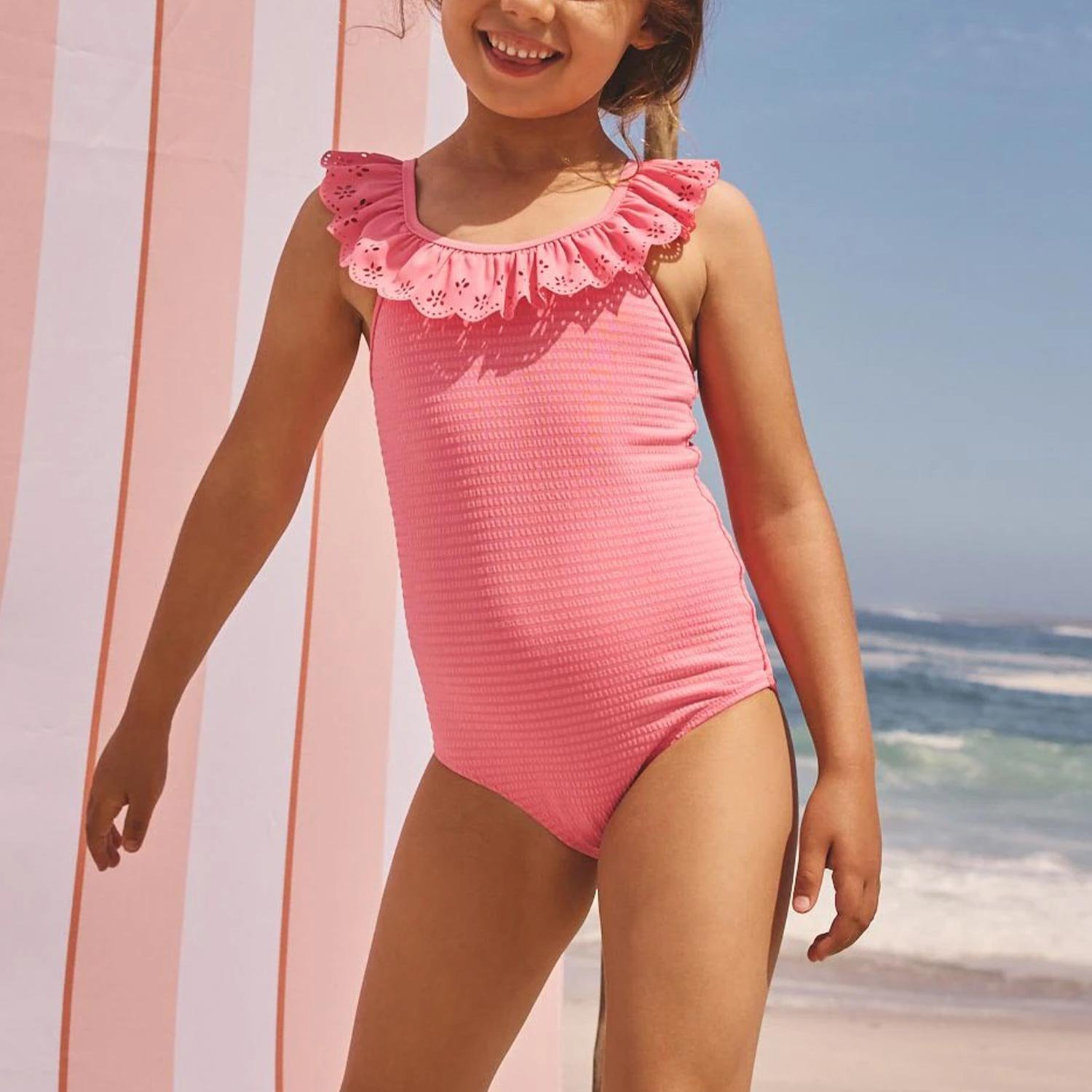
ASTM standards provide a framework for fabric performance in swimwear, emphasizing durability, flexibility, and comfort. Standards like ASTM D3994-22 and ASTM D3996-23 focus on woven and knit fabrics, respectively. Manufacturers look for fabrics that meet these performance benchmarks, ensuring products withstand active wear, challenging conditions, and repeated laundering without losing shape or comfort.
Safety standards for children's swimwear add another layer of regulatory considerations. ASTM F1816-18 and EN 14682 guidelines address potential hazards from drawstrings and toggles, ensuring they do not exceed 76.2 mm, which helps prevent accidents. Such standards are imperative for brands catering to younger markets, where compliance can be a selling point for safety-conscious consumers.
A Global Perspective
Navigating international swimwear markets requires aligning products with both local and international regulations. For example, products imported into the European Union must comply with REACH standards, while meeting OEKO-TEX requirements can boost confidence among eco-conscious buyers globally. Brands must seamlessly integrate these frameworks into production to secure a competitive edge.
Compliance ensures reputability and expands market access. Ignoring regulations not only risks failed market strategies but could also incur costly recalls or bans, which can set back a brand significantly. Importantly, adapting to these standards not only ensures product quality but also maximizes consumer trust, which is invaluable in the swimwear sector.
Essential Regulatory Standards for Swimwear
| Standard | Focus Area | Region | Key Requirements |
|---|---|---|---|
| ISO 105-E03 | Color fastness to chlorinated water | International | Pools; Chlorine resistance 50 mg/L, 100 mg/L |
| ASTM D3994-22 | Performance of woven fabrics | United States | Durability, stretch-recovery |
| ASTM F1816-18 | Children's drawstrings safety | United States | Limiting string length to ≤ 76.2 mm |
| EN 14682 | Children's clothing safety | Europe | Ban on toggles, ensure safe string lengths |
| REACH | Chemicals restrictions in textiles | Europe | Hazardous chemicals control |
| OEKO-TEX | Textile ecology and safety | Global | Absence of harmful substances |
Compliance with these standards is not merely a formality but a strategic necessity to compete in diverse and demanding global markets.
How Does Culture Influence Swimwear Preferences?
Cultural norms have a profound influence on swimwear preferences, starting with the aspect of modesty. In more conservative cultures, such as in parts of the Middle East and South Asia, swimwear often leans towards designs that cover more skin. These styles typically involve longer sleeves, higher necklines, and full-length bottoms, catering to societal expectations of modesty. In contrast, Western cultures often favor bikinis and more revealing swimsuits that celebrate body positivity and personal expression. This dichotomy highlights how deeply rooted cultural values shape swimwear styles.
Color Trends by Region
Color trends in swimwear can also vary significantly from one region to another. For instance, in vibrant markets like Brazil, bright colors and bold prints are prevalent, reflecting the lively cultural atmosphere and love for festivities. Similarly, in many African nations, swimwear may feature rich, earthy tones that harmonize with cultural aesthetics. Conversely, regions like Scandinavia may prefer more subdued tones such as pastels and monochromes, aligning with minimalist and understated styles often associated with their fashion philosophy.

Festival Swimwear and Cultural Significance
Festivals play a significant role in dictating swimwear trends. In regions like the Caribbean, where events such as Carnival are celebrated, there is a surge in demand for festive swimwear that incorporates flashy accessories and glittering fabric. These designs are not just about aesthetics but are deeply tied to cultural celebratory practices. In this way, festival swimwear serves as a canvas for cultural expression, allowing designers to experiment with styles that resonate with traditional celebratory themes.
The Role of Cultural Heritage in Design
Cultural heritage plays a pivotal role in swimwear design, serving as inspiration for designers seeking to embed cultural narratives into fashion. This is often seen in tribal patterns or Indigenous prints that appear in swimwear collections. By incorporating traditional motifs, designers offer more than just swimwear—they provide a narrative and a connection to cultural roots. In recent years, there has been a growing trend towards incorporating heritage elements into mainstream swimwear, which resonates with consumers who value authenticity and cultural appreciation.
By understanding and integrating these cultural nuances, designers and brands can create swimwear that is not only functional and stylish but also culturally resonant, expanding their appeal across diverse markets.
What Role Does Fabric Play in Market-Specific Swimwear?
Fabric is critical in market-specific swimwear because it impacts durability, performance, and consumer appeal. In markets with active swimwear demands, such as sporting or competitive sectors, the durability of fabrics becomes paramount. These fabrics need to withstand constant movement, stretching, and exposure to chlorinated water, often tested to standards like ISO 105-E03:2010 to ensure color fastness. This ensures that swimwear maintains its aesthetic and integrity after repeated use in pools.
In contrast, eco-friendly materials play a pivotal role in swimwear for environmentally conscious markets. Consumers in these regions are increasingly drawn to products certified by Global Recycled Standard (GRS) or OEKO-TEX. These certifications assure that the materials are environmentally responsible, non-toxic, and safe. For instance, recycled polyester and organic cotton are increasingly popular choices as they align with the growing demand for sustainable production practices and reduce the environmental impact of fashion.
Climatic demands also dictate fabric choices in different markets. In tropical regions, breathable and quick-drying fabrics are essential. These materials, often engineered from blends like Lycra and lightweight nylon, help to ensure comfort by allowing air circulation and fast moisture evaporation—key features for comfort in humid climates. Conversely, in cooler climates, fabrics with added thickness may be preferred for warmth, potentially integrating thermal layers or wool blends that provide insulation against colder water temperatures.
Finally, the aesthetic appeal of fabric cannot be overlooked, especially when branding is a priority. In competitive fashion markets, the look and feel of the fabric play an essential role in product differentiation. Luxurious textures such as soft-touch velvets or shimmering iridescent finishes can elevate a swimwear product line's perceived value, differentiating it from competitors. Printing technologies also allow brands to incorporate vibrant patterns or intricate designs, aligning with the brand’s aesthetic and appealing to the target demographic.

In conclusion, fabric choice is not just a matter of functionality but a strategic decision that aligns with market demands, consumer expectations, and environmental considerations. Brands are advised to carefully consider these nuances, ensuring their offerings meet diverse market needs.
Why Is Market Research Important in Swimwear Selection?
Understanding consumer behavior and market trends is crucial in the swimwear industry to tailor products that meet and anticipate customer needs. Market research provides insights into preferences and buying behaviors, enabling brands to design and produce swimwear that aligns with consumer expectations. For example, a recent study showed that eco-friendly swimwear is gaining traction, driven by increasing consumer awareness of sustainability issues. Thus, a brand positioning itself in this space could gain a competitive edge.
Predicting Future Trends
Utilizing market research to predict future swimwear trends is a strategic approach that pays dividends. By analyzing market data, consumer feedback, and trend reports, brands can anticipate shifts in consumer preferences. During the past few years, there has been a notable increase in demand for athletic and versatile swim styles, influenced by the growing trend of athleisure wear. Companies that can pivot to meet these trends are best positioned to capitalize on changing consumer tastes.
Social Media's Influence
Social media plays a pivotal role in influencing market demands. Platforms like Instagram and TikTok are trendsetters in the swimwear scene, with influencers driving interest in particular styles or emphasizing social causes, such as sustainability. For brands, monitoring these platforms provides real-time insights into what consumers are buying and aspiring to purchase. Leveraging social media analytics allows swimwear lines to tap into emerging trends, like high-waisted bikinis, way ahead of broader market adoption.
Identifying Niche Markets
Another crucial aspect of market research is identifying niche markets. This involves segmenting the market based on specific criteria like age, gender, or interests, and tailoring products to these groups. For example, swimwear designed specifically for maternity or plus-size markets is quite lucrative. Pinpointing and catering to these segments can set a brand apart and ensure a dedicated customer base.
Steps in Effective Market Research for Swimwear
| Step | Action | Purpose | Outcome |
|---|---|---|---|
| 1 | Conduct consumer surveys | Gather direct consumer feedback | Informed product development |
| 2 | Analyze social media trends | Identify emerging styles and preferences | Timely trend adaption |
| 3 | Evaluate competitor offerings | Understand market positioning and gaps | Strategic positioning |
| 4 | Segment the market by demographics | Tailor products to specific consumer groups | Enhanced market appeal |
| 5 | Monitor economic indicators | Predict market fluctuations | Better inventory planning |
Effective market research strategies, complemented by tools such as consumer surveys and social media trend analysis, empower brands to make informed decisions, reduce market risks, and drive innovation. By continuously engaging with market data, swimwear brands can stay relevant and proactive in an ever-evolving landscape.
How to Make the Final Decision on Swimsuit Selection?
When it comes to choosing the right swimsuit for specific markets, the decision process revolves around analyzing collected market data, balancing design aesthetics with functional needs, and aligning designs with market demands and business goals. Here's a deeper look into how these factors play out.
Analyzing Market Data
The first step in making an informed decision is a careful analysis of the collected market data. This involves examining past sales trends, consumer preferences, and competitor strategies. Data should be interpreted to understand which styles, colors, and materials have historically resonated with target audiences. For example, bright colors might sell well in tropical regions but not in others where muted tones are preferred. Utilize metrics such as sales volume, return rates, and customer feedback to gauge the success of various designs and make adjustments accordingly.
Balancing Design and Functionality
Design aesthetics must be considered alongside functionality to meet the specific requirements of targeted markets. For example, a bandeau bikini might appeal for its sleek look but may not provide the support needed for active swimwear markets, where sporty swimwear would be more suitable. Similarly, underwire bikinis might need adjustments in designs to accommodate varying body shapes across regions, ensuring wearers have comfort without sacrificing style.
Aligning with Market Demands
Swimwear designs need to ultimately align with market demands and your business goals. If a market shows a growing interest in eco-friendly swimwear, sourcing sustainable materials like those with OEKO-TEX and GRS certifications can address this market trend. Your objective should be to align production with imminent market growth opportunities while considering profitability and brand recognition.
Importance of Sample Testing
Sample testing cannot be underestimated in ensuring market fit. It validates the design by allowing you to see firsthand how the swimsuit performs in real-world conditions. Checking for durability, comfort, and customer appeal through trials helps assess any modifications needed before full-scale production. Encouraging feedback from potential customers during this phase is invaluable, as it provides insights that help refine designs to better meet market expectations.
Balancing all these elements allows brands to make insightful decisions, ensuring that their swimsuit lines not only resonate with target markets but also support overarching business goals. This careful alignment fosters successful product launches and sustains competitive advantage in the swimwear industry.
Deciding on Your Next Swimwear Collection
Deciding on your next swimwear collection involves several key factors that are vital to ensuring your designs resonate with your target market. Collaborating with a knowledgeable manufacturer can help bridge the gap between visionary designs and practical execution. Market-specific design choices enhance the appeal and functionality of your swimwear, driving sales success. When navigating these decisions, it’s important to select a reliable partner who can refine and execute your collection plans effectively.
FAQ: Choosing the Right Swimwear for Various Markets
What are some common swimwear standards I should ensure?
Common swimwear standards include color fastness to chlorinated water (ISO 105), fabric performance specifications (ASTM), and safety standards for children's clothing (such as CPSIA). Always verify your swimwear meets local and international regulations to ensure compliance and safety.
How can cultural factors impact swimwear design for my brand?
Cultural factors can significantly influence swimwear design, affecting aspects like modesty levels, preferred colors, and styles. Brands should research cultural norms and trends in target markets to tailor their offerings appropriately and resonate with local consumers.
Why is fabric selection crucial for different markets?
Fabric selection is crucial because it influences durability, comfort, and appeal. Climate-specific needs, like breathability, and market trends, like eco-friendly materials, dictate suitable fabric choices, which can enhance brand reputation and meet consumer expectations.
What is the best way to gather market data for swimwear?
To gather market data for swimwear, use a combination of consumer surveys, trend analysis, social media insights, and industry reports. This comprehensive approach ensures you have a deep understanding of market demands, helping you make informed design decisions.
How does Joysportwear assist in the swimwear manufacturing process?
Joysportwear assists by providing custom manufacturing solutions, eco-friendly fabric sourcing, and ODM and OEM services. Their flexible approach and experience in different markets help brands effectively address market-specific swimwear requirements.