
Creating high-performance swimwear involves adhering to precise standards like ASTM D2594, which ensures fabrics recover ≥95% after 80% elongation. This technical standard guarantees that swimwear maintains its shape and quality under stress, which is crucial for consumer satisfaction. Brands looking to create their unique swimwear lines should inquire about the specific technical standards met during the manufacturing process and verify these with their supplier.
From the early stages of material selection through each production step to final inspection, understanding the nuances of custom swimwear manufacturing helps buyers make informed decisions. This knowledge is vital for startups and established brands alike to ensure quality and compliance at every production stage.
1. Material and Tooling Selection
Selecting the right materials and tooling is critical in custom swimwear manufacturing. Eco-friendly fabrics certified by OEKO-TEX are prioritized, ensuring safety and sustainability. These fabrics reduce harmful effects on both wearers and the environment. The combination of polyamide and elastane is commonly used, with an elastane blend crucial for maintaining fabric stretch recovery. ASTM D2594 is a standard relevant to stretch recovery properties in fabrics.
In swimwear, fabric weight (GSM) significantly impacts performance. For example, light fabrics ranging from 160-180 GSM are often used for bikinis, offering flexibility and a snug fit without compromising support. Meanwhile, heavier fabrics around 200-240 GSM are ideal for athletic or shaping swimsuits, requiring more structure and coverage. Maintaining the right fabric weight is crucial for achieving the desired aesthetic and functional qualities.
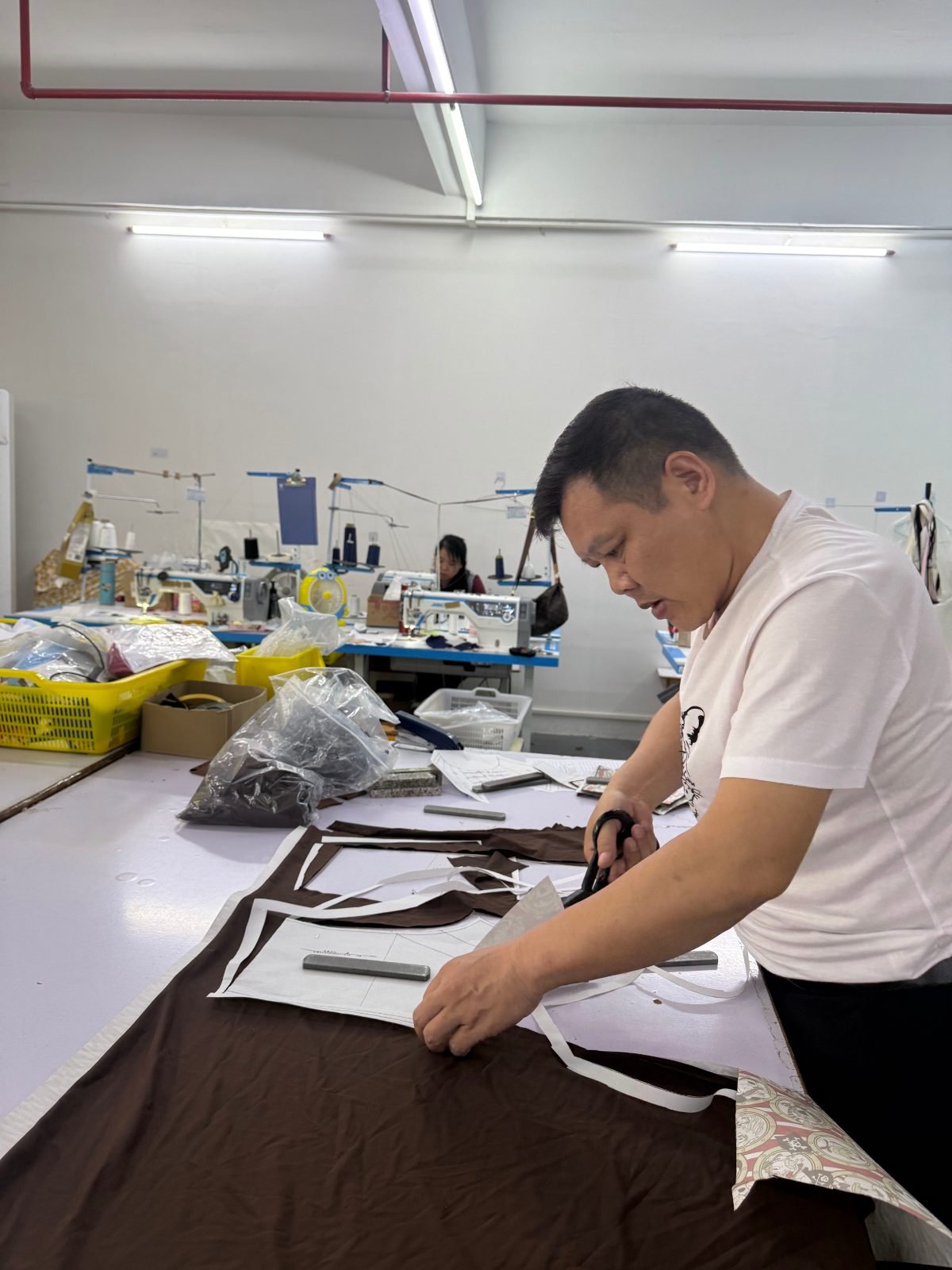
Tooling plays a similarly vital role. Precision cuts and assembly require specialized tooling setups to accurately work with these fabrics. CNC machines, alongside traditional sewing equipment, are instrumental in achieving the level of precision necessary to meet exacting swimwear specifications. These tools ensure clean edges and smooth seams, which are essential for comfort and performance in water environments.
The role of sustainable practices in material sourcing cannot be overstated. Companies may select suppliers aligning with their ethical standards to minimize environmental impact from extraction to fabrication. For more insights on sustainable choices specific to swimwear, visit Understanding Sustainable Fabric Choices in Swimwear Manufacturing.
Ultimately, the foundation laid by sound material and tooling selection echoes throughout the entire production process, ensuring the final product meets the rigorous demands of quality and sustainability.
2. Design and Pattern Creation
Design and pattern creation is where the initial creative vision comes to life. Translating design sketches into precise digital patterns is a critical step, often using advanced CAD software. These tools support pattern grading, which ensures consistent sizing across a swimwear collection—essential for reliable fit in varying sizes like XS to XL. Grading isn’t just about changing dimensions; it involves scaling curves and adjusting seams to maintain proportional aesthetics and function across all sizes.
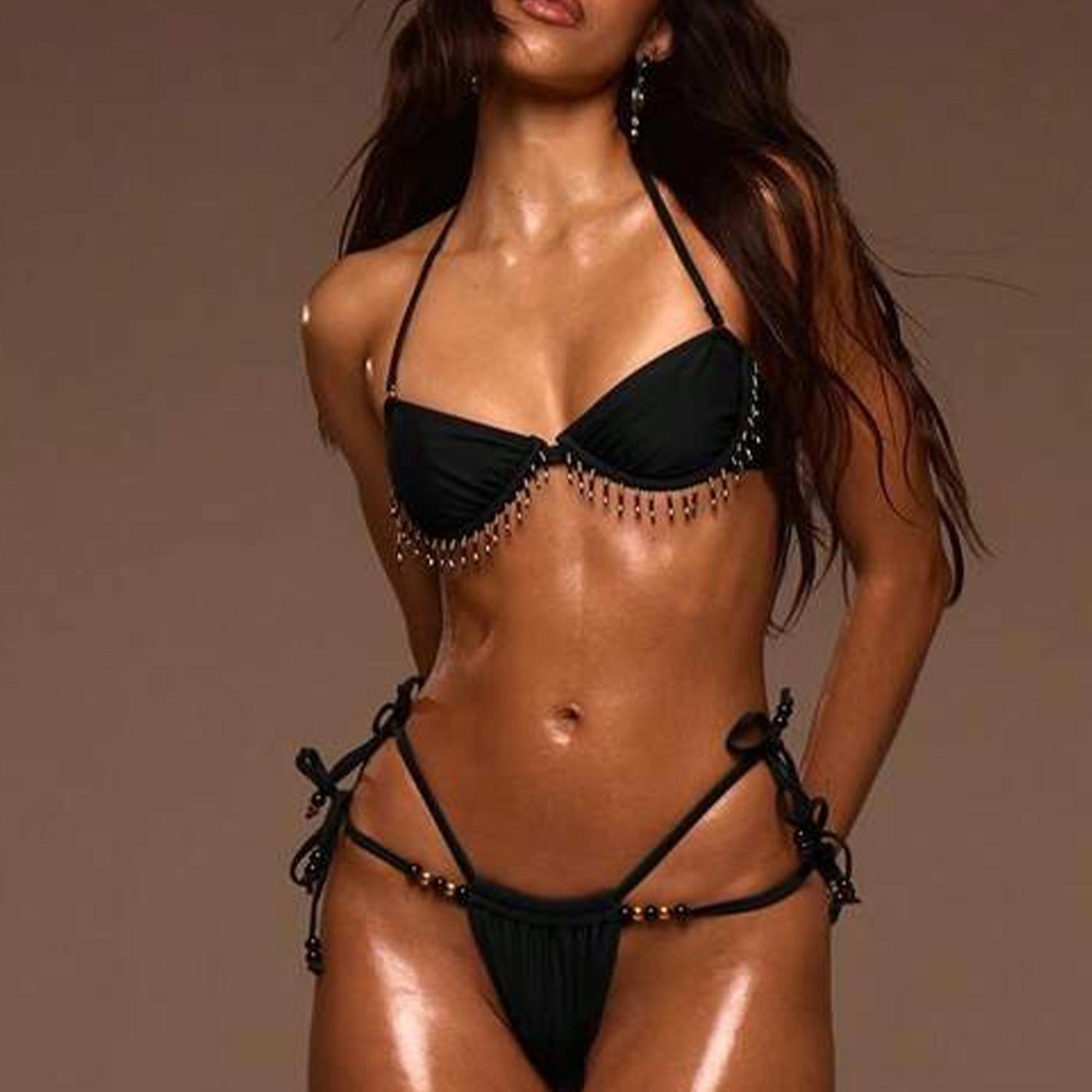
Pattern makers must consider both aesthetic appeal and functional design. For instance, underwire bikinis not only require precise shaping for style but also reinforcement in key stress areas to accommodate movement. Similarly, one-piece swimsuits need strategic pattern placements to ensure stretch and support are adequately balanced. Beyond aesthetics, maximizing material efficiency is paramount. By strategically nesting patterns before cutting, manufacturers can reduce fabric waste significantly—an eco-friendly practice that aligns well with Joysportwear's sustainability commitment.
Creating patterns adaptable to different swimwear styles, such as bandeau bikinis versus tankinis, introduces additional complexity. A bandeau bikini requires thoughtful patterning for fit and support without straps, whereas a tankini combines the support features of a one-piece with the flexibility of a bikini design. Designers must adapt not only the pattern shape but also consider the functionality, ensuring each style meets the physical demands of swimwear.
Effective pattern creation lays the groundwork for succeeding steps in the manufacturing process. By integrating digital tools and sustainability considerations, Joysportwear aligns with industry standards while maximizing design potential. For further insights into the creation process, refer to The Process of Custom Swimwear Design at Joysportwear.
3. Cutting and Assembly
In the cutting phase, ensuring consistency across all pieces is critical. This involves techniques that reduce human error, providing accurate, repeatable cuts essential for maintaining design integrity, especially with intricate patterns of string bikinis or the more robust forms of tankinis. Optimizing fabric utilization is crucial for reducing waste, which aligns with sustainable manufacturing goals.
Assembly processes are tailored based on the swimwear type; for instance, string bikinis require different treatment compared to tankinis. For bikinis, assembly might focus on retaining flexibility and comfort, emphasizing the essential seaming techniques required for these delicate garments. On the other hand, tankinis need a more supportive form that demands reinforced seaming to retain their structure during wear.
Seaming is vital for swimwear durability, adhering to the ASTM D1683 standard for seam strength. The choice of seaming technique varies significantly between lined and unlined swimwear. Lined swimwear involves additional steps to incorporate the lining without distorting the outer fabric's aesthetics and integrity, while unlined swimwear offers simplicity but demands excellent seam quality to ensure comfort and durability. All procedures happen in controlled conditions to prevent fabric distortion and avoid affecting the material's performance.
Common Seaming Techniques: Advantages and Limitations
| Technique | Advantages | Limitations |
|---|---|---|
| Flatlock | Strong seams, minimal bulk | Requires specific machinery |
| Overlock | Quick and clean finish, suitable for stretch fabrics | May not be as durable without reinforcement |
| Coverstitch | Excellent for hems, maintains stretchability | Limited to hemming applications |
| Zigzag Stitch | Flexible, accommodates stretch well | Less durable, suitable mostly for decorative purposes |
| French Seam | Clean finish, hides raw edges | Time-consuming, heavier feel when layered |
With each seaming technique, the goal is to match the function and aesthetic of the swimwear piece, ensuring longevity while maintaining the intended fit and style.
4. Quality Assurance Checks
Quality assurance in custom swimwear manufacturing ensures that every product meets high standards of durability, performance, and visual appeal. A vital part of this process is tensile testing, which confirms the fabric's tensile strength. Per ASTM D5034, swimwear fabrics are evaluated for tensile strength, ensuring they withstand regular use without compromising integrity. This testing is particularly critical when it comes to elastane blends, commonly used for stretch recovery, ensuring that swimwear maintains its shape and function after repeated wear.
Another crucial aspect is assessing color fastness, which ensures swimwear does not fade with exposure to chlorinated pool water or sea water. Using standards such as AATCC TM 162, color fastness tests quantify the degree to which a fabric can withstand exposure to chlorine. This verification is essential for maintaining the vibrant design expected by customers, especially in pieces with bold patterns and bright colors.
Visual inspections add another layer of scrutiny by checking swimwear for aesthetic consistency and defects. Each item is carefully examined for uniformity in print and stitching, ensuring the final product aligns with brand and buyer expectations. Seam integrity is inspected as well, ensuring proper stitch count and seam strength, which are vital for the product's durability and functionality.
In addition to these checks, tear strength testing per ASTM D1424 guarantees that fabrics can withstand physical stress without tearing. This strength is particularly crucial in areas subject to high tension and stress, such as straps and seams.
Quality Standards Metrics
| Test | Requirement | Relevance |
|---|---|---|
| Tensile Strength Testing | ASTM D5034 compliance | Ensures durability under tension and regular use |
| Color Fastness | AATCC TM 162 standards | Maintains visual appeal and prevents fading |
| Visual Inspection | Consistent print and stitch count | Confirms uniform aesthetic and functional standards |
| Tear Strength Testing | ASTM D1424 compliance | Verifies fabric's ability to resist tearing under stress |
| Seam Integrity Check | Proper stitch count | Ensures structural integrity and product durability |
These industry-standard quality assurance practices help ensure that custom swimwear maintains both functionality and style in every piece delivered to the buyer.
5. Printing and Dyeing Process
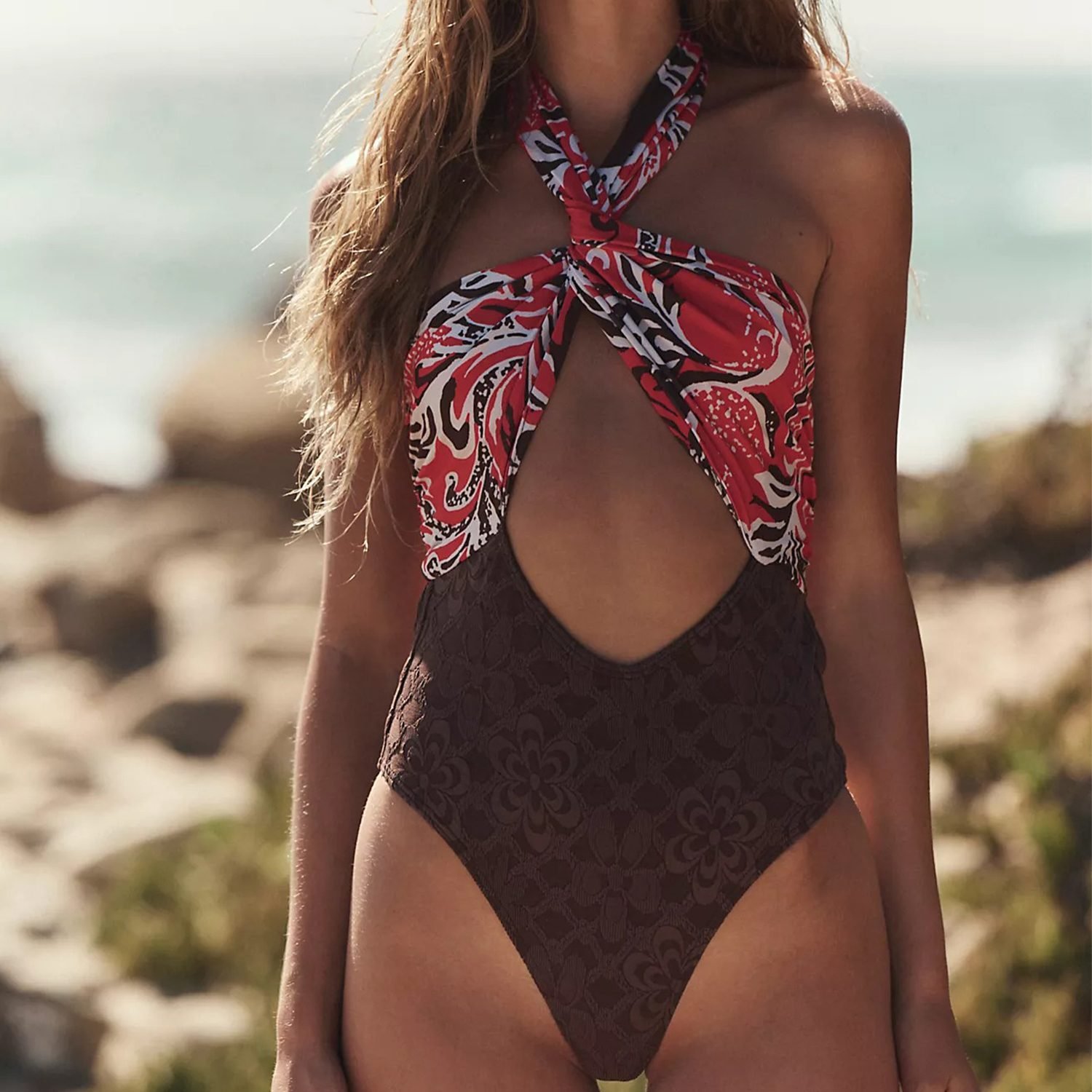
Printing and dyeing play a crucial role in creating the vibrant and durable colors that define custom swimwear. Different techniques cater to various swimwear styles, from kids' swimwear to sporty designs, ensuring color retention and aesthetic appeal. One common method is sublimation printing, which uses heat to transfer dye onto fabric, resulting in detailed and vivid prints. This technique is perfect for intricate patterns or detailed logos, as it ensures that the designs integrate seamlessly with the fabric.
Eco-friendly dyes, such as water-based pigments, are increasingly favored for their reduced environmental footprint compared to traditional dyes. These dyes minimize water use and discharge, aligning with sustainable manufacturing goals, and are integral to producing kids' and sporty swimwear, which often demand bold colors and unique patterns. Joysportwear uses OEKO-TEX certified fabrics to ensure safety and environmental standards.
Heat transfer methods are another option for creating detailed prints. They involve applying heat and pressure to transfer a printed image onto fabric, providing flexibility across different swimwear styles. This method supports customization, allowing for a range of colors and patterns on various fabric blends, from elastane-heavy sporty swimsuits to more flexible kids' swimwear.
Adapting processes to different swimwear styles is essential. Kid’s swimwear often benefits from bright, wash-resistant colors, while sporty swimwear requires durable prints that withstand frequent movement and water exposure. The process must adapt to fabric weight and elasticity, ensuring that the vibrant designs do not crack or fade over time.
In selecting a supplier, consider asking if they employ closed-loop systems to minimize the environmental impact of dye processes. These systems capture and treat dye effluents, reducing contaminant release into the environment. The commitment to eco-friendly practices in printing and dyeing not only supports sustainability but also reinforces the dedication to producing high-quality, colorful swimwear that meets both aesthetic and environmental demands.
6. Finishing Operations
In the custom swimwear manufacturing process, finishing operations are pivotal, ensuring that the final product meets brand expectations and industry standards. This stage starts with precise trimming, where excess threads and fabric are removed to enhance the garment's overall appearance and comfort. Hardware, such as clasps and underwire, is then securely attached with machines calibrated to avoid damaging delicate fabric.
Branding elements follow, with tags and logos strategically placed to enhance brand visibility and add a professional touch. Using heat-press techniques ensures that logos adhere smoothly without disrupting the fabric's integrity.
The swimwear then undergoes steam pressing. This critical step helps eliminate wrinkles, maintaining the swimwear's shape and ensuring it looks polished upon arrival. The use of high-performance steam presses ensures all wrinkles are meticulously removed, lending to both aesthetics and functional comfort.
Recycled materials are typical, with biodegradable plastics increasingly popular. Each piece is thoughtfully folded, minimizing creases and ensuring a presentable appearance upon unboxing.
It is advisable to consider including a final inspection step in your specifications when liaising with your manufacturer. This includes verifying the placement of all branding elements and conducting a thorough check for any overlooked defects.
Incorporating these meticulous finishing operations ensures swimwear not only looks appealing but also performs as intended. For more about the intricacies of swimwear manufacturing, you can explore details on Navigating Custom Swimwear Production in Dongguan.
7. Common Pitfalls in Production
Manufacturing custom swimwear can be fraught with challenges at several stages, leading to potential setbacks in both quality and functionality. One of the most significant pitfalls is poor material selection, particularly where it impacts the final product's durability. Materials lacking the necessary weight or blend can result in swimwear that deforms or loses shape quickly. For instance, a fabric without the appropriate elastane percentage may not provide adequate stretch recovery, critical to the longevity of products like bikinis and one-piece swimsuits.
Improper Seam Techniques
Seam integrity is another major concern. Applying incorrect seam techniques can lead to weak points in the swimwear, compromising its durability. This is especially crucial for garments designed to endure repeated stretches, such as underwire bikinis. ASTM D1683 provides guidelines for seam strength, emphasizing the need for careful method selection and consistent application to prevent issues such as seam pull-out.
Insufficient Stretch Recovery Evaluation
An easily overlooked aspect is the evaluation of stretch recovery. Insufficient testing against standards like ASTM D2594 can result in swimwear that does not return to its original shape after stretching. This compromises both fit and comfort, leading to customer dissatisfaction and potentially increased return rates.
Color Fastness Concerns
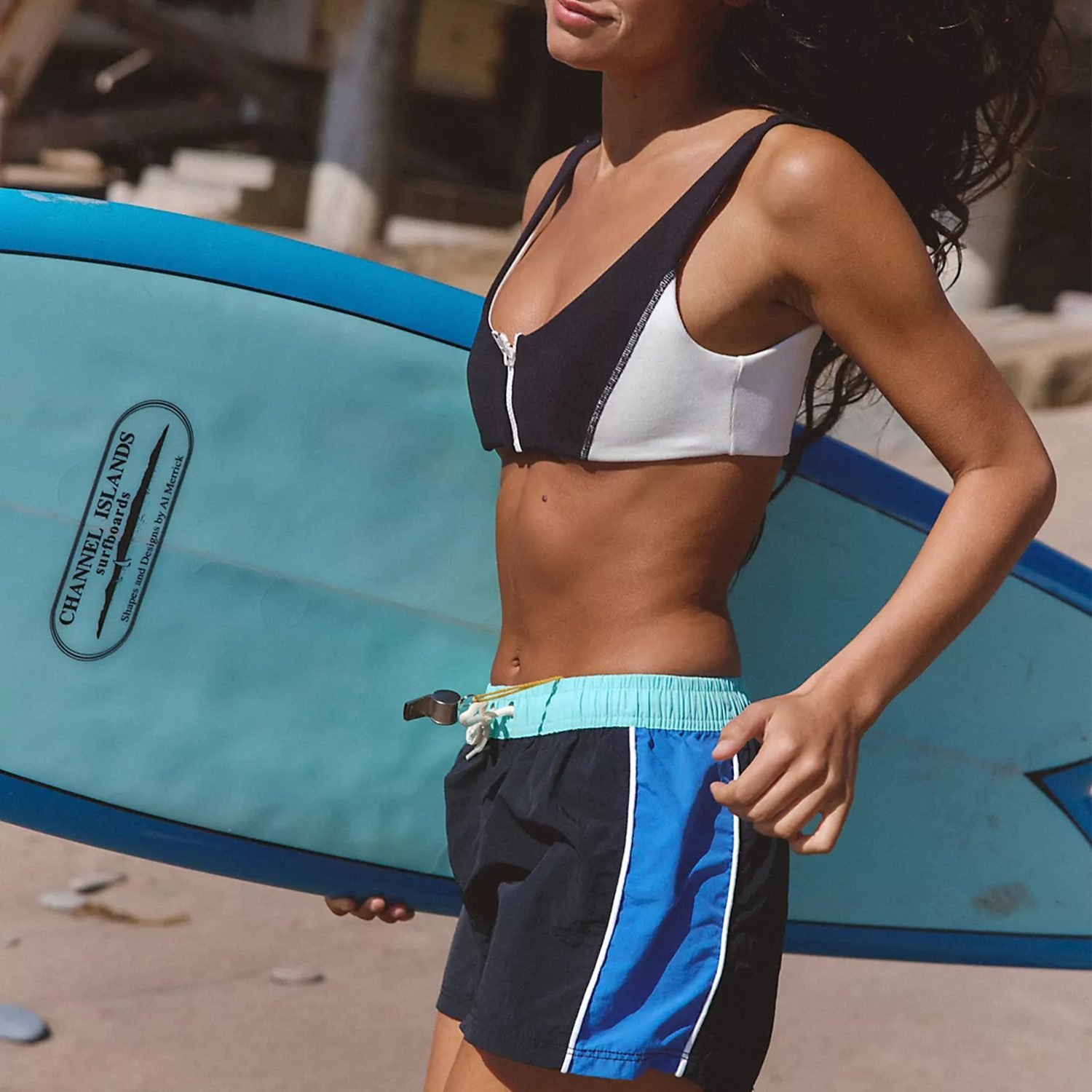
Color fastness also plays a critical role, especially given the exposure to elements such as pool chlorine and sea salt. Failure to adhere to standards like AATCC TM 162 for color fastness can lead to premature fading. Without rigorous testing, swimwear may not sustain its intended aesthetic appeal, significantly impacting customer perceptions of quality.
Logistical Errors
Finally, logistical missteps in packaging and shipment can undermine the entire manufacturing process. Inadequate packaging might lead to damage during transit, while errors in shipment coordination can pose delivery delays. These logistics pitfalls necessitate precise and robust systems, ensuring products reach their destinations intact and on schedule. Each of these pitfalls underscores the importance of stringent quality controls and efficient logistics coordination in the swimwear manufacturing process.
8. Final Product Evaluation Before Shipping
The final evaluation process is crucial before swimwear products leave the factory. Initially, each piece is diligently checked against the order specifications and master samples to confirm that no deviations exist. This step ensures that the product aligns with the buyer’s intended design and quality standards. Furthermore, all labels and tags must be accurately placed according to branding guidelines and compliance requirements.
Random batch testing plays a significant role in quality assurance. By selecting samples from a batch, potential defects, such as stitch irregularities or dye discrepancies, can be identified before the entire shipment is dispatched. This practice not only maintains quality but also prevents large-scale returns or dissatisfaction.
Accurate labeling is critical, not just for branding but also for regulatory compliance. Each swimwear item must have labels containing material composition, care instructions, and other necessary details. Incorrect labeling can lead to non-compliance issues, impacting international shipping and causing delays.
Inspection Checklist for Finished Products
| Inspection Item | Standard | Purpose |
|---|---|---|
| Visual Consistency | Per sample | Ensure aesthetic alignment |
| Label Accuracy | Compliance guidelines | Compliance and brand integrity |
| Stitch Quality | ASTM D1683 | Assure durability and strength |
| Batch Sample Testing | Quality Assurance | Detect hidden defects |
| Tag Placement | Branding Requirements | Maintain brand image |
Proper inventory logging is the final administrative task before shipping. This involves coordinating with the supply chain to align the shipment with logistics and buyer schedules. Ensuring all products are accounted for in stock records not only facilitates seamless supply chain operations but also supports effective inventory management moving forward.
Finally, compliance with buyer-specific standards is validated. This step involves cross-checking all manufactured units against order notes and certifications like OEKO-TEX, ensuring all client and legal expectations are fulfilled. By conducting thorough evaluations and maintaining detailed documentation, manufacturers like Joysportwear can facilitate smooth post-production logistics and enhance overall customer satisfaction.
Is Your Project Ready for Manufacturing?
The first step in successful custom swimwear manufacturing is ensuring that your project is fully ready. It begins with confirming your material specifications and designs. Use standards like
OEKO-TEX for fabric safety and ASTM D2594 for stretch recovery. These validate that your materials meet necessary quality and sustainability criteria, which are essential for swimwear's performance in real-world conditions.
Collaborating closely with your manufacturer at this stage is critical. Open communication facilitates addressing any design anomalies early on, saving you time and cost. Early collaboration helps in finalizing details like design patterns and tooling. Ensuring your design patterns are production-ready involves scrutinizing their accuracy in meeting your size and style specifications. Digital pattern grading is valuable here, providing consistent sizing across multiple designs and reducing materials wastage.
Assess Lead Time Variability
Recognizing the variability in lead times is also crucial for planning your production schedule. Variables like complex designs, sizing intricacies, and high order volumes can significantly affect turnaround times. While Joysportwear doesn't specify lead times, understanding your project’s scale and technical demands will ensure no surprises down the line. Engage with the manufacturer to set realistic schedules, balancing your timelines with industry standards.
Moreover, completing all compliance checks beforehand is a necessity. Ensuring your designs and materials meet specified standards reduces the risk of setbacks. This means confirming that all specifications are not only aesthetically pleasing but also meet the safety and quality thresholds.
Finally, ensuring project readiness is not just about ticking boxes; it's about aligning your vision with tangible execution. Comprehensive planning at this stage lays the groundwork for the rest of the production process, making every subsequent step more streamlined and efficient.
Ensuring a design's readiness for production is as critical as crafting its initial concept. When done correctly, it sets the trajectory for seamless manufacturing and delivery.
FAQ: Custom Swimwear Manufacturing
What is the typical lead time for custom swimwear production?
Lead times depend heavily on the design complexity and order volume. Generally, more intricate designs or larger quantities will require more time to produce. Buyers should discuss timelines with their supplier during the initial consultation to set realistic expectations.
How do I ensure the swimwear fabrics are eco-friendly?
Request materials certified by OEKO-TEX or GRS from your supplier. These certifications indicate the fabric meets specific environmental and safety standards. Joysportwear offers options that comply with these certifications, aligning with sustainable production goals.
Are there minimum order quantities (MOQ) for custom swimwear production?
Yes, the MOQ often varies based on the style and complexity of the swimwear. Buyers are encouraged to ask suppliers for specific details based on their needs to understand the MOQ better.
FAQ: Custom Swimwear Manufacturing
What fabric certifications are vital for swimwear?
Certifications such as OEKO-TEX ensure the fabric is safe for consumer use, while standards like ASTM D3776 specify the method to measure fabric weight. Checking both is crucial in swimwear manufacturing.
How is the lead time determined in custom swimwear production?
Lead time depends on various factors, including the complexity of designs, fabric availability, and order quantity. Precise timelines are agreed upon during the quoting phase between the brand and manufacturer.