Most buyers believe that selecting a supplier is the hardest part of swimwear manufacturing. In reality, it's often the lack of detailed information in initial inquiries that causes delays and vague replies. By sending a comprehensive checklist—including all necessary specifications and certifications—buyers can expedite the process and improve quote accuracy. Understanding each item's impact on the final quote allows brands to make informed decisions, ensuring their swimwear aligns with sustainability goals and market demands. Buyers should seek suppliers that offer certified eco-friendly practices to harmonize with their sustainability objectives.
Why Most Requests Get a Slow or Vague Reply
Understanding the reasons behind a delayed or unclear response from swimwear manufacturers, including Joysportwear, involves recognizing how the inquiry process can be optimized. Frequently, a lack of comprehensive details in initial messages is at the heart of the delay. When buyers submit requests that are too general or omit critical details, suppliers must take extra time to gather necessary information, inevitably slowing the response.
Missing Specifications. Delays in processing inquiries often stem from the absence of vital details. For instance, not specifying fabric features such as texture, weight, or elasticity leaves suppliers uncertain about your requirements. Additionally, these omissions can result in inaccurate cost estimates; without clarity on whether you want to produce a lightweight bikini or a more durable sporty swimsuit, Joysportwear may need to make assumptions that could affect your quote.
Incomplete Design Information. Sometimes, it's the design elements that are not fully communicated. Not providing clear guidance on stitching preferences, pattern intricacies, or color choices can lead to supplier uncertainty. Each detail impacts material choices, machinery settings, and labor, all of which influence the estimate and timeline for a precise quote.
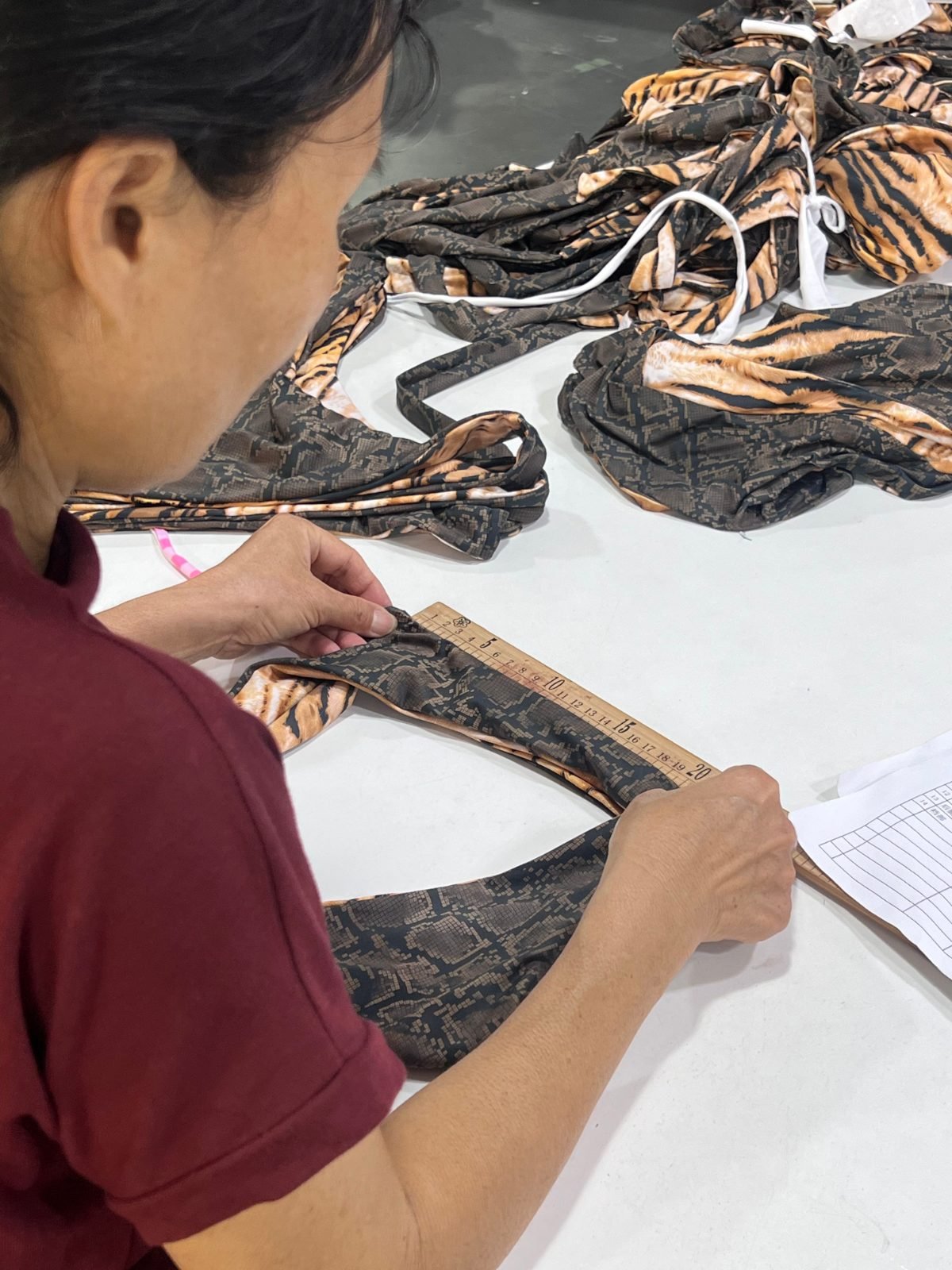
Role of Certifications. Certifications like OEKO-TEX and GRS are not just regulatory checks; they influence materials selection and manufacturing compliance at Joysportwear. Not communicating these needs upfront may result in a mismatch of production goals, causing additional correspondence as the supplier seeks to verify compliance with your standards.
Sustainability Goals Impact. Articulating your brand's sustainability goals is essential. If they are not clearly expressed, suppliers will need to ask further questions to determine if you require eco-friendly materials or specific waste reduction practices, thereby prolonging the quoting process.
Joysportwear addresses inquiries efficiently by anticipating these common challenges. By ensuring that crucial information is shared at the outset—such as detailed specifications, design intentions, and sustainability priorities—Joysportwear can deliver more precise and timely responses, reducing the usual back-and-forth in early buyer-supplier communications.
Checklist for Sustainable Swimwear Manufacturing Inquiries
Establishing a clear and comprehensive inquiry for sustainable swimwear manufacturing can streamline the supplier selection process and ensure your brand's values are met. Here's a checklist to guide your requests.
Fabric Specifications. Be explicit about the type of eco-friendly fabric you require. Probable options include recycled polyester or organic cotton blends. Specify the weight, stretch, and breathability attributes crucial to your design. For instance, if you're focusing on sporty swimwear, a higher elastane content may be necessary for greater flexibility.
Certifications. Include any certifications that are non-negotiable for your swimwear line, such as OEKO-TEX and GRS. These standards guarantee that the materials used meet stringent environmental and safety criteria, reassuring your eco-conscious customers.
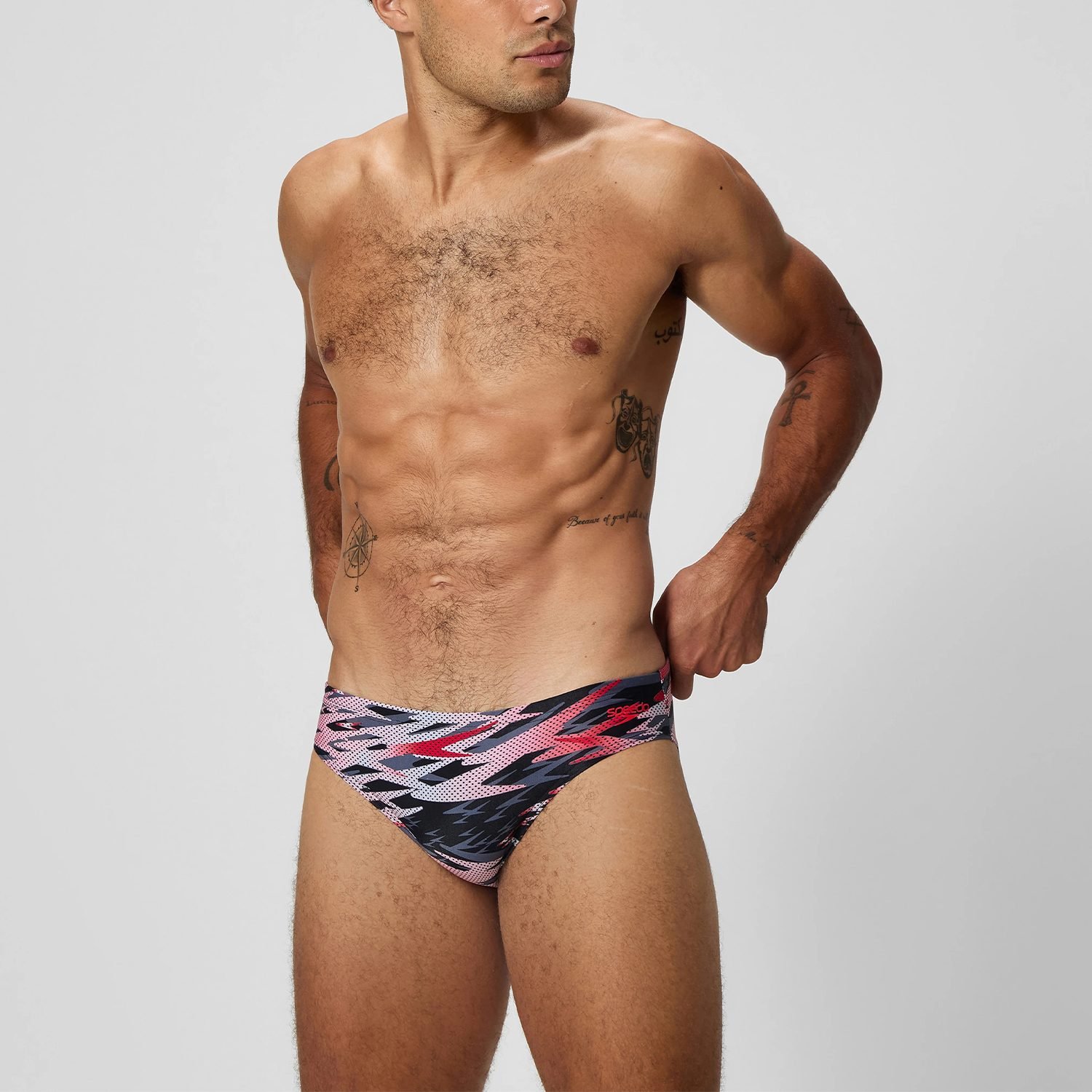
Design Details. Detail any unique design elements like underwire or bandeau features that might impact the manufacturing process. Precise specifications help avoid product development errors and lead to a smoother production cycle.
Sustainability Goals. Clearly state your brand's sustainability targets. Whether it's zero waste production or carbon-neutral practices, articulate these goals to align supplier practices with your brand ethos. This clarity will also facilitate adherence to these practices throughout the production.
Production Timeline. Acknowledge the importance of accurate timeline estimations. State your preferred timeline and inquire about potential lead times. Remember, production timelines can significantly affect manufacturing decisions and scheduling priorities.
Production Volumes. Acknowledge that volume plays a crucial role in pricing and resource allocation. Provide an expected order quantity to allow suppliers to calculate cost estimates effectively and allocate resources properly.
By addressing these key areas, your inquiries will be clearer, leading to faster, more reliable responses.
Items to Include in a Supplier Inquiry Checklist
| Fabric Specification | Certifications Required | Design Details | Sustainability Goals | Production Timeline |
|---|---|---|---|---|
| Recycled polyester blends | OEKO-TEX 100 & GRS | Underwire bikinis | Zero waste production | 12 weeks |
| Organic cotton blends | OEKO-TEX 100 | Bandeau styles | Carbon-neutral production | 8-10 weeks |
| High elastane content | GRS | String bikinis | Eco-friendly dye processes | 6-8 weeks |
| UV-resistant material | OEKO-TEX 100 & GRS | Triangle bikinis | Recycled packaging | 10-12 weeks |
| Breathable options | OEKO-TEX | Active swimwear | Renewable energy usage | Variable (based on order size) |
For more insights on sustainable swimwear practices, you can refer to the Guide to Sustainable Swimwear Manufacturing Practices.
How Each Checklist Item Changes the Quote
Detailed fabric specs. When you specify precise fabric details, such as the weight (measured in gsm), texture, and specific eco-certifications like OEKO-TEX or GRS, it helps anticipate material costs accurately. For instance, fabrics that are both recycled and certified often fetch a higher price, reflecting both the material quality and the certification process investment. This clarity aids suppliers in sourcing exact materials, setting expectation level for base costs right from the start.
Certifications compliance costs. Certifications serve as a quality assurance marker but can influence overall pricing due to compliance requirements. Industries aiming to maintain sustainable and eco-friendly standards often incur certification costs, which are eventually reflected in the invoice total. Suppliers will typically factor in costs for processes that meet standards like OEKO-TEX, ensuring product safety and environmental sustainability.
Design details impact. No two swimwear designs are the same, and intricate details such as stitching patterns, underwire designs, or custom printing can significantly alter labor costs. Each unique aspect of a design requires different levels of manual effort or specialized machinery, which can vary widely in cost. Clear, comprehensive design instructions allow suppliers to allocate labor resources efficiently, thus reducing unexpected expenses during production.
Sustainability goals. A buyer's sustainability objectives can heavily dictate material choice and, consequently, costs. Opting for fabrics that require low-impact dyes or sustainable production processes often increases the raw material costs, which is offset by lower environmental impact. Suppliers must meet these sustainability targets and are likely to adjust material sourcing strategies accordingly, leading to a more transparent cost setting.
Production timelines. Suppliers set lead time estimates based on production volume and complexity. Tight deadlines can necessitate expedited processes. Detailing production timelines allows suppliers to assess capacity and align schedules accordingly. Faster turnarounds often lead to higher costs due to increased process intensity and resource allocation, such as overtime wages and machine occupancy rate increases.
Each of these checklist items plays a crucial role in the quotation a buyer receives. Being specific and clear not only facilitates accurate costing but also paves the way for a transparent manufacturing partnership.
Example of a Comprehensive Inquiry
In constructing a comprehensive inquiry for sustainable swimwear manufacturing, imagine the case of a budding swimwear brand, EcoSplash. The brand aims to secure accurate quotes while maintaining a strong focus on sustainability.
The Filled Inquiry. EcoSplash begins by detailing the fabric requirements, specifying an OEKO-TEX certified recycled polyester. They ensure to include the fabric's GSM, colorfastness, and UV resistance needs. The inquiry details the designs for triangle bikinis, specifying a preference for intricate stitching and unique color patterns, while mentioning an average production volume of 3,000 units per month. EcoSplash also discusses sustainability targets, ensuring all materials align with GRS certifications.
Common Mistakes. Often, manufacturers receive vague requests like "We need eco-friendly swimwear," without addressing specific requirements like materials or certifications. Such omissions lead to quotes that either underestimate or neglect critical features, resulting in costly misunderstandings.
Without Checklist vs. With Checklist. When EcoSplash initially approached suppliers without this detailed checklist, responses ranged from delayed to entirely inaccurate, with many failing to meet their sustainability benchmarks. However, once they provided comprehensive information, quotes were precise, addressing material costs, timeline estimations, and compliance with international sustainability standards. This clarity not only boosted quote accuracy but also enhanced supplier confidence.
Streamlining Communication. With these specifics, the dialogue between EcoSplash and potential suppliers like Joysportwear becomes sharply focused. The checklist ensures each query is targeted, reducing unnecessary back-and-forth exchanges. Suppliers respond faster, aware of exact expectations and prepared to offer tailored solutions better matched to brand objectives.
By using a structured checklist, buyers like EcoSplash make informed decisions swiftly. There's less chance of oversight, and confidence grows on both sides of the transaction. This collaborative approach delineates expectations clearly, paving the way for smoother procurement processes.
What Happens After Sending Your Inquiry Checklist
When you send your completed inquiry checklist to Joysportwear, the response process is straightforward yet thorough, ensuring all specifics align with your swimwear project requirements. The initial advantage of using a detailed checklist is evident: it minimizes gaps, which are often the root cause of delayed responses. By specifying the necessary details upfront, including fabric type, certifications such as OEKO-TEX and GRS, and sustainability goals, Joysportwear can precisely assess your needs.
Prompt Supplier Response. Your checklist facilitates a quicker evaluation by Joysportwear's team, who typically analyze the specifications and match them against manufacturing capabilities. This organized presentation of information not only reduces the response time but also enhances the accuracy of feedback you receive — allowing for more reliable initial assessments.
Next Steps: Sample Trials. Once Joysportwear confirms the feasibility of manufacturing your design, the next logical step is sampling. Samples are critical in validating design execution, material feel, and fit. Reviewing these samples helps in identifying any necessary iterations before commencing mass production. This sample review stage is essential, as it allows both parties — you and Joysportwear's team — to refine the product, ensuring it aligns perfectly with brand standards and consumer expectations.
Revisions and Refinement. Should any element of the initial feedback surprise you, or if adjustments need to be made, this stage is where refinements happen. Efficient communication with the Joysportwear team is advised to swiftly address any concerns, ensuring the project stays aligned with your specifications.
Streamlined Communication. Through this detailed process, the goal is to sidestep unnecessary back-and-forth exchanges. The more information shared initially via the checklist, the fewer queries arise later — ensuring a smoother journey from inquiry to production. Embracing this approach, you transform potential delays into streamlined actions and clearer timelines. For more insights on selecting the right manufacturer, see Choosing the Right Custom Swimwear Manufacturer in China. This resource offers a comprehensive look into factors influencing supplier selection, further enhancing buying decisions and aligning with eco-friendly goals.
Making Your Swimwear Manufacturing Decision
A well-prepared inquiry is essential for fast quotes, enabling your brand to align with sustainability goals more effectively. Sharing comprehensive specifications not only speeds up supplier responses but also ensures that every step adheres to eco-friendly practices. Use our checklist to streamline your manufacturing inquiries, promoting faster and more reliable dialogues with suppliers. Joysportwear is well-positioned to deliver on these eco-friendly swimwear manufacturing needs, helping your brand achieve its sustainable targets. Make thoughtful, informed decisions to inspire the confidence and innovation that sustain long-term success in the market.
FAQ: Efficient Procurement of Sustainable Swimwear
What certifications should my supplier have for sustainable swimwear?
Certifications like OEKO-TEX and GRS validate material safety and recycled content, contributing to eco-friendly practices. These certifications make your products appeal to environmentally conscious consumers.
How can I ensure accurate quotes from swimwear manufacturers?
Provide detailed information such as fabric specs, design details, and sustainability goals. A comprehensive inquiry minimizes miscommunications, ensuring the manufacturer understands the project's scope.
How do design details affect the quote from a manufacturer?
Design elements like stitching, patterns, and embellishments can affect labor and production costs. Clearly specifying these details in your inquiry helps ensure an accurate quote.
What should I do if I receive an inaccurate quote?
Review your initial inquiry to check for missing details. If provided correctly, communicate with your supplier for clarification and adjust the inquiry as needed to align expectations and costs.