Many buyers believe that all swimwear manufacturers in China offer the same services and quality. This assumption can lead to substantial mistakes in supplier selection. In reality, the capabilities, material quality, and sustainable practices vary significantly among different manufacturers. A factory like Joysportwear, for instance, specializes in eco-friendly manufacturing with certified materials, meeting OEKO-TEX standards. In contrast, other factories might prioritize low-cost production at the expense of quality. Understanding these differences can save time and reduce risks in your supply chain. Distinguishing credible manufacturers by their certifications, experience in custom designs, and commitment to sustainable practices can lead to more reliable partnerships. Misconceptions around uniformity in Chinese manufacturing often arise from outdated notions or broad stereotypes. In this article, we dissect these myths and provide factual insights into what makes each swimwear manufacturer unique.
The Belief in Uniformity
The misconception that all swimwear manufacturers in China offer identical services is a pervasive one. Many buyers perceive these factories as uniform entities, producing similar products with indistinguishable quality standards. This belief often stems from outdated perceptions formed during earlier decades when the manufacturing landscape was less diverse and primarily cost-driven. At that time, many factories operated with similar frameworks, focusing heavily on large-volume, low-cost production.
China's reputation in global manufacturing during the 1980s and 1990s largely hinged on its ability to deliver mass-produced goods at competitive prices, fostering an image of homogeneity among suppliers. Such a backdrop contributed to the stereotype that Chinese manufacturers prioritize quantity over quality, with little regard for customization or innovation. These views, rooted in past industry practices, still influence perceptions today, despite significant advancements.
Breaking these myths is vital for brands seeking to make informed sourcing decisions. Today, the Chinese swimwear manufacturing industry is incredibly diverse, boasting factories that vary significantly in terms of capabilities, quality standards, and specialization. While some manufacturers still cater to low-cost production, an increasing number have embraced high-quality materials and specialized services.
Understanding this diversity is essential. By probing deeper into what each manufacturer offers, buyers can find partners that align with their specific needs and goals. Not all manufacturers offer the same level of expertise in customization, nor do they all utilize the same eco-friendly materials or innovative technologies. For example, Joysportwear distinguishes itself through its commitment to sustainability and high customization, as highlighted in their How to Spot a Quality Custom Swimwear Manufacturer in China.
Recognizing the need to evaluate manufacturers on individual merits rather than blanket stereotypes empowers buyers. It allows them to leverage diverse options for strategic advantages in design, material choice, and brand differentiation. Breaking free from generalized beliefs enables buyers to better navigate the complexities of sourcing, ultimately leading to more strategic partnerships and successful product offerings.
By addressing these inaccuracies and embracing the range of services available, brands can significantly enhance their sourcing strategies. This approach not only aids in selecting a manufacturer that aligns with the brand's vision but also fosters long-term partnerships built on mutual understanding and shared goals.
Quality Standards Vary Significantly
Quality standards in Chinese swimwear manufacturing vary broadly, with some factories meeting high benchmarks like OEKO-TEX and GRS certifications. These are crucial for ensuring product safety and eco-friendliness — key factors for international buyers focused on sustainable and safe practices. OEKO-TEX certification ensures that no harmful substances are used throughout the production process, a critical factor given the potential skin exposure from swimwear. GRS certification provides assurance of recycled material use and sustainable practices.
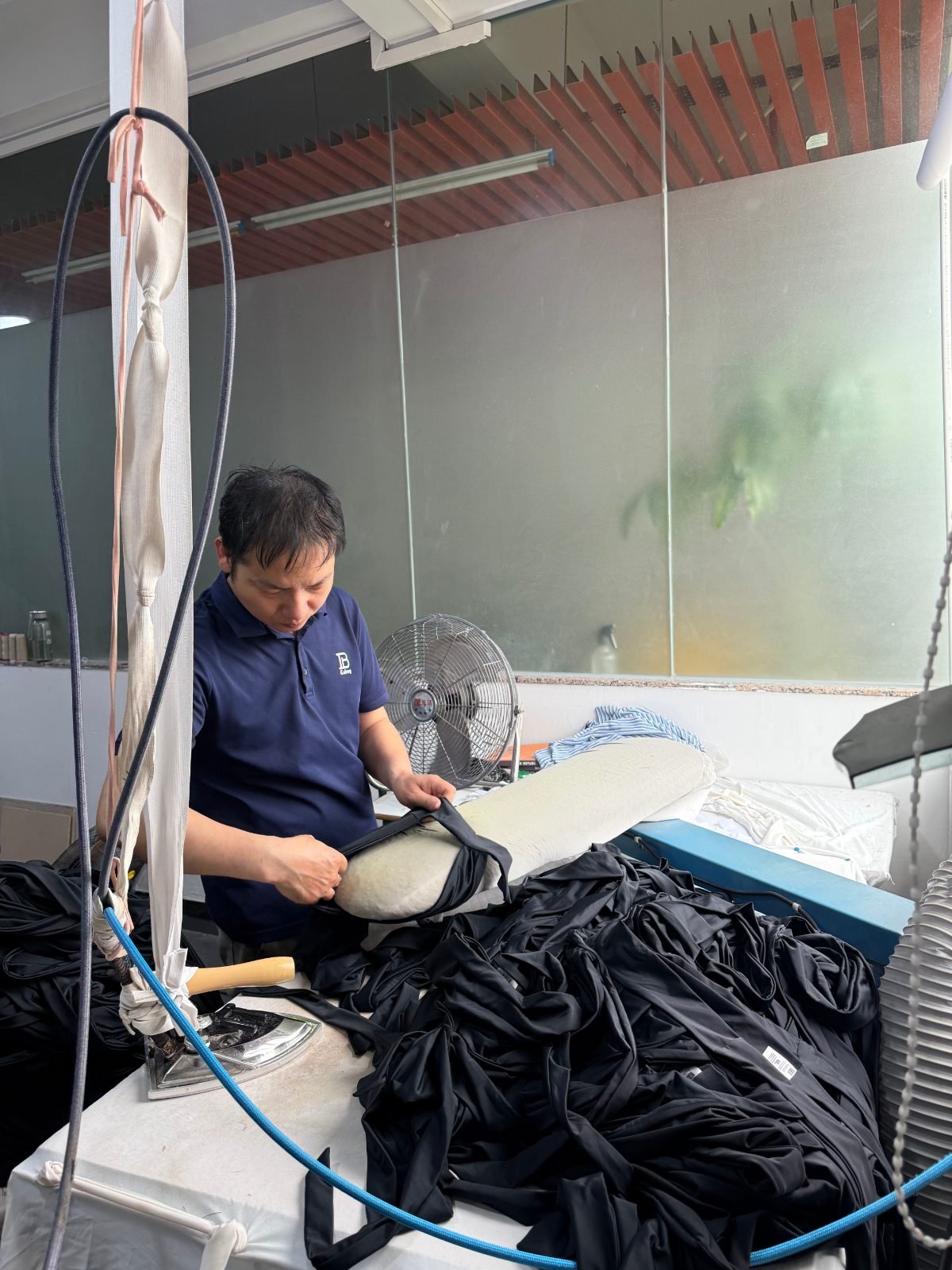
The impact of these varying quality standards can be profound. For instance, a swimwear piece produced by a factory with rigorous quality controls may exhibit superior durability, maintaining color and elasticity better over time. In contrast, products from factories with lower standards may fade or wear out more quickly under chlorine exposure or sunlight, potentially leading to customer dissatisfaction and increased return rates. This variability starkly contrasts the misconception that all manufacturers provide an identical level of quality.
It is imperative for buyers to verify quality standards before committing to a supplier. Visiting factories, requesting certification documentation, and checking past production records can help ensure alignment with brand requirements. For instance, reviewing Choosing the Right Swimwear Manufacturer in China provides guidance on assessing these standards effectively.
Certifications like OEKO-TEX and GRS play a critical role in ensuring consistent quality. Although these certifications do not guarantee perfection, they are indicators of a factory's commitment to maintaining environmentally friendly and consumer-safe manufacturing processes. Without such standards, factories may use cheaper alternatives that compromise quality and safety, impacting brand reputation adversely.
Comparison of Quality Standards in Chinese Swimwear Factories
| Factory Name | OEKO-TEX Certified | GRS Certified | Common Issues |
|---|---|---|---|
| Joy Swimwear Co. | Yes | Yes | Minimal shrinkage and color fade |
| Shanghai Textiles | Yes | No | Moderate color fade in sunlight |
| Zhangjiagang Fabrics | No | Yes | Durability issues |
| Xinping Swim Apparel | No | No | High return rates for defects |
| Eco-Fit Manufacturing | Yes | Yes | Occasional stitching issues |
As seen in the table, the disparity in certifications directly correlates with common issues faced in production. Those with dual certifications like Joy Swimwear Co. maintain higher standards, reducing common defects significantly over time.
Not All Manufacturers Offer Customization
Not every swimwear manufacturer in China provides the same level of customization. Understanding the differences in capabilities can be a game-changer for brands seeking unique swimwear designs that stand out in a crowded market. Some manufacturers only offer standard OEM (Original Equipment Manufacturer) services, limiting options to pre-defined designs and colors. In contrast, others, like Joysportwear, excel in pushing the boundaries with both OEM and ODM (Original Design Manufacturer) services, enabling brands to create distinct and tailor-made collections.
Differentiation in OEM and ODM Services
OEM services generally involve rebranding existing products—a less flexible approach that doesn't allow much room for brand-specific features. On the other hand, ODM services offer more latitude. Manufacturers providing ODM services collaborate closely with their clients from the concept phase, often involving custom patterns, fabrics, and technical specifications. This means that brands can craft swimwear aligned with their unique identity. When seeking manufacturers, ensure they offer a collaborative design and production process to ensure each piece reflects the brand's essence.
Customization's Impact on Brand Identity
Customization significantly impacts a brand's identity and market positioning. By engaging deeply with manufacturers capable of extensive customization, brands can easily introduce innovative design elements, select sustainable materials, and define the fit and function of each piece uniquely. This approach boosts a brand's recognition and appeal in competitive markets. When working with manufacturers, consider how customization options can help create exclusive lines that resonate with targeted demographics.
Joysportwear's Success Stories
When looking to differentiate, it's important to partner with manufacturers who offer choices from a wide array of elements like fabrics, colors, patterns, and embellishments. These tailored capabilities are crucial for brands aiming for strong market differentiation, allowing them to thrive amid changing trends. For further insights into customization, see Myths and Facts about Custom Swimwear Manufacturing in China.
In summary, the ability to customize swimwear is not universally provided by all Chinese manufacturers, and those focusing on flexibility and collaboration, like Joysportwear, significantly contribute to defining and enhancing brand identity. By partnering with manufacturers that offer comprehensive ODM services, brands can more effectively cement their presence in their particular niche.
Material and Design Innovation Varies
The variety of materials used by swimwear manufacturers in China spans a wide spectrum, influencing not only the cost but also the sustainability and performance of the final product. Each manufacturer may choose different fabric compositions to cater to specific market demands. For instance, while some companies focus on cost efficiency utilizing basic synthetic blends, others push the boundaries of innovation by incorporating advanced materials like recycled polyester and Lycra spandex. This can drastically affect the durability, feel, and environmental impact of swimwear.
Joysportwear stands out in this domain by prioritizing eco-friendly fabrics without compromising on quality. Their commitment involves sourcing materials that are both OEKO-TEX and GRS certified, ensuring that the textiles are free from harmful substances and are derived from sustainable processes. This move not only aligns with ecological considerations but also enhances brand reputation in markets increasingly focused on green practices. To delve deeper into Joysportwear’s eco-friendly practices, see Myth vs. Fact: Eco-Friendly Swimwear Manufacturing in China.
Material choice has a direct impact on the distinctive designs manufacturers offer. Leading factories go beyond traditional cuts and styles, employing fabrics that allow for innovative features like chlorine resistance, UV protection, and improved stretch recovery. Such characteristics are crucial for adding functional value, ensuring comfort, and extending the lifespan of swimwear products.
Examples of advanced design capabilities among top-tier manufacturers include seamless sewing technology and 3D body mapping techniques, which result in swimwear that fits more naturally and comfortably. Innovative designs like these not only enhance wearability but can dramatically influence consumer preferences and brand standing within competitive fashion landscapes.
Material selection and design innovation thus shape the brand identity significantly, affecting everything from market perception to sales performance. Brands that embrace innovative materials often see dividends not only in their product lifetime but also in consumer loyalty and environmental responsibility.
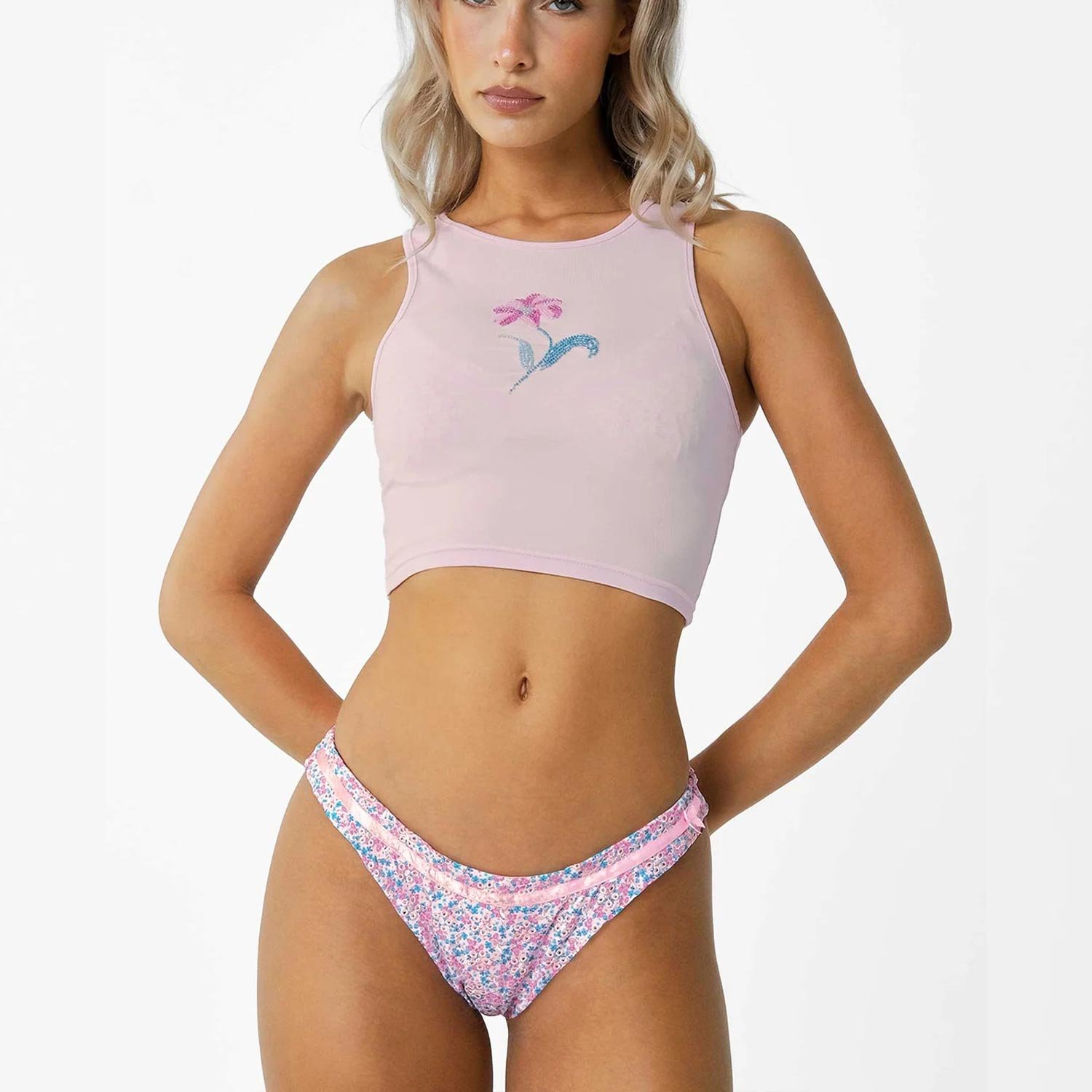
This range of options illustrates why material innovation in the swimwear industry is more than just a trend; it's a crucial differentiator in the market. Understanding these variances allows brands like Joysportwear to choose materials that best embody their ideals and appeal to a conscientious client base.
Environmental Practices Are Not Universal
Sustainable practices in Chinese swimwear manufacturing differ dramatically, contrary to the misconception that eco-conscious methods are standard across the industry. Some manufacturers implement comprehensive environmental initiatives, while others fall short. The Global Recycled Standard (GRS) certification is a critical marker for distinguishing eco-friendly factories like Joysportwear from less sustainable counterparts. GRS certification ensures accurate labeling of recycled materials, confirms the recycled material content, and maintains the chain of custody. This distinction is crucial as it directly influences brand perception and customer loyalty.
Consumers increasingly demand environmentally responsible products, and brands that align with these values can leverage this trend to strengthen their market position. Joysportwear, certified by GRS, adopts a holistic approach towards sustainability. This encompasses sourcing eco-friendly materials, such as recycled polyester and nylon, and encourages buyers to inquire about reducing production waste and optimizing energy use with their suppliers.
| Factory Name | GRS Certified | Eco-Friendly Materials | Sustainable Processes |
|---|---|---|---|
| Joysportwear | Yes | Recycled materials | Energy-efficient production |
| Factory A | No | Conventional fabrics | Standard waste management |
| Factory B | Yes | Limited recycled use | Partial energy-saving technologies |
| Factory C | No | Organic cotton only | No special sustainability measures |
| Factory D | No | None | Basic compliance only |
Joysportwear's commitment to sustainable practices enhances its brand value significantly. By integrating eco-friendly processes throughout its operations, the company not only aligns with global environmental trends, but it also positions itself favorably in a competitive market. Brand value is increasingly linked to environmental responsibility, with more consumers willing to support brands that demonstrate genuine eco-friendly commitments.
Consumers' trust in Joysportwear is reinforced by their transparent practices, underscoring the necessity for brands to verify manufacturers' claims of sustainability rigorously. For more insights into sustainable swimwear manufacturing practices, visit Myth vs. Fact: Eco-Friendly Swimwear Manufacturing in China.
In conclusion, the disparity in environmental practices among Chinese swimwear manufacturers can impact a brand's perceived value and positioning. It is crucial for brands to evaluate and confirm the sustainability practices of manufacturers diligently.
Capacity and Lead Time Differences
The scale of a factory can dramatically influence its production timelines. For instance, larger factories often boast significant monthly capacities, sometimes pushing towards 50,000 units, which can lead to shorter lead times if managed efficiently. Conversely, smaller manufacturers might only handle tens of thousands or fewer units per month, extending timelines due to limited resources.
Effects of Scale on Timelines
The size and capacity of a factory directly affect how quickly orders can be turned around. Large-scale operations tend to have more machinery and workforce, enabling them to switch between projects with minimal downtime. For example, a large factory might have state-of-the-art automated equipment, reducing human resource bottlenecks and speeding up processes like cutting and sewing.
In contrast, smaller factories, though sometimes more adaptive to custom requests, may face challenges with scaling production quickly. This is particularly relevant for swimwear brands aiming for a fast market entry, where time is often of the essence.
Managing Lead Time Expectations
Understanding lead time variances is critical when launching a new swimwear line. Brands must carefully plan around these timelines to avoid disappointing launch delays. Engaging with a supplier to inquire about their capacity and potential choke points in the production process is advisable. It is also beneficial to ask suppliers about the possibility of rush order capabilities, which can cut standard lead times significantly, though often at a higher cost.
Factory Relationships and Communication
Building strong relationships with manufacturers can also help manage expectations. Open communication regarding production schedules allows for a better grasp of potential delays. This proactive approach ensures that surprises in production timelines are minimized, enabling brands to align their marketing and sales strategies confidently.
Factory Capacity and Lead Time Variations
| Factory Name | Monthly Capacity | Typical Lead Time | Rush Order Capability |
|---|---|---|---|
| Factory A | 50,000 units | 4-6 weeks | Available |
| Factory B | 10,000 units | 8-10 weeks | Limited |
| Factory C | 30,000 units | 5-7 weeks | Yes, with surcharge |
| Factory D | 15,000 units | 6-8 weeks | Negotiable |
| Factory E | 20,000 units | 7-9 weeks | Available |
Factory capacity and lead times can greatly impact a brand's ability to meet market demand swiftly, highlighting the significance of selecting the right manufacturing partner.
What to Verify Instead of Assuming
When sourcing swimwear from China, verifying a manufacturer's capability is crucial. The checklist begins with confirming certifications like OEKO-TEX (ensuring textiles are free from harmful substances) and GRS (Global Recycled Standard for sustainable materials). These certifications reflect a commitment to quality and sustainability, setting reputable manufacturers apart. Manufacturers meeting these standards typically ensure better product performance and safety, an essential reassurance for any brand.
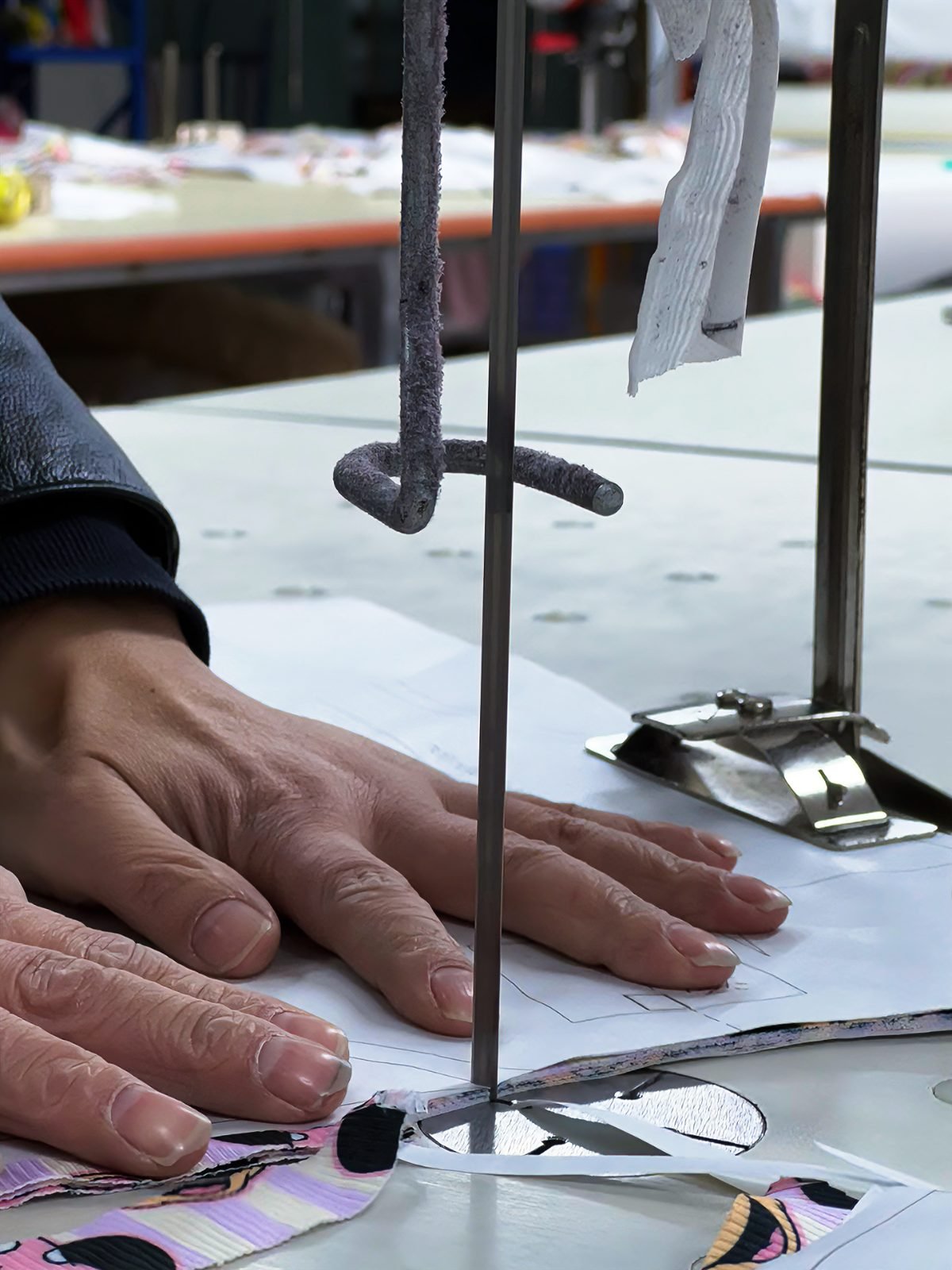
Before contracting with a manufacturer, factory visits are highly recommended. Visiting a facility allows you to inspect the production environment, assess the machinery's age and maintenance state, and observe the workforce. A well-organized, clean factory with modern equipment often signals a reliable partner. Visits also create an opportunity to discuss processes directly on-site, enabling a clearer understanding of the workflow and control measures in place.
Key questions to ask potential suppliers include: "What is your minimum order quantity (MOQ)? What customization options are available for materials and designs? Is there flexibility in production scheduling?" The answers reveal the factory's ability to meet your brand’s specific needs and whether it can adapt to changing requirements.
Indicators of a trustworthy manufacturer include transparent communication, which is invaluable for building partnerships. Whether through email or video calls, how promptly and clearly a supplier communicates can indicate their organizational culture and reliability. Also, consider their responsiveness during negotiations or problem-solving discussions as a gauge of operational maturity.
The importance of thorough vetting processes cannot be overstated. Verify past client reviews and ask for references to understand the manufacturer's history. Investigate their past performance to ensure consistency and reliability. This diligence helps avoid common pitfalls and ensures that you align with a supplier whose goals and quality metrics match your own.
In essence, a comprehensive approach to verifying a supplier involves scrutinizing a blend of certifiable standards and intangible indicators like communication and responsiveness. By ensuring these elements, brands can form partnerships with manufacturers that support sustainable growth and innovation.
Concluding Thoughts: Making Informed Choices
In choosing a swimwear manufacturer, the differentiators among Chinese suppliers are vast—ranging from customization capabilities to sustainability practices. Diligence in supplier research is critical, as these elements influence product quality and brand identity. Joysportwear stands out with its commitment to customization and eco-friendly materials, providing competitive advantages. By verifying information and remaining wise in choices, buyers better position themselves for successful partnerships that align with their brand goals.
FAQ: Evaluating Swimwear Manufacturers in China
How can I ensure a Chinese manufacturer meets quality standards?
To ensure a Chinese manufacturer meets quality standards, verify that they have certifications like OEKO-TEX and GRS. Request samples and check their previous work. Conduct factory audits and reviews where possible to assess their production capabilities.
What differentiates Joysportwear from other swimwear manufacturers?
Joysportwear stands out due to its focus on eco-friendly materials and customization capabilities. It holds certifications like OEKO-TEX and GRS, ensuring sustainability regarding materials and environmental impact. The company offers tailored ODM and OEM services, enabling brands to create distinctive swimwear collections.