
"What's the difference between all these types of swimwear, and which ones should my brand focus on?" International fashion brands face this question as they navigate the diverse landscape of swimwear offerings. With an ever-growing list spanning bikinis, one-piece swimsuits, cover-ups, sporty options, and more, choosing the right mix is crucial for market success. Brands must weigh factors such as target customer, regional preferences, and intended use. For example, bikinis often cater to trend-focused demographics, while one-piece swimsuits appeal to performance-driven markets. Understanding material standards and sustainable practices is also critical. Joysportwear, renowned for its eco-friendly initiatives and versatile manufacturing capabilities, guides brands in making informed decisions. This comprehensive guide will help you dissect these swimwear types, recognize their unique benefits, and align them with your brand's vision.
What are the main types of swimwear for fashion brands?
Fashion brands recognize that swimwear is more than just summer apparel; it's a reflection of lifestyle, identity, and targeted consumer demographics. Each swimwear type—whether a bikini, one-piece swimsuit, tankini, or monokini—carries distinct design features and appeals to different segments of the market.
Bikinis
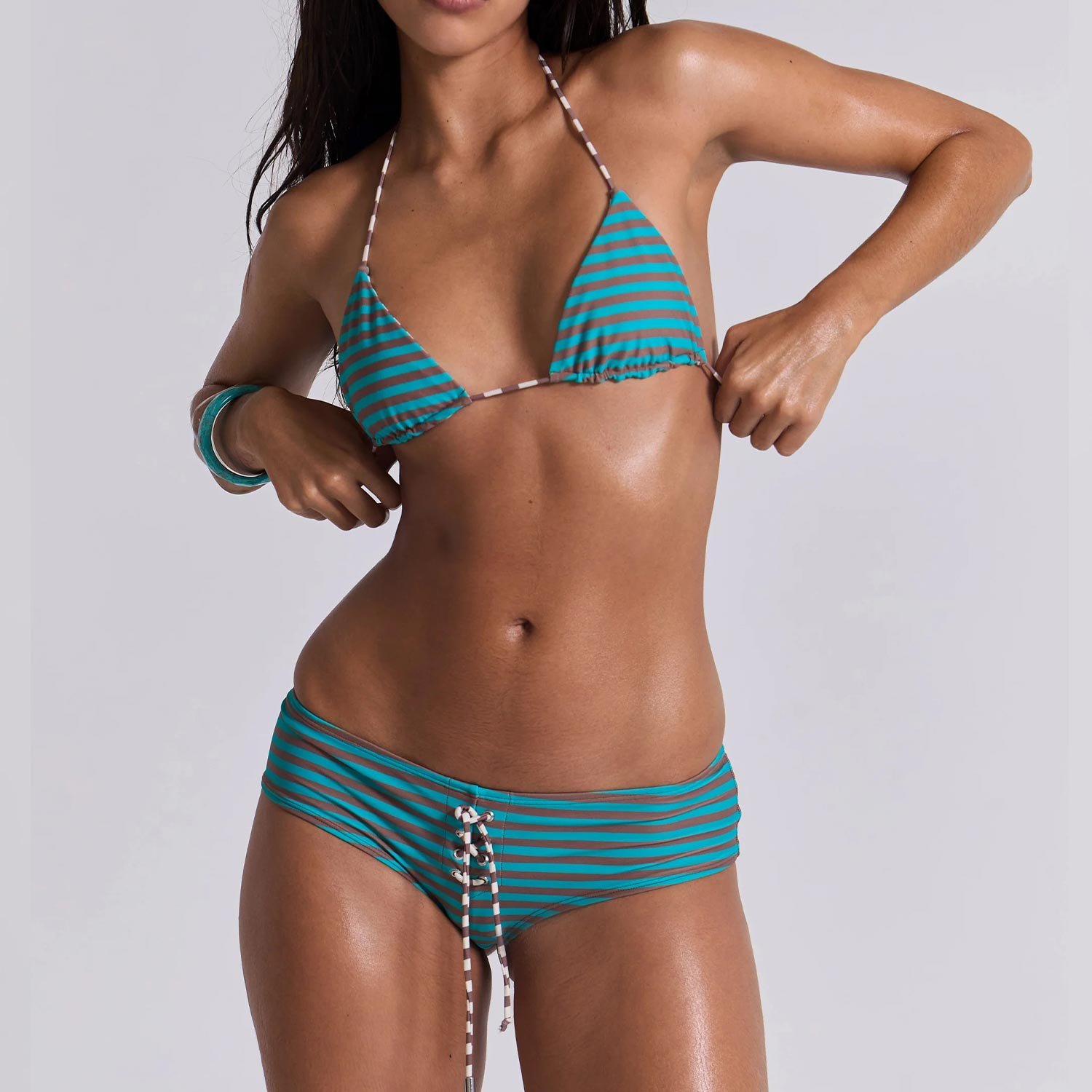
Bikinis are a staple in swimwear collections, crafted to exude both style and versatility. They are favored for their minimalistic design, providing ample opportunity for creative prints and vibrant colors. Bikinis often target younger demographics and fashion-forward consumers looking for bold statements or functional wear for active beach sports. They're flexible in design elements, ranging from string bikinis with narrow ties to bandeau styles.
One-Piece Swimsuits
One-piece swimsuits are synonymous with elegance and modesty, typically sought after by consumers prioritizing comfort and coverage without sacrificing style. Key features include support through integrated control panels and strategic cuts around the waist and bust. Targeting a broad demographic, they are especially favored by those looking to transition seamlessly from the pool to casual outdoor settings.
Tankinis
Similar in ease to bikinis but offering more coverage, tankinis combine the look of a tank top with bikini bottoms. This type suits consumers who want the flexibility of a two-piece with the coverage of a one-piece. It's a popular choice among body-conscious individuals and family-focused audiences prioritizing comfort and versatility in resort settings.
Monokinis
Monokinis blur the line between bikinis and one-piece swimsuits with their cut-out designs that offer a blend of allure and sophistication. These swimsuits target younger consumers and those looking to make a fashion statement. Design features often include deep plunges, asymmetrical cuts, and bold patterns.
Swimwear Types and Target Demographics
| Type | Target Demographic | Design Features |
|---|---|---|
| Bikinis | Young fashion-forward consumers | Minimalistic, versatile, vibrant prints |
| One-Piece Swimsuits | Broad demographic, elegance-focused | Elegant, modest, supportive |
| Tankinis | Comfort-driven, family-focused | Tank-top style, more coverage, versatile |
| Monokinis | Stylish, young consumers | Cut-out designs, bold patterns, asymmetrical cuts |

Choosing the right swimwear type involves aligning the product with the brand’s identity and understanding consumer needs. Brands that hone in on specific consumer demands can better tailor their swimwear lines to achieve market success.
How do material choices impact swimwear performance?
Material choices are pivotal in determining swimwear's performance attributes like stretchability, breathability, and durability. Nylon-spandex blends, commonly weighing around 180-200 g/m², are favored for their superior stretch and significant return power, maintaining fit and function after frequent use. According to ASTM D3994-22, these fabrics sustain over 95% shape recovery, crucial for swimwear meant for active sports or consistent use.
Recycled polyester, coupled with eco-friendly fabrics, is another popular choice. These materials underscore sustainability trends, yet they offer practical benefits such as quick drying and resistance to chlorine. Durability is enhanced as recycled polyester can withstand 3% or less shrinkage after multiple washes, per ISO 6330 standards.
Stretchability, or a fabric's ability to flex without losing shape, is critical. Nylon-spandex and similar blends provide the elasticity necessary for comfort and mobility. Combining stretch with breathability ensures wearability; a well-ventilated fabric improves comfort by allowing moisture to escape, a key factor in consumer satisfaction.
Durability, measured by resistance to pilling and chlorine, is influenced by fabric structure and finish. The ISO 12945 series illustrates pilling resistance, with industry-standard tests confirming minimal surface wear even after thousands of cycles. Chlorine resistance, often certified by colorfastness grades of 4 or higher per AATCC 162, prevents fading—essential for preserving the intended hue and visual appeal.
Fabric certifications like OEKO-TEX and GRS play a crucial role. OEKO-TEX assures buyers of limited harmful substances used in manufacturing, aligning with consumer safety expectations. Meanwhile, the Global Recycled Standard (GRS) confirms the use of recycled content and responsible production practices.
Brands aiming for environmentally responsible swimwear can benefit from these high standards. To ensure sustainability alongside durability and style, buyers should inquire about these certifications and protocols when choosing a supplier. For a deeper dive into eco-friendly swimsuits, consult our page on Sustainable Fabrics in Swimwear: What Brands Need to Know.
In selecting materials, balance is vital: combining robust performance properties with sustainable benefits can elevate a brand’s offerings in both form and environmental responsibility.
How do regional preferences influence swimwear selection?
Regional preferences significantly influence swimwear selection, altering both design and marketing strategies. For instance, the style of swimwear favored in Europe might differ greatly from that in Australia, driven by cultural nuances and lifestyle differences. In Europe, classic one-piece swimsuits often dominate due to their elegant appeal, while in Australia, bikinis are especially popular because of the active beach culture.
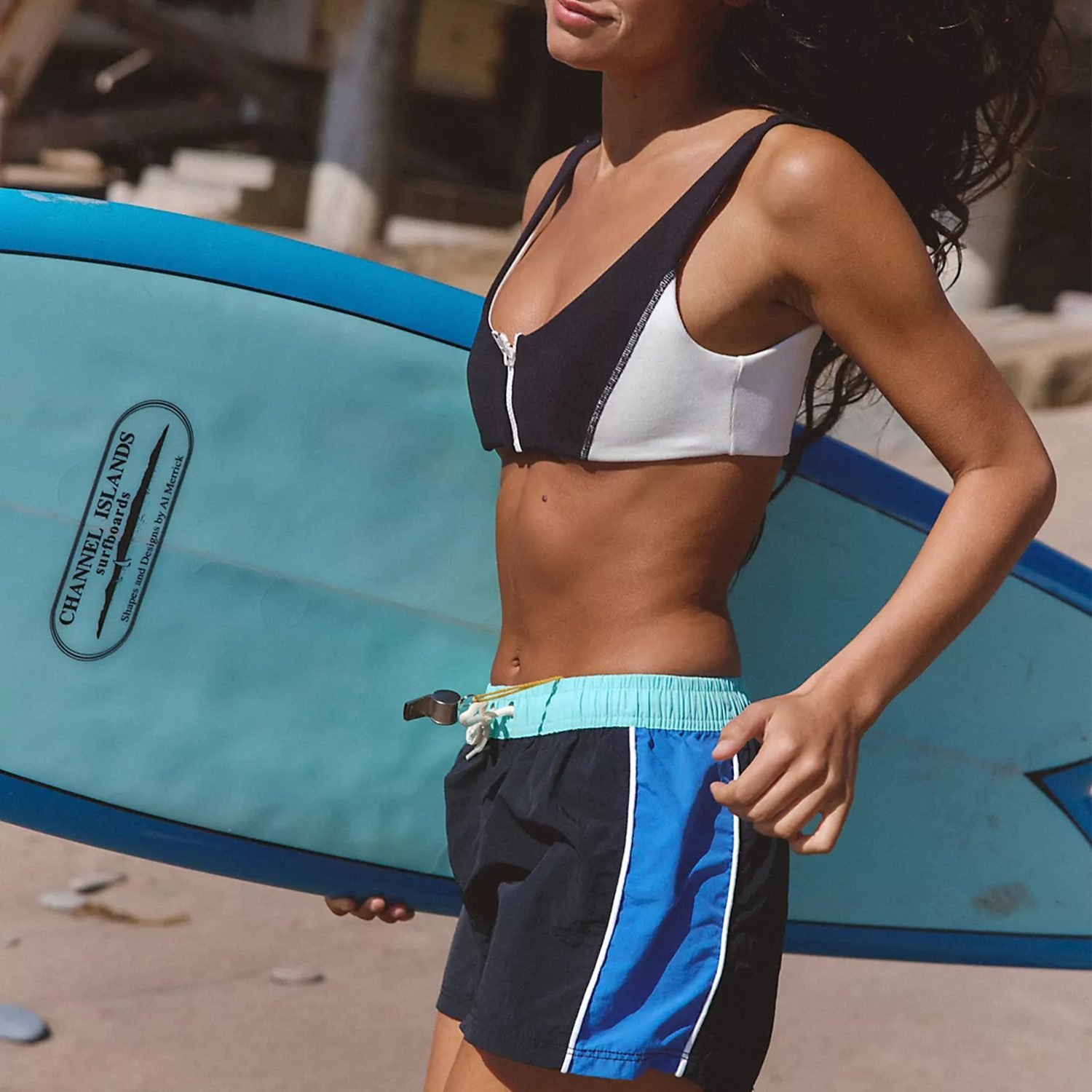
Cultural factors play a crucial role in shaping these preferences. For instance, in some Middle Eastern countries where modesty in attire is often prioritized, full-coverage swimwear like burkinis is prevalent. Conversely, in the United States, diverse styles including bikinis and sporty swimwear types flourish owing to a blend of diverse cultural influences and liberal attitudes toward beachwear fashion.
Climate conditions also dictate swimwear preferences. Regions with warmer climates tend to prefer lighter, less covering swimwear that promotes comfort in heat. Tropical locations often see a higher demand for colorful and vibrant patterns that reflect the lively environment. In contrast, regions with cooler beach climates may favor more conservative styles or heavier fabrics that provide additional warmth and protection against harsh weather conditions.
Regional Swimwear Preferences and Influences
| Region | Popular Swimwear Type | Cultural Influence |
|---|---|---|
| Europe | One-piece swimsuits | Elegance and modesty in fashion |
| Australia | Bikinis | Active beach lifestyles |
| Middle East | Burkinis | Emphasis on modesty |
| United States | Mixed (Bikinis, sport) | Diverse culture influences and liberal beachwear traditions |
| South America | Micro bikinis | Celebration of vibrant and bold fashion statements |
Design collections also need to be tailored according to these regional lifestyles and climate requirements. A fashion brand aiming to capture a broader international market cannot rely on a single collection to appeal globally but must adapt styles per region. This involves placing emphasis on fabrics that perform well under regional conditions and adjusting design features to meet cultural expectations.
By understanding and accounting for these regional variations, brands can effectively tailor their swimwear collections to resonate with diverse consumer bases worldwide, enhancing market reach and consumer satisfaction.
What is the significance of sustainable practices in swimwear manufacturing?
Sustainability in swimwear manufacturing isn't just a buzzword—it's rapidly becoming a crucial factor for both brands and consumers. Fashion-forward buyers are increasingly aware of the environmental impact of their purchasing choices. For swimwear, this means that adopting eco-friendly practices is not only a responsible move but also a strategic one.
Eco-Friendly Materials and Processes
The significance of sustainable practices begins with material choice. Swimwear often relies on resilient and high-performance fabrics, such as nylon-spandex and polyester. However, incorporating recycled variants of these materials can significantly reduce the environmental footprint. For instance, recycled polyester, sourced from post-consumer PET bottles, cuts energy consumption by approximately 45%. This choice not only conserves resources but also lessens ocean plastic pollution.
On the production front, sustainable processes may involve reducing water usage, utilizing renewable energy, and minimizing waste through efficient manufacturing techniques. Buyers should inquire about their supplier's investments in eco-friendly systems, such as dyeing systems and recycling programs, to ensure waste reduction without compromising on product quality.
Consumer Impact and Brand Value
The environmental responsibility of a brand significantly influences consumer purchasing decisions. Today's savvy shoppers prefer brands that demonstrate genuine commitment to sustainability. According to recent studies, over 50% of consumers are willing to pay more for eco-friendly swimwear, illustrating its impact on brand loyalty and marketability. Companies that prioritize sustainability not only nurture trust but also enhance their brand value.
Joysportwear's Commitment to Sustainability
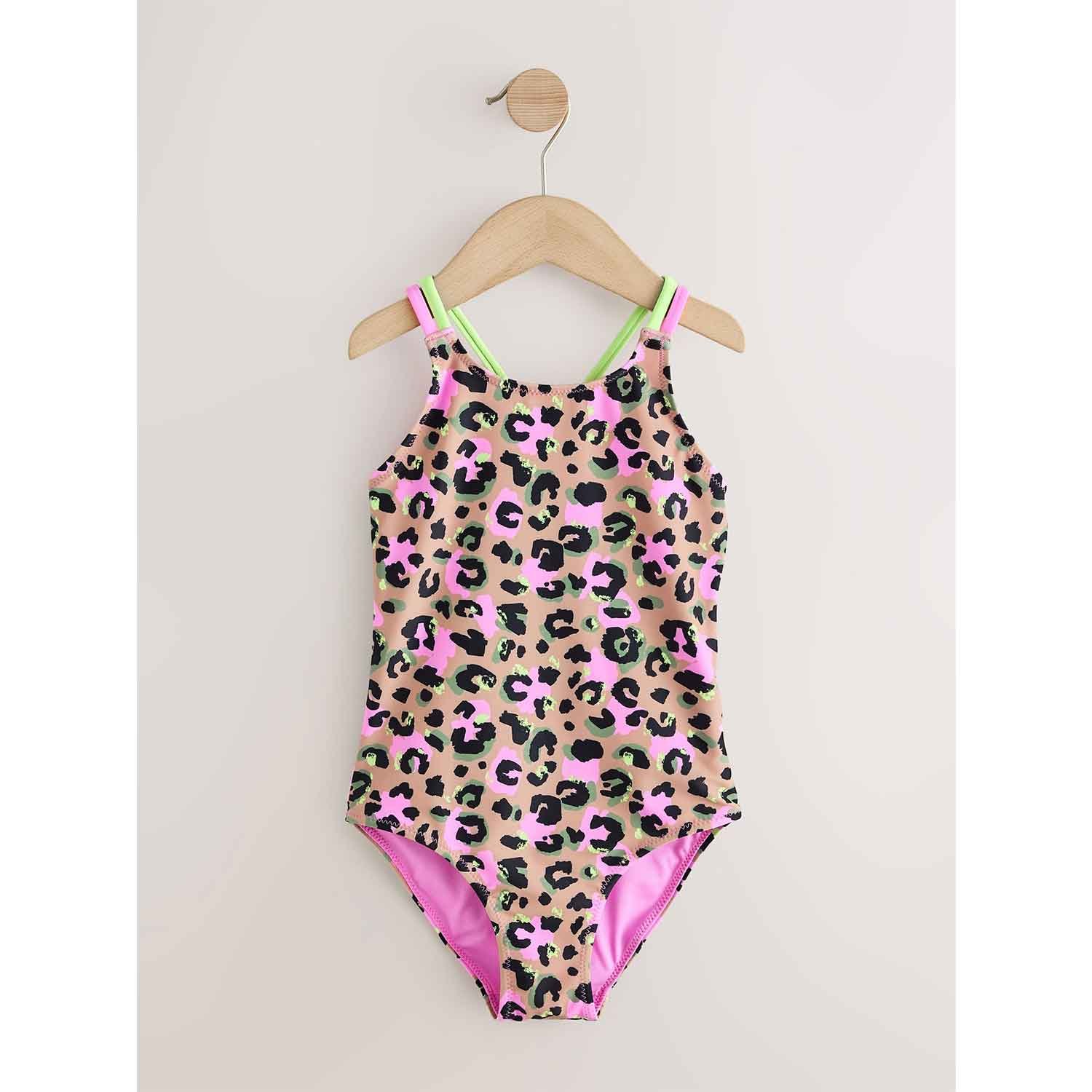
Joysportwear is focused on sustainability, emphasizing eco-friendly fabric sourcing and production to ensure that its products meet both high performance standards and environmental criteria. Notably, Joysportwear's Eco-Conscious Kids' Swimwear line exemplifies this commitment, delivering style and function without compromising ecological responsibility.
Sustainability is woven into the very fabric of operations—literally and figuratively—highlighting how responsible manufacturing and commercial success can coexist.
Incorporating these sustainable practices not only aligns with consumer values but also sets a precedent for the future of swimwear manufacturing. By doing so, Joysportwear places itself at the forefront of environmentally conscious design in the global market.
How does swimwear fit and support impact consumer choices?
The fit and support of swimwear are pivotal aspects that greatly influence consumer choices, as they directly affect the wearer's comfort and confidence. Design elements such as underwire support, adjustable straps, and enhanced size inclusivity play crucial roles in providing the support needed for different body types. Swimsuits with built-in underwires, for example, offer enhanced bust support and shaping, making them particularly popular among customers seeking both style and functionality in their swimwear.
Underwire Support and Adjustable Features
Underwire support is especially valued for its ability to provide a more contoured and secure fit, which is essential for maintaining the shape and support often sought after in swimsuits like bikinis and one-piece suits. Adjustable features, such as straps and bands, are equally important as they allow consumers to customize the fit according to their unique body shape. This adjustability not only enhances comfort but also extends the garment’s wearability across various activities, from lounging by the pool to engaging in active water sports.
Importance of Size Inclusivity
In today's market, size inclusivity is not just a trend but a necessity. Brands that offer a wide range of sizes demonstrate a commitment to catering to all consumers, making their products accessible to a diverse clientele. This inclusivity significantly influences brand loyalty, as consumers often return to brands that consistently provide garments suitable for their body type. The challenge, however, lies in designing swimwear that can accommodate a range of sizes without compromising on fit and support. This involves carefully selecting stretch fabrics and integrating design elements that allow for maximum adjustability and resilience.
Designing for Different Body Types
To effectively design supportive swimwear for various body types, brands must consider the unique needs of their target demographic. For instance, offering high-waisted bikini bottoms can cater to consumers who seek more coverage and support. Similarly, swimsuits designed with ruching or strategic seam placement can enhance curves or disguise areas the wearer may feel less confident about. When designing your swimwear line, ensure that the designs meet the varied expectations and support needs of your target audience by considering these nuanced factors, fostering wearer satisfaction and potential repeat business.
What should brands consider when introducing new swimwear lines?
Introducing new swimwear lines requires fashion brands to delve into market research to understand evolving trends and consumer demands. Analyzing data from market surveys, social media insights, and retail performance can reveal which styles are gaining traction and how consumer preferences shift with the seasons. Close monitoring of style trends helps brands align their new collections with consumer expectations, ensuring that their products resonate in crowded marketplaces.
Considerations for New Swimwear Collections
| Factor | Description | Impact on Brand |
|---|---|---|
| Market Research | Understanding current trends and consumer behavior | Ensures alignment with demand and customer needs |
| Sustainable Practices | Incorporating eco-friendly materials and production methods | Builds brand reputation and customer loyalty |
| Versatility in Design | Balancing classic swimwear with modern, innovative styles | Captures diverse market segments and trends |
| Manufacturing Capabilities | Assessing and selecting appropriate production facilities | Meets design requirements efficiently |
| Consumer Feedback | Leveraging reviews and preferences from past collections | Guides future product development |
Balancing innovation with timeless design is another cornerstone of a successful swimwear launch. By incorporating versatile elements such as detachable straps or reversible designs, brands can offer swimwear that appeals to traditionalists and trendsetters. This strategy not only expands market appeal but also reduces the risk of obsolescence, giving collections a longer shelf life.
Evaluating manufacturing capabilities is essential to ensure new designs translate from concept to reality without compromising quality. Working with experienced manufacturers like Joysportwear, who offer a full suite of services, including fabric sourcing and custom manufacturing, is crucial. These relationships can support complex design requirements and ensure consistency in quality across large-scale production. For detailed insights on launching a new swimwear brand, see Launching a Successful Swimwear Brand: Tips from Experts.
In conclusion, a proactive approach in understanding market needs and collaborating with capable manufacturing partners sets a strong foundation for successful swimwear lines. It's important to continually adapt to emerging trends while maintaining a core identity, ensuring each new collection reinforces the brand's presence in the global swimwear industry.
FAQ: Understanding Swimwear Types
What should brands know about swimwear fabric selection?
Swimwear fabrics are pivotal in defining both the aesthetic and functional qualities of the product. For instance, nylon-spandex blends are renowned for their excellent stretch, resilience, and comfort, making them a favorite for form-fitting swimsuits. In contrast, eco-friendly fabrics like recycled polyester offer sustainable options without compromising performance. Consider ASTM D3994‑22, which stipulates performance specs like breaking strength and tear resistance – critical factors for ensuring durability in swimwear. Embracing materials with OEKO-TEX and GRS certifications assures your products meet high safety and environmental standards, which are increasingly demanded by conscious consumers.
How can brands clarify misconceptions about swimwear trends?
One common misconception is that swimwear trends universally apply across all regions. While minimalistic designs might be favored in parts of Europe, they may not hold the same appeal in more conservative markets. Moreover, trends such as high-waisted styles and vibrant prints fluctuate seasonally and regionally. Brands must conduct thorough market research to understand these dynamics and tailor their collections accordingly. For example, while ephemera such as triangle bikinis may capture attention in coastal urban centres, sporty swimwear may see preference in areas where aquatic sports are prevalent.
How can swimwear types align with brand identity?
Brands should consider how well a swimwear type complements their identity and core values. A luxury brand might focus on elegant one-piece swimsuits and sophisticated cover-ups, often in timeless shades like black, which convey sophistication. Meanwhile, a youthful, vibrant brand might explore more adventurous styles like string bikinis and bold prints that appeal to a younger demographic seeking seasonal variety. Aligning swimwear choices with brand ethos not only reinforces brand identity but also enhances consumer connection and loyalty. Ensuring that your swimwear line resonates with broader consumer lifestyles and aspirations is key to long-term success.
Why is understanding material behavior significant for brands?
Understanding material behavior ensures that swimwear performs well in different conditions. For instance, ensuring colorfastness to chlorinated water using standards like ISO 105‑E03 safeguards vibrant colors from fading, which is essential for maintaining visual impact. Similarly, fabrics with high stretch recovery maintain form and comfort over time, a crucial aspect for consumer satisfaction. As brands navigate these material choices, prioritizing factors such as shrinkage, pilling, or stretch recovery, and aligning them with product use cases, will directly influence the perceived quality and durability of the swimwear.
Deciding on the Right Swimwear Mix for Your Brand
Choosing the right swimwear mix is crucial for aligning with your brand values and achieving market goals. Make informed decisions by considering your target demographic’s preferences and your brand's core identity. Prioritize swimwear that reflects your brand's philosophy and resonates with your customer's lifestyle choices. Seek expert advice to ensure your product offering aligns with your goals and market requirements.
FAQ: Understanding Swimwear Types
What are essential factors when choosing swimwear materials?
When selecting swimwear materials, consider durability, stretch, breathability, and eco-friendliness. Look for certifications such as OEKO-TEX, which ensure the fabric is free from harmful substances. Additionally, evaluate how well the material holds color and its resistance to chlorine and saltwater.
How can brands adapt swimwear collections for global markets?
Brands should study regional swimwear preferences, cultural influences, and climate conditions to tailor their collections. Collaboration with local distributors or consultants can provide insights into specific market trends. This approach ensures that the swimwear resonates with the local audience while maintaining the brand's identity.
Why is sustainability important in swimwear?
Sustainability in swimwear is crucial as consumers increasingly demand eco-friendly products. Sustainable practices, such as using recycled fabrics and ethical manufacturing, appeal to environmentally conscious customers. This can enhance brand reputation, foster consumer loyalty, and align with global sustainability goals.
How can proper fit affect swimwear sales?
Proper fit greatly impacts consumer satisfaction and can influence repeat purchases. Swimwear that offers comfort, adequate support, and size options enhances the shopping experience. Brands should prioritize inclusive sizing and adjustable features to cater to diverse body types.