
Swimwear fabrics must meet specific requirements to ensure both comfort and durability. ASTM D3994-22 specifies that bikini fabrics should have a minimum breaking strength of 30 pounds in both warp and fill directions. Understanding this number is crucial for buyers and manufacturers alike, as it ensures the fabric can withstand stretches and pressures typical in swimwear use. Alongside strength, factors such as tear resistance, colorfastness to chlorine, and dimensional stability play pivotal roles in overall bikini performance. ASTM D7268-06 is another standard highlighting essential metrics like bursting strength and colorfastness to chlorine and seawater. In industry practice, these factors influence the fabric's ability to maintain color and form, which are important to consumer satisfaction and brand reputation. By navigating these figures, brands can confidently select materials that complement their designs while meeting functional demands.
The Handful of Numbers That Decide Swimwear Quality
When assessing swimwear quality, a few key numbers make all the difference. Breaking strength, as per ASTM D3994-22, requires a minimum of 30 lbf to ensure that swimwear fabrics withstand daily wear and physical activity without ripping. This standard ensures the material can endure stretching and movement associated with swimming and other water activities.
Bursting strength and stretch testing, covered under ASTM D7268-06, add another layer of security. These tests assess a fabric's ability to expand and recover, crucial for materials used in form-fitting swimwear. Developers often use these metrics to predict how a material will behave under various conditions, ensuring it holds up over time while maintaining elasticity.
Dimensional stability is another critical aspect governed by ASTM standards. This factor ensures that the swimwear does not lose its shape or shrink excessively after washing—a common cause of customer dissatisfaction. Dimensional stability prevents deformation, maintaining a consistent fit even after multiple uses and washes.
Tensile and tear strength also play a pivotal role in determining fabric durability. Although detailed in sections on ASTM D1424 details in separate parts of this article, these properties are crucial because they measure the fabric's resistance to force before it tears or breaks. By focusing on testing these strengths, manufacturers can assure consumers of the longevity of their products.
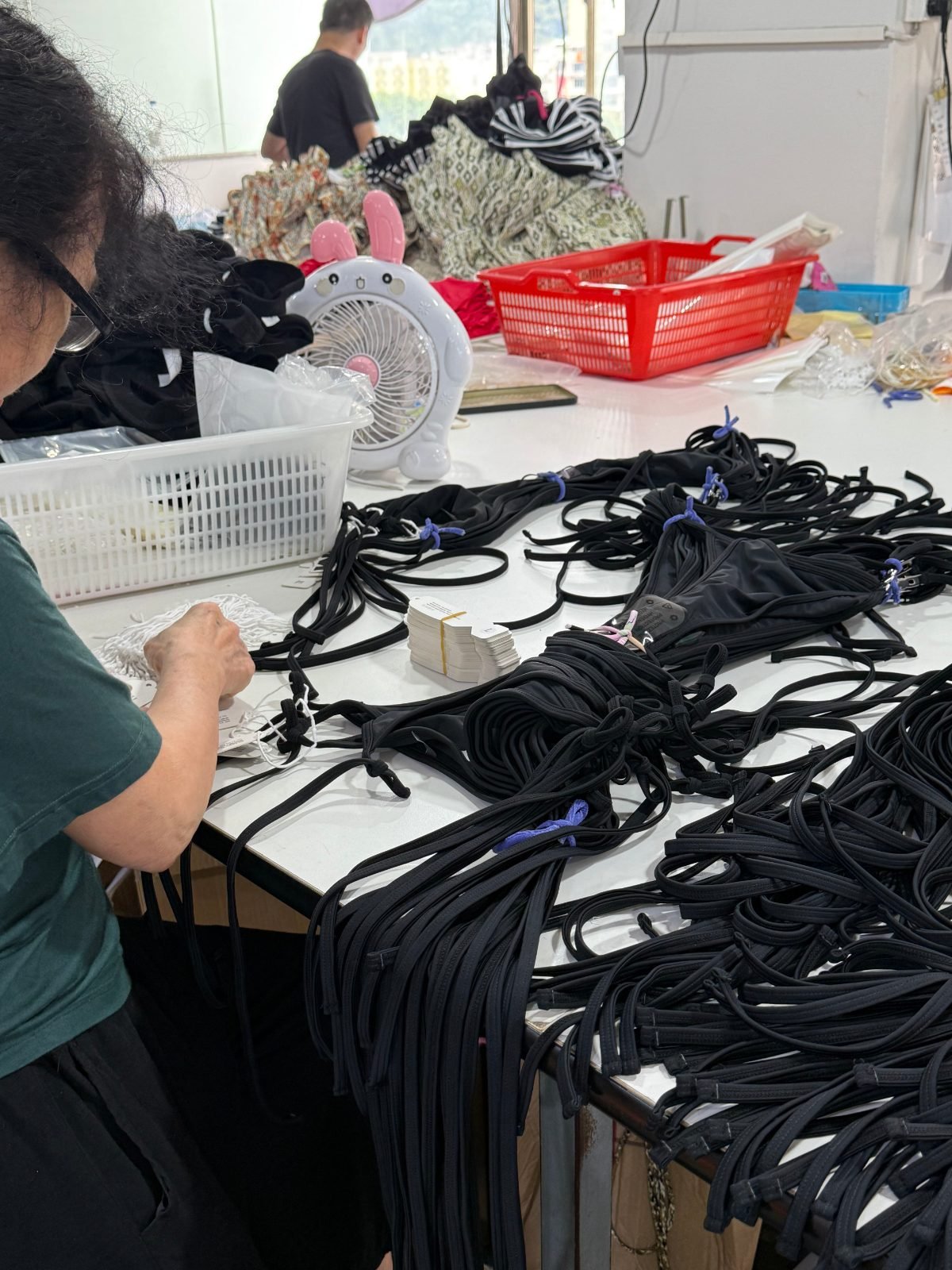
Moreover, colorfastness standards can’t be overlooked. These standards govern how well fabrics maintain color when exposed to chlorine and seawater—common stressors for swimwear. Adhering to these standards ensures color retention, which directly affects consumer satisfaction and a garment's longevity.
Essential Metrics for Bikini Fabrics
| Property | Standard | Value / Requirement | Importance |
|---|---|---|---|
| Breaking Strength | ASTM D3994-22 | ≥ 30 lbf | Key to fabric durability and resistance to tearing. |
| Bursting Strength | ASTM D7268-06 | Per test | Ensures the fabric can withstand pressure without bursting. |
| Dimensional Stability | ASTM D3994-22 | ≤ ±3% shrinkage | Critical for maintaining fabric shape post-wash. |
| Colorfastness | AATCC 162 | Grade ≥ 4 | Determines retention of vibrant colors in pools and sea. |
Adhering to these standards is not just essential for creating durable, high-performance swimwear; it’s vital for maintaining consistent quality over time. Staying informed about these metrics helps buyers when evaluating swimwear options, ensuring they choose products that match both consumer expectations and brand identity. For more on eco-friendly options or to explore fresh designs, consider looking into Exploring Triangle Bikinis for a Trendy Look.
Breaking Strength and Its Importance
According to ASTM D3994-22, swimwear fabrics must meet a minimum breaking strength of 30 lbf (pounds-force) in both warp and fill directions. This specification is fundamental because it ensures that the fabric can withstand substantial stress without failing, which is crucial for the functional durability of swimwear. A fabric meeting the 30 lbf requirement offers assurance that it can endure considerable wear and strain, which, in turn, contributes to the longevity and reliability of the garment in diverse conditions.
The force at which it breaks is recorded as the breaking strength. This method is precise and replicates the forces swimwear fabrics encounter in real use. Ensuring consistent test conditions, such as temperature and humidity, is critical to obtaining accurate results. These factors can significantly influence the material's performance in practical settings.
The breaking strength of a fabric directly impacts its lifespan. Higher breaking strength generally correlates with extended durability, making it less likely for the fabric to tear or become damaged during use. However, the challenge lies in balancing breaking strength with flexibility. Swimwear requires not only durability but also elasticity for comfort and freedom of movement. A fabric that is too rigid may last longer but might not deliver the fit and comfort necessary for swimwear.
For optimal swimwear performance, buyers should consider asking suppliers about how they achieve a balance between strength and flexibility through fabric selection. The right fabric can enhance flexibility without compromising on quality. This focus on both performance and comfort is essential, ensuring that swimwear remains resilient while adaptable to the movements associated with swimming and beach activities.
The Role of Tear and Tensile Strength
When evaluating bikini fabrics, understanding the balance between tear and tensile strength is crucial. Tear strength, defined by ASTM D1424, measures a fabric's resistance to tearing and is vital for ensuring a bikini can withstand real-world stresses. For swimwear, typical tear strength values range around 1.5 to 3 lbf. This standard is specifically designed to secure durability during wear and tear, underpinning the longevity of a bikini’s material in active conditions.

Tensile strength, as outlined in various ASTM standards, refers to the maximum stress a fabric can endure while being stretched before breaking. In the context of bikinis, maintaining a tensile strength of 15 to 40 lbf is standard, ensuring that the fabric can handle the stretching and pulling often experienced during use without damage. Strong tensile strength is key to the bikini's ability to retain shape and support through repeated use.
Tear vs. Tensile Strength in Bikini Fabrics
| Property | Test Standard | Typical Range | Why It Matters |
|---|---|---|---|
| Tear Strength | ASTM D1424 | 1.5–3 lbf | Ensures fabric can withstand tears from pulling. |
| Tensile Strength | ASTM D5034 | 15–40 lbf | Maintains shape and resilience under stress. |
| Stretch & Recovery | ASTM D3107 | ±10%; ≥90% | Facilitates ease of movement and quick recovery. |
| Bursting Strength | ASTM D7268 | Per drawing | Guards against fabric splitting under pressure. |
Balancing tensile strength with other fabric properties like stretch and durability is essential. Tightening too much on tensile strength might hinder fabric flexibility or increase its susceptibility to tears. Each property plays a role in the fabric's overall performance, interacting in complex ways to either enhance or detract from the garment's wearability. Thus, choosing the right fabric requires a nuanced approach, taking into account how various strengths support the fabric's intended use.
Understanding Dimensional Stability
Dimensional stability is a critical aspect of bikini fabrics, ensuring that the garment maintains its shape and fit even after multiple washes. ASTM D3994-22, a key specification for woven swimwear fabrics, sets strict guidelines on allowable shrinkage, typically limiting it to within ±3%. This regulation helps brands guarantee that their swimwear products will continue to fit as intended over time, even after exposure to the rigors of washing and wearing.
Washing and wearing can significantly affect the stability of bikini fabrics. As swimwear is exposed to water and physical activities, there's a tendency for the fibers to experience dimensional changes due to various factors like mechanical stress and chemical exposure. Without adequate dimensional stability, the resulting shrinkage could lead to unwanted changes in garment size, affecting fit and consumer satisfaction profoundly.
Controlling shrinkage is not just about meeting standards—it's about fabric choice. Manufacturers often select specific fabric blends to manage dimensional stability effectively. Blends that incorporate synthetic fibers, such as spandex and polyester, are particularly valuable because they offer excellent resistance to shrinkage and maintain stretch. These materials outperform cotton in maintaining stability due to their synthetic structure, which resists water absorption.
Testing methods for determining dimensional stability are as important as choosing the right materials. Common procedures in the industry involve repeated washing and measuring the resultant size changes of fabric samples per ASTM D3994-22 standards. It's advisable for brands to inquire about these testing methods to ensure their swimwear maintains shape retention over time.
By maintaining stringent controls on fabric dimensional stability, brands not only adhere to critical quality standards but also meet customer expectations for durability and fit. Ensuring stability through selection and testing ultimately leads to a product that offers both appeal and performance in a crowded market.
Colorfastness to Chlorine and Sea Water
Colorfastness to chlorine and sea water is an essential consideration in swimwear manufacturing, influencing the garment's longevity and aesthetic appeal. AATCC 162 is a key standard in this domain, assessing color retention in chlorinated water. This test measures how well fabrics maintain their hue after exposure to pool water, ensuring durability.

Color retention is crucial for consumer satisfaction as it prevents the garment from fading, which is unsightly and compromises perceived value. When fabrics lack adequate colorfastness, colors can degrade drastically upon exposure to chlorine or sea water. This leads to uneven coloration and a washed-out appearance, damaging the brand's reputation.
Testing colorfastness involves meticulous procedures standardized by both AATCC and ISO. The AATCC 162 test subjects fabrics to simulated pool conditions, while tests like ISO 105-E03 assess color change upon exposure to chlorinated water. These methods ensure the swimwear can withstand real-world conditions without significant color loss.
Failures in colorfastness lead to visual degradation, as seen in non-compliant fabrics where vibrant hues turn dull or streaked after just a few uses. Contrast this with compliant fabrics, which retain their vibrant shades, maintaining their aesthetic throughout their lifespan.
Colorfastness Ratings
| Environment | Test Method | Expected Grade | Impact on Durability |
|---|---|---|---|
| Chlorinated Water | AATCC 162 | ≥ Grade 4 | High color retention |
| Sea Water | ISO 105-E03 | ≥ Grade 4 | Resistant to fading |
| Pool Water | AATCC 162 | ≥ Grade 4 | Consistent coloration |
| Laundering | ISO 105-C06 | ≥ Grade 4 | Minimized color loss |
Understanding these test methods and their impact on swimwear durability is indispensable for brands aiming to deliver quality products. By adhering to rigorous colorfastness standards, swimwear manufacturers can ensure that their products not only look good but also last, aligning with consumer expectations for premium swimwear.
What Buyers Often Overlook: Elasticity
Elasticity in swimwear plays a crucial role in defining the garment's comfort and fit, making it a key component that buyers often neglect. This property enables the bikini material to stretch and conform effortlessly to the wearer's body, a critical factor in ensuring both comfort and performance, particularly for active swimwear designs where dynamic movement is essential. A bikini's elasticity also determines how well it retains its shape after being stretched—returning to form without sagging or losing its initial fit—which is a major concern when selecting fabrics for high-performance swimwear like Micro Bikinis with Unique Minimalist Designs.
The testing of stretch and recovery properties is governed by ASTM D3107, a standard that provides a precise method to evaluate the elasticity of fabrics. This testing involves subjecting the fabric to multiple cycles of extension and release, measuring how well it recovers to its original dimensions. Ideal elasticity ensures that bikinis remain form-fitting, preventing the troublesome issues of bagging or permanent deformation. Moreover, accurate testing and adherence to ASTM guidelines help manufacturers verify that their products will meet consumer expectations consistently.
Inadequate elasticity can lead to several common issues. Poorly selected or insufficiently elastic materials may result in garments that become misshapen over time or fail to provide adequate support and comfort. This is especially noticeable in active swimwear, where elasticity is under constant demand from movements like swimming, diving, or playing beach sports. In contrast, a well-constructed elastic garment will maintain its form and provide a snug, supportive fit throughout its wear.
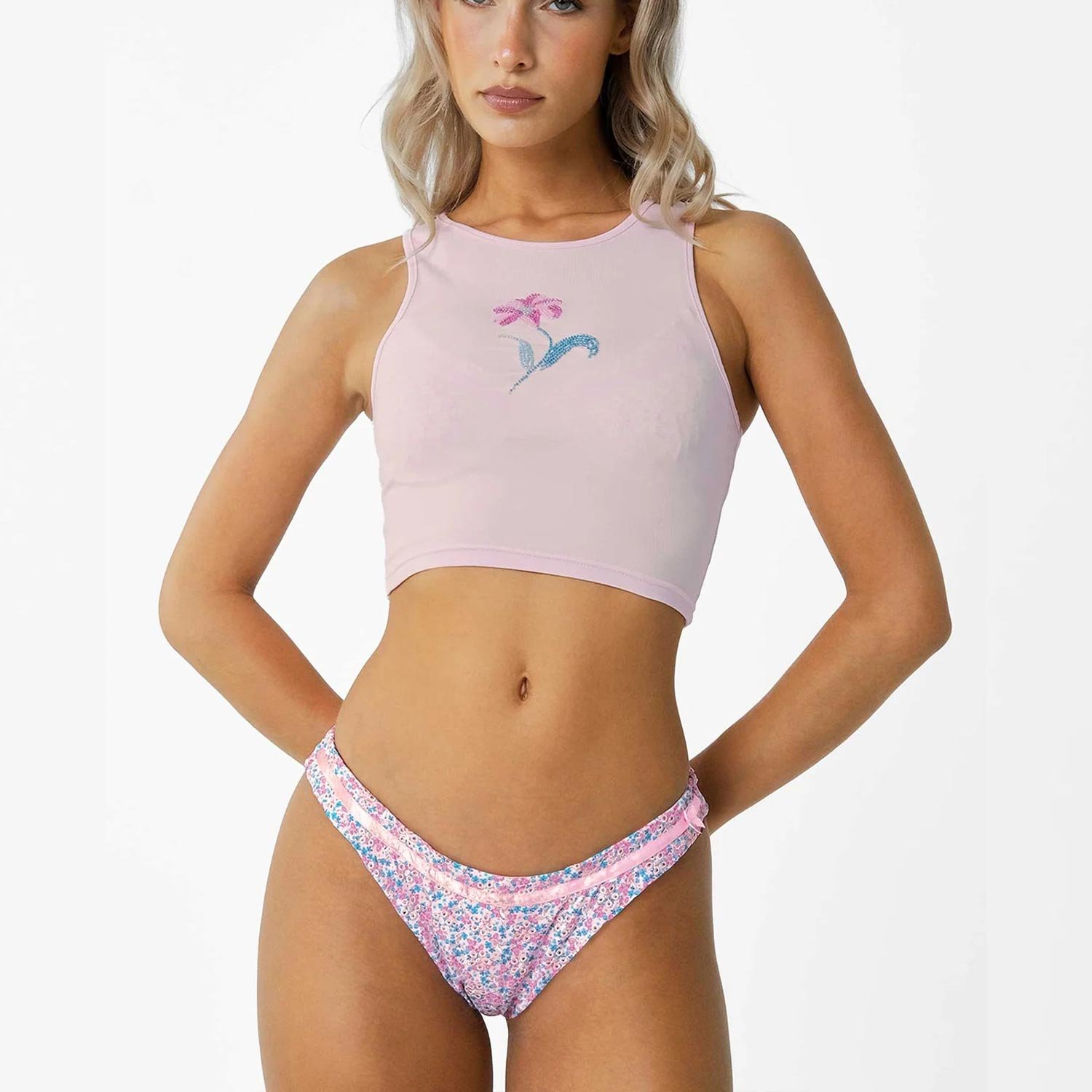
Therefore, when sourcing swimwear, it is crucial for buyers to prioritize fabrics that have been rigorously tested for elasticity. By emphasizing this often-overlooked aspect, brands can better assure their products deliver on the promises of comfort and longevity, critical factors for customer satisfaction and brand reputation. Being vigilant about elasticity and compliance with standards like ASTM D3107 will add significant value to any swimwear collection.
Interpreting a Supplier's Data Sheet
When diving into a supplier's data sheet, the technical details unveil the fabric's expected performance characteristics. Assessing attributes such as breaking and tear strength, typically expressed in pounds of force (lbf), is vital. These should be in harmony with ASTM D3994-22 standards, providing a minimum requirement of 30 lbf for breaking strength. For tear strength, compliance with ASTM D1424 helps ascertain the material's durability, crucial at stress points like seams and edges.
Verifying these figures against industry benchmarks is vital for confirming the truthfulness of the supplier's claims. For instance, ensuring compatibility with ASTM D7268 for seamless garments can clarify burst strength and elasticity specifications. Strong results in these assessments are indicators of the swimwear material’s robustness and longevity, minimizing the chance of early damage with wear.
A data sheet can also reveal stretch and recovery capacities, drawing on guidelines from ASTM D3107. Fabrics must demonstrate sufficient resilience to return to their original shape, which is particularly important for active swimwear. These figures should accurately reflect everyday usage, balancing comfort with functionality.
Understanding the measurements related to dimensional stability assures that fabrics retain their size post-water exposure, validated through washing simulations as per ASTM methods.
To maximize the insights a data sheet offers, it's crucial to link these specifications with the performance of the finished garment. Evaluating these characteristics gives a preview of a bikini's reliability when used in pools or at the beach. Analyzing stretch, recovery, and shrinkage data helps highlight how they might affect personalized fits.
Using this thorough review, purchasers can foresee potential performance challenges and make savvy sourcing choices. Grasping these critical figures empowers them to dodge common mistakes, guaranteeing the acquisition of swimwear fabrics that satisfy both style and functionality.
By meticulously inspecting a data sheet, buyers can ensure quality control, merging numerical data with trend-setting swimwear capabilities.
Deciding on the Right Bikini Fabric for Your Brand
Choosing the right bikini fabric is a balancing act between strength, elasticity, and aesthetic appeal. Bikini fabrics must perform under tension, so understanding the balance between strength and elasticity is crucial. For example, ASTM D3994-22 specifies a minimum breaking strength of 30 lbf (~133 N), ensuring the fabric can withstand typical stresses without tearing. Meanwhile, elasticity ensures comfort and a snug fit, with fabrics needing to recover their shape after stretching.
Fashion trends also play a vital role in fabric selection. Lightweight, high-stretch materials dominate market trends due to their comfort and fit, such as those used in Elegant Underwire Bikinis for Elevated Support. However, balancing trendiness with functional needs is necessary; for instance, ensuring your fabric retains its shape after multiple washes and sun exposure.
Understanding your brand’s unique selling points can guide fabric choice. If sustainability is a key feature, options like recycled polyester, which aligns with OEKO-TEX and GRS standards, are worthy considerations. Brands positioning themselves with durable, high-performance swimwear might look for fabrics tested under more stringent conditions, such as those outlined in ASTM D7268-06, which includes bursting strength.
Navigating supplier offerings requires diligence. Compare textile specifications, ensuring they meet your brand's requirements. Industry standards like ASTM and AATCC provide guidelines which can help in assessing prospective materials. A supplier’s data sheet should be scrutinized to validate claimed performance specs.
Lastly, consulting an expert or a testing facility is advisable when in doubt. These resources can provide insights into fabric performance in real-world conditions, ensuring you select a material that not only fits your brand's image but also meets logistical and functional demands.
By carefully choosing your fabric, you ensure that your bikinis reflect the quality and style synonymous with your brand, making them stand out in a competitive market.
FAQ: Key Numbers in Bikini Components
What is the role of colorfastness standards in bikinis?
Colorfastness standards like AATCC 162 ensure swimwear retains its color after exposure to chlorine or seawater, critical for maintaining the garment's aesthetic appeal over time.
How does breaking strength impact bikini performance?
Breaking strength, measured as per ASTM D3994-22, indicates the fabric’s ability to withstand forces without tearing, impacting durability and longevity.
Why is elasticity important in bikini fabrics?
Elasticity affects comfort and fit, allowing garments to stretch and return to their original shape. It’s crucial for movement and activity, especially in sporty swimwear.
FAQ: Key Numbers in Bikini Components
What is the minimum breaking strength for bikini fabrics?
The minimum breaking strength for bikini fabrics, as specified by ASTM D3994-22, is 30 lbf in both warp and fill directions. This ensures durability and resistance to typical usage stresses.
Why is dimensional stability important in bikinis?
Dimensional stability ensures that bikinis maintain their size and shape after washing and extended wear. It prevents deformation of the garment, thereby ensuring a consistent and comfortable fit for the user.
How do you test colorfastness in swimwear fabrics?
Colorfastness in swimwear fabrics is typically tested using standards like AATCC 162 for chlorinated water and ISO standards for seawater exposure. Testing evaluates a fabric's ability to retain color after exposure to water, preventing discoloration.