
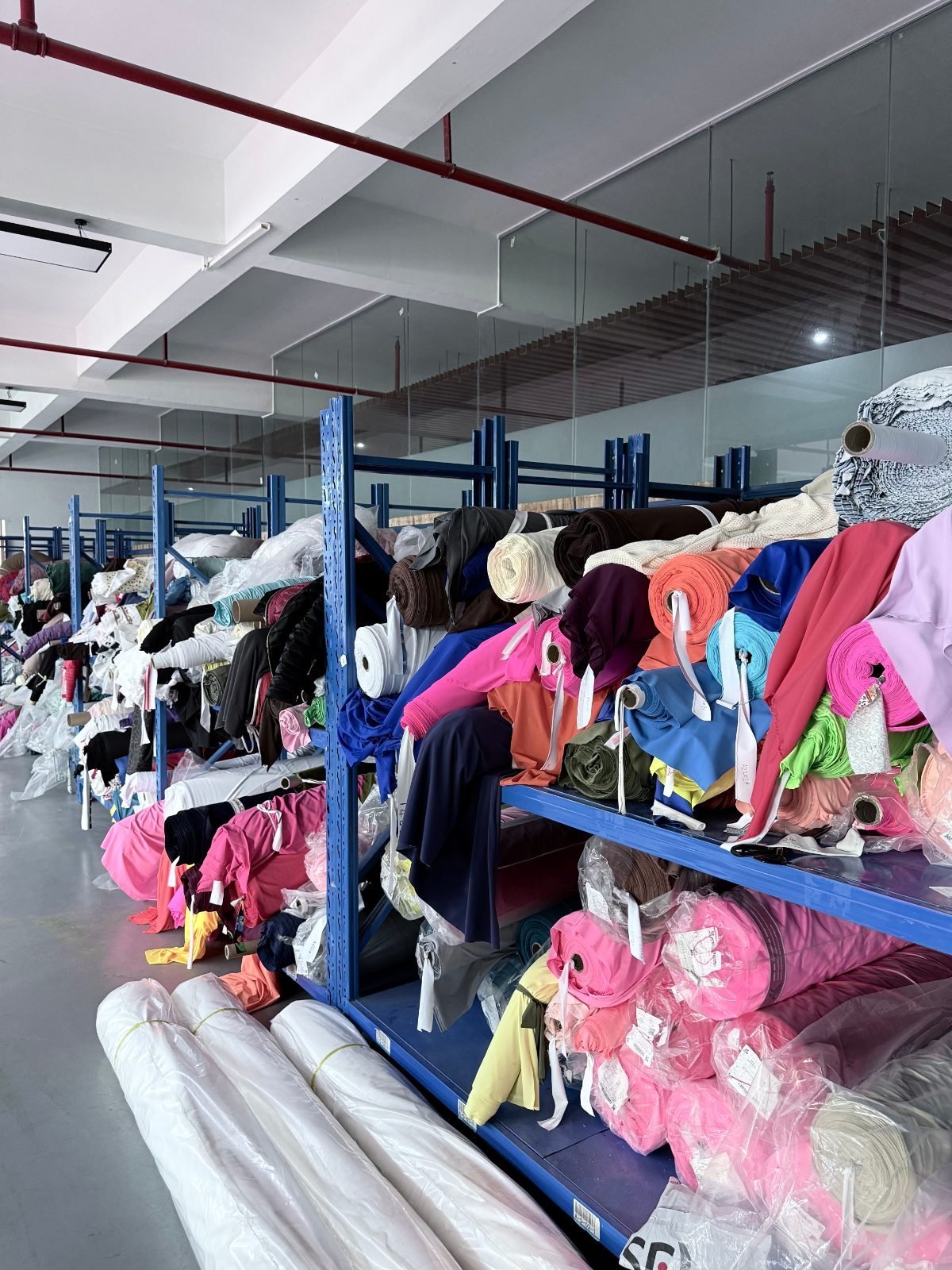
Sustainable fashion is no longer a niche endeavor but a demand for modern consumers. Eco-friendly swimwear manufacturing practices offer a pathway for businesses to align with this growing trend while reducing environmental impact. At Joysportwear, integrating sustainable methods not only enhances our brand’s commitment to the environment but also meets the expectations of our green-conscious clientele.
What Are Eco-Friendly Swimwear Manufacturing Practices?
Eco-friendly swimwear manufacturing practices involve using processes and materials that minimize environmental harm. This includes sourcing sustainable fabrics, employing energy-efficient production methods, and ensuring ethical labor standards. Key certifications like OEKO-TEX and GRS ensure materials are tested against harmful substances. Joysportwear follows these practices to produce swimwear that meets top environmental and ethical standards.
Sustainable Fabric Sourcing
Choosing the right material is critical for eco-friendly swimwear. Recycled materials, such as those made from post-consumer waste like plastic bottles, reduce reliance on virgin resources. Popular eco-friendly swimwear fabrics include:
- Recycled Polyester (rPET): Created from recycled plastic bottles, offering durability and water resistance.
- ECONYL®: A regenerated nylon made from waste like discarded fishing nets. It maintains excellent elasticity and strength, essential for swimwear.
These materials not only cut down on waste but also require less energy to produce compared to new fibers, supporting a circular economy. Understanding PBT Fabric in Swimwear provides further insight into sustainable fabric choices.
Low-Impact Dyeing Processes
Traditional dyeing methods contribute heavily to environmental pollution. Alternative processes such as digital printing and natural dyes are lower-impact options. Digital printing reduces water usage by up to 95% and limits chemical runoff, aligning with sustainable goals.
- Digital Printing: Uses a computer-controlled process to apply dye to the fabric, which minimizes waste.
- Natural Dyes: Extracted from plant sources, reducing reliance on synthetic chemicals.
Joy Bikini’s products use eco-conscious alternatives to mitigate the detrimental ecological footprint of traditional dyeing.
Energy-Efficient Production
Implementing advanced, energy-saving manufacturing technologies is another cornerstone of sustainable swimwear production. Joysportwear uses high-efficiency machinery to minimize emissions and energy consumption during production. Solar panels and heat recovery systems can also support operations, reducing reliance on fossil fuels.
Incorporating these technologies not only cuts down on greenhouse gas emissions but also reduces the cost of production over time, offering savings that can be passed on to consumers.
The Role of Certifications in Sustainable Swimwear
Certifications play a crucial role in defining eco-friendly practices. At Joysportwear, we emphasize compliance with recognized standards to ensure transparency and accountability.
OEKO-TEX® Standard
The OEKO-TEX® certification is a globally recognized label for textiles ensuring they are free from harmful substances. This means every component of the swimwear, from fabric to thread and accessories, meets high safety and sustainability criteria.
Global Recycled Standard (GRS)
GRS assesses the recycled content of products. More critically, it ensures ethical social and environmental practices through each stage of the production chain.
- Traceability: Verifies the source of recycled material, ensuring authenticity.
- Social Responsibility: Upholds fair labor practices across the supply chain.
These certifications reassure buyers that their purchase contributes to reduced environmental impact and ethical production methods.
Designing with the Environment in Mind
Sustainable design entails more than just fabric and dye. Swimwear designed with minimal waste in mind often uses fewer components and aims for durability and versatility, extending the lifespan of each item.
Waste Reduction
Manufacturers can creatively minimize fabric waste through techniques like:
- Pattern Efficiency: Utilizing digital design tools to maximize fabric usage, reducing off-cuts.
- Zero-Waste Pattern Cutting: Designing pieces to fit together without excess.
By designing mindful of waste, brands can significantly reduce their ecological footprint. Joysportwear uses these techniques to deliver environmentally responsible products.
How Do Shipping and Packaging Contribute to Sustainability?
The end-to-end journey of swimwear from factory to consumer includes shipping and packaging, an integral part of eco-conscious manufacturing. Shipping logistics, when optimized, lessen the carbon output significantly.
Sustainable Packaging
Joy Bikini uses biodegradable or recyclable materials for packaging, ensuring minimal waste in landfills. Options include:
- Compostable Mailers: Break down naturally, unlike plastic alternatives.
- Recyclable Materials: Commonly used for boxes and tissue paper.
These eco-friendly practices align with consumer demands for greener product deliveries.
How Can Buyers Identify Genuine Eco-Friendly Swimwear?
Swimwear brands often label their products as "eco-friendly." Buyers can ensure authenticity by checking for certifications like OEKO-TEX and GRS. Examining the material composition is another way to verify environmental responsibility. Asking potential suppliers about their sourcing, manufacturing, and labor practices provides insight into their genuine eco-friendly commitment.
Frequently Asked Questions
How Can Swimwear Brands Ensure Sustainable Production?
By partnering with manufacturers like Joysportwear that hold OEKO-TEX and GRS certifications, brands ensure rigorous standards in fabric safety and recycled material content, thus supporting sustainable production.
What Certifications Should I Look For in Eco-Friendly Swimwear?
Look for OEKO-TEX and GRS certifications for assurance of environmental and ethical standards in swimwear materials and production.
How Does Joysportwear Ensure Minimal Environmental Impact?
Joysportwear employs sustainable fabric, low-impact dye processes, energy-efficient production technology, and ethical labor practices, all substantiated by recognized certifications.
How Can I Verify the Sustainability Claims of a Swimwear Brand?
Verify sustainability through certifications, material tests, and supplier transparency in their environmental and labor practices.
Are Eco-Friendly Swimwear Products More Expensive?
While initially more costly due to complex production processes and materials, eco-friendly swimwear often offers long-term savings and lower environmental costs.
By integrating eco-friendly practices into reliable swimwear production, Joysportwear not only backs environmental well-being but also establishes itself as a responsible manufacturer in a highly competitive market. Visit us at https://joysportwear.com/ to explore our sustainable swimwear collection.