
Polybutylene Terephthalate (PBT) fabric is highly valued in swimwear for its exceptional chlorine resistance, elasticity, and shape retention capabilities. This thermoplastic polyester excels in swimwear applications due to its durability and excellent moisture-wicking properties. Making an informed choice on PBT fabric ensures your swimwear remains robust and performs well over time.
What Makes PBT Fabric Suitable for Swimwear?
PBT fabric's suitability for swimwear stems from its unique blend of elasticity, chlorine resistance, and shape retention. According to the American Association of Textile Chemists and Colorists (AATCC) standards, PBT is designed to resist chlorinated water far better than traditional polyesters, maintaining its integrity up to 1000 hours of pool exposure without significant degradation. For swimwear manufacturers, this means longer-lasting products that maintain their aesthetic and functional properties.
Elasticity and Shape Retention
PBT fabric retains its shape exceptionally well, even after repeated stretching. This means it fits snugly and comfortably, which is crucial for both competitive swimmers and casual beach-goers. The International Swimwear Standards Organization suggests a minimum of 15% elongation in commercial swimwear applications, a benchmark easily surpassed by PBT fabrics.
Chlorine and UV Resistance
PBT's resistance to chlorine and UV radiation makes it a preferred choice for swimwear. Chlorinated pools can degrade fabrics over time, but PBT resists such damage, preventing the fabric from losing its color or strength. Per ISO 105-B02, which measures color fastness to light, PBT fabrics achieve higher scores compared to regular polyester, indicating superior UV resistance.
Moisture-Wicking Properties
PBT fabric's moisture-wicking capability is another reason for its popularity. It rapidly draws moisture away from the skin, promoting quick drying. This property not only enhances comfort but also reduces the risk of skin irritation, making it a highly desirable option for both leisure and competition swimwear.
How Does PBT Compare to Other Swimwear Fabrics?
When comparing PBT to other swimwear fabrics like Lycra, Nylon, and traditional polyester, PBT stands out due to its unique properties and performance under specific conditions. Here’s a detailed comparison:
| Feature | PBT | Lycra/Spandex | Nylon |
|---|---|---|---|
| Chlorine Resistance | High Resistance | Moderate Resistance | Low Resistance |
| UV Resistance | Superior | Moderate | Low |
| Elasticity | Moderate | Superior | Moderate |
| Durability | High | Moderate | Moderate |
| Moisture Wicking | Excellent | Good | Poor |
Bottom line: PBT is well-suited for swimwear designed for frequent pool use due to its high chlorine and UV resistance, while Lycra may be preferred for its superior elasticity in performance swimwear.
What Are the Limitations of PBT Fabric?
Despite its many advantages, PBT fabric has limitations. It can be less soft compared to Lycra and Nylon, which might affect comfort for some users. Additionally, while it’s highly durable, its elasticity isn’t as high as Lycra’s, making it less suitable for garments requiring extreme stretch. Quality control during production is crucial, as poor dyeing or fabric construction can undermine its benefits.
Environmental Considerations
While not as environmentally benign as some organic materials, PBT's longevity, and lower replacement rate contribute to its overall sustainability. Because of its durability, garments made from PBT aren't replaced as often, resulting in less overall waste.
Applications of PBT in Swimwear and Beyond
PBT is extensively used in performance swimwear, training wigs, and casual swim apparel. Its ability to withstand the rigorous demands of competitive swimming environments makes it a staple in sportswear.
Performance Swimwear
For competitive swimmers, PBT's structure provides a reliable fabric that withstands the intense physical demands of races and regular training sessions. It contributes to streamlined designs that reduce drag and enhance swimmer efficiency.
Casual Swimwear
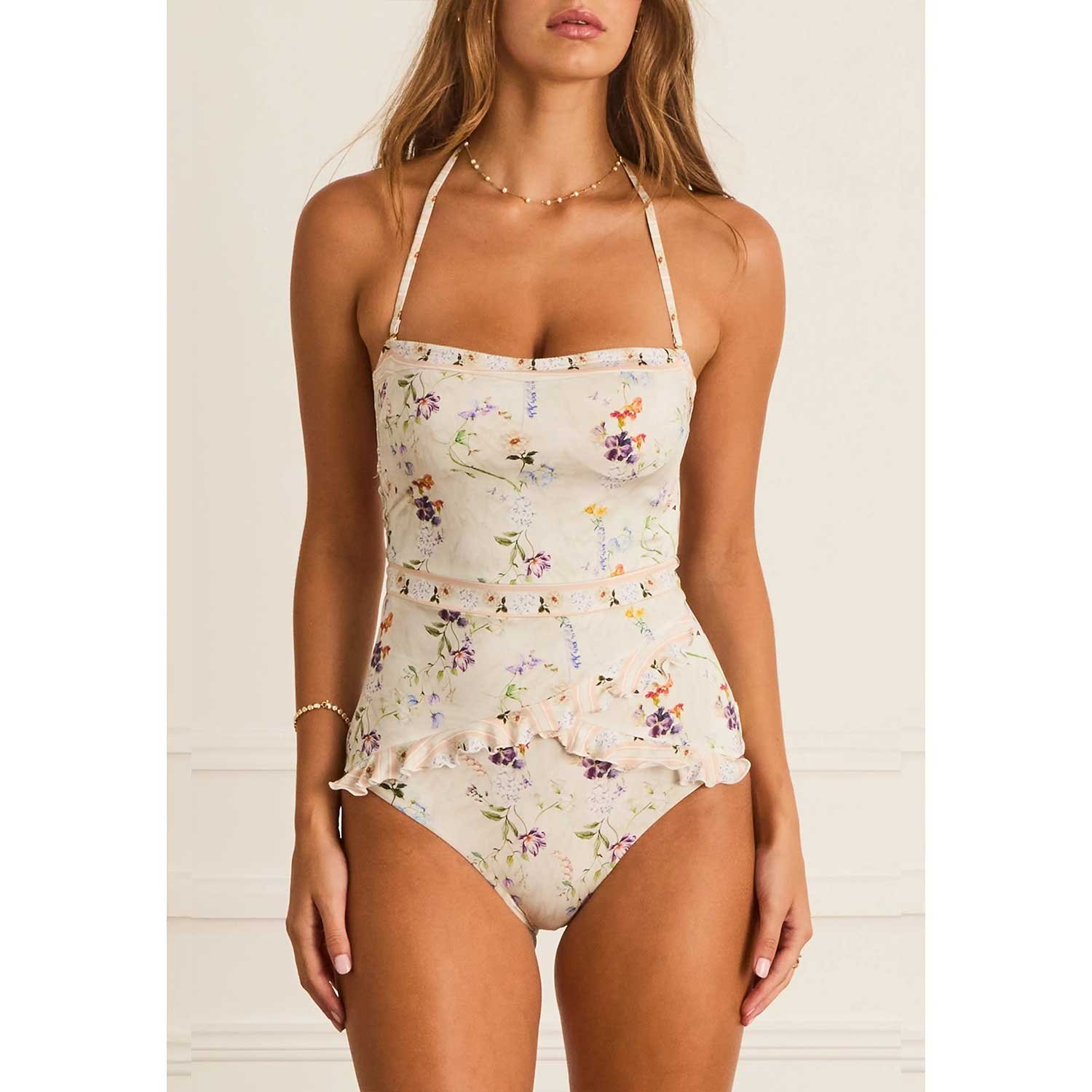
PBT is also used in various swimwear styles, including bikinis and tankinis, marketed by brands like Joysportwear, which emphasize durability and longevity due to frequent exposure to sun and chlorine.
How to Evaluate PBT Swimwear Before Purchase?
Evaluating PBT swimwear involves checking key attributes such as material construction, fabric weight, and standard compliance. Thanks to OEKO-TEX certifications available on some PBT products, buyers can ensure the absence of harmful substances in their choices.
Fabric Construction and Quality
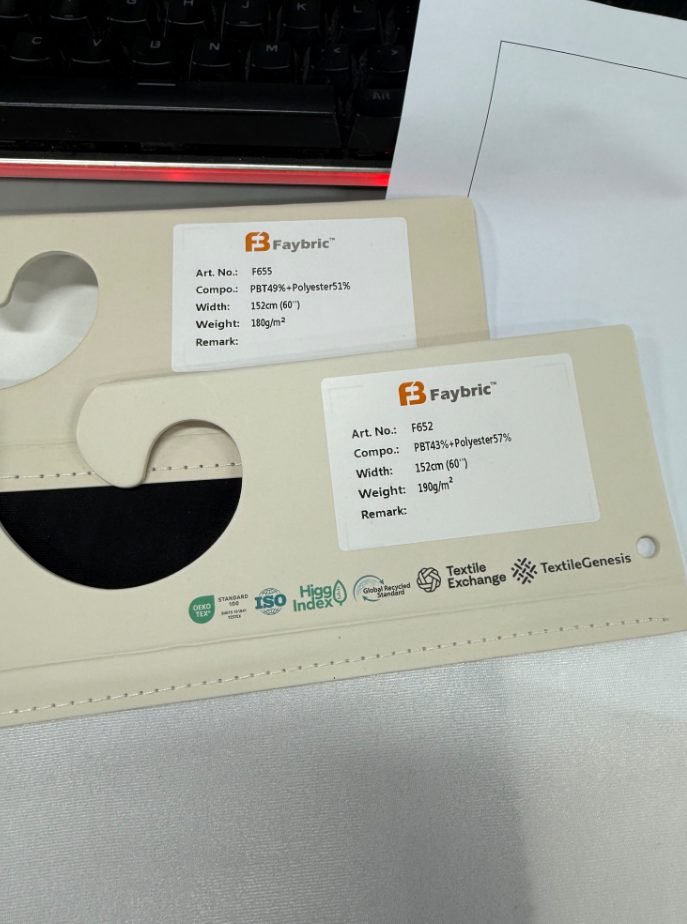
Inspecting technical specifications like fabric density (typically between 130-180 g/m²) can help in determining the durability and opacity of the material. Higher density indicates a thicker fabric that provides more coverage and lasts longer.
Certification Standards
Review certification marks like OEKO-TEX on swimwear products. This ensures that the apparel is free from harmful chemicals, reflecting on a responsible choice for consumers.
FAQs About PBT Fabric in Swimwear
Is PBT fabric suitable for all swimwear types?
PBT fabric is suitable for most swimwear types, particularly for competitive swimming, due to its chlorine and UV resistance. However, alternatives like Lycra might offer better comfort for fashion-focused swimwear with less exposure to chlorine.
How long can PBT swimwear last?
The lifespan of PBT swimwear largely depends on usage patterns but can exceed that of Nylon or Lycra due to its durability. Regular washing and careful storage can further prolong its life.
Does PBT fabric stretch over time?
PBT offers moderate elasticity but retains its shape well. Unlike Lycra, it doesn’t stretch out over time, making it a reliable choice for maintaining a consistent fit.
Are there any skin sensitivities related to PBT?
PBT fabric is generally well-tolerated by all skin types and includes moisture-wicking properties that reduce potential irritation.
Can PBT fabric be recycled?
While PBT itself isn't biodegradable, it is recyclable, though the infrastructure for recycling such fabrics may not be universally available yet.
Conclusion
PBT fabric offers a robust and durable solution for swimwear, excelling in environments demanding chlorine and UV resistance. While it may not boast the extreme elasticity of Lycra, its resilience and low maintenance make it a valuable choice for both competitive and recreational swimwear. To explore more about sustainable and innovative swimwear solutions, check Joysportwear's Sustainable Practices in Swimwear Manufacturing.