
Navigating custom swimwear production in Dongguan requires understanding pivotal metrics like material specifications and certification standards. ASTM D3996 sets the performance criteria for knit swimwear fabrics, ensuring your swimwear holds up in wear and tear. Such standards are crucial for both product longevity and customer satisfaction. Furthermore, certifications like OEKO-TEX and GRS ensure compliance with hazardous substance limits and recycled content. Recognizing these metrics helps brands differentiate their offerings and partner with the right suppliers for quality assurance. Review data sheets critically to identify material performance and integrity. Without these insights, you risk compromising the quality and marketability of your products. Knowing how to interpret these figures and understanding what they mean for your swimwear line are decisive factors in achieving success. By prioritizing these metrics, brands can effectively navigate production hurdles, ensuring superior outcomes for their swimwear products.
Decisive Numbers for Swimwear Success
Key metrics play a pivotal role in ensuring high-quality custom swimwear production. Adherence to ASTM standards for material performance is essential. For swimwear, ASTM specifications, like ASTM D3996 and D3994, are frequently referenced. These guidelines ensure that fabrics possess the necessary durability, flexibility, and comfort. They set benchmarks for tensile strength and seam integrity, crucial in maintaining the wear and tear resistance necessary for active swimwear. ASTM D7268 guidelines also address the needs of seamless knit garments, a growing trend in swimwear due to their flexibility and comfort.
Certifications such as OEKO-TEX and GRS (Global Recycle Standard) are vital for eco-friendliness and consumer confidence. These certifications verify that the materials used are safe and environmentally considerate. With an increasing trend towards sustainable fashion, buyers expect these certifications to affirm responsible manufacturing practices.
Ensuring compliance with color fastness standards such as ISO 105-B02 (for light fastness) and ISO 105-C06 (for washing fastness) are also critical. These standards guarantee that swimwear fabrics maintain their appearance over time, even under exposure to sunlight and chlorine-laden pool water, which are routine challenges for swimwear durability.
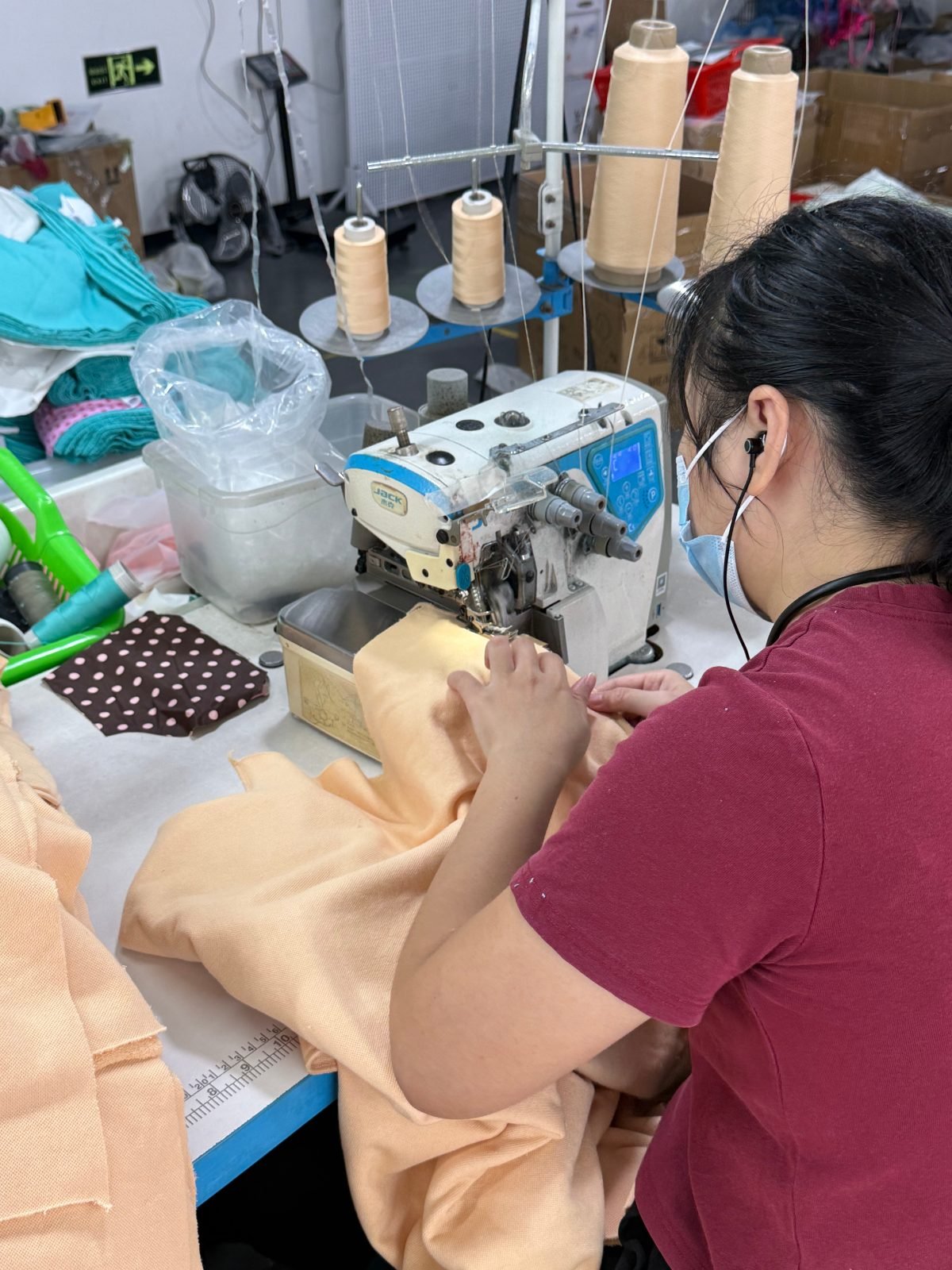
Key Metrics in Swimwear Production
| Metric | Typical Value | Standard | Significance |
|---|---|---|---|
| Tensile Strength | ≥ 25 lb for 82–136 gsm | ASTM D5034 | Ensures durability and resistance to stretching |
| Seam Strength | ≥ 15 lb for <135 gsm | ASTM D1683 | Prevents seam failures under strain |
| Color Fastness | ≥ Grade 4 | ISO 105-C06 | Maintains fabric color through washes |
| Eco Certifications | OEKO-TEX, GRS | N/A | Establishes safety and environmentally considerate materials |
Durability is directly tied to these benchmarks. Swimwear must withstand mechanical stress, UV exposure, and chemical agents, which is why these precise metrics are non-negotiable in high-quality production. Checklist for Sourcing Custom Swimwear in Australia offers practical insights into these standards, helping buyers align their expectations with industry criteria.
Consumer expectations are shifting towards rigorous quality assurances. Brands eager to build trust among their clientele need to show compliance with these standards and certifications, as they add credibility and align with the growing demand for accountability in fashion production.
Understanding Material Specifications
ASTM D3996 sets the performance specifications for knit swimwear fabrics, highlighting their tensile strength, elongation, and seam slippage. This specification is critical as it ensures that materials meet rigorous standards necessary for durability and aesthetics. Understanding such standards helps buyers make informed decisions, influencing factors like product lifespan and consumer satisfaction.
Knit vs. Woven Fabric Requirements
The requirements for knit and woven fabrics in swimwear production differ significantly due to their structural characteristics. Knit fabrics, known for their stretch and flexibility, follow ASTM D3996. This ensures they perform well under repeated stress, crucial for swimwear that demands high elasticity. Woven fabrics, governed by ASTM D3994, prioritize tensile and seam strength, essential for structural integrity when less elasticity is needed. Buyers should assess these standards to choose the right fabric for their specific finish and functional needs.
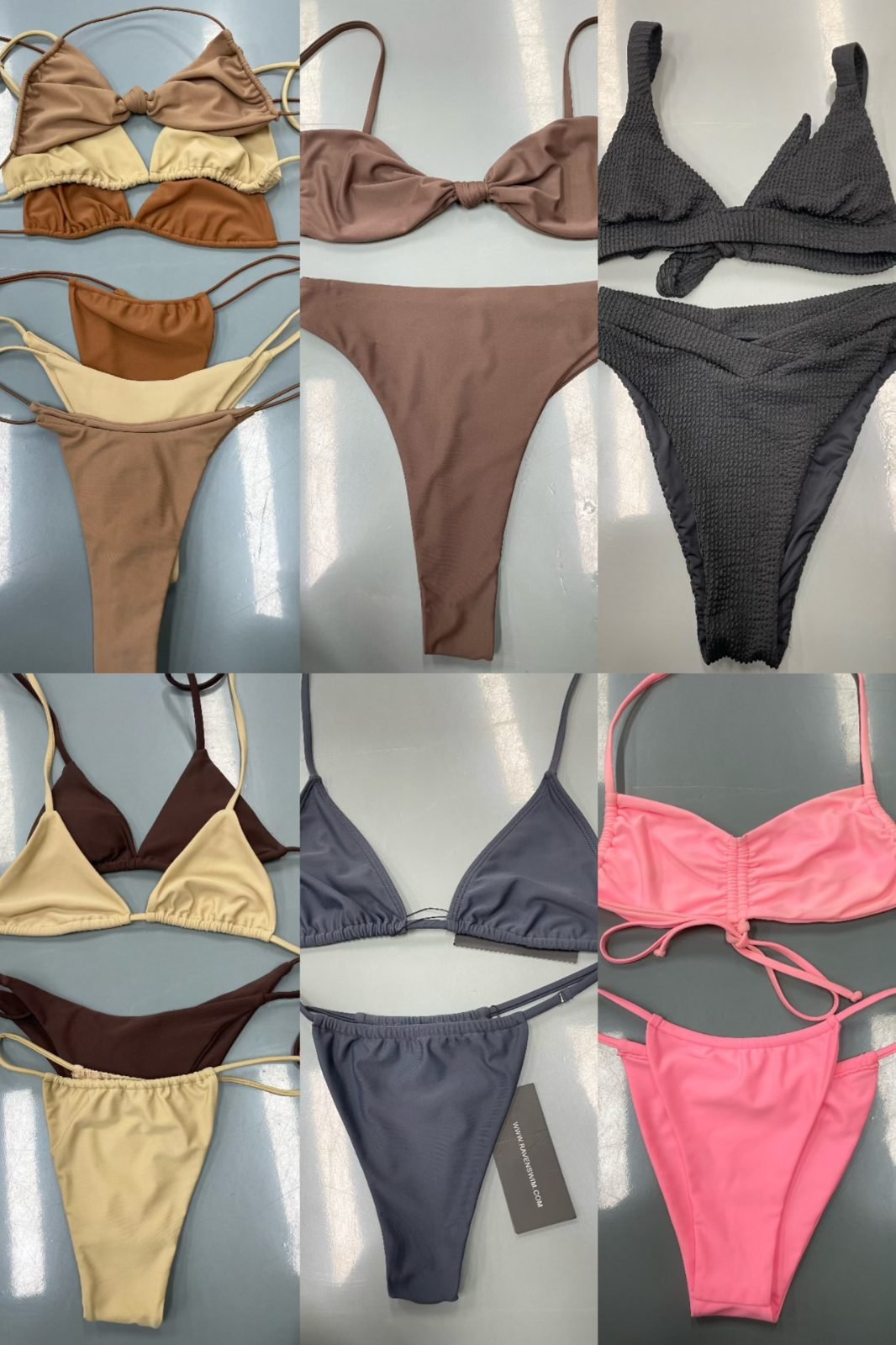
Impact of Material Choice on Product Lifespan
Material choice directly affects the longevity of swimwear products. For example, opting for a fabric that meets ASTM D3996 ensures resilience under chlorinated water conditions, enhancing lifespan and reducing wear. Additionally, adherence to tensile strength requirements—such as ≥ 15 lb for fabrics below 82 gsm—mitigates risks of tearing.
Material Specification Overview
| Property | Typical Value | ASTM Standard | Rationale |
|---|---|---|---|
| Tensile Strength | ≥ 15 lb (<82 gsm) | ASTM D5034 | Essential for durability against tear |
| Seam Strength | ≥ 15 lb (<135 gsm) | ASTM D1683 | Ensures garment integrity during wear |
| Chlorine Resistance | Grade 4 | ISO 105-E03 | Prevents degradation from pool water |
| Stretch Recovery | High recovery | ASTM D3996 | Maintains shape after repeated wear |
| Color Fastness | Grade ≥ 4 | AATCC 162 | Maintains aesthetic appeal over time |
For aspiring swimwear brands, understanding these specifications and standards is crucial. By familiarizing themselves with such metrics, brands ensure their products not only meet but exceed consumer expectations for quality and performance.
Certifications and Their Impact
The role of certifications such as OEKO-TEX and GRS provides significant leverage in the realm of swimwear production. OEKO-TEX certification guarantees that the textiles used are free from harmful substances, aligning with human ecological requirements. This certification is crucial for swimwear, which is often in direct contact with the skin. Furthermore, the Global Recycled Standard (GRS) ensures that materials are recyclable, confirming that environmental impacts are minimized during production. Beyond its environmental merit, GRS certification is also an important marketing tool, aligning with the growing consumer demand for sustainably produced goods.
The environmental benefits of certified materials cannot be overstated. By adhering to these standards, companies significantly reduce their ecological footprint. Certified materials often require lower energy inputs and result in less waste generation compared to conventional materials. This is particularly important in the textile industry, one of the most resource-intensive sectors globally. Consumers today are increasingly eco-conscious and are seeking out products that not only satisfy their aesthetic needs but also reflect their commitment to environmental stewardship. This trend has made OEKO-TEX and GRS certifications extremely valuable from a marketability perspective.
ISO standards for color fastness further bolster the quality assurance aspect of swimwear products. Standards such as ISO 105-B02 and ISO 105-E01 test the color fastness of textiles to artificial light and water, respectively. These standards are essential as they relate directly to the long-term appearance and performance of swimwear. Poor color fastness can lead to fabric fading and deterioration over time, undermining consumer confidence and satisfaction. By ensuring adherence to these ISO standards, manufacturers can guarantee a product that retains its aesthetic and structural integrity over extended periods.

Consumer demand for sustainably produced swimwear is on the rise. Shoppers are not only interested in stylish designs but also in the assurance that their purchases are ethically and environmentally sound. Aligning production with consumer values through certifications such as OEKO-TEX and GRS can increase brand loyalty and market share.
The Overlooked Number: MOQ
In the realm of custom swimwear production, Minimum Order Quantity (MOQ) is a crucial metric that significantly influences cost and production feasibility. An MOQ sets the minimum number of swimwear pieces that a manufacturer will produce in a single order. This number is a balancing act between a small brand's ability to invest and the manufacturer's need to maintain efficient production processes.
The Role of MOQ in Cost and Production Feasibility
MOQ directly impacts both unit cost and overall production feasibility. Lower MOQs, often sought by startups and smaller brands, can dramatically increase the cost per unit since the setup costs of production are spread across fewer garments. For manufacturers, the rationale behind setting an MOQ is rooted in economics—ensuring that the cost of production is covered while maintaining profitability. Factories incur a range of fixed costs, from setup and material procurement to labor, that remain constant regardless of the batch size. Hence, a higher MOQ helps amortize these costs more effectively, leading to lower unit costs.
Challenges of Low MOQ
Balancing a low MOQ with high-quality production is a common hurdle. Producing small batches can complicate the process of maintaining consistent quality standards, as variations can more noticeably impact smaller runs. This includes challenges like ensuring color fastness to water per ISO 105-E01 standards or maintaining tensile strength according to ASTM D5034.
Strategies to Manage MOQ Effectively
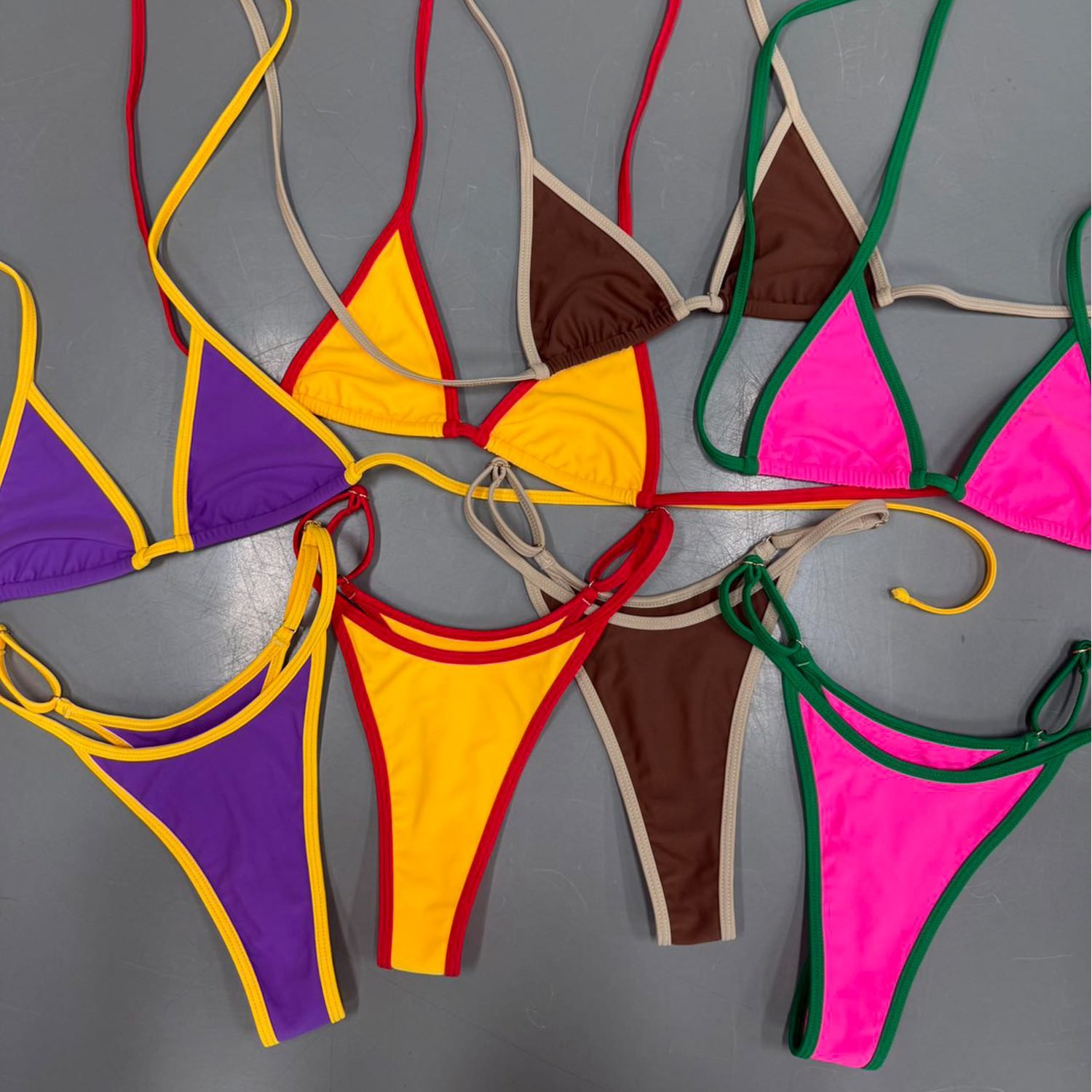
For brands navigating MOQ concerns, several strategies can mitigate challenges. Collaborative Planning: Open communication with manufacturers can lead to mutually beneficial arrangements, like trial runs at a slightly higher MOQ to begin with, off which discounts might eventually be leveraged. Batch Misses and Stock Management: For brands, opting to produce 'core' items that sustain steady demand can justify larger batches, effectively managing stock turnover and reducing per-unit costs. Pooling Orders: Finally, pooling orders with other brands can achieve the necessary scale to meet MOQ without overcommitting resources. This approach, however, requires careful coordination and is best suited when brands share a similar aesthetic or customer base.
Navigating MOQ is more than a numbers game. It's a strategic decision that involves perpetual balancing to align brand ambitions with operational viability.
Reading a Supplier's Data Sheet
When evaluating a supplier's data sheet, every piece of information carries significant weight in custom swimwear production. Several key elements must be meticulously scrutinized to ensure your materials and manufacturing processes align with your brand's specific requirements. Primarily, the data sheet should detail fabric properties like tensile strength, color fastness, and seam strength measurements. Compliance with standards such as ASTM D5034, which dictates tensile strength requirements, provides a reliable benchmark for assessing material durability.
Common pitfalls often occur when assuming that standard values meet all brand-specific conditions. For example, a data sheet might list a tensile strength suitable for regular swimwear but may not suffice for sporty swimwear, which undergoes more stress. Misinterpreting such numbers can lead to product failure or reduced lifespan, directly impacting consumer satisfaction and brand reputation.
It's crucial to ensure that data meets your brand's specific needs by analyzing each metric in context. For example, if your swimwear line emphasizes vibrant colors, prioritize the color fastness numbers (ISO 105-B02). Understanding what each value means helps tailor your production criteria. This data is not just for initial selection; it becomes part of your ongoing quality assurance strategy.
Another essential factor is the clarity and completeness of the data sheet. Ambiguities, like unspecified testing methods or missing certification details, should raise red flags. A supplier's data sheet should indicate conformance to recognized standards such as OEKO-TEX and GRS, underscoring commitments to environmental sustainability and safety — assurances buyers expect in today's market.
The data sheet also serves as a tool for ensuring continuous quality. Scheduling regular audits of materials against the data sheets can uncover any deviations in quality or batch inconsistencies, empowering brands to address potential issues proactively.
Collaborating closely with suppliers ensures these documents align with production realities. Regular communication and an understanding of these technical details facilitate trust and a shared commitment to quality, ultimately leading to a successful partnership.
For comprehensive guidance on how to partner effectively with suppliers, see our resource on Choosing the Right Custom Swimwear Manufacturer.
FAQ: Custom Swimwear Production in Dongguan
Checklist for Evaluating Suppliers
Evaluating potential suppliers in Dongguan involves closely examining their certifications, facilities, and capacity to accommodate your production needs. Ensure they hold OEKO-TEX and GRS certifications, confirming their commitment to eco-friendly practices. Investigate their ability to manage bulk orders, check their past client references, and confirm their engagement in collaborative design processes. Visiting their facility is advisable to validate operational efficiency and understand their workflow first-hand.
Understanding Production Timelines
Production timelines in Dongguan can vary significantly based on order complexity and material availability. Typically, lead times are influenced by the fabric type, production batch size, and current workload of the factory. It is critical to discuss and define realistic timelines during the initial discussions. Suppliers should be transparent about potential delays related to fabric sourcing or import regulations, and they should provide contingency plans for such events.
Common Challenges in the Production Process
One common challenge in swimwear production involves maintaining color consistency across dyes and batches. Sellers often face issues with fabric dimension stability, particularly in high-demand styles like bandeau bikinis or sporty swimwear, where precise fits are non-negotiable. Communication gaps between design teams and production might also lead to misunderstandings about design specifics, affecting final outputs. Mitigating these challenges requires involving skilled quality control teams at each production stage, ideally supported by advanced software for process tracking.
Importance of Quality Control Checks
Implementing stringent quality control measures is crucial in maintaining the integrity of swimwear products. Quality control teams should perform thorough checks against industry standards such as ASTM D3996 for knit fabrics. Monitoring during each production phase helps identify issues like seam strength or fading early and allows for timely corrections. Inspectors should be well-trained to recognize and address defects like inconsistent stitching or unforeseen material defects, which might impact wearability and safety.
By addressing these aspects rigorously, you can ensure that your choice of supplier in Dongguan aligns optimally with your business goals and maintains the expected quality standards for your swimwear line.
Ensuring Your Sample Meets Standards
Developing a swimwear line requires more than just a striking design; it demands rigorous quality checks throughout the production process. Ensuring that your sample meets all relevant standards is a pivotal step in creating a product that can succeed in the marketplace. Here's how you can verify your design matches specifications, test samples against industry standards, effectively communicate feedback to suppliers, and identify common sample issues.
Verifying Design Specifications
Start by cross-referencing your design specifications with the initial sample to ensure alignment. This means meticulously checking dimensions, stitching, and material type against what was originally detailed in your tech pack. Inconsistencies, even minor ones, can impact fit and style. For instance, a misalignment in seam placement can alter a garment's fit, leading to customer dissatisfaction. Use digital tools for precise measurement and engage experienced personnel who understand swimwear technicalities.
Testing Against Industry Standards
ASTM D5034, for instance, assesses fabric tensile strength, critical for swimwear durability. Failing these tests means the sample won't perform under typical wear conditions expected by consumers. Conducting such tests early helps mitigate costly fixes in the bulk production stages. Partner with a supplier that understands these standards and consistently applies them.
Communicating Feedback to Suppliers
Effective communication with your supplier can make or break the sample approval process. Clearly detail any issues noted during sample reviews, using straightforward language and visual aids if necessary. As a proactive step, schedule regular check-ins to discuss progress and address any emerging discrepancies early. This approach not only streamlines revisions but also builds a stronger working relationship.
Common Sample Issues
Watch out for common pitfalls such as fabric pilling, incorrect labeling, and stitch inconsistencies. Each of these can indicate problems in production methods or misunderstandings of design specifications. Catching issues early on during the sample phase prevents compounded problems in mass production. To deepen your understanding of swimming gear preparation and common issues encountered, refer to our Guide to Bulk Swimwear Production Factory in China. This guide offers strategic insights into addressing large-scale production challenges effectively.
Ensuring that your sample meets standards is an essential part of the production process. It not only verifies that what you envision aligns with what is produced but also highlights any potential shortcomings early in development. Each step, from verification and testing to communication, plays a substantial role in setting the stage for a successful product launch.
Bring Your Swimwear Vision to Life
Engage with suppliers by clearly conveying your swimwear vision and specific requirements. Precise documentation is key in developing accurate prototypes, ensuring your designs meet expectations. Discuss potential design alternatives with your supplier to balance creativity with cost efficiency. This stage is crucial for refining details before moving towards bulk production. Finally, collaborate on final sample approvals, ensuring all elements align perfectly with your brand's vision before proceeding. Offer any available spec or prototype to a supplier for an honest assessment of feasible production.
Frequently Asked Questions About Custom Swimwear Production
What certifications should a swimwear manufacturer have?
Key certifications include OEKO-TEX for safety and GRS for sustainable practices. These assure consumers that the fabrics are environmentally friendly and safe for wearing. Confirming these certifications helps brands meet customer expectations for ethical and sustainable products.
How does MOQ affect swimwear production costs?
Minimum Order Quantity (MOQ) influences production costs by determining batch sizes. Smaller MOQs may increase per-item costs due to setup and production overheads. Balancing MOQ with budget constraints and order forecasts is crucial for cost-effective production.
What should be considered when choosing swimwear materials?
Consider the fabric's tensile strength, elasticity, and color fastness. These properties impact the durability and aesthetic appeal of the swimwear. Reviewing material specs and ensuring they align with brand standards is vital for producing quality swimwear products.