A swimwear brand in New York was struggling with inconsistent quality and delayed shipments, threatening their market position as the new season approached. Realizing the potential of Guangdong's manufacturing prowess, they needed a reliable OEM partner to streamline production. Guangdong, known for its vast array of factories and skilled workforce, offers a strategic advantage in terms of cost and quality. Buyers are drawn to its ability to deliver large volumes without sacrificing standards. However, navigating this extensive network requires strategic planning. The right partner aligns precisely with brand specifications, ensuring quality, sustainability, and timely delivery. Understanding each step of the sourcing process in Guangdong is crucial, with emphases on verifying credentials, evaluating production capabilities, and ensuring compliance with international standards. Such a partnership can transform production efficiency and market competitiveness, ensuring brands meet their ambitious targets without compromise.
Challenges a Swimwear Brand Faced

In the competitive swimwear market, a brand's success is intimately tied to the reliability of its manufacturing partners. For one swimwear brand, past experiences with suppliers led to a series of critical challenges that threatened its standing and growth.
One of the most pressing issues was inconsistent quality from previous suppliers. This inconsistency not only disrupted production lines but also negatively impacted the brand's reputation. Buyers, particularly those seeking high-quality bikinis and one-piece swimsuits, noticed variations in stitch work, fit, and fabric durability. Poor-quality control processes at suppliers' facilities in regions outside Guangdong resulted in swimwear that did not meet the brand’s originally advertised standards, leading to dissatisfied customers and increased returns.
Another significant challenge was delayed shipments that caused the brand to miss crucial sales windows, particularly those aligned with seasonal and promotional events like summer launches or Black Friday. Late deliveries led to overstock situations post-season, requiring the brand to engage in hefty discounts to clear unwanted inventory. Such financial strains limited the brand's ability to reinvest in new designs and effectively capitalize on emerging swimwear trends.
Communication breakdowns with suppliers also posed major hurdles, resulting in production errors that were both time-consuming and costly to rectify. Instances where specific color palettes or custom adjustments were overlooked or incorrectly applied became all too common. These issues stemmed from the lack of synchronized project management tools and language barriers between the brand’s design teams and the manufacturers.
The brand’s sustainability aspirations also encountered roadblocks. Suppliers that align with environmentally friendly practices are crucial for brands aiming to incorporate eco-friendly fabrics and reduce carbon footprints. A lack of alignment can endanger a brand’s position in the growing market segment for sustainable fashion, where conscientious consumerism plays a pivotal role.
Given these setbacks, the need to find a stable, long-term manufacturing partner became paramount. The search for a new supplier in Guangdong focused on locating a partner that could guarantee consistent quality and timely deliveries while aligning with the brand's sustainability ethos and communication expectations.
Addressing these challenges, the brand sought manufacturers known for their robust quality assurance systems and commitment to environmental practices, aiming to build a long-lasting, mutually beneficial relationship.
The Stakes of Poor Supplier Choice
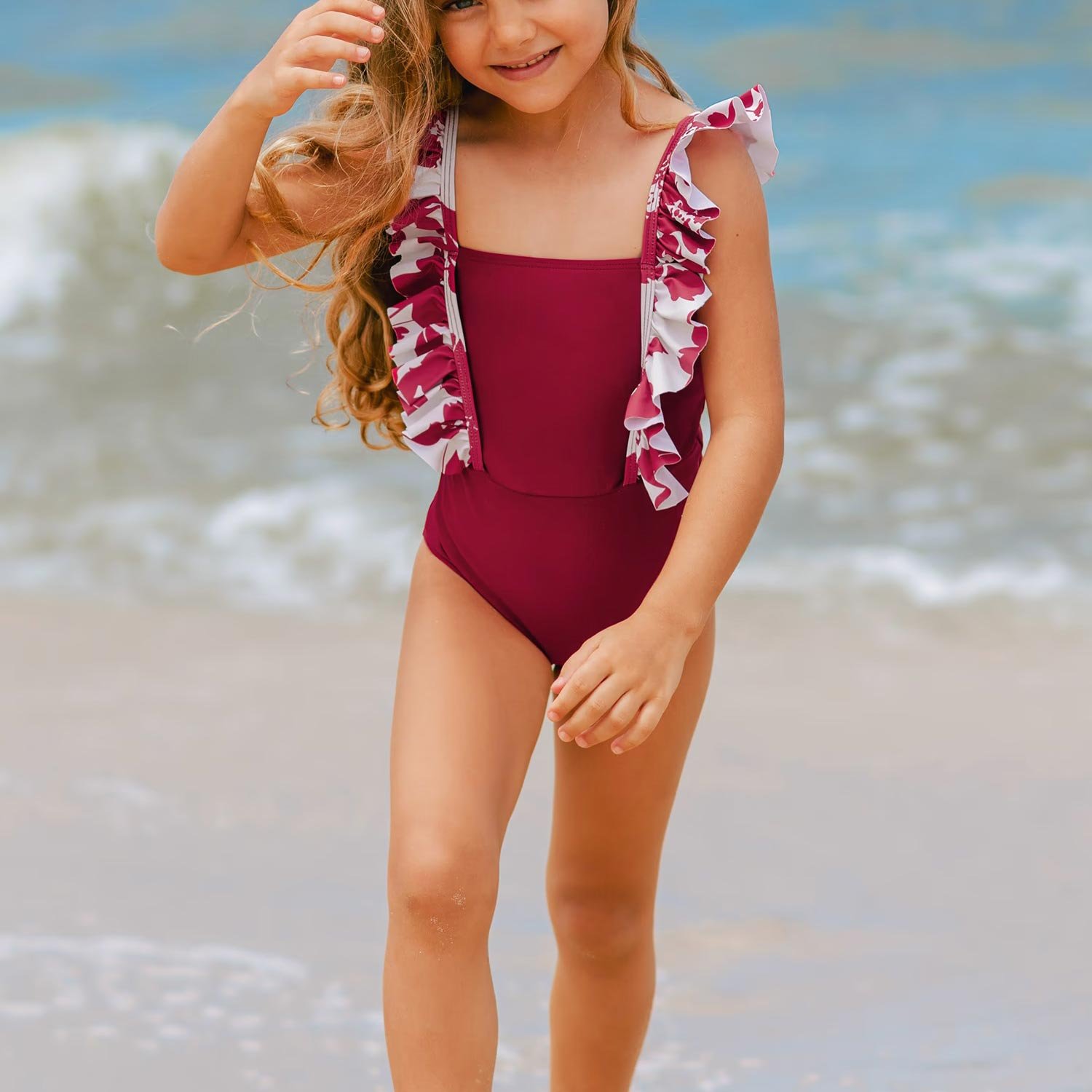
The risks inherent in selecting the wrong OEM manufacturer for swimwear in Guangdong can be substantial. A prime concern is the potential loss of market share, particularly if a supplier fails to deliver on time, leading to missed opportunities and delayed product launches. For fashion brands, releasing new collections in sync with seasonal trends is crucial. A missed deadline isn't just a lost sale — it can signify a trend missed entirely, costing brands their competitive edge.
Beyond immediate sales losses, the financial impact of a poor supplier choice can ripple throughout the business. Delayed product availability often means incurring costs for expedited logistics, last-minute scheduling changes, and, if the delay causes inventory buildup, additional warehousing costs. These unanticipated expenses can strain a brand’s financial health, impacting other operational aspects like marketing or future production.
From a brand’s perspective, customer satisfaction and reputation hinge largely on product quality and reliability. A supplier who fails to maintain consistent quality can lead to dissatisfied customers, resulting in returns and hefty retailers' chargebacks. Inconsistent product quality not only erodes trust but also diminishes the brand's reputation, driving loyal customers toward competitors.
Non-compliance with established safety standards, such as OEKO-TEX certifications, poses another significant risk. These certifications assure consumers that products are free from harmful substances and meet various safety and environmental benchmarks. The absence of compliance runs the risk of legal ramifications and potential product recalls. This not only incurs heavy fines but also imperils a brand’s image, potentially resulting in long-term damage that's difficult to repair.
Recovering from a tarnished market image due to poor supplier choice is fraught with challenges. Reputation rebuilding requires considerable time and resources, often involving strategic rebranding, intensified marketing efforts, and customer trust restoration strategies. These efforts can shift focus from innovation and growth, limiting a brand's ability to capitalize on market opportunities during recovery.
In essence, aligning with a reliable OEM manufacturer is crucial. It acts as a cornerstone for operational success, safeguarding the brand’s position in the market, ensuring compliance with stringent safety standards, and preserving brand integrity and consumer trust in the long term.
Navigating Guangdong’s Manufacturing Landscape
Guangdong is renowned for its vast and diverse manufacturing landscape, particularly for textiles and swimwear. The province is home to countless factories ranging from small-scale operations to large production facilities, making it essential to choose the right partner that aligns specifically with your swimwear production needs. Understanding this scale ensures that buyers can find a manufacturer capable of handling any volume or specialty production while remaining flexible.
Selecting the right factory requires more than just checking out their basic services. Each swimwear brand has unique production needs, influenced by factors like design complexity, material choice, and ethical sourcing commitments. Visiting and auditing factories firsthand is crucial to witnessing the production line capabilities, quality control measures, and workforce dynamics which are crucial to meeting these needs. A comprehensive on-site evaluation allows buyers to gauge whether a factory can genuinely deliver the quality and standards promised.
Another essential aspect of sourcing in Guangdong is verifying OEM certifications such as OEKO-TEX, which ensures that materials meet basic safety standards. Authenticating these certifications provides reassurance that the products will meet international safety and sustainability standards, which is especially crucial for maintaining brand integrity in Western markets.
Communication and cultural fit are often overlooked but significant when working with Chinese manufacturers. It's vital to assess the factory's responsiveness, clarity in communication, and willingness to collaborate on problem-solving. Effective communication can eliminate misunderstandings that lead to costly mistakes and ensure that the partnership is productive and harmonious.
Key Factors in Choosing Guangdong Factories
| Factor | Description | Best Practices | Common Pitfalls |
|---|---|---|---|
| Production Volume | Ability to handle your required scale | Visit and verify production capacity | Overestimating factory capabilities |
| Specialization | Expertise in specific swimwear types | Check past projects and product scope | Partnering with non-specialized factories |
| Compliance | Certification status like OEKO-TEX | Request and verify certification documents | Relying on verbal assurances |
| Communication | Factory's ability to clearly articulate processes | Regular meetings and check-ins | Assuming passive communication works |
| Cultural Fit | Collaboration practices and problem-solving | Engage in open dialogue and site visits | Ignoring cultural differences |
When deciding on a swimwear manufacturer in China, it is often beneficial to explore and evaluate multiple candidates. One way to effectively start this process is by Choosing the Right Swimwear Manufacturer in China, which provides valuable insights into what to keep in mind when making this critical business decision. Conducting a thorough evaluation ensures alignment with production goals and strategic growth potential.
On-the-Ground Factory Evaluation
When conducting an on-the-ground evaluation of potential swimwear OEM manufacturers in Guangdong, several factors demand close scrutiny to ensure the partnership will meet both immediate production needs and long-term strategic goals.
Machinery and Capacity Checks
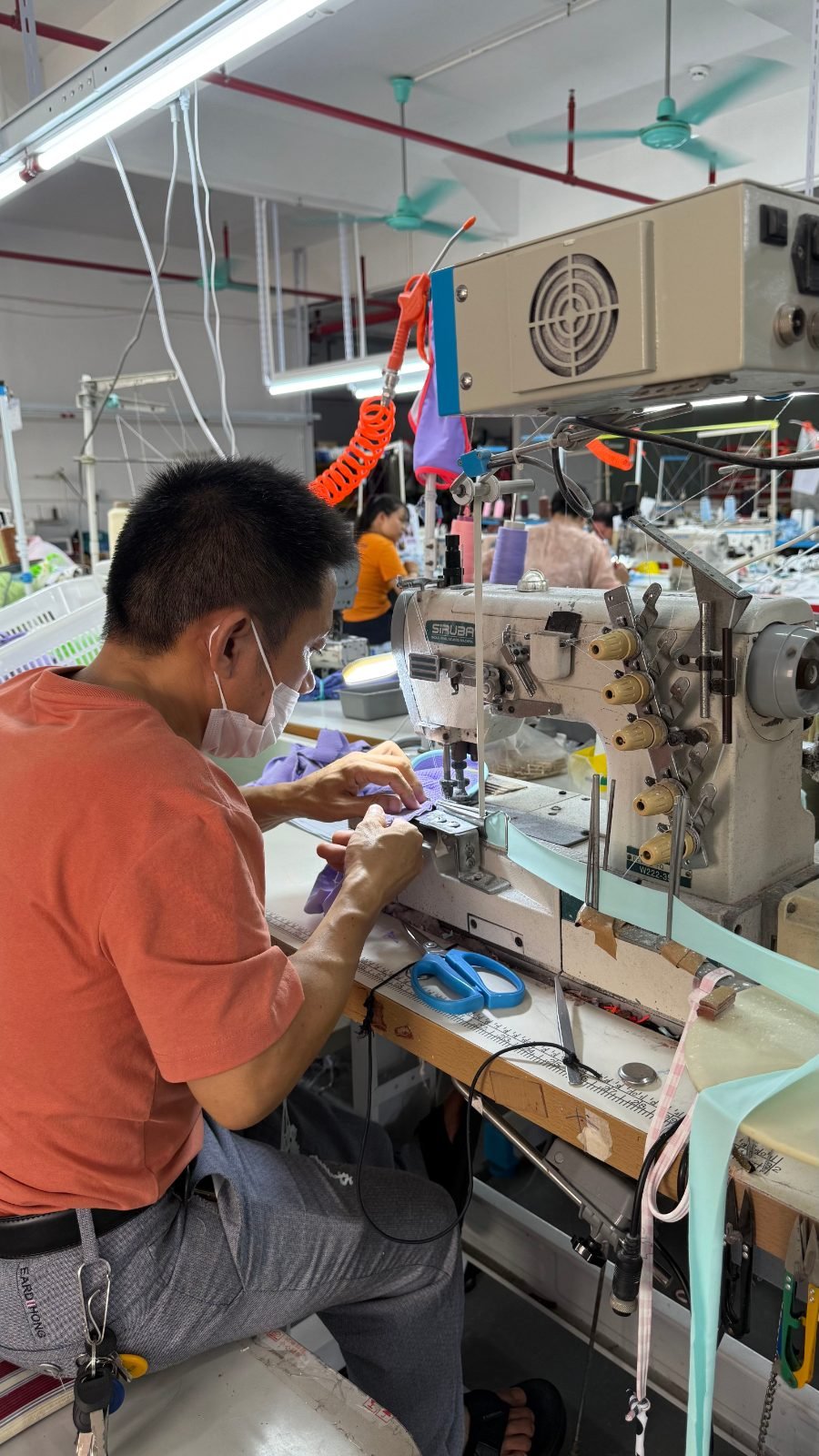
Start the factory tour by assessing the machinery, which offers an immediate indication of the factory's capability. Inspect whether the machines are modern and well-maintained, as this often correlates with the efficiency and quality of production. A factory running outdated or poorly serviced machinery might struggle to meet complex production requirements consistently. Additionally, verify the production capacity; a factory with flexible capacity can better accommodate both small and large order volumes, important for brands anticipating variable demand.
Sample Quality Evaluation
Before finalizing any manufacturing agreement, scrutinize sample quality against your brand's specific aesthetic and performance criteria. Examine fabric stitching, color consistency, and design adherence in multiple samples provided by the factory to assess consistency across different production batches. Issues like poor stitching or inconsistent dye quality can lead to substantial returns and dissatisfied customers, tarnishing the brand image.
Engagement with Factory Workers
While touring the facility, engage with factory workers directly, which can provide insights into the factory's work environment and operational workflows. A well-trained and content workforce often results in higher quality outputs and more reliable delivery schedules. The morale of the staff can be a strong indicator of production stability and quality consistency over time.
Verifying Eco-Friendly Practices
Look for visible signs of eco-friendly practices, such as waste recycling protocols and the use of sustainable materials. With sustainability gaining prominence, factories demonstrating genuine commitment to eco-friendly operations can enhance a brand's market appeal. Check for certifications like Global Recycle Standard (GRS) in line with industry expectations, though always verify these claims.
Alignment with International Safety Standards
Ensure the factory operates in compliance with international safety standards, a critical factor for global market competitiveness. During the tour, request documentation supporting compliance with standards such as OEKO-TEX and other local mandates like GB/T 18401 for textiles. This verifies that the factory consistently produces safe, compliant products.
For insights into real-world factory operations and processes, consider examining this Navigating OEM Swimwear Manufacturing in China: A Case Study. It highlights valuable considerations for ensuring quality and aligning with brand-specific requirements during OEM partnerships.
Steps Taken to Ensure Quality and Compliance
Ensuring quality and compliance in swimwear manufacturing requires meticulous planning and execution. The foundation lies in adopting a rigorous supplier vetting process, underpinned by robust key performance indicators (KPIs) that qualitatively and quantitatively assess the manufacturer's performance. An integral part of this strategy involves confirming that all materials meet internationally recognized safety standards.
One of the first steps involves creating a comprehensive checklist for supplier evaluation, focusing on their adherence to standards such as OEKO-TEX certification. This step guarantees that materials used are free from harmful substances and safe for skin contact. Prospective partners must demonstrate compliance through documented certifications and audits.
Compliance Checklist for OEM Partners
| Compliance Requirement | Importance | Verification Methods |
|---|---|---|
| OEKO-TEX Certification | Ensures no harmful substances in materials | Inspection of certificates, lab test results |
| Batch Consistency | Guarantees uniform product quality across all shipments | Regular batch sampling and quality audits |
| International Standards | Meets global safety and quality standards for export markets | Certification checks; third-party audits |
| Eco-Friendly Practices | Aligns with sustainability goals | Review of facility operations and waste management |
| Transparent Communication | Improves problem resolution and builds mutual trust | Scheduled meetings, progress reports |
Implementing KPIs aligns the manufacturer’s performance with the buyer's expectations, focusing on key areas such as on-time delivery, defect rates, and material quality. These metrics are tracked consistently to maintain high standards across all production batches.
Regular audits are also vital for maintaining batch consistency and quality. Surprise audits ensure ongoing adherence to quality standards and identify potential issues before they disrupt the supply chain. Through detailed checks and balances, swimwear brands like those partnering with Joysportwear can quickly address inconsistencies, ensuring each batch meets predetermined quality benchmarks.
Moreover, fostering a transparent relationship with manufacturers is a key facilitator for problem resolution. Establishing open communication channels allows for real-time updates on production progress and quick responsiveness to any deviations from agreed specifications. This approach not only promotes reliable production but also helps in building a long-term relationship founded on trust and mutual understanding.
Results Achieved with the Right Manufacturing Choice
By selecting the right manufacturer in Guangdong, swimwear brands have consistently realized heightened product quality, which has substantially boosted customer satisfaction. Maintaining high quality is crucial for swimwear given the demand for durable, well-fitting garments that can withstand exposure to elements like chlorine and saltwater. To ensure quality, brands should consider industry benchmarks such as those for seam strength and color fastness when discussing requirements with their manufacturers. This level of consistency directly correlates with positive consumer feedback and repeat purchases.
Accelerated Market Entry
One of the most critical aspects of choosing the right manufacturing partner is the tangible improvements in lead times. Opting for manufacturers with streamlined production and efficient logistics channels enables brands to bring their products to market more swiftly. Although specific timelines depend on the product complexity and volume, working with organized manufacturers ensures timelines are predictable, mitigating risks associated with seasonal trends and promotional timing.
Enhanced Brand Reputation
Reliable delivery schedules contribute significantly to a brand’s reputation. In an industry where timing can dictate sales success, manufacturers like Joysportwear are pivotal. Their commitment to dependable production schedules ensures that fashion brands can confidently meet market demands. A track record of on-time delivery not only satisfies retailers and partners but also cements a brand's reliability in the eyes of consumers.
Sustainable Production Goals
The increasing consumer emphasis on sustainability cannot be overstated. Brands that align themselves with manufacturers using eco-friendly processes gain a crucial edge. Joysportwear’s adherence to OEKO-TEX standards, which ensure textile products are free from harmful substances, reflects this commitment. Such measures not only appeal to eco-conscious consumers but also align with corporate responsibility goals.
Competitive Advantage
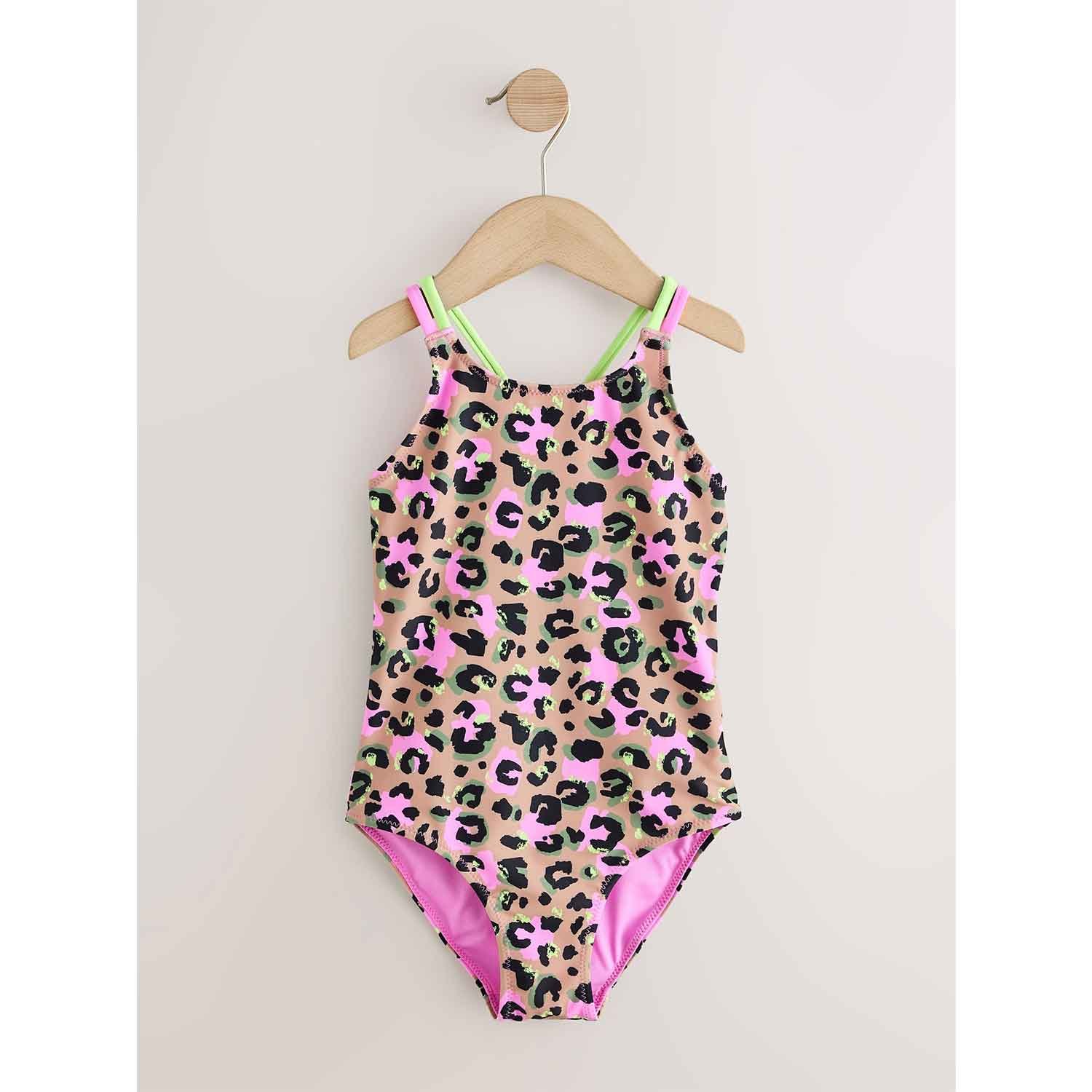
Sourcing from a proficient manufacturer also provides a decisive competitive edge in the fashion market. Brands leveraging these relationships can deliver collections that stand out — due to both distinctive designs and robust manufacturing support. In competitive markets, this advantage is often pivotal, allowing brands to innovate and respond adeptly to industry shifts.
By partnering with manufacturers that prioritize quality, sustainability, and timely delivery, brands are well-positioned to capture and sustain market interest.
What to Consider for Future Sourcing Decisions
Navigating future sourcing in swimwear manufacturing demands more than reacting to immediate needs—it's about proactively shaping a supply chain that anticipates changes and withstands market shifts. Constant vigilance on manufacturing practices and market trends ensures your brand remains competitive.
Continual Monitoring and Adaptation
Monitoring industry trends and manufacturing practices keeps your swimwear line nimble. For instance, keeping abreast of the increasing use of sustainable materials ensures your brand aligns with consumer demand for eco-friendly products. This vigilance not only helps improve product offerings but also arms you with insights for identifying shifts—such as the rise of new textile technologies or changing consumer expectations—that could impact your design pipeline.
Flexibility to Embrace Design Innovations
The swimwear industry is dynamic, with design innovations evolving rapidly. Your OEM partner should ideally be adaptable to incorporate new technologies and designs. This includes integrating the latest fabric technologies that offer enhanced performance attributes like chlorine resistance and UV protection, which are gaining traction. When selecting a manufacturer, ensure they have the potential to incorporate these innovations efficiently to maintain your competitive edge and appeal to an evolving market.
Clear and Continuous Communication
Strong communication forms the backbone of a successful OEM relationship. This means not only maintaining regular contact but ensuring clarity and understanding at every stage. From design briefs and prototypes to production timelines, every communication touchpoint should reinforce expectations and objectives. Simple actions like regular updates and feedback loops can prevent small issues from escalating into significant delays or rework.
Reevaluating and Renegotiating Terms
Markets and business landscapes evolve, and sourcing terms should too. Regularly revisit your agreements with suppliers to ensure they reflect current business goals, market conditions, and cost structures. Flexibility in contracts can protect your brand from market volatility, enabling quick responses to cost shifts or shifts in demand.
Maintaining Consistent Quality for Brand Reputation
Brand longevity depends on a robust reputation built on product quality. Future-proof your brand by instilling a culture of quality assurance in your sourcing strategy. Regular quality audits and tight control over production standards safeguard against non-compliance risks and support sustained consumer trust.
Future Sourcing Strategy Elements
| Element | Description | Future Impact |
|---|---|---|
| Monitoring Trends | Keeps abreast of industry changes | Enables quick adaptation to market demands |
| Adapting Innovations | Incorporates cutting-edge design features | Fuels competitive advantage |
| Clear Communication | Reinforces alignment and expectations | Minimizes production errors |
| Revisiting Contracts | Updates terms to reflect current realities | Protects against market volatility |
| Quality Assurance | Ensures product quality standards | Bolsters brand reputation |
Build an OEM strategy with these considerations in mind, and your brand can not only endure but thrive in the dynamic world of swimwear fashion.
Looking at Your Sample to Tailor the Fit
At Joysportwear, flexibility in addressing various swimwear project needs is essential. We invite you to share your samples, drawings, or specifications so we can discuss options that suit your requirements. By evaluating your designs, we can suggest practical materials or construction methods to achieve the desired performance and aesthetic. Consider sharing as much input as possible to ensure custom solutions align with your brand’s identity. This personalized insight not only ensures optimal design fit but also supports overall project success. Let's collaborate to translate your vision into quality swimwear.
FAQ: Sourcing Swimwear OEM in Guangdong
What should I verify about a factory's certification?
Always confirm the factory holds relevant certifications like OEKO-TEX and can provide up-to-date documents. This ensures compliance with international safety standards and enhances product marketability.
How do I handle communication barriers with Guangdong manufacturers?
Establish clear, written communication channels and ensure key points are consistently documented. Use bilingual liaisons to bridge linguistic differences.
What are red flags to watch for during factory audits?
Look for outdated machinery, poor working conditions, and inconsistent production processes. It's advisable for buyers to inquire about these factors and clarify quality expectations with potential suppliers.