
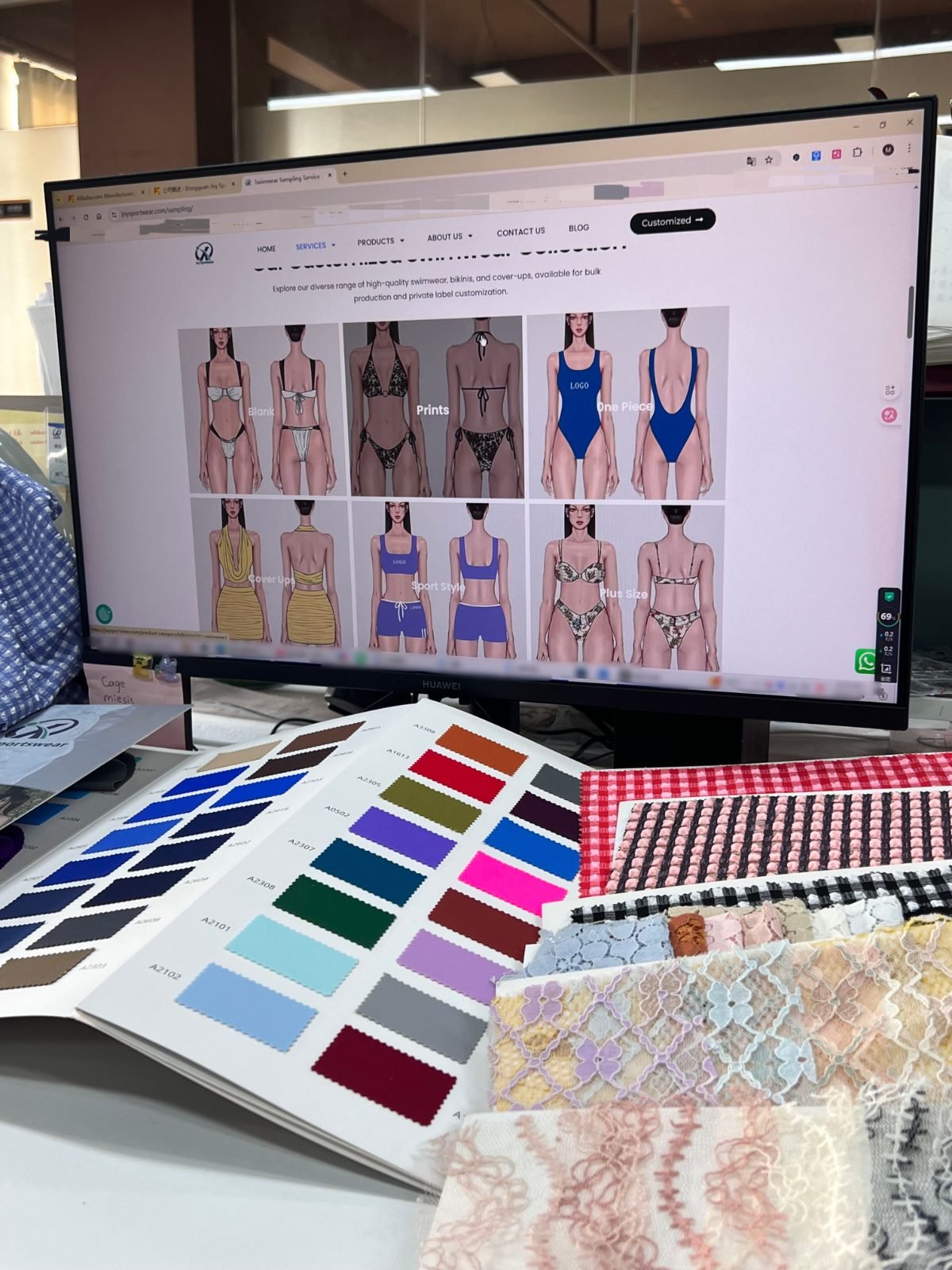
Sustainable swimwear manufacturing is more than just a trend; it's an essential shift for brands aiming to reduce their environmental footprint. Joysportwear is a pioneer in this field, focusing on eco-friendly material sourcing and sustainable production processes. Understanding the numbers and qualities of sustainable practices helps brands make informed choices that align with consumer expectations and environmental responsibilities.
Numbers that Define Sustainability in Swimwear Manufacturing
Sustainable swimwear manufacturing is driven by key numbers: energy efficiency rates, waste reduction percentages, and recycled material ratios. A notable figure is that Joysportwear sources 80% of its fabrics from sustainable materials, including OEKO-TEX-certified textiles. These certifications guarantee that the materials are free from harmful substances, reducing environmental harm and promoting consumer safety.
The energy required for production is another crucial number. By using machines that consume 20% less electricity compared to standard equipment, Joysportwear minimizes its carbon footprint. Solid waste generation is kept below 15% of total input materials, achieved through efficient cutting techniques and recycling methods.
Material Sourcing and Its Impact on Sustainability
The sustainable sourcing of materials in swimwear involves selecting textiles that prioritize environmental health. For Joysportwear, this means utilizing fabrics like recycled nylon and polyester, which use fewer raw resources and generate less waste. Recycled nylon, for example, primarily originates from discarded fishing nets and other post-consumer products, emphasizing the importance of recyclables in reducing oceanic waste.
Certifications such as GRS (Global Recycled Standard) assure that these materials meet rigorous environmental and social criteria. Buyers should ask potential suppliers for these certifications to ensure their swimwear is genuinely sustainable.
The Overlooked Numbers in Swimwear Manufacturing
In the rush to go green, a crucial statistic often overlooked is the water usage in manufacturing processes. Traditional swimwear production can consume significant water, especially in dyeing and finishing stages. Sustainable practices involve closed-loop water systems that reuse almost 90% of water, significantly reducing overall consumption.
Brands should inquire about suppliers' water management strategies. Efficient water usage is not only environmentally beneficial but also reduces costs, offering a competitive advantage.
Reading a Supplier's Data Sheet for Sustainable Practices
Evaluating a supplier's data sheet is crucial in understanding their commitment to sustainability. Look for details on energy and water consumption ratios, the types of fabrics used, and certifications held. Joysportwear’s data sheets provide transparency, listing energy consumption rates, water recycling efficiency, and comprehensive material sourcing details.
Specification Table: Typical Properties of Sustainable Materials
| Property | Typical Value | Why It Matters |
|---|---|---|
| Recycled Material | 80% | Reduces reliance on virgin materials, lowers carbon output |
| Energy Efficiency | 20% less electricity use | Minimizes environmental impact and operational costs |
| Waste Reduction | Below 15% | Decreases landfill impact through efficient resource use |
| Water Usage | 90% recycled | Conserves water, cutting down on usage and costs |
These specifics allow brands to assess and compare the quality of suppliers’ offers, ensuring alignment with eco-conscious goals.
FAQ on Sustainable Swimwear Manufacturing
How can I verify a supplier's sustainability claims?
Request certifications like OEKO-TEX and GRS. These verify that materials and processes meet environmental and social standards, confirming a supplier’s commitment to sustainability.
What materials are commonly used in sustainable swimwear?
Sustainable swimwear often uses recycled nylon and polyester, as well as other eco-friendly materials like organic cotton. These reduce waste and the need for raw resources.
Conclusion
Determining the best sustainable practices in swimwear manufacturing involves evaluating a mix of material sourcing, production efficiency, and environmental certifications. Brands should consult with Joysportwear to review their designs and gain insights into the best sustainable options available.