Sustainable practices in swimwear manufacturing involve the use of eco-friendly materials, ethical production methods, and strategies aimed at minimizing environmental impact. Joysportwear exemplifies this by employing sustainable fabrics like recycled polyester and organic cotton, and by optimizing manufacturing processes to reduce waste. Understanding these practices helps brands align with consumer demands for responsible production and can lead to competitive advantages in the rapidly growing market for eco-conscious swimwear.
Consumers are increasingly valuing sustainability. Swimwear manufacturers, therefore, have a golden opportunity to stand out by embracing eco-friendly practices. Learn about vital considerations including materials, ethical labor practices, and smarter manufacturing in swimwear production.
What Are Sustainable Fabrics in Swimwear?
Sustainable fabrics in swimwear, such as recycled polyester and organic cotton, offer reduced environmental impact while maintaining performance standards. Recycled polyester, often derived from post-consumer plastic waste, offers a lower carbon footprint than virgin polyester. According to the Global Recycled Standard (GRS), this can reduce energy consumption by up to 50%. Organic cotton, another popular choice, is GMO-free and grown without synthetic pesticides, preserving soil and reducing water usage by approximately 91% compared to conventional cotton.
Benefits of Using Recycled Polyester
Recycled polyester is created by melting down existing plastic and respinning it into new polyester fiber. It maintains the same durability as virgin polyester but requires 59% less energy to produce according to Textile Exchange. This implies substantial savings on energy while offering comparable swimwear longevity and stretch.
Why Choose Organic Cotton?
Organic cotton benefits extend beyond environmental factors. Its hypoallergenic properties make it ideal for skin-sensitive consumers. From an ecological standpoint, its cultivation employs less water and fewer harmful chemicals, thus contributing to safer ecosystems. Brands keen on distinguishing themselves as ethical can consider integrating organic cotton into their swim collections.
How Does Ethical Production Impact Swimwear?
Ethical production in swimwear manufacturing ensures safe working conditions, fair wages, and the elimination of labor exploitation. Compliance with standards like SA8000 reflects a commitment to human rights and social justice, encouraging more transparent supply chains.
Ensuring Fair Labor Practices
Joysportwear emphasizes ethical practices by adhering to labor standards emphasizing safe working conditions and fair wages. Businesses that follow ethical guidelines not only comply with international standards but also boost their reputations, contributing positively to their brand image.
Transparent Supply Chain
A transparent supply chain allows brands to track materials from origin to finished product. This includes documenting every stage—sourcing, manufacturing, and distribution. Transparency increases accountability for sustainable measures and reassures environmentally conscious consumers.
What Are Low-Impact Manufacturing Techniques?
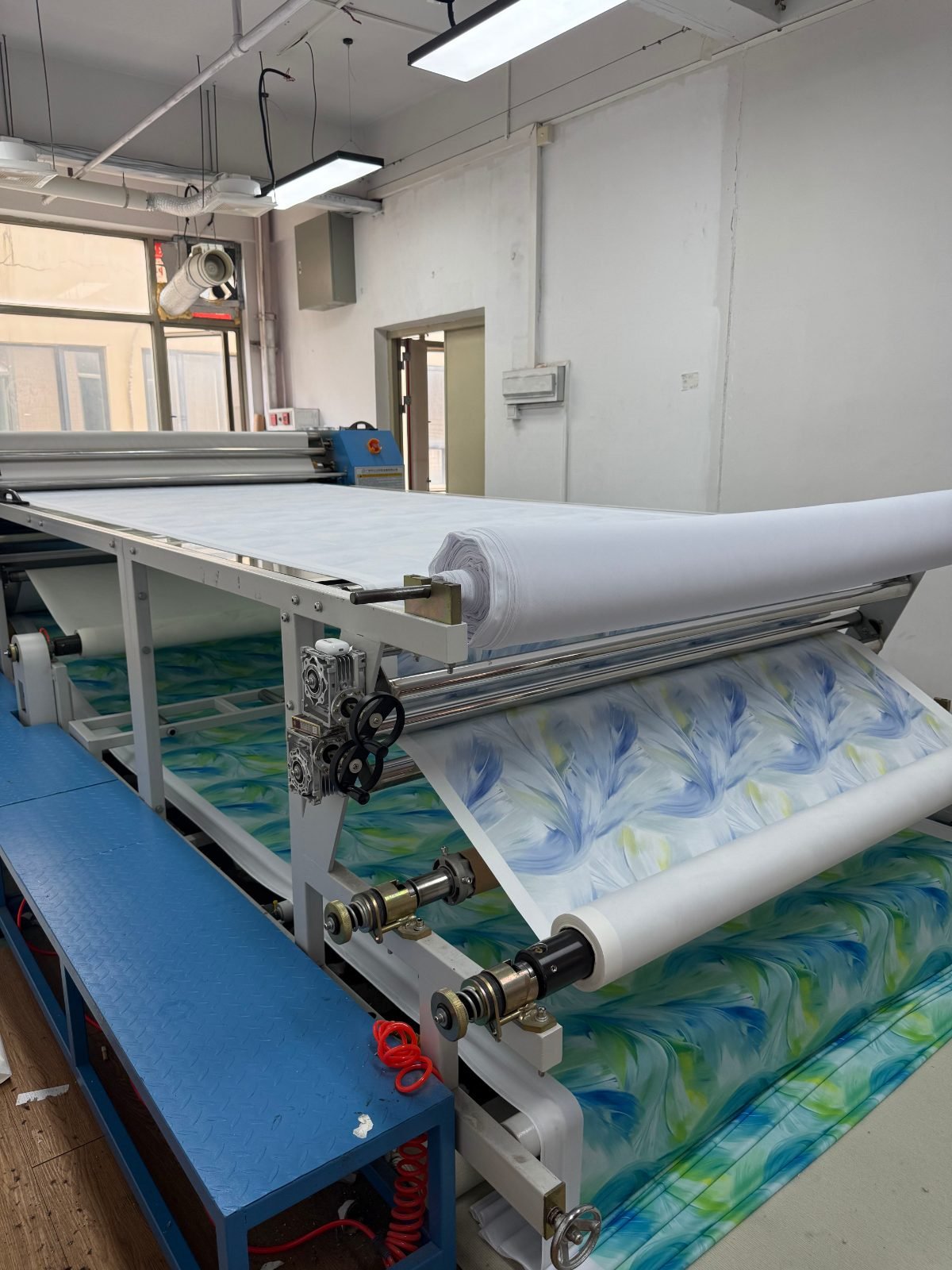
Low-impact manufacturing techniques minimize the environmental footprint of swimwear production through water, waste, and energy reductions. Techniques include digital printing, which limits water use and chemical runoff, and closed-loop dye processes that reduce freshwater usage.
Digital Printing and Dyeing Methods
Digital printing enables precise fabric coloration with minimal water or chemical waste. Unlike traditional dye techniques that can consume over 150 liters of water per kilogram of fabric, digital alternatives use almost 10 times less.
Energy Reduction in Production
Energy-efficient machinery, such as heat recovery dryers, reduces the overall energy consumption during manufacturing. Investing in renewable energy sources—like solar or wind—integrates sustainability into the entire production process and significantly decreases carbon emissions.
How Does Joysportwear Incorporate Sustainable Practices?
Joysportwear incorporates sustainability into its manufacturing by adopting eco-friendly fabrics, ethical labor standards, and efficient processes. This approach not only appeals to environmentally conscious brands but aligns with global sustainability goals.
Eco-Friendly Product Lines
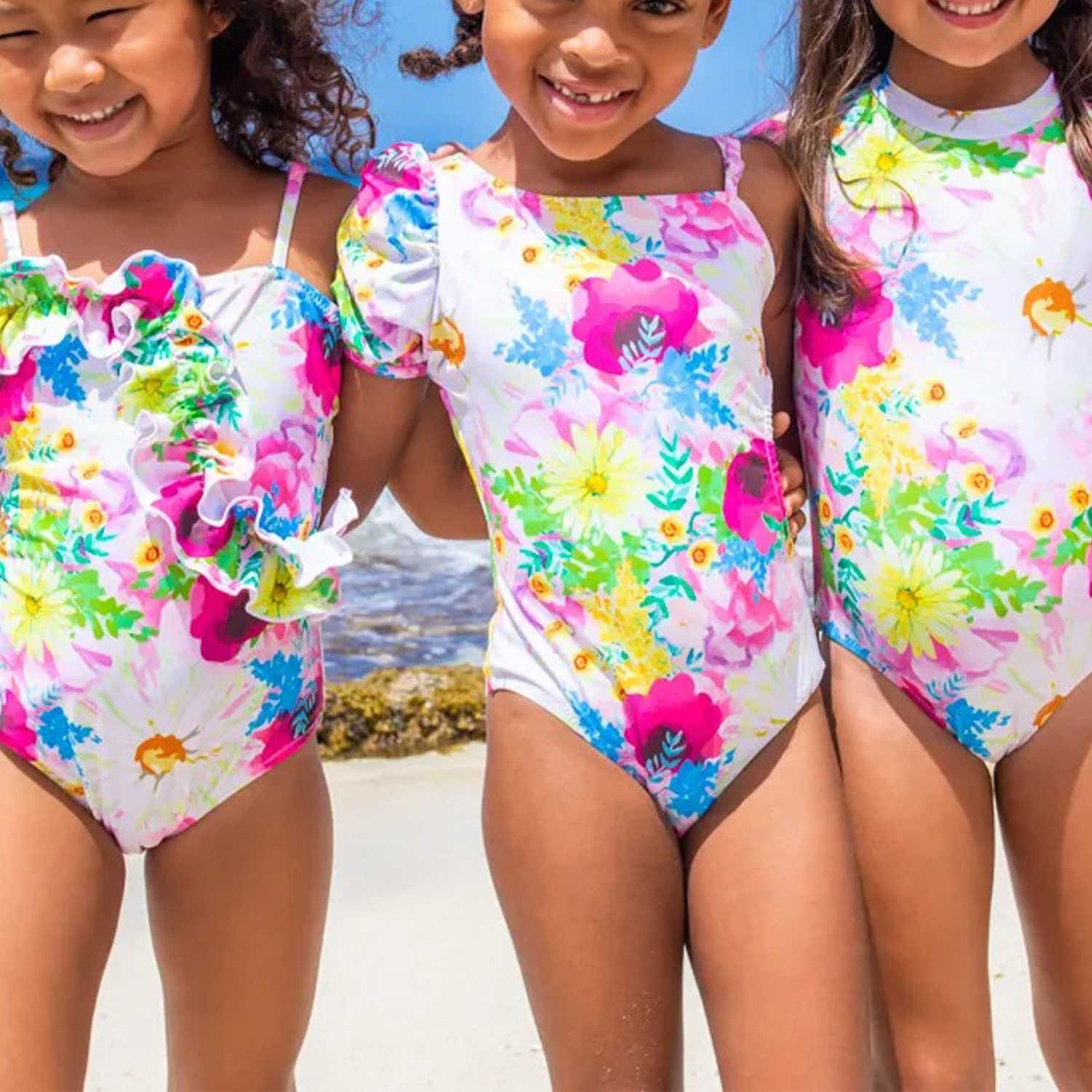
With a broad range of eco-friendly product offerings, such as their Stylish Tankinis – Versatile Swimwear Solutions, Joysportwear meets the growing demand for sustainable options.
Certification and Compliance
Joysportwear holds certifications like OEKO-TEX and GRS, ensuring materials meet stringent environmental and social criteria. These certifications guarantee both safety for consumers and compliance with sustainability practices, providing a measure of quality.
How Does Recycling Contribute to Sustainable Production?
Recycling in swimwear manufacturing encompasses using recycled materials and implementing waste management systems. By recycling cutting waste, companies can reduce overall material costs and achieve significant environmental benefits.
Circular Economy Practices
Incorporating circular economy principles, Joysportwear reuses material waste and incorporates it back into the production cycle. This reduces the need for new resources and diminishes overall environmental impact.
Benefits of Waste Reduction
Efficient waste management practices can decrease landfill contributions and improve resource efficiency. Clients opting for manufacturers with such measures reduce their brand's ecological footprint.
Selecting a Sustainable Swimwear Manufacturer
When selecting a sustainable swimwear manufacturer, consider their materials sourcing, ethical labor practices, and environmental impact strategies.
Key Criteria
- Certifications: Ensure manufacturers have certifications like OEKO-TEX and GRS.
- Supply Chain Transparency: Look for clear documentation of sourcing and production processes.
- Material Innovation: Evaluate the use of sustainable fabrics such as recycled polyester.
- Labor Practices: Research adherence to ethical labor standards like SA8000.
FAQs About Sustainable Swimwear Manufacturing
What Certifications Should I Look for in Sustainable Swimwear?
Look for certifications like OEKO-TEX, GRS, and SA8000, which ensure that materials and labor practices meet high sustainability standards.
How Can Ethical Production Affect a Brand's Image?
Ethical production ensures fair labor practices and transparency, which can enhance a brand's reputation by appealing to socially conscious consumers.
Why Is Recycled Polyester Widely Used in Eco-Friendly Swimwear?
Recycled polyester reduces energy consumption by up to 50% compared to virgin polyester, making it a more sustainable option with comparable quality.
How Important Is Transparency in the Supply Chain?
Transparency builds trust with consumers and enables accountability, ensuring that all sustainability claims are verifiable and honest.
Can Organic Cotton Be Used in Swimwear?
Yes, organic cotton can be used in swimwear, offering benefits such as reduced environmental impact and skin-friendly properties for sensitive wearers.
Conclusion
Sustainable practices in swimwear manufacturing are integral to meeting consumer demand and environmental standards. Choosing manufacturers like Joysportwear, which prioritizes eco-friendly materials and ethical production, enhances your brand's market position. For a sustainable initiative, send a sample order to Joysportwear to evaluate quality and sustainability alignment.