
Sporty swimwear is becoming an increasingly visible part of the modern swimwear market. While traditional bikinis often focus on minimal coverage and decorative details, sporty styles place greater emphasis on support, secure fit and freedom of movement.
This does not mean consumers are replacing fashion swimwear with professional racing suits. Instead, many buyers are looking for swimwear that combines an athletic appearance with the comfort and versatility expected from a lifestyle product.
For swimwear brands, sporty swimwear represents more than a temporary design trend. It reflects a broader change in how consumers use swimwear and what they expect from it.
What Is Sporty Swimwear?
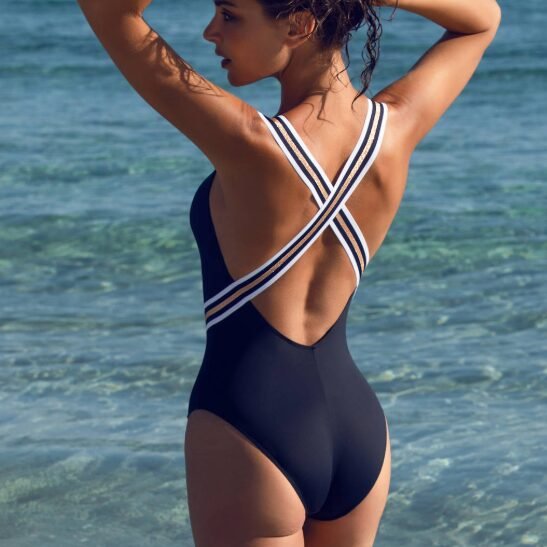
Sporty swimwear combines visual elements from activewear with the materials and construction used in fashion swimwear.
Common designs include wide shoulder straps, racerback tops, high necklines, supportive underbust bands and bottoms with more secure coverage. Color blocking, contrast piping, front zippers and clean panel lines are also frequently used to create an athletic appearance.
However, sporty swimwear should not be confused with competitive swimwear.
Performance swimsuits are developed primarily for training, racing and reducing water resistance. Sporty swimwear is usually designed for a wider range of activities, including swimming, surfing, beach sports, resort wear and casual outdoor use.
The objective is not maximum athletic performance. It is to provide a stronger combination of style, comfort and stability.
Why Is Sporty Swimwear Growing?
The growth of sporty swimwear is closely connected to changes in consumer lifestyles.
Many consumers no longer use swimwear only for sunbathing or relaxing beside a pool. The same swimsuit may now be worn for swimming, paddleboarding, beach volleyball, surfing or other resort activities. As a result, buyers are paying more attention to whether a swimsuit stays in place during movement.
The influence of activewear has also changed consumer expectations. Sports bras, leggings and fitted performance tops have made supportive silhouettes and athletic color blocking familiar parts of everyday fashion. These design ideas are now being introduced into swimwear collections.
Coverage is another important factor. Not every consumer feels comfortable wearing a low-rise bottom or a lightly structured triangle bikini. Sporty designs can offer wider straps, stronger bust support and more secure bottom coverage without making the product look conservative or outdated.
For brands, this creates an opportunity to attract consumers who want practical swimwear but still care about contemporary design.
Key Design Features of Sporty Swimwear
Developing a successful sporty swimwear collection requires balancing technical construction with visual appeal. Below are the four critical pillars of sporty swimwear design.
1. Supportive Tops
In sporty swimwear, support must be engineered naturally through structural drafting rather than heavy, rigid padding. High-cut scoop necks, high necklines, and squared tops contain bust volume during active motion. Wide, encapsulated under-bust bands (1.5 to 2 inches) anchor the garment against the torso. However, brands must avoid simply adding extra layer weight; optimal support stems from precise elastane-to-nylon ratios, back wing tension, and internal mesh cradles.
2. Secure Bottoms
Shallow, low-rise string bottoms are prone to shifting in active surf. Sporty bottoms rely on mid-to-high rise waistlines, thicker waistband elastics, and wider side panels (3+ inches) to lock the garment in place. Medium-to-full seat coverage ensures stability without sacrificing a modern, athletic leg cut that allows full hip flexion.
3. Athletic Color Blocking & Visual Sculpting
Color-blocking is a primary aesthetic marker for sporty swim. Strategic side paneling, raglan sleeve accents, and contrast binding lines do more than visually communicate “sport”—they actively sculpt the silhouette. Darker side panels combined with lighter central panels create slimming optical illusions while highlighting athletic body contours.
4. Functional Internal Construction
The distinction between cheap fast-fashion imitations and authentic sporty swimwear lies in the internal construction. Key structural requirements include:
- Flatlock & Reinforced Coverstitching: Reduces seam friction against bare skin and prevents thread snapping under high stretch.
- Enclosed Elastic Edging: Premium internal elastic bands along leg openings and armholes ensure shape memory after exposure to saltwater.
- Double-Lined / Power-Mesh Frameworks: Interior mesh panels across the chest and abdomen provide subtle compression and breathability without adding bulk.
Fabric Matters More in Sporty Swimwear
Fabric selection directly determines whether a sporty swimwear piece performs well or loses shape after two swims. Brands must choose materials based on target activity levels:
- Nylon-Blended Fabrics (PA / EA): Best for fashion-focused sporty ranges and lounge-to-water transition wear. Exceptionally soft hand-feel, rich color depth, superior stretch recovery, and premium tactile feel against skin.
- Polyester-Blended Fabrics (PBT / PES): Best for high-frequency swimming, surf, and chlorine exposure. Exceptional chlorine resistance, high UV protection (UPF 50+), superior color fastness, and high tensile strength.
Weight (GSM) & Elasticity Dynamics: Higher weight fabrics (220–280 GSM) provide comforting compression, opacity, and shape retention, making them ideal for structured tops and high-waist bottoms. Lighter weight fabrics (170–200 GSM) offer soft flexibility but require double-lining or internal power-mesh support to prevent sagging when wet.
Critically, high elastic recovery rate (the speed and percentage at which fabric snaps back after stretching) is far more important than mere initial stretch capacity. Without strong recovery, sporty swimwear will sag under water weight.
Sporty Swimwear vs. Performance Swimwear
Confusing sporty swimwear with performance gear leads to flawed product development. The table below highlights key differences that brands must keep in mind:
| Dimension | Sporty Swimwear (Hybrid / Lifestyle) | Performance Swimwear (Athletic / Competition) |
| Primary Focus | Style, multi-activity security, comfort, versatility | Speed, hydrodynamics, muscle compression, durability |
| Sizing & Fit | Standard fashion sizing (S–XL), comfortable stretch | Tight compression fit, tight sizing bands |
| Aesthetics | Trendy color blocking, flattering lines, stylish cuts | Minimalist, utilitarian, focused on drag reduction |
| Target User | Casual swimmers, surfers, active vacationers | Lap swimmers, competitive athletes, triathletes |
Which Brands Can Benefit from This Trend?
Rather than redesigning an entire catalog, brands across several categories can strategically introduce sporty swimwear capsule collections:
- Young Casual Swimwear Brands: Add structural variety to complement skimpy or string bikini offerings, capturing active consumers.
- Activewear & Athleisure Brands: Seamlessly extend existing customer loyalty from the gym into water sports and resort destinations.
- Surf & Water Sports Labels: Elevate utility-driven surf wear with fashionable cuts, trend colors, and softer hand-feel fabrics.
- Inclusive & Coverage-Focused Brands: Offer supportive, secure options that build confidence for diverse body shapes and bust sizes.
Conclusion
The sporty swimwear trend is not a fleeting seasonal fad; it represents a permanent evolution in consumer expectations. Modern buyers want swimwear that delivers fashion without sacrificing physical freedom, comfort, and support. For swimwear and activewear brands alike, the commercial value lies in engineering products that truly perform—combining thoughtful pattern drafting, high-recovery fabrics, and functional trims.
If you are planning to develop a sporty swimwear collection, working with an experienced swimwear manufacturer can help you select suitable fabrics, refine the fit and create the right support structure for your target market.
Contact us to discuss your designs, sample development and custom production requirements.