
A swimsuit may look great when it is new, but pool water can quickly reveal hidden quality problems. After repeated exposure to chlorine, some fabrics begin to fade, lose stretch, or lose their shape. That is why chlorine-resistant swimwear matters.
As an experienced swimwear manufacturer, we want to share the practical insights behind chlorine-resistant swimwear construction, material selection, and production realities.
What Destroys Swimwear?
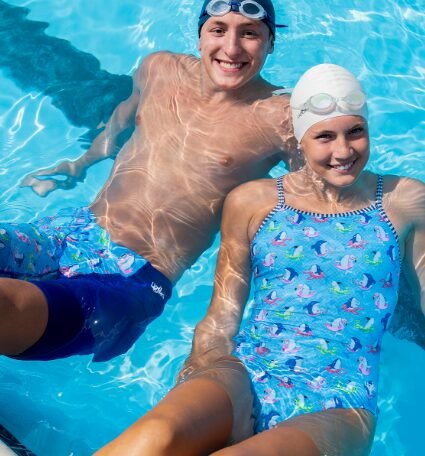
To select the right materials, we must first look at how pool water interacts with textile fibers. Swimming pools rely on chlorine as a powerful sanitizer. While it keeps water clean, it acts as a strong oxidizing agent on clothing.
Chlorine mainly affects swimwear in 3 ways:
- Elastane Degradation (Loss of Shape): Standard elastane (spandex or polyurethane) provides excellent initial stretch and recovery. However, chlorine molecules attack and break down the chemical bonds within these elastic chains. Once degraded, the fabric loses its memory, resulting in permanent stretching and bagging.
- Color Fastness Failure (Bleaching Effect): Chlorine reacts with standard textile dyes, essentially performing a slow bleaching process. This causes rich shades, blacks, and neon colors to lose their vibrancy far quicker than they would through normal washing or UV exposure.
- Fabric Surface Damage: Chlorine can gradually damage the surface structure of swimwear fabrics, especially after repeated pool exposure. As the fibers weaken, the fabric may lose its original smoothness and begin to feel dry, thin, or rough against the skin.
For a brand, chlorine resistance should be treated as a performance requirement, not a marketing phrase.
Choosing the Right Base Materials
When reviewing fabric swatches from your manufacturer, sensory touch is only part of the equation. Brands must evaluate the fiber composition to ensure it aligns with the intended use of the collection.
Polyester Fabric
Polyester is one of the most common choices for chlorine-resistant swimwear. It is more resistant to chlorine than nylon, and it tends to hold color well when the dyeing and finishing are properly controlled.
For active swimwear, polyester blends are often a strong choice because they balance durability, color retention, and cost.
However, polyester alone does not give enough stretch for most fitted swimwear. That is why it is usually blended with spandex, or a more chlorine-resistant stretch fiber.
A good polyester swim fabric should feel firm but not stiff. It should stretch smoothly and recover quickly. If the fabric feels too loose at the sampling stage, chlorine exposure will usually make the problem worse.
PBT Swimwear Fabric
PBT is a polyester-based fiber often used in chlorine-resistant swimwear. It holds its shape better than many elastane-rich fabrics and performs well after repeated pool exposure. This makes it a strong choice for training suits, kids’ swimwear, and swim school uniforms.
The main trade-off is feel. PBT fabrics are usually firmer and less stretchy than nylon-spandex fabrics, so the pattern needs careful adjustment. During sampling, brands should check body length, strap tension, and leg openings to make sure the suit feels secure without being restrictive.
Nylon-Spandex Swimwear
Nylon (polyamide) is widely used in fashion swimwear because of its smooth hand feel, soft drape, and rich color performance. However, for repeated pool use, the fabric should be paired with chlorine-resistant elastane and tested carefully for color fading, and stretch recovery.
- The Technical Edge: Instead of standard spandex, brands should specify chlorine-resistant branded elastomers, such as LYCRA® XTRA LIFE™.
- The Result: These specialized yarns are engineered with protective chemical barriers that resist chlorine attack. This combination delivers the luxury feel, comfort, and elasticity of high-fashion swimwear while lasting up to 5 to 10 times longer than untreated alternatives.
Production & Construction Details
Selecting a high-performance fabric is only the first step. If the factory’s production processes do not match the fabric grade, the finished garments will still fail to meet high-quality standards.
Lining
Skimping on the interior lining is one of the most common production mistakes. If a premium chlorine-resistant outer fabric is paired with a cheap, standard spandex lining, the inner layer will degrade rapidly. This causes the swimsuit to lose its structural recovery, creating an unstable, sagging fit from the inside out.
Elastic
The elasticity of leg openings, waistbands, and shoulder straps relies heavily on the internal elastic bands or silicone tape hidden within the seams. Standard rubber bands or low-grade elastics dry out, crack, and lose their snap when exposed to chlorine and body heat.
For long-lasting swimwear, we utilize specialized chlorine-resistant rubber tape (often formulated with synthetic rubber like Neoprene) or high-grade silicone elastics. These materials resist chemical embrittlement, ensuring that the raw edges of the garment maintain their grip and tension over long-term use.
Thread and Stitching
A swimsuit is only as strong as its seams. Under tension, standard sewing threads can snap, and if the thread material isn’t chemically treated, chlorine will eat away at the fibers, causing seams to fray or unravel entirely.
- Material Selection: Polyester threads must be used instead of standard nylon or cotton blends, as polyester inherently resists chlorine degradation and retains its tensile strength in water.
- Stitching Technique: Swimwear requires high-stretch, secure seams. We typically implement specialized stitching configurations, such as flatlock stitching or Zigzag stitch. This high-density stitch engineering ensures that the seams stretch in perfect synchronization with the fabric, eliminating the risk of thread breakage under physical stress.
How Brands Should Test Chlorine-Resistant Swimwear
When sourcing bulk apparel, you should never base your quality assurance purely on a supplier’s verbal promise. As a brand, you should request or independently commission third-party laboratory verification before approving fabric for mass production.
Here are the industry-standard testing methods you should look for:
- Colorfastness to Chlorinated Water (AATCC 162 / ISO 105-E03): This test evaluates how well the fabric’s dye holds up against simulated pool water. Lab technicians immerse the fabric in a concentrated chlorine solution under controlled temperatures and agitation, rating the color change on a standard grey scale from 1 (severe fading) to 5 (no change). For commercial swimwear, a rating of 4.0 or higher is generally expected.
- Stretch and Recovery Retention After Chlorinated Immersion: This mechanical test measures the fabric’s tensile strength and elasticity before and after being soaked in chlorinated water for a specific period (e.g., 96 hours). A high-performance chlorine-resistant fabric should retain at least 80-90% of its original stretch recovery force post-immersion.
Chlorine-Resistant Does Not Mean Care-Free
While fabric engineering has come a long way, it is important to communicate a realistic message to your design team and your end consumers: no material is completely bulletproof. “Chlorine-resistant” means the garment is highly durable and chemically stabilized—it does not mean it is completely immune to abuse.
Even the most premium PBT or treated elastane fabrics will degrade prematurely if they are subjected to poor care habits. Residual chlorine left inside the fibers will slowly concentrate as the water evaporates, intensifying the chemical attack.
Brands can drastically lower return rates by including a clear, practical garment care guide on their hangtags or website:
- Rinse Immediately: Rinse the swimsuit in cool, fresh tap water right after leaving the pool to flush out the bulk of the chemicals before they dry.
- Avoid Heat: Never wash swimwear in hot water, and never place it in a mechanical dryer. Heat breaks down both treated spandex and elastic seam tapes faster than chlorine itself.
- Dry Flat in Shade: Avoid hanging heavy, wet swimsuits by the straps (which stretches seams out of shape) and keep them out of direct, intense sunlight during drying to prevent UV accelerated color fading.
Summary
Building a profitable, sustainable swimwear brand relies heavily on minimizing factory defect rates and maintaining high customer satisfaction. Transitioning to verified chlorine-resistant fabrics, premium synthetic rubber elastics, and reinforced polyester stitching requires a slightly higher upfront material cost, but it eliminates the hidden expenses of returns, customer service complaints, and a damaged brand reputation.
Choosing a manufacturing partner that understands these technical parameters ensures your bulk production matches your brand’s quality promise.