
The string bikini is an absolute classic. For decades, it has remained a staple of beachwear fashion across the globe. However, from a production standpoint, creating the perfect string bikini is a delicate art. Because the garment relies on minimal fabric and strategic tie placements, there is zero room for error.
As a swimwear manufacturer with 13 years of experience, we know firsthand that the secret to a successful swimwear line isn’t just a eye-catching print—it is the precise balance of style, fit, and comfort.
Here is a look behind the scenes at how a great string bikini goes from a design concept to a high-quality finished product.
What Makes a String Bikini Different?
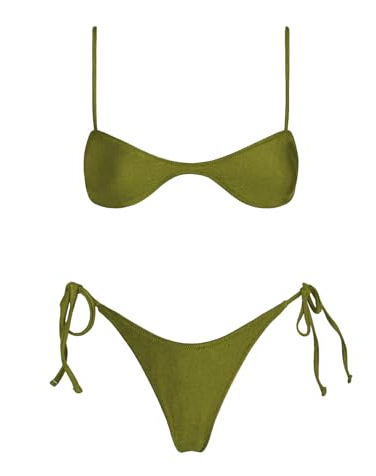
A string bikini is usually defined by its thin straps or ties.
- The top often features triangle cups, sliding cups, halter ties, or adjustable back ties.
- The bottom may include side ties, high-cut legs, V-shaped fronts, or minimal back coverage.
Unlike structured bikini styles, string bikinis rely heavily on adjustability. This gives the wearer more freedom to customize the fit, but it also creates production challenges.
Material Selection
When a garment has minimal coverage, the fabric choice determines everything. The material must feel luxurious against the skin while holding up to chlorine, salt water, and sun exposure.
Premium Fabric Blends
Most high-end string bikinis rely on a blend of Nylon and Spandex (Elastane) or Polyester and Spandex.
- Nylon Blends: Offer a soft, buttery feel and a slight sheen, making them excellent for fashion-forward luxury lines.
- Polyester Blends: Provide superior resistance to chlorine and UV rays, ensuring the colors stay vibrant over time.
Sustainable Fabric Options
Sustainability is also becoming an important factor in string bikini manufacturing. Many brands now choose recycled Nylon or recycled Polyester blends to reduce environmental impact while maintaining the stretch, softness, and durability required for swimwear.
The Role of Linings
A common mistake in manufacturing is neglecting the lining. To ensure ultimate comfort and prevent transparency when wet, a high-quality string bikini requires a four-way stretch lining that matches the elasticity of the outer shell.
Perfecting the Fit
Because string bikinis are highly adjustable by nature, some believe the fit is foolproof. In reality, the cutting and grading patterns must be incredibly precise to ensure the cups and bottoms sit exactly where they are supposed to.
Cup Shape and Coverage
Whether designing a classic triangle top or a modern micro-cut, the curvature of the fabric must account for 3D body contours. During our sample development and fitting phases, we test patterns on multiple body types to ensure the fabric cups the bust securely without flattening or spilling.
Strategic Tie Placement
The placement of the strings dictates how the bikini sits on the hips and shoulders.
- Top Strings: Must be anchored with reinforced stitching so they don’t dig into the neck.
- Bottom Strings: Need to be positioned at an angle that complements the natural curve of the hip, preventing the fabric from bunching up.
Trendy Design
While fit ensures the customer keeps the bikini, style is what makes them buy it. Modern string bikinis are highly versatile, and small manufacturing details can completely change the vibe of a collection.
Colors and Prints

The visual impact of a string bikini relies heavily on color palette and print placement. Since string bikinis use minimal fabric, bold tropical prints, geometric patterns, or classic solid neons need to be carefully scaled so the design doesn’t get lost on a small triangle cup.
Utilizing high-quality sublimation or digital printing ensures that the designs remain crisp, vibrant, and don’t fade or distort when the fabric stretches.
Textured Fabrics
To make a minimalist silhouette stand out, incorporating textured fabrics is a massive trend. Materials like ribbed knit, jacquard, or crinkle fabrics add visual depth and a premium, tactile feel to a classic string bikini. As manufacturers, we carefully adjust our cutting techniques for textured fabrics, as they often have different stretch percentages compared to traditional smooth nylon.
Hardware and Embellishments
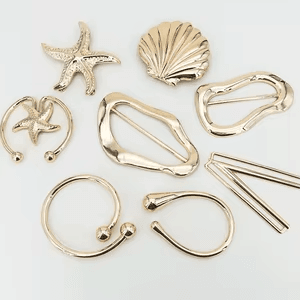
Adding custom hardware,such as gold-plated sliders, resin beads, or branded toggles—instantly elevates a simple string bikini into a luxury item.
We ensure these metals are treated with anti-rust, heat-resistant coatings so they don’t corrode in saltwater or burn the skin under the hot sun.
Reversibility and Multi-Way Wear
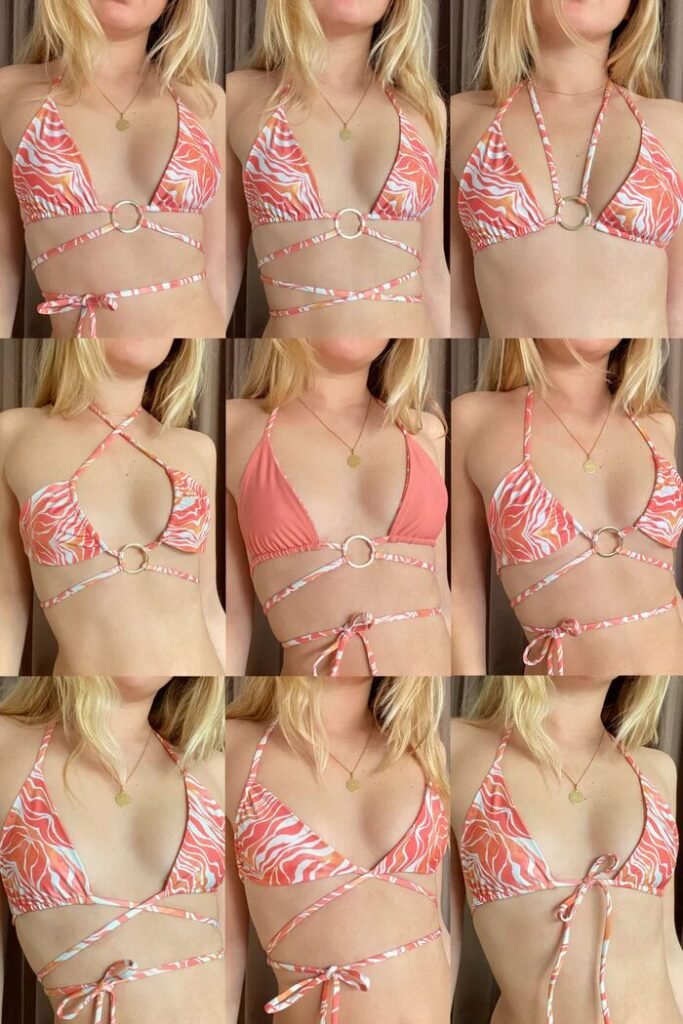
One of the biggest trends in swimwear is maximizing value for the consumer. Designing reversible string bikinis or creating longer straps that allow for multi-way wrapping (like cross-neck or upside-down styles) adds immense value to a swimwear collection without drastically increasing material costs.
Construction
A string bikini may look delicate, but its construction needs to be incredibly tough. It undergoes constant stretching, pulling, and harsh environmental exposure.
The way a bikini is finished internally and externally determines its lifespan and luxury status.
Overlock Finishing and Zig-Zag Stitching
We utilize specialized stretch stitching, such as precise overlock finishing and zig-zag stitches, that move with the fabric. Overlock stitching secures the raw edges internally to prevent fraying, while ensuring the seams remain flat and flexible.
Clean Binding
For a classic look, clean binding is essential. This involves wrapping the edges of the bikini with a separate strip of fabric, which houses the elastic inside. The binding must be perfectly tensioned—if it’s too tight, it will cause the fabric to pucker; if it’s too loose, the edges will wave and lose their shape.
Seamless Construction
For ultimate comfort and a sleek, high-end aesthetic, many brands prefer seamless construction. By hiding the stitches inside the garment, a seamless string bikini lays completely flat against the skin. This eliminates any friction or digging, creating a “second-skin” feel that looks incredibly modern and premium.
Reinforced Channels
The channels where the strings slide through the triangles or bottoms must be securely stitched. If these channels are too tight, the strings won’t move; if they are too loose, the fabric will bunch unevenly.
Conclusion
Manufacturing a successful string bikini line requires a deep understanding of how fabric, design, and human anatomy interact. By prioritizing high-quality materials, precise pattern grading, and durable construction, you can create a collection that looks effortless, fits perfectly, and feels comfortable all day long.
If you are looking to bring your next swimwear collection to life, focusing on these manufacturing fundamentals will ensure your designs truly stand out in a crowded market.