
At first glance, bikinis seem simple, using relatively little fabric and featuring a straightforward design. However, in actual production, bikini manufacturing is widely recognized as one of the most technically demanding categories in the apparel industry.
Swimwear must withstand intense sunlight, chlorine in swimming pools, saltwater, and the strain of the body, so extra care is required during production.
If you are launching your first bikini collection this foundational guide covers the absolute essentials of successful bikini manufacturing: right fabrics, high-stretch fit, and Durability construction.
Swimwear Fabric
In swimwear, fabric dictates how the bikini holds its shape when wet, how vibrant the prints look, and how premium it feels against the skin. You need balance traditional synthetic performance with modern eco-friendly demands.
The Synthetic Foundation: Nylon vs. Polyester
Standard swimwear relies on two primary synthetic fibers, almost always blended with Spandex (Lycra/Elastane) for stretchability (usually an 80/20 or 85/15 ratio):
- Nylon (Polyamide) Blends: The gold standard for solid-color and high-end bikinis. Nylon offers an incredibly soft hand-feel, rich drape, and superior elasticity.
- Polyester Blends: The preferred choice for sublimated digital prints. Polyester absorbs dye beautifully, resists fading from UV rays, and is highly chlorine-resistant, though it has a slightly stiffer texture than nylon.
Sustainable Fabrics
For modern consumers, sustainability is a massive selling point. Integrating recycled textiles into your supply chain is the fastest way to elevate your brand authority:
- ECONYL®: A premium regenerated nylon made entirely from rescued ocean waste (like ghost fishing nets and fabric scraps). It offers the exact same structural quality and luxurious feel as virgin nylon.
- REPREVE®: A world-renowned recycled polyester fiber made from traceable, certified recycled plastic bottles, perfect for eco-friendly printed bikinis.
Critical Fabric Performance Metrics
When testing fabrics from your bikini manufacturer, your Tech Pack must specify the following thresholds:
- Chlorine Resistance: Standard spandex degrades and yellows in pool chemicals. Premium swimwear requires chlorine-resistant elastane.
- 4-Way Stretch & Recovery Rate: The fabric must stretch in all four directions and snap back instantly. Poor recovery leads to saggy bikinis after a single swim.
- UPF 50+ Sun Protection: For bikini styles that require sun protection, you can choose swimwear fabrics with UPF 50+,It naturally blocks 98% of harmful UV rays.
Fit Development
Fit is the ultimate metric that determines your return rates. Unlike everyday apparel which uses “positive ease” (making the garment larger than the body), bikini pattern-making utilizes “Negative Ease.”
Mastering Negative Ease Calculation
Because swimwear must cling tightly to the body under water pressure, the paper patterns are drafted 10% to 20%smaller than the actual measurements of the human body.
Calculating the exact stretch ratio of your fabric is critical. If your factory uses a pattern graded for a fabric with a 15%stretch ratio, but executes production using a fabric with only 8% stretch, the final bikini will cut into the skin, create unflattering “muffin-tops,” or cause painful constriction.
Size Inclusivity and Support Architecture
Designing a bikini that looks flattering on an Extra Small (XS) requires a completely different support engineering logic than crafting one for a Double Extra Large (XXL):
- Removable Pads vs. Underwire: For smaller cup sizes, lightweight removable foam pads offer sufficient shaping. For larger cup sizes, your tech packs must integrate underwires, wider side-boning, and thicker chest bands to provide adequate structural lift.
- Hardware Integration: Integrating adjustable tie-backs or multi-option clasp closures into your designs increases the “fit tolerance,” allowing consumers with different torso lengths to adjust the garment to their unique body shape.
Manufacturing & Construction Excellence
A premium bikini cannot be sewn on standard fashion assembly lines. It requires specialized machinery, industrial-grade stretch threads, and specialized trims.
Essential Stitching Types
If a worker uses a rigid stitch on a high-stretch fabric, the thread will snap the moment a consumer pulls the bikini over their hips. High-quality swimwear manufacturing utilizes specialized stretch stitches:
Zig-Zag Stitching & Overlock: This allows the seams to expand and contract in tandem with the fabric.
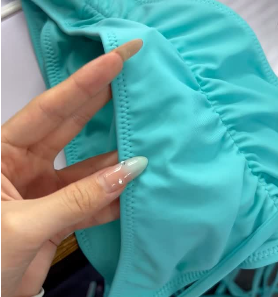
Seamless (Double-Lined) Construction: The hallmark of luxury swimwear. The factory sews the exterior fabric and the inner lining together inside out, completely hiding the raw seams on the inside. This results in a sleek, reversible, or ultra-smooth finish that does not chafe the skin.
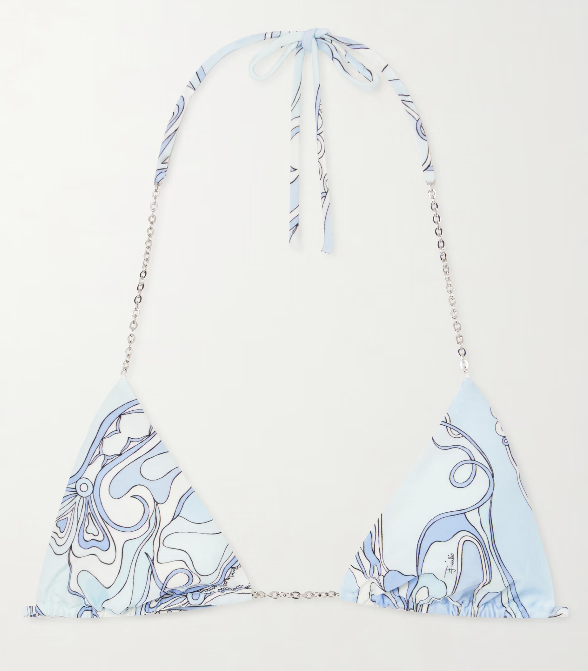
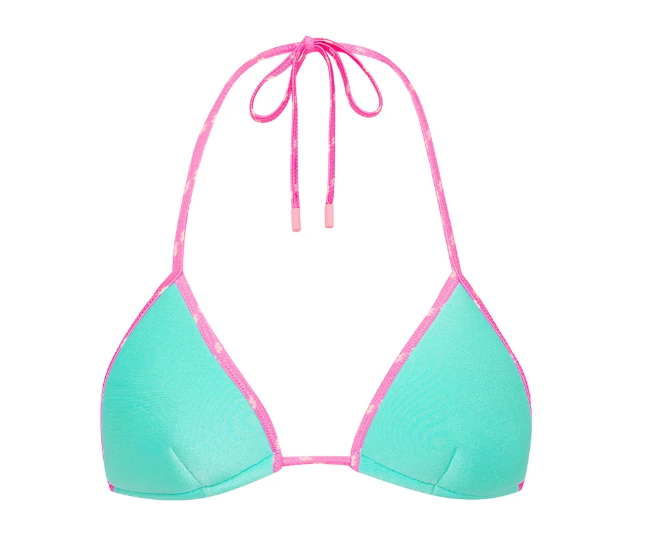
Binding Stitching: Binding can be used to reinforce bikini edges while adding a clean visual finish. Brands may choose tone-on-tone binding for a seamless, refined look or contrast binding to highlight the garment outline and create a more distinctive design detail.
The Importance of Framilon (Rubber Elastic)
A common amateur mistake in bikini manufacturing is using standard cotton-wrapped braided elastics inside the leg openings and waistbands. Cotton elastics absorb water, become heavy, dry slowly, and rot quickly from chlorine exposure.
Professional swimwear factories use Framilon tape (clear polyurethane/rubber elastic). It is ultra-thin, highly resistant to pool chemicals and body heat, and maintains its snapping power for years.
Salt-Spray Tested Hardware
Any metallic rings, slides, adjusters, or clasps used on your bikinis must undergo salt-spray and anti-oxidation testing. Cheap hardware will rust within weeks of exposure to ocean water.
Furthermore, the hardware must have a heat-resistant coating so it does not heat up and burn the consumer’s skin during sunbathing.
Conclusion
A well-made bikini starts with the right balance of fabric, fit, construction, and production control. From stretch recovery to seam quality, every detail affects how the bikini feels, looks, and performs after repeated wear.
Working with a reliable swimwear manufacturer helps brands reduce development risks and create bikinis that are both comfortable and commercially ready. Contact us to discuss your custom bikini project or request sample support.