
When starting or running a clothing brand, the little details matter just as much as the big ones. One of these important yet often overlooked details is the clothing label.
The label is more than just a piece of fabric with your logo on it—it represents your brand, quality, and message to your customers. Choosing the right clothing label for your brand can be a game-changer in terms of customer perception and overall brand identity.
In this guide, we’ll walk you through the process of choosing the right clothing labels for your brand, from understanding the different types of labels to selecting materials that match your brand’s ethos.
Understand the Types of Clothing Labels
Clothing labels come in various forms, each serving a different function.
Here’s a breakdown of the most common types:
1. Hang Tags
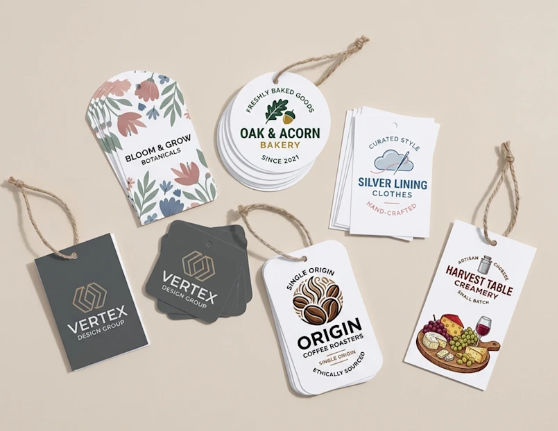
Hang tags are typically attached to the garment with a string or plastic fastener. They are often used for branding purposes, displaying the brand’s logo, tagline, or promotional message.
These tags are also where you can include product details such as the price, care instructions, and fabric composition.
When to Use Hang Tags:
- When you want to add an extra branding touch to your product.
- Ideal for high-end garments, luxury clothing, and retail clothing lines.
2. Heat Transfer Labels
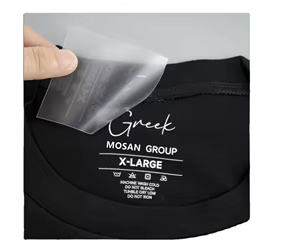
Heat transfer labels are applied by using heat to bond the label directly onto the fabric. They are soft, durable, and discreet, making them a popular choice for performance wear, sportswear, and casual wear where comfort is a priority.
Pros:
- Soft and Comfortable: Heat transfer labels blend seamlessly with the fabric, offering a smooth feel with no irritation.
- Discreet Look: These labels provide a clean, tagless look that’s ideal for modern apparel.
Cons:
- Not Ideal for All Fabrics: They may not adhere well to certain fabrics like heavy knits, fleece, or textured materials.
- Not Removable: Once applied, heat transfer labels cannot be removed or repositioned.
3. Size Labels
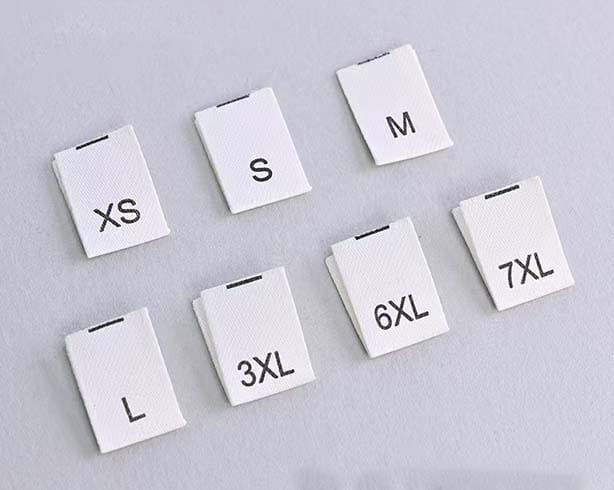
Size labels help your customers choose the right fit. These labels usually feature sizes like small, medium, large, or numerical measurements. They should be clear and easy to read to avoid any confusion.
When to Use Size Labels:
- Always include size labels in your garments for convenience and customer satisfaction.
4. Care Labels
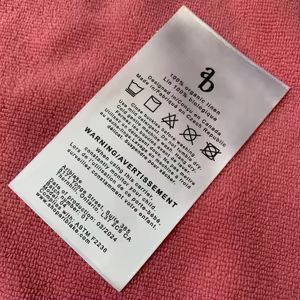
Care labels help your customers understand how to properly care for their clothes. These labels typically specify washing instructions, drying methods, and fabric composition to ensure the garments remain in optimal condition.
When to Use Care Labels:
- Required in many countries.
- Help your customers take care of their garments properly..
5. Transparent Labels
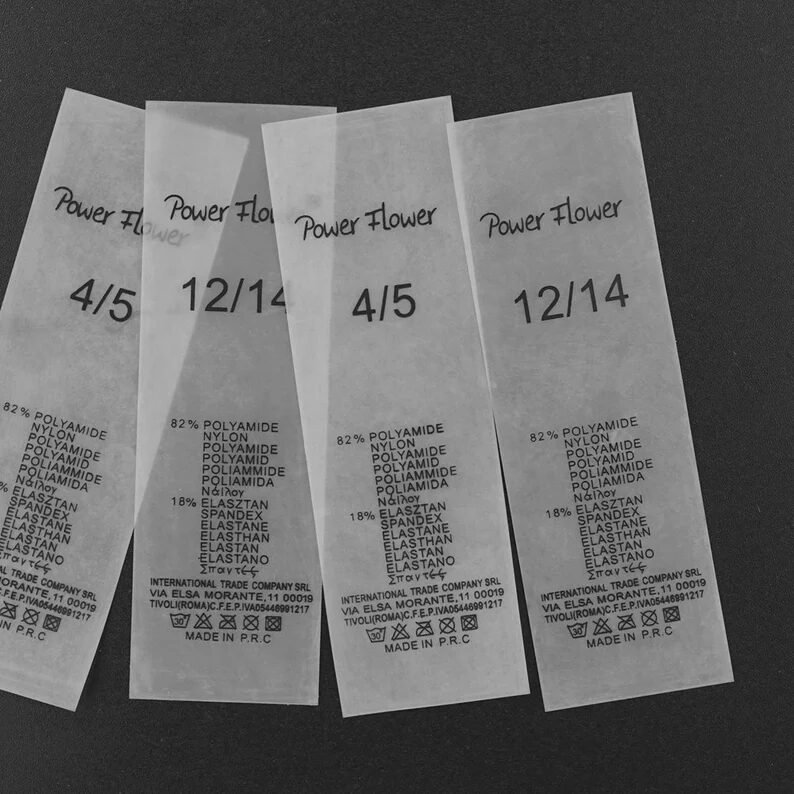
Transparent labels are sleek and minimalist. They allow the fabric’s texture to shine through while still providing necessary information.
When to Use Transparent Labels:
When aiming for a minimalist aesthetic with a luxury or premium feel.
Choosing the Right Material for Your Labels
After choosing the type of label, you’ll need to pick the right material. The label’s material should align with your brand’s message and the type of clothing you make.
1. Woven Labels
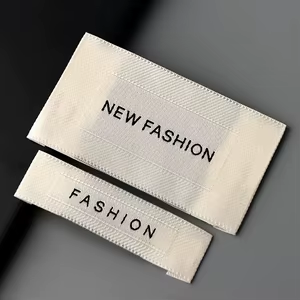
Woven labels are made by weaving threads into fabric. These labels are durable and give your products a professional look, making them ideal for high-end brands. They are particularly well-suited for luxury apparel or durable garments, such as denim.
2. Printed Labels
Printed labels are created by printing directly on fabric using ink or heat transfer methods. They’re lightweight, affordable, and ideal for brands looking to keep their labels simple and unobtrusive.
3. Satin Labels
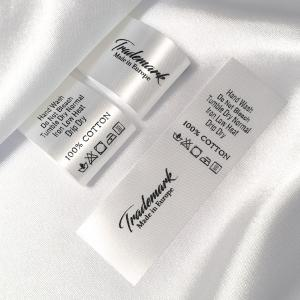
Satin labels are smooth and shiny, giving your product a high-end look. They’re soft to the touch, making them perfect for luxury items.
4. Recycled Labels
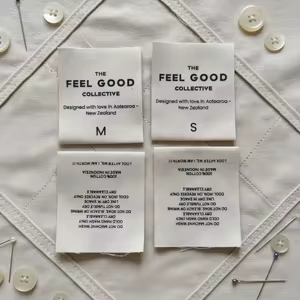
Recycled labels are made from eco-friendly materials, making them a great choice for brands that focus on sustainability.
Label Size and Placement
The size and placement of your label can affect both the look and comfort of your clothing.
- Neck Labels: Most commonly used, but be mindful that they don’t irritate the skin. Smaller or softer labels may be a good choice here.
- Side Seams or Waistbands: Ideal for subtle labeling that doesn’t interfere with the garment’s design.
- Hems or Inside Waistbands: For a more hidden look, particularly useful for high-end or luxury items.
Customization Options
Customization is a key part of showing off your brand’s personality. Tailoring your label design, color, and typography to your brand’s personality can significantly enhance the overall aesthetic.
- Logo and Tagline: Ensure that your brand’s logo is visible and aligns with your label’s design.
- Color and Font: Match the colors and fonts used on your label to your brand’s overall theme for consistency.
Conclusion
Choosing the right clothing label is a key step in establishing your brand’s identity. Whether you opt for a woven label for luxury, a heat transfer label for comfort, or a transparent label for a minimalist look, each choice enhances your product’s appeal and customer experience.
When making your decision, consider the fabric, the type of garment, your brand’s values, and customer comfort. A well-chosen label not only elevates your product but also creates a memorable impression, helping to build and reinforce your brand’s reputation.