
Unlike printed polyester or simple openwork styles, beaded bikinis offer a tangible luxury—one customers can see and feel, and willingly pay more for.
Vogue’s latest 2026 swimwear trend report notes that incorporating beaded embellishments into swimwear is a defining move this season. For swimwear brands, that’s a clear commercial opportunity.
However, adding hand-beaded or machine-strung details to bikinis also brings specific production risks—loose threads, fabric drag from bead weight, and premature shedding after chlorine or saltwater exposure.
Why Beaded Bikinis Are Gaining Popularity
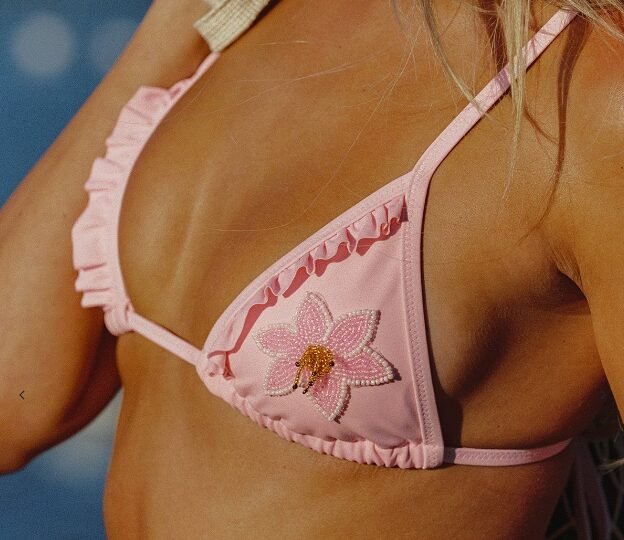
Beaded swimwear is not just about aesthetic appeal; it represents a blend of sophistication, craftsmanship, and modern design. With the shift towards more luxurious swimwear in recent seasons, beaded details stand out as a way for brands to position themselves in the premium market.
- A Touch of Elegance: Beads can transform an otherwise simple design into a luxurious statement piece. This opulent detailing appeals to consumers who want more than just a basic bikini.
- Customizability: Beads offer endless creative possibilities for designers. They can be arranged in various patterns, shapes, and colors, offering brands a unique way to express their identity.
- Timeless Appeal: Beaded swimsuits often have a timeless, glamorous feel, making them ideal for consumers who value longevity in fashion trends.
Design Challenges with Beaded Bikinis
While beaded bikinis are gaining traction, designing and producing them comes with several unique challenges. The incorporation of beads into swimwear affects both the aesthetic and the functionality of the product.
1. Weight and Fabric Drag
Beaded embellishments, especially when applied generously, can add significant weight to the swimsuit. This extra weight can affect the fit and comfort, especially when the fabric becomes wet.
- Impact on Fit: The beads can shift and pull on the fabric, affecting the overall fit and making it less comfortable for extended wear.
- Stretching of Fabric: Beads can cause the fabric to stretch out of shape over time, impacting the bikini’s long-term wearability.
2. Fragility and Durability
Beaded bikinis are more fragile than standard swimwear. The beads themselves are prone to cracking, chipping, or breaking, especially after multiple washes or exposure to harsh elements like saltwater or chlorine.
- Chlorine and Saltwater Exposure: Beads made from cheaper materials, such as plastic or resin, are particularly susceptible to degradation when exposed to chlorine or saltwater.
- Loose Threads and Shedding: The stitching used to attach beads can loosen over time, leading to beads falling off or threads becoming visible.
3. Production Complexity
Hand-beading or even machine-strung beadwork introduces complexity in the manufacturing process. The time and skill required to produce beaded swimwear increases the overall cost.
- Labor-Intensive Process: Hand-beaded details require skilled artisans, making the production process longer and more costly.
- Quality Control: Each bead needs to be securely attached, and careful quality checks are necessary to ensure the durability of the final product.
Best Fabrics for Beaded Swimwear
Choosing the right fabric for a beaded bikini is essential to maintaining both style and functionality. Some fabrics are better suited to handle the added weight and provide a longer-lasting product.
- Nylon/Spandex Blends: These fabrics offer excellent stretch and durability, allowing the beads to be attached without compromising the fit of the bikini.
- Polyestor Fabric: Known for its resistance to wear and tear, polyamide provides a solid base for beaded detailing and can better withstand the weight of the beads.
- Recycled Fabrics: With sustainability becoming a growing trend, eco-friendly fabrics like recycled polyester are also gaining popularity in beaded swimwear collections.
How to Make High-quality Beaded Bikini?
Despite the challenges, there are ways to mitigate the risks associated with producing beaded bikinis. By taking the right steps during design and production, brands can ensure their swimwear remains both luxurious and durable.
1. Choose High-Quality Beads
Selecting durable beads made from materials like glass, metal, or eco-friendly options like shell or coconut beads can help reduce the risk of breakage or fading. These materials are generally more resilient to chlorine and saltwater exposure.
- Glass Beads: More durable and less prone to fading compared to plastic options.
- Metal Beads: Adds a touch of luxury and durability, though they may increase the weight.
- Plastic Beads: Lightweight and cost-effective, but may not withstand prolonged exposure to chlorine and saltwater.
- Eco-Friendly Beads (Shell, Coconut, etc.): Sustainable alternatives that offer a natural, organic aesthetic, though their durability can vary depending on the material.
These bead options each have their advantages and limitations, so selecting the right material based on your swimwear’s design and target market is essential.
2. Reinforce Beading Attachment
To prevent loose threads or falling beads, reinforce the attachment process. Brands can use industrial-strength stitching or additional bonding methods to ensure beads stay in place longer.
- Double-Threading: Use double-threading for extra security when attaching beads to fabric.
- Bonding Techniques: Consider using heat-activated adhesives for additional strength.
3. Test for Durability
Conduct extensive testing to ensure that the beads can withstand the rigors of swimming, including exposure to chlorine, saltwater, and frequent washing. This will help identify any weak points in the design before mass production.
- Saltwater and Chlorine Tests: Test the swimwear in a variety of water conditions to check bead resilience.
- Fabric Stretch Tests: Ensure the fabric maintains its shape and stretch after bead application.
FAQ
Can I customize the bead design on bikini?
Yes, you can choose the bead pattern, color, and placement.
How long does it take to produce a custom beaded bikini?
Custom beaded bikinis typically take longer to produce than standard designs due to the intricate beadwork. However, the production time for samples is approximately 2-3 weeks.
Are there minimum order requirements for custom beaded bikinis?
Typically, the MOQ for custom beaded bikinis starts at around 100 pieces per style, but this can vary based on the brand and design complexity.
Can I machine wash a beaded bikini?
It’s recommended to hand wash beaded bikinis to prevent damage to the beads. If machine washing is necessary, use a mesh laundry bag on a gentle cycle with cold water, and avoid tumble drying.
Conclusion
Beaded bikinis are a fantastic way for swimwear brands to add luxury and uniqueness to their collections. However, incorporating beaded details requires a balance between design, functionality, and production expertise.
We offer a wide range of bead and fabric options to bring your designs to life.Contact us to start customizing your beaded bikini collection