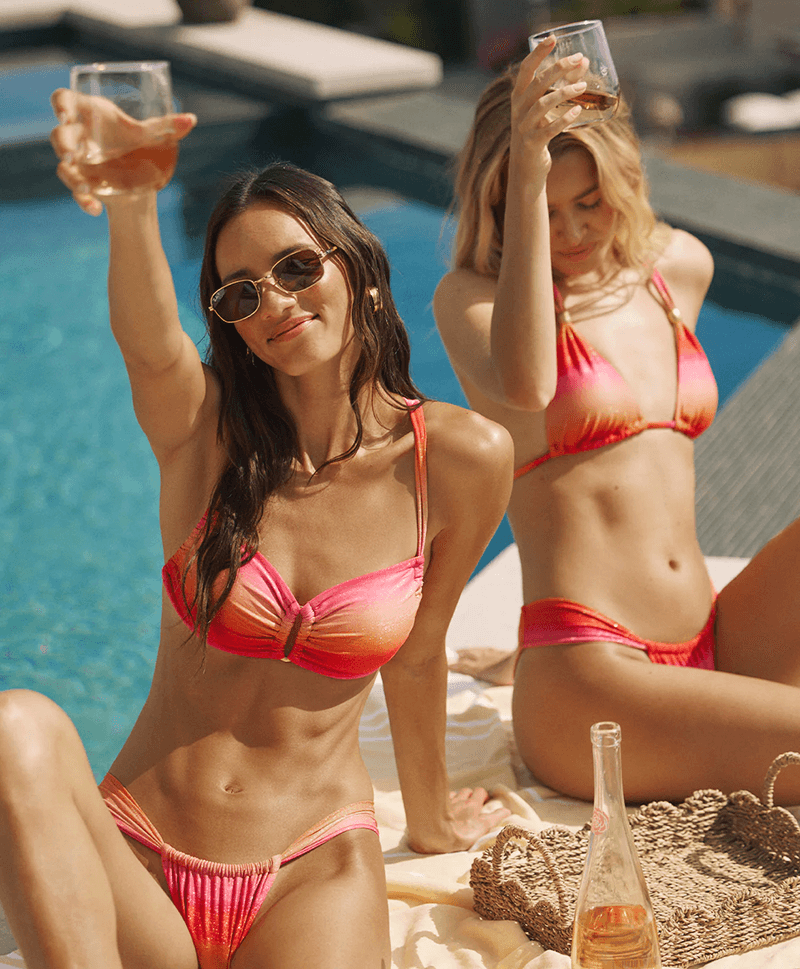
Not all bikini bottoms serve the same purpose. Some are designed to create a more fashion-driven look, while others focus more on comfort, support, and everyday wearability.
Among the most common options, cheeky and full coverage bikini bottoms stand out for very different reasons. For swimwear brands, understanding that difference matters when building a collection that matches real customer preferences.
In this guide, we break down how cheeky and full coverage bikini bottoms differ, how coverage affects fit and comfort, and how brands can choose the right direction for their market.
What Is a Cheeky Bikini Bottom?
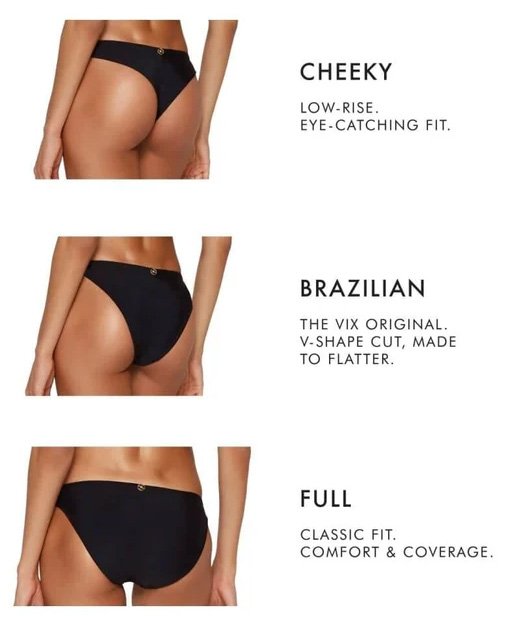
A cheeky bikini bottom uses less fabric at the back and reveals more of the lower part of the buttocks. As a result, it creates a more lifted, body-focused, and fashion-forward look.
Because of that, brands often use cheeky bottoms in:
- trend-driven swimwear collections
- beach vacation styles
- tanning-focused products
- younger or more fashion-led assortments
At the same time, not all cheeky bottoms look the same. Some feature a low-rise waist with narrow side straps, while others use a high-leg or V-cut shape to create a longer leg line.
Main features of cheeky bikini bottoms
- less back coverage
- more skin exposure
- a more sculpted visual effect
- a modern, minimal appearance
For many fashion swimwear brands, cheeky bottoms work well because they look strong in photos and fit current trend preferences.
What Is a Full Coverage Bikini Bottom?
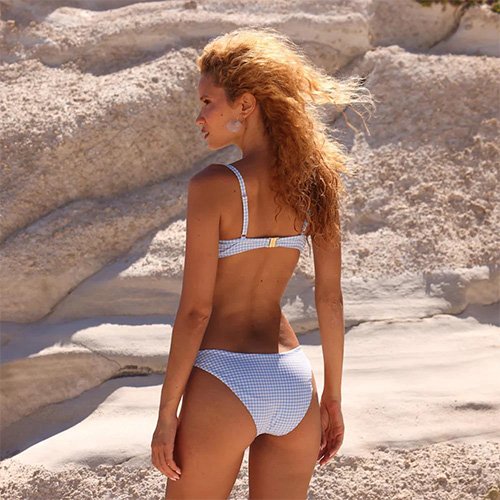
A full coverage bikini bottom offers more fabric at the back and gives the wearer a more secure overall fit. For that reason, many customers choose this style when comfort, stability, and confidence matter more than a revealing cut.
This style is commonly used for:
- family beach trips
- active swimming
- resort wear with wider age appeal
- customers who prefer a more secure fit
However, full coverage does not have to look conservative or outdated. In fact, many modern versions include flattering design details such as high waists, crossover waistbands, ruched fronts, or high-leg openings.
Main features of full coverage bikini bottoms
- more back coverage
- better stay-in-place performance
- a more balanced and wearable look
- better support for movement and longer wear
So while cheeky bottoms usually lead with style impact, full coverage bottoms often win on comfort and versatility.
Cheeky VS. Full Coverage Bottoms: Key Differences
| Aspect | Cheeky Bikini Bottoms | Full Coverage Bikini Bottoms |
|---|---|---|
| Back Coverage | Less fabric at the back and a more revealing cut | More fabric at the back for greater coverage |
| Overall Look | More fashion-forward, bold, and body-focused | More classic, balanced, and versatile |
| Fit Feel | Lighter and more minimal, but may feel less secure for some customers | More secure and stable for everyday wear |
| Comfort | Often preferred for tanning and a more minimal feel | Often preferred for longer wear and broader comfort |
| Movement | May shift more depending on the cut and activity level | Usually stays in place more easily during movement |
| Customer Appeal | Often attracts trend-driven and style-focused customers | Usually appeals to customers looking for comfort and confidence |
| Best Use | Fashion swimwear, resort collections, vacation styles | Core swimwear lines, broader retail markets, active or family-oriented use |
| Brand Positioning | Better suited to image-led or younger collections | Better suited to commercially stable and wider-appeal collections |
However, visual style is only part of the decision. Coverage also changes how a bikini bottom feels in actual wear.
How Fit and Comfort Change With Coverage
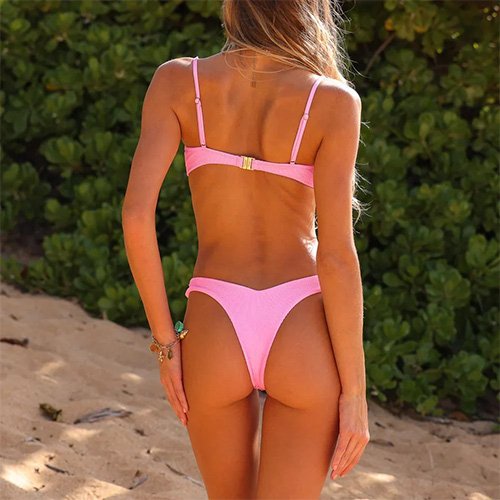
In practice, coverage affects comfort, stability, and confidence in different ways. A cheeky cut may look more flattering and fashion-forward for some customers, but it can also feel less secure if the fit is not balanced properly.
By contrast, a full coverage cut usually provides more hold and stability. It also tends to stay in place more easily, especially during movement or extended wear. As a result, many customers feel more confident wearing this style.
Still, coverage alone does not determine comfort. In practice, the final fit also depends on several development details, including:
- fabric stretch and recovery
- front and back pattern balance
- leg opening shape
- rise height
- lining quality
- seam construction
In other words, a well-developed cheeky bottom can still feel comfortable, and a full coverage bottom can still look stylish. The quality of the product development matters just as much as the coverage level itself.
How Brands Should Choose Between Cheeky and Full Coverage
For swimwear brands, this decision should not come down to personal taste alone. Instead, it should reflect your target customer, product positioning, and sales strategy.
1. Start with your target customer
First, think about who you are selling to.
If your brand targets Gen Z customers or follows a strong social-media-driven aesthetic, cheeky bottoms often make sense as part of the core assortment. They usually align better with trend-led styling and campaign imagery.
On the other hand, if your brand serves resortwear buyers, family-oriented customers, or a broader age range, full coverage styles may offer stronger commercial value. These customers often care more about comfort, confidence, and ease of wear.
2. Consider how the product will be worn
Next, look at the actual use case.
If the collection is built for posing, tanning, or fashion-focused vacation wear, cheeky styles can play a bigger role. However, if the product is designed for swimming, movement, or longer periods of wear, full coverage often performs better.
That is why many brands do not rely on only one direction. Instead, they adjust the balance based on how functional or fashion-led the collection needs to be.
3. Build a balanced assortment
For many emerging brands, a mixed structure is often the safest approach.
Full coverage bottoms can serve as core styles because they usually appeal to a wider group of customers and often generate fewer fit-related concerns. Meanwhile, cheeky bottoms can work as statement pieces that bring stronger visual appeal to seasonal launches, campaign images, and trend collections.
As a result, brands can use both styles strategically rather than treating them as competing options.
Conclusion
Cheeky and full coverage bikini bottoms meet different customer needs. One leans more toward trend appeal and visual impact, while the other offers more comfort, security, and wider market acceptance.
For most swimwear brands, the best solution is not always choosing one over the other. Instead, a well-planned collection often includes both, with each style serving a different purpose in the product line.
If you are developing a new bikini collection and need support with design development, sampling, or bulk production, Joy Sportswear can help turn your ideas into market-ready swimwear. Contact us to discuss your next project or request a custom quote.