
When brands discuss swimwear fabric selection, they often focus first on print, color, handfeel, or stretch percentage. But in actual development, one of the most important variables is often overlooked: fabric weight
As an experienced custom swimwear manufacturer, we’ve seen how choosing the wrong GSM (Grams per Square Meter) can turn a stunning design into a sagging disaster or a restrictive suit that’s impossible to breathe in.
For a swimwear brand, fabric weight is not just a sourcing detail. It is a product engineering decision.
What is GSM in Swimwear Fabric?
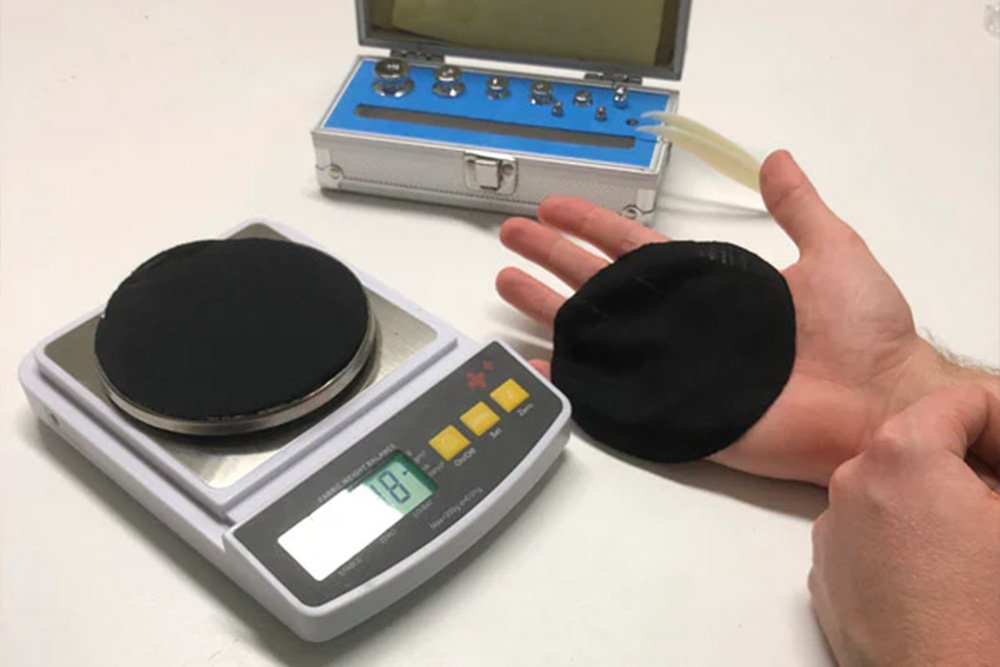
In swimwear production, fabric weight is usually measured in GSM, or grams per square meter. GSM swimwear fabric helps indicate how light, medium, or heavy a fabric feels and how much material mass is built into the shell.
On its own, GSM does not tell the full story. Two fabrics with the same weight can still perform differently depending on fiber content, knit structure, elastane percentage, finishing treatment, and whether the fabric is brushed, matte, glossy, recycled, or textured. Still, GSM is a practical starting point because it strongly affects how the garment will fit and perform.
- Lightweight swimwear fabric: below 180 GSM, often used for linings and lightweight cover-up styles.
- Standard swimwear fabric: 180–200 GSM, the regular fabric range for most swimwear styles.
- Heavier swimwear fabric: above 200 GSM, commonly used for jacquard swimwear fabrics with a more textured and structured feel.
How Fabric Weight Impacts Swimwear Fit
The weight of the fabric is the primary driver of how a garment drapes on the body.
Compression and Sculpting
If your brand focuses on “tummy control” or “body-sculpting” one-pieces, you need a higher fabric weight (typically 220–280 GSM). Heavier fabrics have a higher modulus—meaning they require more force to stretch and pull back more strongly. This creates that “held-in” feeling that premium customers love.
The “Sheer” Factor (Transparency)
Nothing ruins a brand’s reputation faster than a white bikini that becomes transparent when wet. Lightweight fabrics (sub-180 GSM) are prone to “grinning” (where the white elastane shows through) or becoming see-through.
Sagging and Recovery
Lightweight fabrics often lack the structural integrity to support the weight of water. When a user exits the pool, a low-GSM suit may sag at the seat or bust. A mid-to-heavyweight fabric ensures the suit “snaps back” to its original shape.
2. Performance: Beyond the Aesthetics
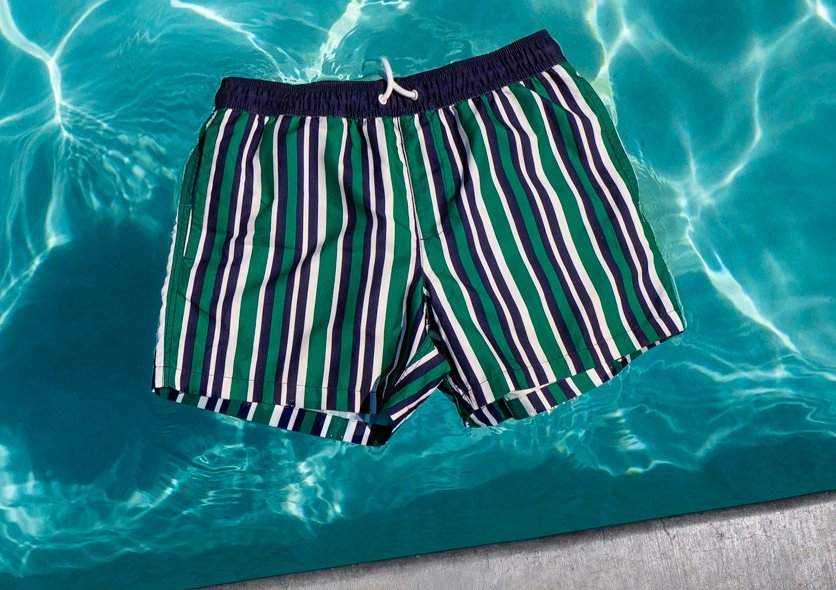
When we talk about swimwear performance, we aren’t just talking about Olympic athletes. We’re talking about how the suit behaves in the real world.
- Quick-Dry Properties: Generally, lower GSM fabrics dry faster because there is less fiber to hold onto water. If you are designing quick-dry swimwear for travel or active beach volleyball, a mid-weight fabric (180–200 GSM) is often the “sweet spot.”
- Chlorine Resistance & Durability: Heavier fabrics tend to be more “robust.” In private label swimwear production, using a heavy-weight, chlorine-resistant swimwear fabric ensures the garment lasts through a whole season of sun, salt, and chemicals.
- Supportive Swimwear: For D-cup+ designs, fabric weight is non-negotiable. You cannot achieve proper bust support with a 170 GSM fabric without massive amounts of internal structure (wires/padding). A heavier shell fabric does a lot of the heavy lifting.
3. The Quick Reference Guide: Choosing Your GSM
To help your product development , here is a general breakdown of how we categorize fabric weights for different swimwear types:
| Product Type | Recommended GSM | Key Characteristics |
| Bikini Linings | 120 – 150 GSM | Soft, lightweight, and breathable. |
| Standard Fashion Bikinis | 180 – 200 GSM | Versatile, cost-effective, easy to print on. |
| Competitive/Athletic Wear | 210 – 230 GSM | Durable, streamlined, high muscle compression. |
| Luxury Shapewear/One-Pieces | 240 – 280 GSM | Sculpting, “premium” hand-feel, maximum support. |
| Men’s Swim Trunks (Stretch) | 140 – 170 GSM | Lightweight, quick-dry, and mobile. |
4. Don’t Forget the Lining!
A common mistake in swimwear production is pairing a heavyweight shell fabric with a flimsy, low-quality lining.
The lining for swimwear should complement the shell. If you use a 250 GSM compression fabric for the exterior but a cheap 100 GSM lining, the lining will likely tear at the seams or fail to provide the necessary opacity. For premium brands, we often recommend “self-lining” (using the same fabric for inside and out) to achieve a seamless, high-end finish.
Why Partner with an Expert Custom Swimwear Manufacturer?
Choosing the right swimwear fabric is a science. At our facility, we don’t just show you swatches; we provide technical data sheets and wear-test samples to ensure your vision translates into a functional, high-performing product.
Whether you are a startup looking for private label swimwear or an established importer needing high-volume chlorine resistant swimwear, the “feel” of your fabric will define your brand’s quality in the eyes of the consumer.
Pro Tip: Always request “wet samples.” A fabric might feel great in a showroom, but its weight and opacity change the moment it hits the water.
Ready to elevate your next collection?
Choosing the right GSM is the difference between a one-time purchase and a lifelong customer. As your OEM swimwear partner, we can help you navigate the complexities of fabric sourcing and technical design.
FAQ
What is a good GSM for swimwear fabric?
There is no single best GSM. In general, 180–200 GSM is a common and reliable range for casual fashion swimwear, while 210–250 GSM is more suitable for competitive or performance swimwear that requires more support, structure, and compression.
What is the best fabric for swimwear?
For most fashion and casual swimwear, nylon-spandex is a popular choice because it offers a soft handfeel, smooth fit, and excellent stretch recovery. For performance swimwear, polyester-spandex is often preferred for its better durability and chlorine resistance.
What swimsuit material lasts longest?
In general, polyester-based swimwear fabric lasts longer than nylon-based fabric, especially in frequent-use or chlorine-exposed conditions. It usually provides better durability, stronger color retention, and improved resistance to stretching out over time.
What fabric is used for men’s swimwear?
For fitted swim trunks, jammers, and briefs, stretch fabrics such as polyester-spandex or nylon-spandex are widely used. For looser boardshort styles, woven polyester fabrics are more common because they are lightweight, durable, and quick drying.