
Elastic binding is one of the small details in swimwear that most people do not notice at first, but it has a big impact on fit, comfort, and durability.
In swimsuit, elastic binding helps the garment stay close to the body. It supports the edges, keeps openings secure, and helps the swimsuit return to shape after stretching, swimming, and washing.
This guide will take you on a deep dive into why elastic binding is essential in swimwear production.
What Is Elastic Binding in Swimwear?
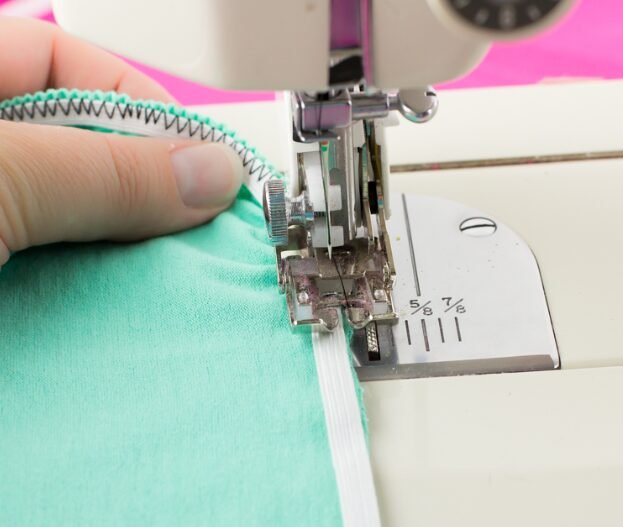
Elastic binding refers to the elastic material used along the edges of a swimsuit. It is usually sewn into areas that need stretch, recovery, and secure support.
Common areas include:
- Necklines
- Armholes
- Leg openings
- Waistbands
- Underbust edges
- Bikini top edges
- One-piece openings
- Kids’ swimwear edges
In many swimwear styles, the elastic is covered by fabric, folded into the seam, or finished with a binding tape. Doing so creates clean, crisp edges that allow the material to stretch along with the body.
Why Elastic Binding Matters
Elastic binding affects how a swimsuit fits, feels, and performs in real use. It is not only a finishing detail. It is part of the garment’s structure.
Keeps the Swimsuit in Place
A swimsuit needs to stay secure when the wearer moves, swims, bends, or sits. Elastic binding helps the edges stay close to the body instead of gaping or shifting.
Improves Fit and Shape
Good elastic binding helps the swimsuit follow the body’s curves. It supports the edges without creating a harsh or overly tight feeling.
Helps the Garment Recover After Stretching
Elastic binding helps prevent edges from becoming loose, wavy, or stretched out after repeated wear. This is important because swimwear is exposed to water, body movement, sunscreen, salt, chlorine, and washing.
Common Types of Elastic Used in Swimwear
Not all elastic is suitable for swimwear. Swimwear elastic needs to handle water exposure, stretch, and repeated use.
Rubber Elastic
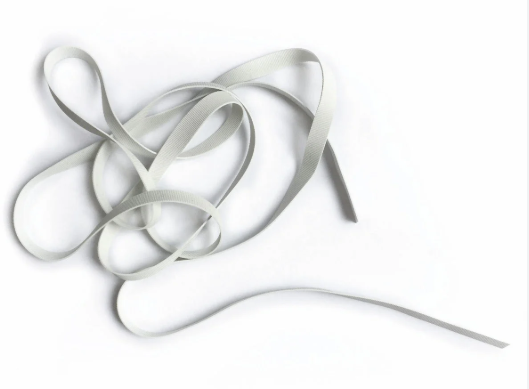
Rubber elastic has strong stretch and recovery. It is often used in swimwear because it can hold tension well.
However, quality matters. Low-quality rubber elastic may become brittle, lose stretch, or break down faster after exposure to chlorine, heat, or sunlight.
Clear Elastic
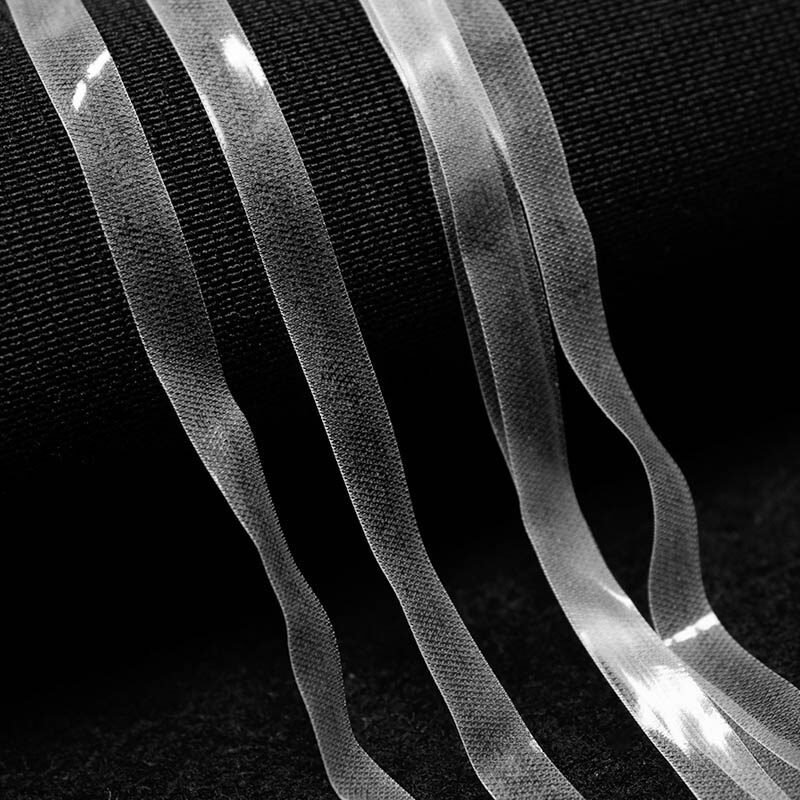
Clear elastic is thin, flexible, and often used where a lighter finish is needed.
But if the elastic is too weak or too narrow, it may not provide enough support for areas that need stronger tension.
Knitted or Braided Elastic
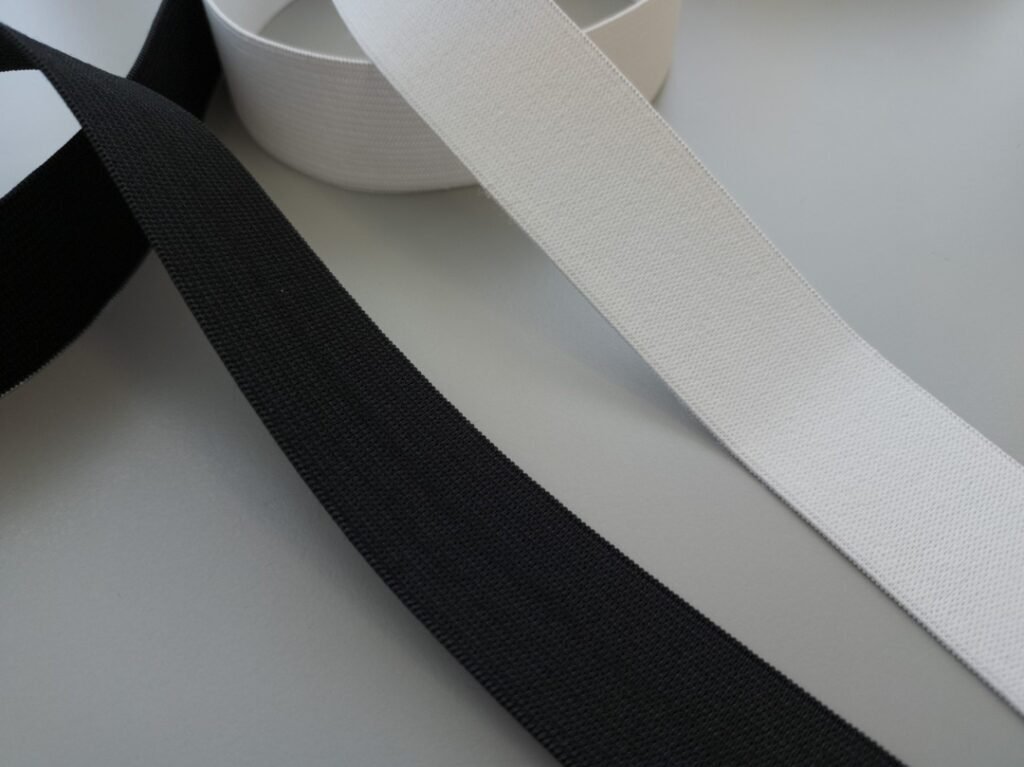
Some swimwear styles use knitted or braided elastic depending on the design and sewing method. These elastics can be comfortable, but they must be suitable for water use.
For swimwear, the most important factors are stretch recovery, softness, durability, and resistance to damage from chlorine and saltwater.
Elastic Binding vs. Regular Seam Finishing
Elastic binding is different from a simple seam finish. A regular seam mainly joins fabric pieces together. Elastic binding gives the edge structure and movement control.
For example, a leg opening without proper elastic may stretch out or lift away from the body. A neckline without enough elastic support may gape. A bikini top without secure elastic may feel loose after swimming.
Where Elastic Binding Is Most Important
For cheeky, high-leg, high-waisted, or full-coverage bottoms, elastic tension needs to match the style and coverage level.
Bikini Tops
Elastic is important around the underbust, neckline, side wings, and sometimes straps. It helps the top stay close to the body and supports the bust area.
For triangle tops, bandeau tops, underwire tops, and sports-style tops, elastic placement can strongly affect comfort and support.
One-Piece Swimsuits
One-piece swimsuits need stable elastic around the neckline, armholes, back opening, and leg openings. Because the garment covers more of the body, uneven elastic tension can easily affect fit.
Kids’ Swimwear
Elastic binding is especially important in kids’ swimwear. Children move a lot, so the swimsuit needs to stay secure without feeling tight.
The elastic should be soft, flexible, and gentle on the skin. Harsh elastic can cause discomfort, especially around the legs, waist, and shoulders
Active Swimwear
For surfing, training, paddleboarding, or beach sports, elastic binding needs stronger stability. The swimsuit should stay in place during movement and water impact.
In these styles, elastic quality and tension control are more important than in casual poolside swimwear.
What Happens When Elastic Binding Is Poorly Made?
Poor elastic binding can create both comfort and quality problems. 。
Feels Too Tight
If the elastic is pulled too much during sewing, the edge can become overly tight. This may create pressure marks, digging, or an uncomfortable fit.
The Edge Becomes Wavy
If the elastic tension is too loose or uneven, the fabric edge may look wavy. This makes the swimsuit look less polished and may affect how it sits on the body.
Wavy edges are especially visible on solid-color swimwear and minimal designs.
The Suit Gapes Away from the Body
If the elastic does not have enough tension, the neckline, back opening, or leg opening may not sit flat. This can make the swimsuit feel insecure.
Gaping is a common problem in one-piece swimsuits, bandeau tops, and high-leg bottoms.
The Elastic Twists or Rolls
Poor elastic placement or weak construction can cause the edge to twist, roll, or flip outward. This affects comfort and appearance.
This issue is common when the elastic width, fabric thickness, and seam method are not well matched.
The Elastic Loses Recovery
Low-quality elastic may lose stretch after repeated use. Once this happens, the swimsuit may feel loose, stretched out, or misshapen.
For swimwear, elastic recovery is one of the key signs of long-term quality
Choosing the Right Elastic for Swimwear
The right elastic depends on the swimsuit style, fabric, size range, and use case.
Fabric Weight
Lightweight swim fabrics usually need softer, lighter elastic. Heavier or textured fabrics may need stronger elastic to control the edge.
Style and Coverage
A cheeky bikini bottom, full-coverage bottom, bandeau top, and active one-piece all need different levels of elastic tension.
Target Customer
A fashion bikini may prioritize comfort and clean appearance, while active swimwear needs stronger stability. Kids’ swimwear needs softness and safety. Plus-size swimwear may require more supportive edge construction.
Water Exposure
Swimwear elastic should be suitable for chlorine, saltwater, sunscreen, and repeated washing. Poor elastic may lose shape faster under these conditions.
FAQ
Why do swimsuits need elastic?
Swimsuits need elastic because they must stay secure while stretching, moving, and getting wet. Elastic helps the garment hold its shape and prevents edges from gaping or becoming loose.
How can brands check elastic binding quality?
Brands can check elastic binding quality through fitting, stretch testing, wash testing, and wet try-on review. The edges should stay smooth, comfortable, and secure after movement and water exposure.
What kind of elastic is used in swimwear?
Swimwear often uses rubber elastic, clear elastic, knitted elastic, or other water-suitable elastic materials. The best option depends on the swimsuit style, fabric weight, stretch requirement, and level of support needed.
Conclusion
Elastic binding may seem like a small detail, but it strongly affects swimwear quality. It controls how the garment fits, how secure it feels, and how well it keeps its shape after repeated wear.
Joy Sportswear supports custom swimwear development from fabric selection and sampling to production, helping brands create swimwear that looks polished and fits comfortably.