
Bikinis are different from many regular apparel categories because fit and function are closely connected. A small measurement difference in the bust, underbust, waist, or leg opening can change how the garment sits on the body. In the same way, poor elastic recovery can cause the bikini to feel loose after wear, while excessive tension can make it uncomfortable.
For swimwear brands, a clear quality control process helps reduce production risk before bulk orders are shipped. This checklist covers the key areas brands should pay attention to when working with a bikini manufacturer.
Bikini Production QC Checklist Summary
Although the full QC process includes many details, brands can use the following summary as a practical production reference:
| QC Stage | Key Inspection Focus |
|---|---|
| Fabric inspection | Stretch, recovery, color, opacity, defects |
| Cutting inspection | Pattern accuracy, symmetry, print placement |
| Sewing inspection | Stitching, seam strength, elastic tension |
| Fit inspection | Measurements, comfort, support, coverage |
| Accessory inspection | Hardware, padding, closures, embellishments |
| Branding inspection | Labels, logos, hangtags, hygiene stickers |
| Packaging inspection | Folding, polybags, carton marks, packing ratio |
| Final inspection | Quantity, appearance, measurements, shipment readiness |
This checklist helps brands and manufacturers communicate clearly before and during production. It also makes it easier to identify problems early rather than discovering them after the goods are packed.
Fabric and Material Inspection
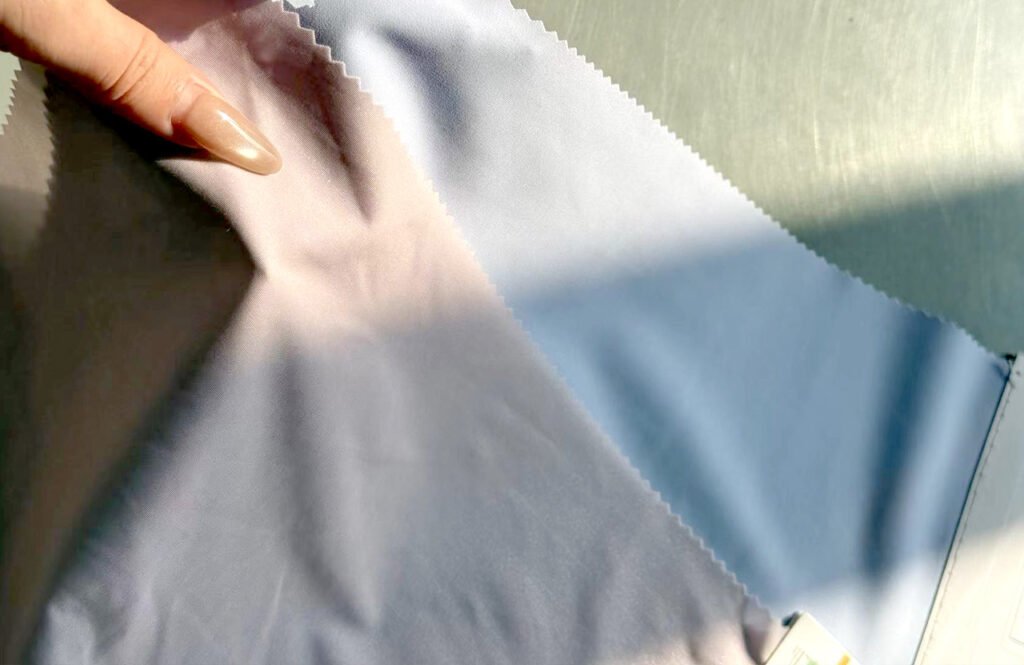
Fabric quality is fundamental to bikini production. Before cutting, manufacturers should inspect the main fabric and lining against approved samples or material cards.
For swimwear, stretch and recovery are especially important. The fabric should stretch smoothly and return to its original shape without becoming loose or distorted.
Light-colored bikinis also require extra care. If the fabric or lining is not suitable, it may become transparent after stretching or getting wet. Therefore, its opacity should be tested under actual wearing conditions before mass production.
Key points to confirm include:
- fabric composition
- GSM, stretch direction
- surface defects
- shade consistency
- hand feel
- lining compatibility
- opacity
If the bikini uses recycled fabrics, textured fabrics, jacquard, rib, or special finishes, these materials should be reviewed carefully because they may behave differently during cutting and sewing.
Color and Print Quality Control
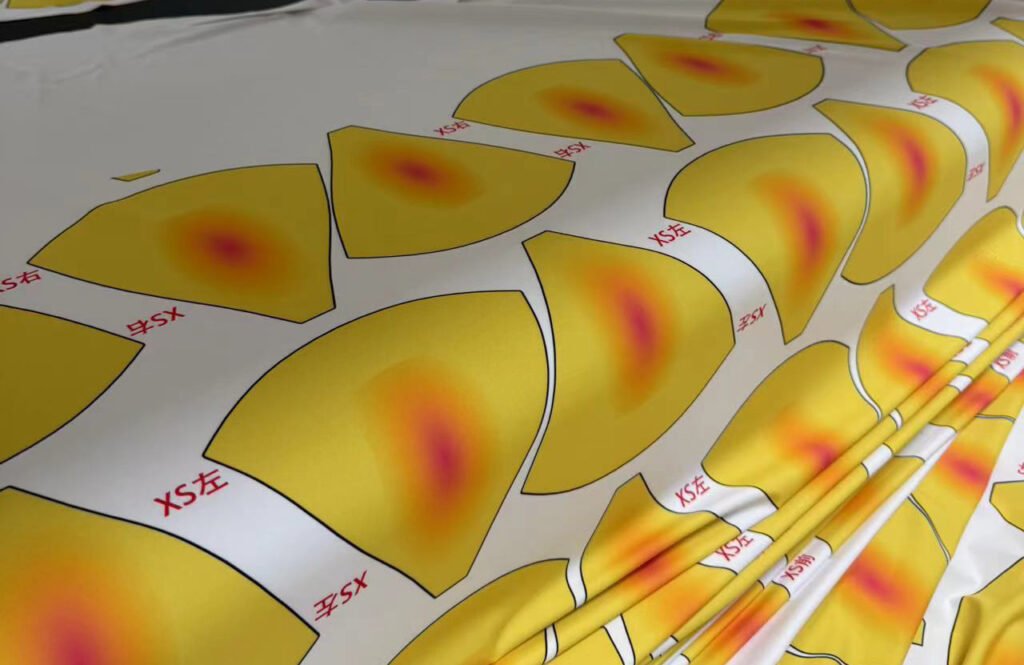
Color consistency is one of the most common quality issues in swimwear production. Even when the same color is used, different fabric rolls or dye lots may show slight shade variation. This is why bulk fabric should be compared with the approved lab dip, color standard, or pre-production sample before cutting.
Printed bikinis require additional control. The print should be clear, stable, and positioned correctly according to the approved artwork.
- For all-over prints, the direction and scale of the pattern should remain consistent.
- For placement prints, cutting accuracy is especially important because each motif needs to appear in the correct position on the finished garment.
Cutting Quality Control
Swimwear fabrics differ from ordinary clothing fabrics; they are smoother and more elastic, making them prone to shifting and deformation during the cutting process. This can lead to twisted seams or non-standard sizes in the finished garment.
For printed styles, cutting must also consider visual alignment. A floral, stripe, logo, or placement motif may need to be positioned carefully to avoid an unprofessional final appearance.
Measurement and Fit Inspection
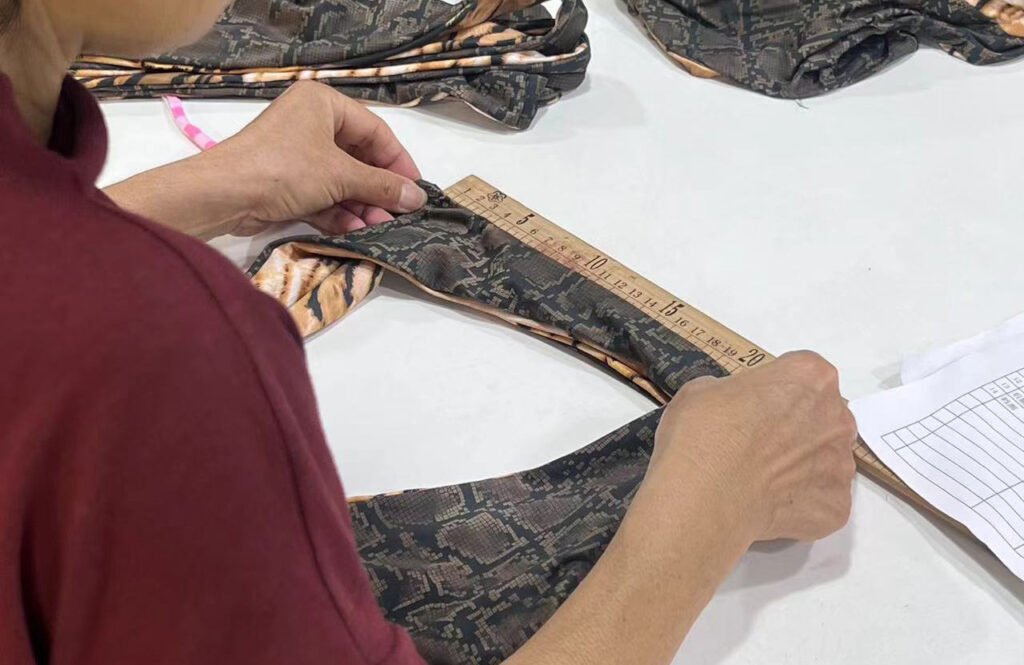
Bikinis need to fit close to the body while still allowing movement, stretch, and comfort. Understanding the key bikini parts helps brands identify where fit issues are most likely to happen and what should be checked during production.
For bikini tops, important measurement points:
- bust width
- cup height
- cup width
- underbust width
- strap length
- tie length
- center front height
- closure position
For bikini bottoms, common measurement points:
- waist width
- front rise
- back rise
- gusset width
- side seam length
- leg opening
- coverage level
Fit should ideally be checked on a model or mannequin, not only by flat measurements. This helps identify issues such as gaping cups, pulling at the side seam, loose waistbands, or uneven back coverage.
Stitching and Seam Quality
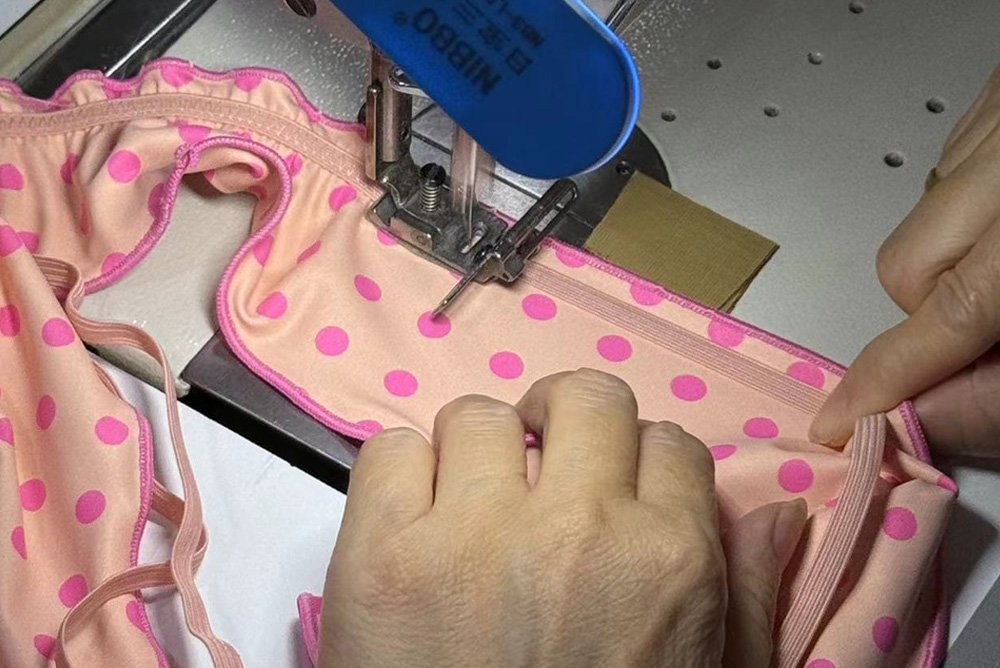
Since bikinis are stretched during wear, the stitching must move with the fabric without breaking. Poor thread tension, skipped stitches, or incorrect seam construction can lead to broken seams after only a few wears
Common bikini sewing methods include
- overlock stitching
- zigzag stitching
- coverstitching
- clean-finish construction
The right method depends on the design, fabric type, and desired finish.
During inspection, the finished garment should be checked for skipped stitches, loose threads, seam puckering, uneven stitch density, broken thread, and rough seam edges. Seams that touch the skin should feel smooth and comfortable, especially around the underbust, waist, gusset, and leg openings.
Hardware, Padding, and Accessories
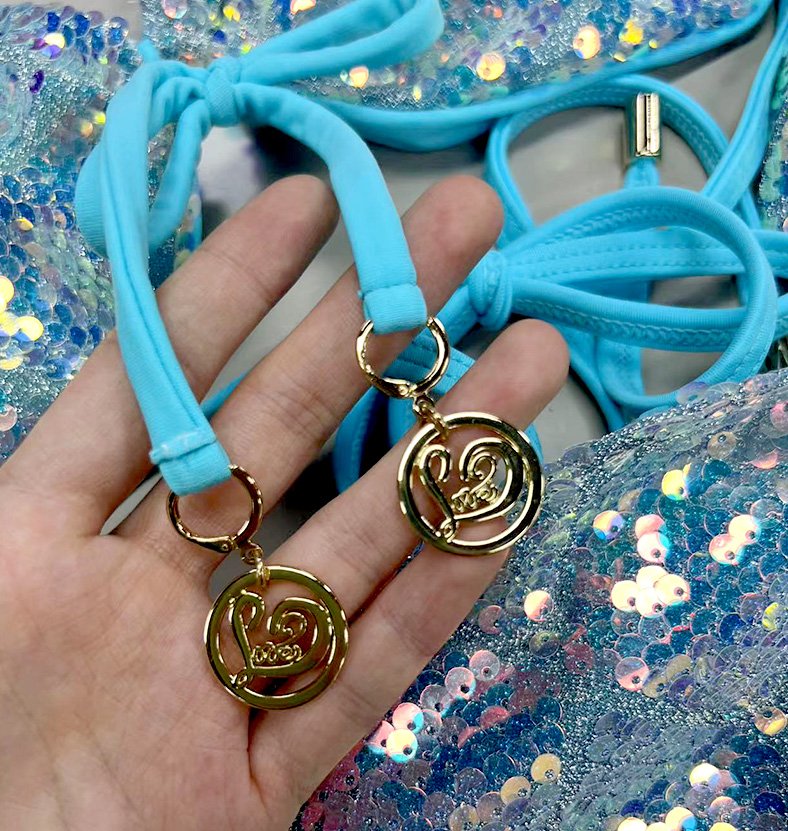
The details of hardware and accessories can enhance the value of a product, but they can also bring additional quality control risks.
For swimwear, hardware accessories must be water-resistant, salt-resistant, chlorine-resistant, and able to withstand repeated use. The size, color, and placement of the accessories must be determined before mass production.
Strap, Tie, and Closure Inspection
Straps, ties, and closures are functional parts of the bikini. They affect support, adjustability, and comfort. If straps are too long, too short, twisted, or weakly attached, the bikini may not perform properly.
For adjustable straps, sliders should move smoothly but still hold their position.
Closures such as hooks, clasps, or back fasteners should be easy to use and stable once closed. If the closure feels loose or unstable during fitting, it should be corrected before bulk production continues.
Appearance and Symmetry Check
Final appearance is where many small production issues become visible. The left and right sides should be symmetrical, the cups should sit evenly, and the leg openings should have the same shape and tension.
Inspectors should check for stains, oil marks, chalk marks, loose threads, fabric damage, twisted straps, uneven edges, and incorrect front or back orientation.
Washing, Stretch, and Durability Testing
Not every bikini order requires full laboratory testing, but basic durability checks are highly recommended, especially for premium collections, active swimwear, resort collections, or wholesale orders.
The bikini should maintain its shape after stretching and should not lose excessive elasticity after washing. Colors should remain stable, and prints should not crack, fade, or peel easily. For styles with hardware, padding, or embellishments, these components should remain secure after normal handling and care
Labeling and Branding Check
Branding details should be inspected carefully before packaging. The main label, size label, care label, heat transfer logo, hangtag, barcode, and hygiene sticker should all match the approved artwork and placement instructions.
For private label swimwear production, this step is especially important because the final product represents the buyer’s brand directly.
Packaging and Final Inspection
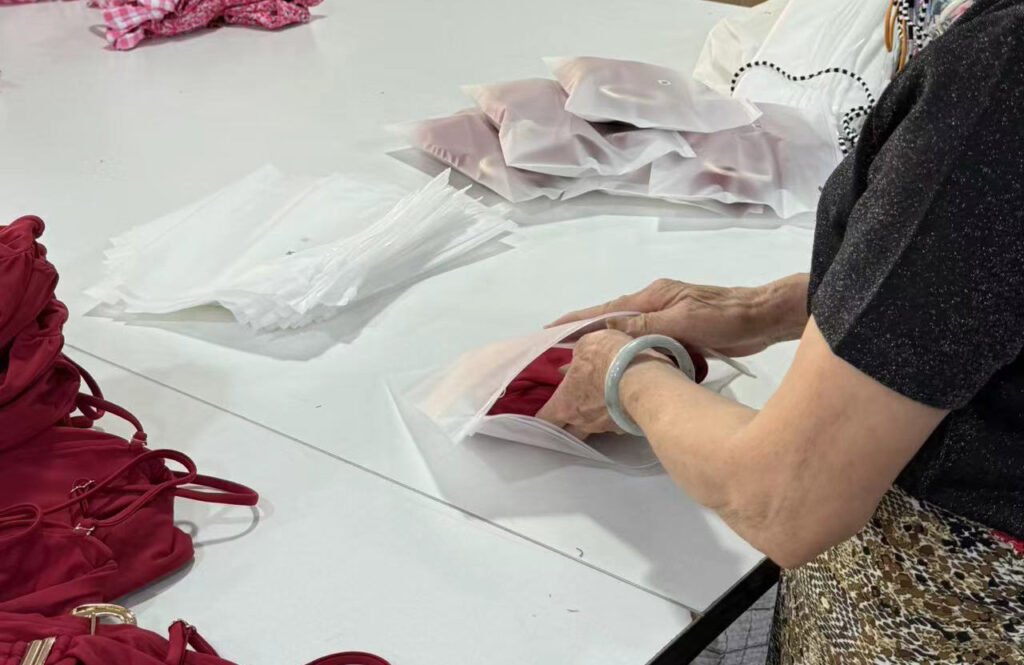
Packaging is the last step before shipment, but it directly impacts the customer’s first impression. Each bikini should be clean, neatly folded, and the size, color, barcode, hang tag, and plastic bag information should match the packing list.
How Brands Can Reduce Quality Risks Before Bulk Production
The best way to improve bikini quality is to solve potential problems before bulk production starts.
- a clear tech pack
- approved sample,fabric standard
- size chart
- artwork file
- label placement guide
- and packaging instruction
Preparing these things can reduce misunderstandings between swimwear brands and manufacturers.
Brands should also review a pre-production sample before approving bulk cutting. This sample should represent the final fabric, color, construction, trims, labels, and packaging as closely as possible. If changes are needed, they should be confirmed before production moves forward.
Conclusion
A strong quality control process is essential for bikini production. From fabric inspection and cutting accuracy to stitching, fit, labeling, and packaging, every step affects the final product.
If you are developing a custom bikini collection, our team can support you from sample review and material selection to bulk production and final quality inspection. Contact us today.