
When choosing a custom swimwear manufacturer in China, three crucial metrics often get overlooked: fabric weight, seam strength, and MOQ. Fabric weight affects comfort and durability, ranging typically between 180-240 gsm for the outer layer. Seam strength, needing to withstand ≥ 80 N as per ISO 13934-1, is vital for performance. Focusing on these figures helps balance cost and quality. Understanding these metrics can guide brands in making informed decisions, ensuring their products perform well and meet market standards.
Core Metrics Every Brand Should Know
Given the complexity and craftsmanship involved in swimwear manufacturing, several metrics effectively dictate the overall quality and cost of production.
One fundamental metric is fabric weight, which generally ranges between 180-240 grams per square meter (gsm) for optimal performance. This range ensures the garment strikes a balance between durability and comfort without risking transparency, a key factor for pieces like bikinis and one-piece swimsuits. Lighter fabrics may offer less structural integrity, leading to a shorter lifespan for the garment, whereas heavier fabrics enhance durability but can affect comfort.
Seam strength is another crucial metric, especially when evaluating performance swimwear. A minimum seam strength of 80 Newtons (N), tested per ISO 13934-1, is typically required to ensure long-term durability under stress. This strength is vital for maintaining the shape and fit of the swimwear through repeated stretches and movement. Resolving this need for durability with aesthetic preferences requires consideration of stitch types and construction techniques such as flatlock seams.
A third metric to consider is the Minimum Order Quantity (MOQ), which impacts both cost and logistics. While MOQs often start at around 100 pieces per design, flexible manufacturers might offer lower MOQs, catering to startups and small businesses. Lowering the MOQ can significantly affect the cost per piece and impact production timelines, requiring careful management to balance inventory risks with cash flow.
Moreover, adhering to OEKO-TEX standards is crucial as it certifies the absence of harmful substances in textiles, ensuring the safety of products worn close to the skin. Buyers should confirm the presence of these certifications in any potential supplier's portfolio.
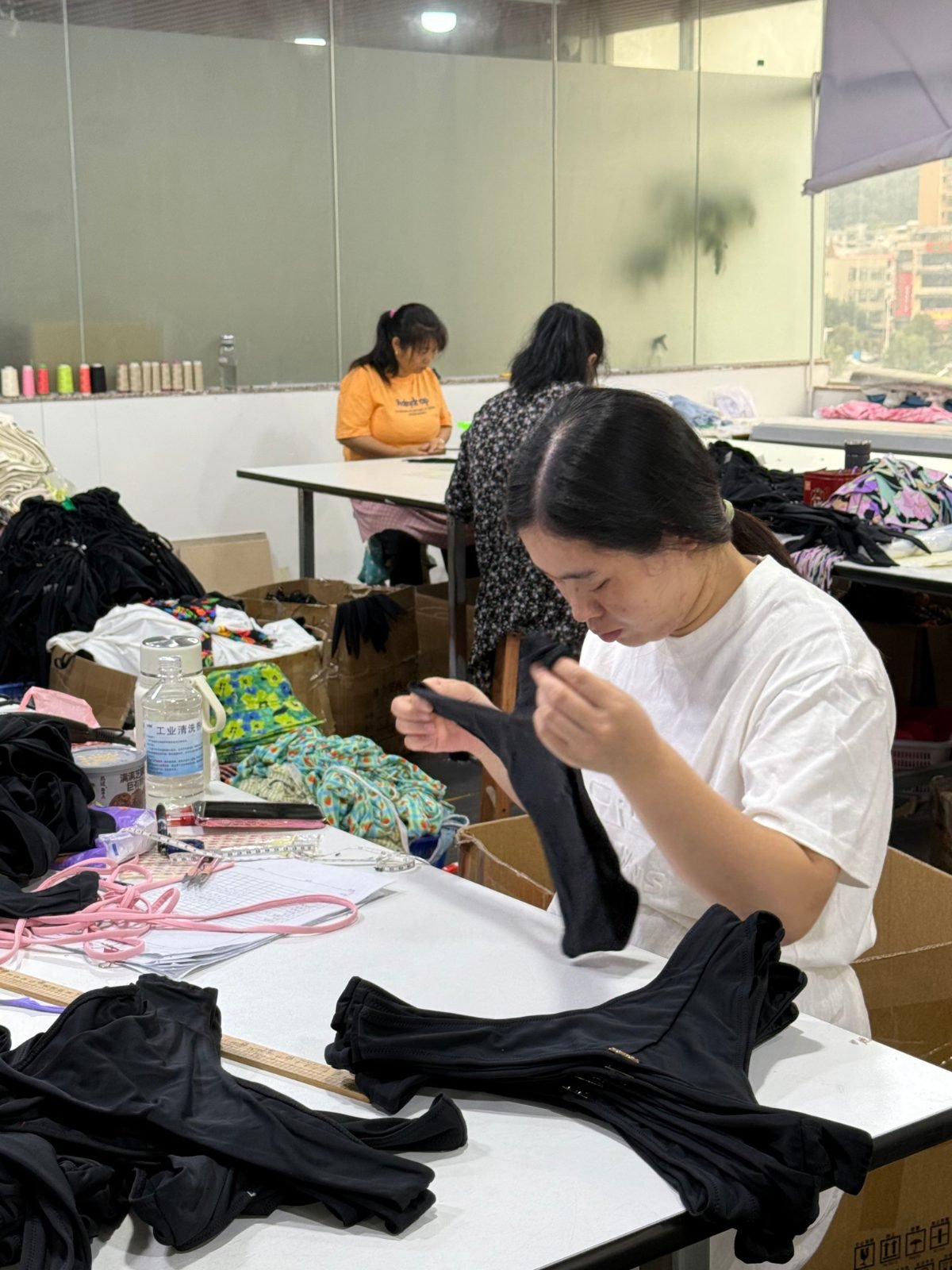
Key Metrics in Swimwear Manufacturing
| Metric | Value | Why it Matters |
|---|---|---|
| Fabric Weight | 180-240 gsm | Ensures balance of durability and comfort, avoiding transparency |
| Seam Strength | ≥80 N | Guarantees product durability and performance |
| MOQ | Starting at 100 pieces | Affects unit cost and logistical planning |
| OEKO-TEX Standard | Certification required | Ensures fabric safety and absence of harmful substances |
For brands focusing on sustainability, exploring eco-friendly materials is essential. As detailed in our guide on sourcing eco-consciously, choosing a Eco-Friendly Swimwear Fabric Supplier in China can further enhance a brand's appeal and meet consumer demand for ethical products.
Deconstructing Fabric Weight and Its Impact
In the realm of custom swimwear manufacturing, fabric weight plays a pivotal role in determining a garment's overall usability and comfort. Defined in grams per square meter (gsm), the fabric weight not only influences the tactile feel of the swimwear but significantly affects its functional attributes. For swimwear, shell fabrics typically range between 180-240 gsm. This range ensures that the swimwear maintains an ideal balance between durability and flexibility — essential for withstanding the dynamic movements and varied conditions encountered in aquatic environments.
Understanding Gsm Ranges
The fabric weight for different components of swimwear is carefully calibrated. Shell weights in the 180-240 gsm range provide the structural integrity needed for swim pieces, ensuring enough heft to resist sagging or excessive stretching during wear. Lining fabrics, typically lighter, range from 100-150 gsm, chosen to provide comfort without adding unnecessary bulk. Selecting the right gsm is crucial; lighter weights risk transparency, especially when wet, which is a common faux pas in swimwear design.
Durability vs. Weight
Balancing durability and weight is a nuanced battle in swimwear manufacturing. A heavier fabric might provide stronger resilience against chlorine and sun exposure, but can compromise comfort by being too thick or restrictive. Conversely, fabrics on the lighter end of the spectrum might offer superior comfort but suffer in terms of structural support and lifespan under frequent use. Ensuring swimwear can endure repeated exposure to harsh pool chemicals while maintaining its elasticity and shape retention is a key aspect of material selection.
Economic Impacts of Fabric Weight
Aside from physical performance, fabric weight impacts the cost of production. Heavier fabrics generally require more raw material per square meter and thus, cost more than lighter alternatives. This directly affects pricing strategies and can influence the overall budget of a swimwear production project. Furthermore, weight affects shipping and logistics costs — lighter garments incur lower transport expenses, making them more feasible for brands looking to maximize efficiency in distribution.
In essence, a meticulous understanding of fabric weight categories and the effects on comfort, durability, and pricing is indispensable for brands aiming to excel in swimwear innovation.
Understanding Seam Strength for Lasting Quality
Seam strength, particularly for performance swimwear, is a non-negotiable attribute when considering durability and user satisfaction. This benchmark ensures that swimwear remains intact under stress, such as during swimming or diving, preserving comfort and appearance.
The Impact of Strong Seams on Performance
In the rigorous world of swimwear, a piece that tears easily isn't just a minor inconvenience—it represents a significant failure that can tarnish a brand's reputation. A seam that doesn't hold compromises not only the garment's appearance but can also affect the wearer's performance in athletic contexts. Strong seam construction helps preserve the piece's integrity through frequent stretching, exposure to chlorine, and other wear factors.
Seam Types and Their Influence on Durability
Swimwear design often dictates the type of seam used, each bringing different advantages in terms of durability and comfort. Flatlock seams, known for their durability and smooth finish, reduce chafing—a critical factor for comfort during prolonged use. On the contrary, overlock seams, while still robust, may offer less in terms of comfort due to a bulkier finish. The choice of seam type impacts not only the durability but also the aesthetic and tactile feel of the swimwear.
Ensuring Seam Strength Through Testing
It is advisable for buyers to request detailed testing procedures that include simulating various stress scenarios to ensure that seams can withstand typical use conditions. These procedures often involve repeated stretching and exposure to chemicals like chlorine. Ensuring that garments meet stringent criteria during evaluations is crucial to a product's market readiness.
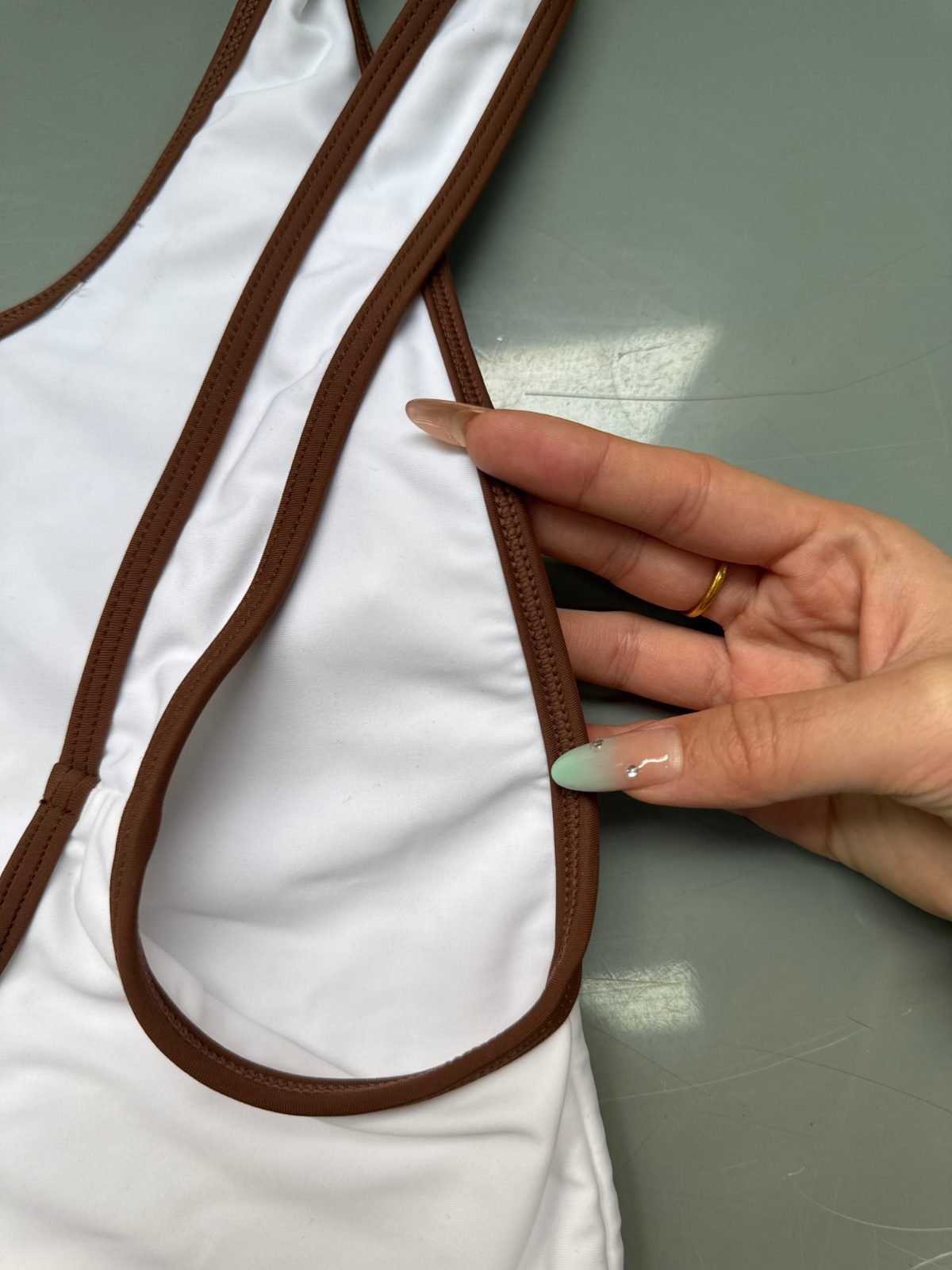
Understanding and adhering to these seam strength guidelines not only fortifies a swimwear brand's quality promise but also plays an essential role in satisfying discerning consumers focused on performance and durability.
Minimum Order Quantity: The Deciding Factor
Minimum Order Quantity (MOQ) for custom swimwear typically starts at 100 pieces per design. This figure is more than just a gatekeeper for production; it's intrinsic to the entire manufacturing and logistics chain. MOQ directly influences overall costs, from the cost per item to the negotiation of fabric prices with suppliers. Factories set these minimums to achieve economies of scale, enabling them to distribute the fixed costs of production over a larger number of units.
A lower MOQ, while enticing for startups and smaller brands, often translates to higher per-unit costs. This is because many suppliers incur setup costs that do not vary with order size, including pattern grading, fabric cutting, and machine setup. Therefore, orders below the MOQ can end up being less economical, affecting the feasibility of a smaller collection.
Balancing MOQ with inventory risk is a delicate task. Ordering too much stock can lead to warehousing costs and potential overstock issues. Conversely, ordering too little might result in frequent stockouts, harming brand reliability and sales. Brands should work closely with their manufacturers to determine the right MOQ that aligns with their sales forecasts and market presence.
The flexibility of a factory's MOQ policy is a fundamental indicator of its suitability for different brands. For instance, factories willing to adjust MOQs might also offer more customized production processes, which can be particularly advantageous for burgeoning brands testing new markets. Such a supplier is likely more innovative in its approach, offering tailored advice and staging production in phases to suit diverse needs.
Ultimately, understanding and negotiating the MOQ is not merely about meeting a number but about aligning production with strategic business goals. Having a clear vision of how MOQ impacts both short and long-term financial and inventory aspects ensures that brands can better manage risks and exploit opportunities in the swimwear market.
Determining the right MOQ is a strategic decision that requires a thorough understanding of production costs and market dynamics. Assessing these factors will influence not only the price per unit but also how a brand can respond to market demand, ensuring they maximize both their competitive edge and margins in their chosen retail spaces.
The Critical Number Buyers Often Overlook: Sizing Tolerances
When selecting a custom swimwear manufacturer, sizing tolerances can make or break the final fit of the product. Considering common tolerances such as ±0.5 cm for waistbands, buyers must keep a close eye on how these measurements play into the end product and potentially affect brand reputation.
Sizing tolerances are pivotal in ensuring that the swimwear fits comfortably, maintaining both function and aesthetic. These tolerances, typically inclusive of minor dimensional variations allowed in production, must align closely with the designer’s specifications to ensure consistency in fit across batches. For instance, a waistband tolerance of ±0.5 cm ensures sufficient flexibility without compromising on fit quality. However, while tight tolerances can improve the precision of fit, they may also raise production costs due to the strict quality checks required.
Inconsistent sizing can lead to poorly fitting swimwear, directly impacting customer satisfaction and, by extension, brand reputation. Brands are often judged by the consistency of their product fits, and deviations due to lax control over sizing tolerances can lead to returns and negative reviews, tarnishing the brand image. This is particularly critical in the swimwear market, where fit plays a significant role in the perceived quality of a garment.
Typical Sizing Tolerances in Swimwear
| Component | Tolerance (cm) | Implication on Fit |
|---|---|---|
| Waistband | ±0.5 | Ensures comfort; excessive or tight variances can cause issues |
| Bust | ±0.3 | Critical for support; misalignment affects form and functionality |
| Hem | ±0.2 | Affects overall length; crucial for aesthetic |
| Sleeves | ±0.4 | Influences arm mobility; must balance comfort and style |
| Leg Opening | ±0.3 | Essential for ease of movement; too restrictive otherwise |
Product specifications should clearly outline these tolerances to avoid any ambiguity during production. Buyers should ensure that the manufacturer's capabilities align with their requirements for accuracy in sizing, guaranteeing a consistent and positive consumer experience.
How to Interpret a Manufacturer's Spec Sheet
Spec sheets are pivotal documents that can make or break your decision when selecting a swimwear manufacturer. They provide concrete metrics that guide your evaluation of a manufacturer's capabilities and product quality. However, interpreting these sheets requires more than just a glance at numbers. Understanding the implications of each specification helps identify areas that need further inquiry or validation.
Start by examining the listed specifications such as fabric weight, seam strength, and stretch recovery. These numbers are more than just figures—they define the garment's performance, durability, and suitability for your target market. For instance, a fabric weight between 180-240 gsm is optimal for swimwear, balancing coverage and comfort without risking transparency.
One often overlooked aspect is verifying these specifications match real-world performance. Ask for their testing methods and standards. Compliance with standards like ASTM D4964 for stretch recovery ensures that the swimwear won't lose form quickly. This kind of data is essential to assess if the manufacturer genuinely meets your brand's requirements.
Another critical area is certifications and compliance. Check that certifications such as OEKO-TEX and GRS mentioned in the spec sheet are supported by actual documentation. These certifications speak to the safety and sustainability of the materials used, underscoring their importance in today’s eco-conscious market.
When looking at a spec sheet, always prepare to ask informed questions based on the elements that seem questionable or vague. This might include clarifications on colorfastness tests or fabric stretch limits. A clear understanding leads to better negotiations and more aligned expectations with your supplier.
Reading a Manufacturer's Spec Sheet: Key Elements
| Element | Description | What to Verify |
|---|---|---|
| Fabric Weight | Measured in gsm; impacts transparency and comfort | Range: 180-240 gsm for swimwear |
| Seam Strength | Dictates durability; crucial for activewear | Should meet or exceed 80 N |
| Stretch Recovery | Affects fit retention and durability | Compliance with ASTM D4964 |
| Certifications | OEKO-TEX, GRS indicate safety and sustainability | Verify authenticity with documentation |
| Colorfastness | Resistance to fading in chlorinated water | Look for ISO 105-E03 compliance |
In summary, a spec sheet is not just a list of technical jargon. It's a foundation for your negotiation process and a blueprint to ensure the product you envision comes to life. Always explore these elements thoroughly to safeguard your brand’s reputation and ensure product quality.
Steps to Validate a Potential Manufacturer’s Claims
When considering a custom swimwear manufacturer, ensuring they meet your demands requires rigorous validation. Checking certifications, testing samples, and assessing operations firsthand are indispensable steps.
1. Certification Check: OEKO-TEX and GRS
Among the most accessible indicators of a reputable manufacturer are certifications like OEKO-TEX and the Global Recycled Standard (GRS). These certifications confirm that the fabric is safe for skin contact and that the materials used are environmentally sustainable. Ensuring that a factory holds these credentials not only aligns with emerging laws focused on sustainability but also fosters a positive brand image among eco-conscious consumers.
2. Conduct Sample Testing
While certifications provide a baseline assurance, they are no substitute for tangible evaluation. Request samples and conduct thorough quality assessments. Examine the samples for key metrics like fabric weight, elasticity, colorfastness, and stitching durability. Typical fabric weights for swimwear range from 180-240 gsm, and the seams should withstand stresses upwards of 80 N (per ISO 13934-1). Such testing validates whether the manufacturer meets industry standards and your specific quality requirements.
3. Onsite Factory Audit
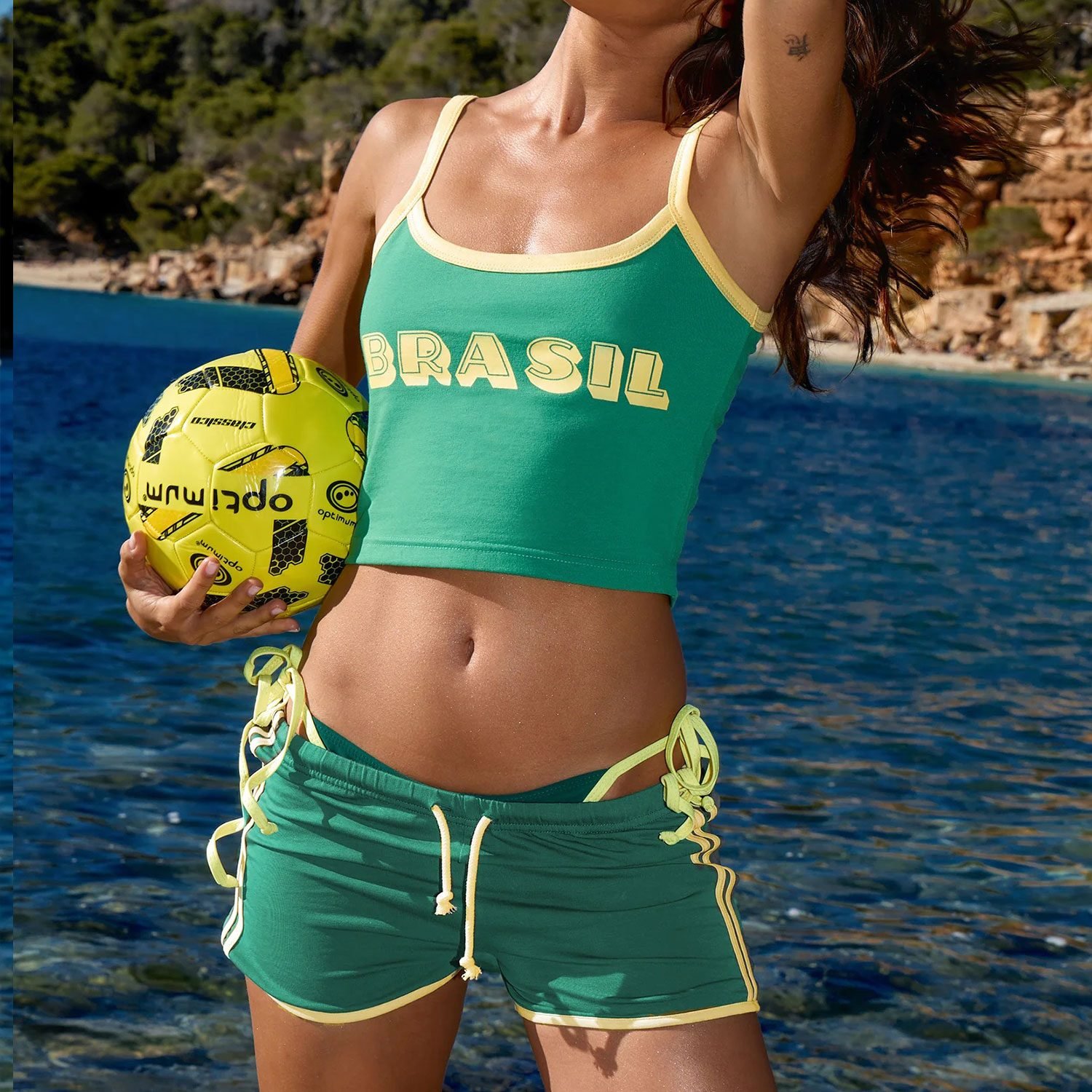
An onsite audit presents an invaluable opportunity to witness a factory’s operations firsthand. Evaluate both the technical capabilities and working conditions. It’s an opportunity to see if their written and verbal claims about production capabilities and ethical labor practices hold true. While not every detail will align with expectations, consistent discrepancies might indicate systemic issues, warranting thorough discussion or further investigation.
4. Third-Party Quality Assurance
Engaging a third-party quality assurance firm can provide an unbiased evaluation of a factory's practices and output quality. These specialists ensure that your products meet the necessary specifications before shipment, offering a shield against unpleasant surprises. Ongoing audits can also help catch potential problems early, preserving your brand’s reputation in the long term.
5. Verify History and Reputation
A manufacturer’s experience is paramount; therefore, verifying their history in the industry is crucial. For this, explore their track record through online reviews, client testimonials, and case studies. Considering these insights can give you confidence that you are forming a partnership with a credible entity.
By following these steps, brands can make informed decisions when selecting their manufacturing partners. For further insight, explore factors detailed in our guide on Choosing the Right Custom Swimwear Manufacturer.
Tailoring Your Needs with Accurate Data
When aligning your swimwear manufacturing needs with Joysportwear, approach it with the lens of accuracy. Discuss specific requirements openly to tailor every decision based on precise metrics. Whether it’s deciding on eco-friendly fabrics or finding the right balance between cost, quality, and volume, ensure data drives your choices. Seek to leverage expertise for streamlined production and consider sustainable solutions that align with your business and environmental goals. After evaluation, consider asking your supplier to look at your sample, drawing, or spec and provide recommendations grounded in practicality and precision.
Frequently Asked Questions About Key Metrics in Swimwear Manufacturing
What fabric weight is best for swimwear?
The best swimwear fabric weight ranges from 180-240 gsm for comfort and opacity. Heavier fabrics provide more durability while lighter ones increase transparency, which may not be ideal.
How does seam strength impact swimwear quality?
Seam strength directly affects a garment’s durability, especially under stress. It is important for the swimwear to withstand physical activity and environmental challenges.
What is a typical MOQ for custom swimwear orders?
For custom swimwear, the MOQ can vary based on the complexity of the design and the factory’s capabilities. It is advisable for buyers to discuss MOQ requirements with their supplier to ensure alignment with production needs and goals.