
I stood in the bustling production area of Joysportwear, observing a row of bikinis being meticulously stitched. Stitching in swimwear is not just about holding fabric together; it's about durability, comfort, and performance. A stitch that fails can ruin a swimsuit, turning an enjoyable day at the beach into a wardrobe malfunction. Understanding how different stitching techniques impact swimwear durability is crucial for any brand aiming to produce reliable swimwear products. By examining the stitching’s role, you can ensure your swimwear withstands the test of time and the rigors of saltwater, chlorine, and sun.
The Importance of Stitching in Swimwear Manufacturing
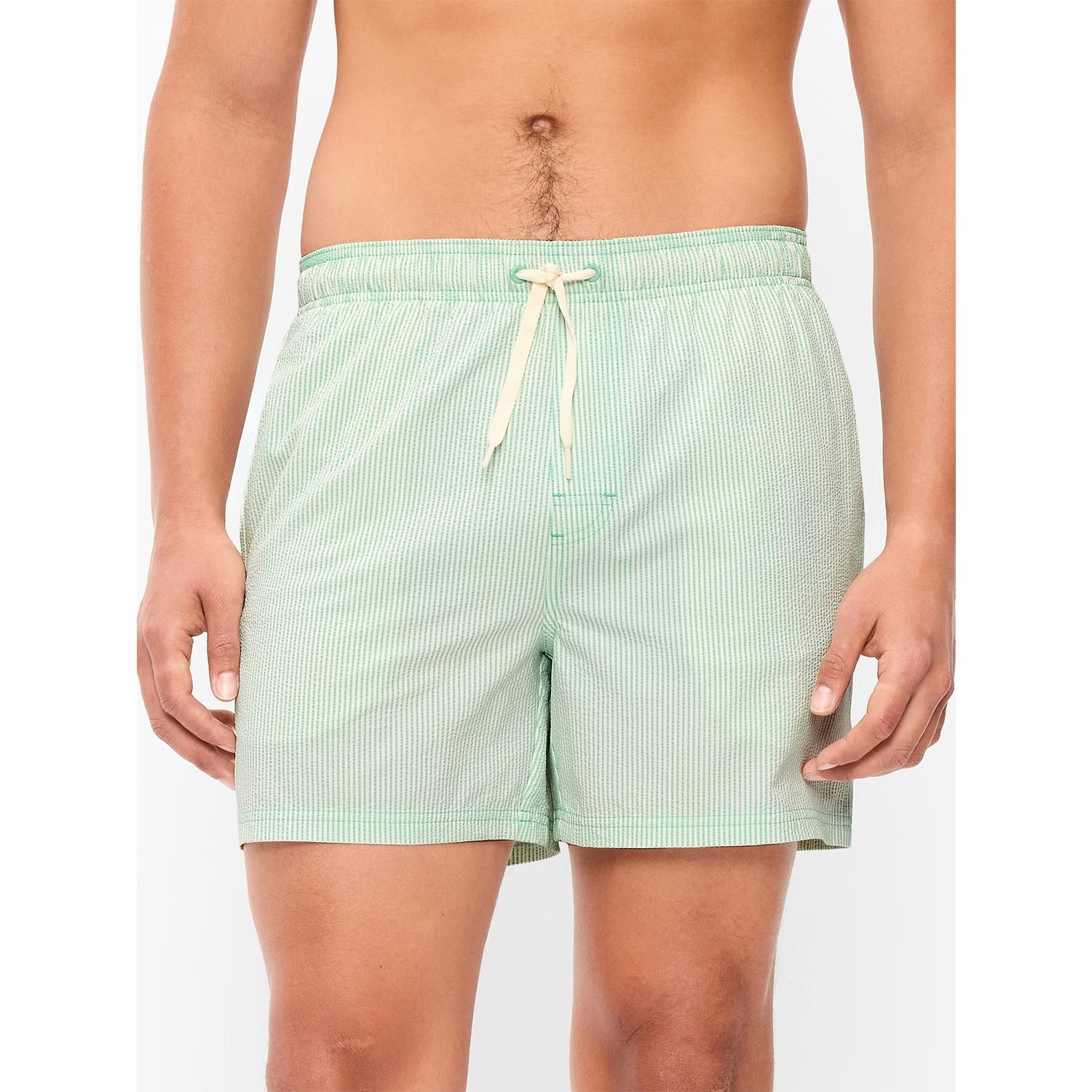
Stitching is the backbone of swimwear quality. Its role stretches beyond simply holding the fabric together; it fundamentally influences the garment's durability, fit, and visual appeal. In the realm of swimwear, where garments are subject to constant motion and stress from water and sun exposure, stitching quality can make or break the product.
Stitching as a quality factor. Good stitching ensures seams are durable and capable of withstanding the rigors of swimming and beach activities. ASTM D6193-16 sets the benchmark for stitching practices. It details the needed density and tension of stitches for various applications, ensuring that garments maintain integrity over time. Poor stitching, on the other hand, often leads to seam failures, puckering, or fabric distortion — issues that compromise the swimwear's performance and lifespan.
Differentiating between good and poor stitching. Good stitching is characterized by its consistent tension and neatly aligned seams. It doesn’t visibly strain the fabric nor create puckered lines. Conversely, poor stitching often shows irregular stitch lengths and threading that mismatches the fabric's elasticity, resulting in broken threads and compromised seams. Ensuring optimal stitch density—commonly recommended at 12-16 stitches per inch for swimwear—is crucial for preventing breaks and maintaining strength.
Aesthetic impact of stitching. The aesthetic appeal is equally crucial, particularly for swimwear, where style plays a key role in consumer choices. Seams that lay flat and align perfectly showcase the designer’s vision without distracting from the garment's overall appeal. Uneven or bulky stitches can detract from a swimwear piece's sleek look or cause discomfort against the skin, impacting the wearer’s comfort and satisfaction.
Stitching and fabric durability. Stitching indeed plays a direct role in fabric lifespan. Correct stitching supports the fabric, distributing stress evenly across seams and ensuring durability against environmental exposure, like saltwater and UV rays. ASTM D3994-14 emphasizes performance standards that complement durable stitching, reinforcing the idea that stitching and fabric must work in tandem to create long-lasting swimwear.
Ultimately, attentive stitching is an investment in quality and durability, laying the foundation for resilience in swimwear. To understand the economic implications of quality stitching, it’s beneficial to explore the factors discussed in Breaking Down the Cost Factors of Custom Swimwear Manufacturing.
Stitch Types and Their Roles
Selecting the right stitch type is essential in swimwear production, as it can significantly influence the durability and elasticity of the garment. Two prominent types of stitches used in swimwear are lockstitch and chain stitch, with each serving distinct roles and offering its own set of benefits and challenges.
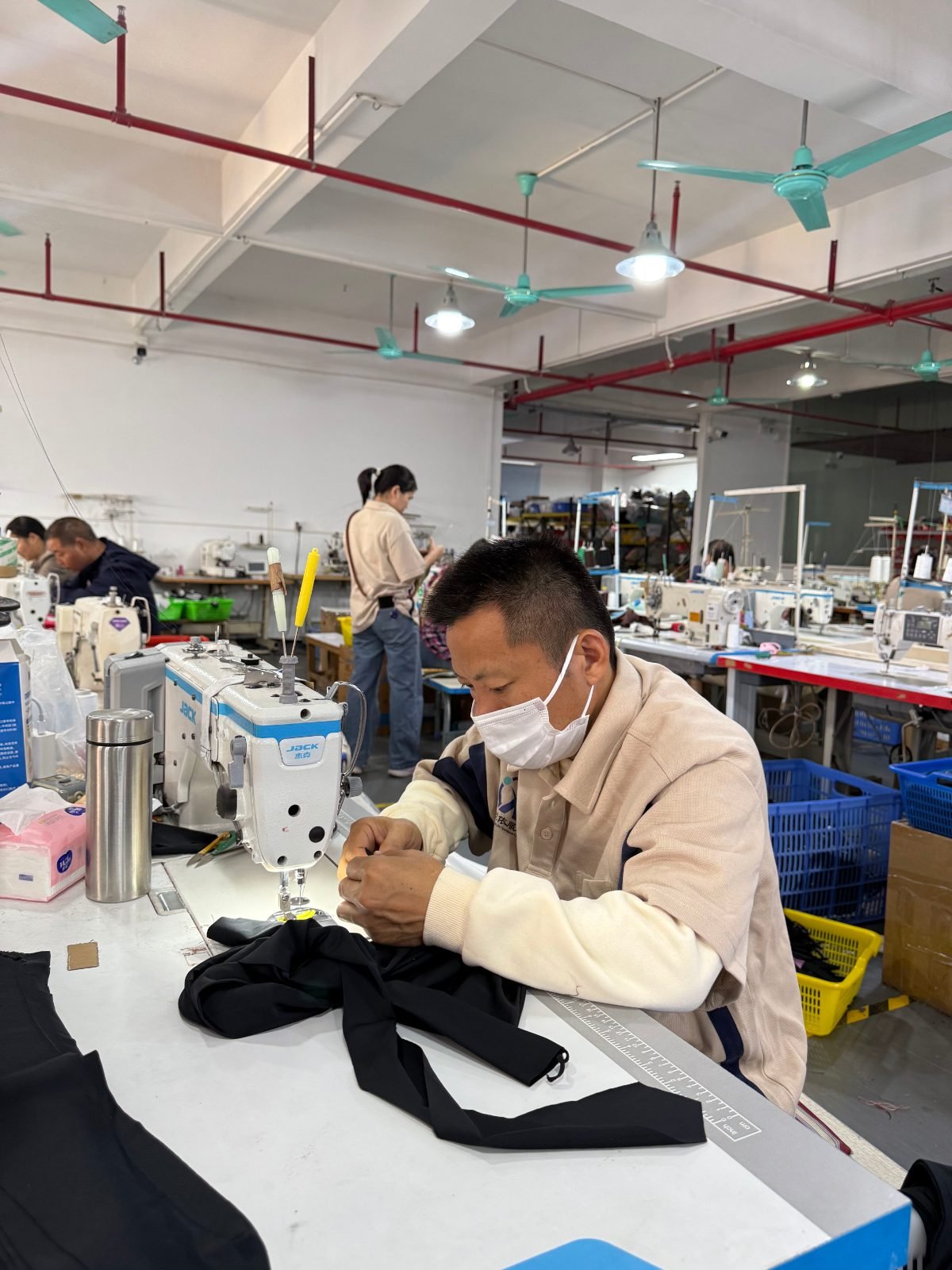
Lockstitch vs Chain Stitch. Lockstitch, characterized by its intertwined thread structure, is known for its robustness and is often employed in areas where strength is paramount. In swimwear, lockstitch is favored for its tight hold, particularly in areas that experience lower stress but require a neat finish, like the edges of bandeau bikinis or the bases of string bikinis. However, lockstitches may exhibit limited elasticity, making them less ideal for stretches.
Chain stitches, on the other hand, excel in providing elasticity and flexibility. Their looped structure allows for significant extension, which accommodates the dynamic movements in swimwear, especially in sporty designs. This makes chain stitches suitable for applications requiring elasticity, such as side seams in high-waisted bikinis or underwire bikini straps.
Role in Elasticity. The choice between lockstitch and chain stitch can impact the garment's elasticity. Lockstitches offer stability but lack the capacity to stretch extensively, which can be a disadvantage in swimwear needing a high degree of flexibility. Conversely, chain stitches, with their looped structure, allow for increased fabric stretch, making them suitable for garments that prioritize comfort and movement.
Specific Use Cases. Selecting the appropriate stitch type often depends on the specific use case. For example, tankinis and micro bikinis, which require high flexibility, benefit from chain stitches, whereas areas requiring additional strength, such as the waistbands of men’s swim trunks, might use lockstitch to prevent deformation over time.
Common Stitch Types in Swimwear
| Stitch Type | Elasticity | Typical Use | Advantages | Disadvantages |
|---|---|---|---|---|
| Lockstitch | Low to moderate | Waistbands, hems | Strong hold, clean finish | Limited elasticity |
| Chain Stitch | High | Seams, straps, side panels | Excellent stretch, flexibility | May unravel if cut |
| Flatlock | Moderate to high | Seams in flat areas | Flat finish, reduces chafing | Time-consuming |
| Overlock | Moderate to high | Edges, seams | Prevents fraying, flexible | Requires careful tension adjustment |
| Coverstitch | High | Hems, cuffs | High elasticity, durable | Can be complex to set up |
Choosing the right stitch type hinges on balancing the garment’s functional needs with its aesthetic goals, ensuring both durability and comfort for the end user.
Thread Tension and Its Influence
Proper thread tension is pivotal for achieving optimal seam performance in swimwear, where durability and elasticity are often non-negotiable. In swimwear manufacturing, finely tuned thread tension ensures that the seams can withstand the stresses of stretching and retracting without falling apart. Optimal tension settings are generally achieved through a combination of machine calibration and material-specific adjustments. Ideally, the thread tension should be just tight enough to prevent seam gaping without causing the fabric to pucker or distort.
Effects of Incorrect Tension
Incorrect thread tension can severely undermine the integrity of a swimwear garment. Too much tension can lead to seams that are unnecessarily tight, leading to restricted garment stretch and increased susceptibility to breakage, particularly in high-movement zones like underarm and hip areas. Conversely, insufficient tension could result in loose seams, causing swimwear to lose form and aesthetics, as well as compromising the garment's structural integrity.
Influence on Elasticity
Thread tension directly influences swimwear elasticity. The right balance allows the fabric to stretch and return to its original form, crucial for maintaining the garment's shape and fit over time. Both over-tightened and under-tightened threads reduce elasticity. Threads that are too tight can restrict movement and make the garment uncomfortable, while loose threads may cause sagging and alignment issues. By making micro-adjustments to the tension settings, swimwear producers can ensure that both comfort and stretchability are preserved.
Performance Adjustments
Customized tension settings cater to different fabric types and applications. For instance, heavier fabrics typically require higher tension settings, whereas lightweight, elastic materials necessitate lower tension to maintain flexibility. Adjustments are often made through testing and iteration during the production process. Regular inspections during stitching can detect tension discrepancies that indicate the need for immediate calibration.
Thread Tension and Seam Performance
| Tension Setting | Elasticity | Seam Durability | Suitable Fabrics | Adjustment Tips |
|---|---|---|---|---|
| High | Low | High | Thick Fabrics | Tighten carefully |
| Medium | Medium | Medium | Blends | Standard setting |
| Low | High | Low | Light, Elastic | Loosen slightly |
| Adjustable | Variable | Adjustable | Varies | Test & calibrate |
While getting the tension right involves some trial and error, the resulting product's robustness and comfort justify the effort.
Stitch Density: Getting it Right
Importance of stitch density. Stitch density plays a crucial role in the elasticity and durability of swimwear, often being measured in stitches per inch (SPI). For swimwear, a typical range might be between 12-16 SPI. This specific density is critical for maintaining the elasticity necessary for swimwear to retain its shape through repeated stretching, such as during swimming and sunbathing. A well-balanced stitch density helps ensure that the seams do not burst or crack, preserving the garment's integrity.

Effects of too low stitch density. If the stitch density falls below the recommended range, say less than 10 SPI, the seams are more likely to suffer from "seam bursting" due to insufficient thread coverage. With fewer stitches, the fabric isn't adequately supported, leading to a higher likelihood of failure when stretched or stressed. This can be particularly problematic in high-demand areas like the waistband or leg cuffs, where resilience is critical.
Effects of too high stitch density. Conversely, an overly high stitch density can also introduce problems. When stitch density exceeds the functional threshold, often above 18 SPI, the fabric can become stiff, limiting its elasticity. An excessive number of stitches per inch can cause puckering and can restrict the natural stretch of the fabric, which is a vital function in swimwear relied upon for comfort and fit.
Industry standards. Industry guidelines, such as those from ASTM D6193-16, lay out specific recommendations for optimal stitch density dependent on material elasticity and intended use. These standards suggest that while high stitch density might improve seam strength temporarily, it often defeats the purpose of elastic swimwear. Thus, adhering to established standards while understanding specific material characteristics is essential for balancing seam performance and garment longevity.
Balancing aesthetics and functionality. Achieving the right stitch density is a tightrope walk between form and function. On one side, dense stitching can create a more polished look, enhancing the aesthetic appeal. On the other, too dense stitching can negate the fabric flexibility necessary for swimwear's comfort and performance. It is advisable for designers and manufacturers to focus on aligning aesthetic desires with technical necessities, to ensure each piece looks appealing while holding up under the stresses of wear and tear.
By considering these aspects of stitch density, swimwear manufacturers can ensure a balance that optimizes both the look and durability of their products. Properly applied, the correct stitch density is a hallmark of quality, resulting in swimwear that satisfies both the desire for beauty and the need for robustness.
Managing Seam Strength for Maximum Durability
Enhancing seam strength in swimwear is a meticulous process that involves selecting the right techniques and seam types. Techniques such as taping and reinforcing seams with additional stitching layers can significantly improve durability. Adding tape or reinforcing stitches enhances a seam’s resistance to tearing under stress, a common challenge for swimwear that frequently stretches.
Seams in swimwear not only need to be strong but also flexible to move with the body. Common seams include overlock, which provides a clean finish and is suitable for curved areas, and flatlock, known for minimal bulk and excellent stretch. Flatlock seams sit flat against the skin, reducing irritation—a key consideration for active swim styles.
Seam efficiency—the percentage of fabric strength retained after stitching—is crucial. ASTM D6193-16 outlines that achieving high seam efficiency requires attention to thread tension and stitch density, ensuring that the seam doesn't compromise fabric integrity. Efficient seams retain 70–90% of the original fabric strength, crucial for performance swimwear where elasticity and stretch are foundational.
Seam placement enhances durability and comfort. Strategically placing seams in areas less prone to movement, such as side panels, mitigates pressure and potential wear. In contrast, placing seams along highly flexible areas like armholes demands designs that accommodate frequent stretching without degrading the seam.
Seam Strength Across Swimwear Types
| Swimwear Type | Seam Type | Strength (%) | Flexibility | Recommended Application |
|---|---|---|---|---|
| Bikini Top | Flatlock | 85% | High | High-stretch areas |
| One-Piece Swimsuit | Overlock | 80% | Moderate | Curved seams |
| Sporty Swimwear | Double-Stitch | 75% | High | Compression garments |
| Kids' Swimwear | Flatlock | 82% | High | Areas prone to irritation |
| Men's Swim Trunks | Overlock | 78% | Moderate | Functional midsections |
Achieving maximum seam strength without sacrificing flexibility is an art. By carefully selecting seam types and placements, and maintaining a high seam efficiency, manufacturers can ensure their swimwear withstands the rigors of both use and style. Understanding these dynamics helps avoid common pitfalls that lead to premature garment failure.
The Right Materials for Durable Stitching
Thread Material Impact. The material of the thread selected for swimwear can dictate the durability and longevity of the garment's seams. Synthetics, especially polyester and nylon, are the workhorses in swimwear stitching, offering superior strength and elasticity. This aligns with ASTM D6193-16 standards for stitch and seam performance, where tensile strength and resistance to environmental factors are paramount. Natural fibers like cotton, although used in some garment types, typically fall short in swimwear due to their lower resistance to chlorine, saltwater, and UV exposure.
Synthetic vs. Natural Threads. In the constant tug-of-war between synthetic and natural threads, synthetics usually win out for swimwear due to durability. Polyester threads are UV-resistant and maintain color, which is crucial for swimwear exposed to direct sunlight. Nylon threads, on the other hand, excel in elasticity and strength, making them excellent for active swimwear that demands flexibility. Conversely, natural threads like cotton are often avoided because they absorb water, leading to weakened bonds and faster degradation in wet conditions.
Longevity and Chlorine Resistance. Synthetic threads are specifically engineered to offer prolonged durability, with a seam life that often matches or exceeds that of the fabric itself. This ability to withstand exposure to chlorine is essential in verticals like kids' swimwear and sporty swimwear, where frequent pool use is expected. The superior chlorine resistance of polyester and nylon threads helps prevent color fading and seam degradation, ensuring that the swimwear retains its integrity and aesthetic appeal over time.

Choosing the Right Material for Swimwear Type. Material selection becomes more nuanced when you consider different swimwear types. For instance, in underwire bikinis or string bikinis, where structural support is critical, using thread that balances strength and elasticity is key. In high-stress areas such as waistbands or shoulder straps, opting for nylon can provide a good stretch ratio, preserving garment shape while offering comfort. On the other hand, everyday swimwear might prioritize polyester's fading resistance and durability, providing a robust option to frequent beachgoers.
Environmental Considerations. As brands increasingly pivot toward sustainability, synthetic threads with a reduced environmental footprint are gaining traction. Fabrics that blend recycled materials with robust synthetic threads align with circular fashion practices, enhancing the garment's lifecycle without compromising on performance.
What Brands Should Consider When Choosing Stitching Options
Factor balance. Selecting stitching options in swimwear involves balancing several factors, starting with the intended function of the swimwear. High-performance sporty swimwear requires different stitching than leisurely beachwear. Critical factors include elasticity, seam strength, cost, and appearance. A manufacturer must consider these parameters based on the swimwear's expected use — whether it undergoes high-intensity swimming or just casual beachwear lounging.
Cost vs. quality. Balancing cost and quality is crucial. While higher-quality stitching uses more thread and labor, resulting in increased costs, it ensures longer-lasting products. For instance, choosing a lockstitch, known for its durability, could increase initial production costs, but it reduces returns and replacements due to seam failure over time. This long-term cost efficiency often outweighs the initial expense.
Durability in the long-term. Long-term considerations include the impact of chlorine and saltwater on stitching. Threads like polyester withstand these conditions better than others, such as cotton. Brands must consider how their stitching choices will affect the swimwear's lifespan, particularly if marketed as high-durability or eco-friendly products. Regular interaction with harsh pool chemicals or sea water necessitates robust stitching solutions.
Case studies. The careful selection of stitching enhanced the product's durability in high-stress areas, reducing the need for frequent repairs.
By concentrating on specific needs and the conditions under which the swimwear will be used, brands can make strategic decisions that balance cost, quality, and longevity. Evaluating these factors in the context of their target market and product range can significantly impact a fashion brand's reputation and sustainability. It ultimately allows swimwear brands to position themselves as reliable, high-quality providers in a competitive market.
Reflecting on Your Stitching Choices
Are they contributing to or hindering the overall quality of your products? Assess the lifespan of your swimwear in real-world conditions; stitching influences everything from seam strength to garment elasticity. Identify areas ripe for improvement—perhaps in thread material or stitch type—and plan for innovation, like experimenting with new stitch patterns or materials. This reflection might highlight critical changes needed to ensure you maintain competitive, durable, and appealing designs. Ultimately, what will your next innovation in stitching be?
FAQ: Stitching in Swimwear
What is the best stitch type for swimwear?
The appropriate stitch type for swimwear depends on the material and the required properties of the garment, such as strength and elasticity. Choosing the right stitch helps maintain the garment's shape and withstand environmental stress.
How does thread tension affect swimwear durability?
Thread tension greatly influences seam durability. Correct tension ensures elasticity and seam integrity, whereas too tight or too loose tension could lead to seam failure or puckering. Testing different tensions on scrap fabric can help determine the ideal setting.