
In the world of custom swimwear manufacturing, three main cost factors dominate: fabric choice, order quantity, and design complexity. Fabric accounts for approximately 40-60% of the total production cost, influenced by material type, weight, and environmental certifications such as OEKO-TEX. The minimum order quantity (MOQ) can significantly impact per-unit cost, with larger orders lowering expenses. Meanwhile, intricate designs demand more labor and specialized skills, further affecting costs. Recognizing and balancing these factors allows brands to optimize production expenses, ensuring high-quality swimwear fits within budget constraints. Understanding these critical elements equips buyers with the knowledge to make informed decisions.
The Numbers That Define Swimwear Costs
In swimwear manufacturing, fabric choice, minimum order quantities (MOQ), and design complexity significantly influence costs. Fabric choice dictates the cost more than any other factor, and certifications like OEKO-TEX 100 can indicate higher quality and safety standards. Choosing an OEKO-TEX-certified fabric typically increases costs because it assures buyers that the fabric has been tested for harmful substances. This certification is particularly crucial for private label clients who aim to market their products as eco-friendly and sustainable, driving up demand and cost.
MOQ also heavily impacts the cost per unit. Generally, ordering larger quantities reduces per-unit manufacturing costs due to economies of scale. For startups, a lower MOQ might be practical for initial orders, but this often results in higher per-piece costs. Established brands often have the advantage of placing larger orders, achieving better pricing models due to the ability to amortize the fixed costs over more units. Typically, decreasing MOQ can lead to increased overall cost per piece, making it harder to achieve competitive pricing in the market.
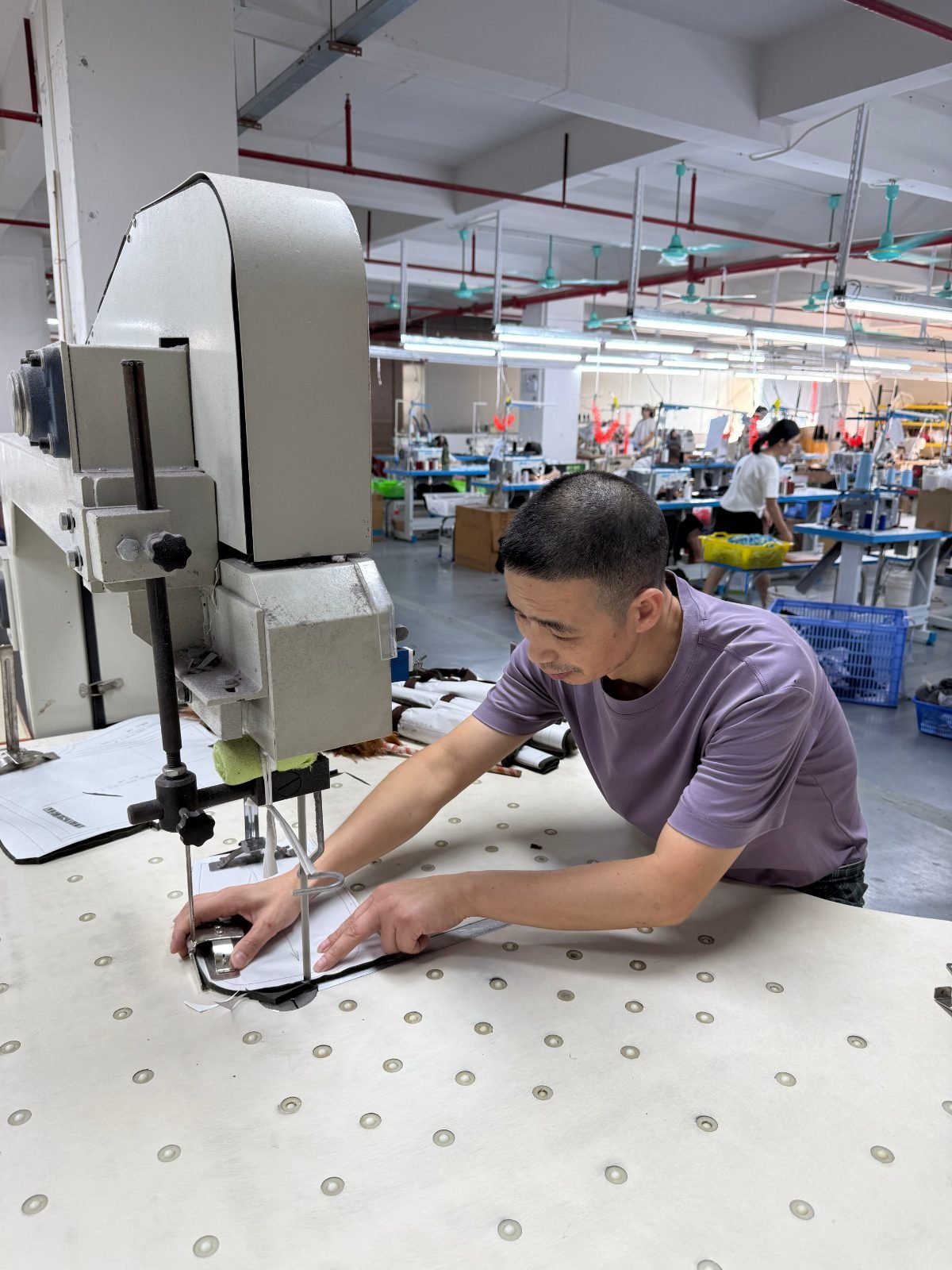
Design complexity contributes to labor costs and overall production time. More intricate designs, multiple colorways, and detailed stitching require additional labor and time during the manufacturing process. A simple bikini will cost less to produce compared to one with intricate lacework or digital prints requiring advanced manufacturing technologies, increasing both material costs and labor expenses.
The type and certification of materials play a key role in determining costs. For instance, using sustainable polyurethane elastomers, which offer enhanced flexibility and durability, can impact costs significantly due to their premium pricing over standard materials. Moreover, certifications such as Global Recycled Standard (GRS) may also increase costs by verifying that products are made from recycled materials, appealing to environmentally conscious consumers.
Furthermore, brands might overlook indirect costs such as logistics and transportation, which can subtly influence overall expenditure. Shipping routes, their reliability, and associated costs must be factored into the financial equation as these can fluctuate seasonally, impacting the bottom line considerably. Over time, neglecting these financial particulars might lead to unexpected expenses.
Core Cost Drivers in Swimwear Manufacturing
| Factor | Impact on Cost | Considerations | Certification Influence |
|---|---|---|---|
| Fabric Choice | High impact; premium fabrics cost more | Eco-friendly fibers increase appeal | OEKO-TEX and GRS certifications |
| MOQ | Lower MOQs raise per-piece costs | Startups may opt for smaller initial batches | None |
| Design Complexity | Increases labor costs and production time | Complex designs demand advanced manufacturing | None |
| Material Type | Varies greatly; specialized materials cost more | Sustainable materials support brand eco-credentials | Influenced by GRS, OEKO-TEX |
| Technological Needs | Drives cost; laser cutting, 3D printing are costly | Advanced machinery needed for precision | None |
Understanding these drivers and their implications on costs can guide brands in planning sustainable and economically feasible product lines. For a more detailed exploration of this process, refer to our in-depth breakdown on Breaking Down the Custom Swimwear Manufacturing Process.
Quantifying Fabric Costs and Their Impact
When it comes to custom swimwear manufacturing, the fabric's weight, composition, and certifications significantly impact costs — both immediate and long-term. Looking first at grams per square meter (GSM), this measurement influences both the raw cost and the functional quality of swimwear. Typical GSM ranges for bikinis and one-piece swimsuits fall between 170-240 GSM. Heavier GSMs, often needed for competition-grade swimwear, contribute to higher costs due to the increased material needed, but they also promise more durability.
The Role of Fabric Blends
Commonly, swimwear fabrics are blends of nylon and spandex, or polyester for chlorine resistance. A typical blend for fashion swimwear is 80% nylon mixed with 20% spandex. This gives the fabric a four-way stretch, which is crucial for comfort and fit. However, nylon's price fluctuations can affect total material cost. Polyester blends, often used for performance and chlorine-resistant swimwear, typically involve 53% polyester and 47% PBT. These blends may cost slightly more upfront due to the specific performance attributes they offer, such as superior chlorine resistance. Yet, they are more cost-effective over time as they need less frequent replacement.
Importance of OEKO-TEX Certification
Using OEKO-TEX certified fabrics often increases initial fabric costs by 10-20% but offers sustainability credentials that appeal to eco-conscious consumers. This certification ensures the absence of harmful substances, which not only addresses consumer safety but is increasingly becoming a market requirement. While the upfront investment is higher, the enhanced marketability and potential premium pricing can offset these costs.
Wastage in Cutting Patterns
Fabric wastage during cutting is another critical cost factor. Efficient pattern layout maximizes material usage, but waste is unavoidable due to the intricacies of swimwear design. Complex patterns such as those with a high degree of curvature naturally lead to more offcuts, potentially increasing material waste by up to 30%. While higher waste can raise immediate fabric costs, considering efficient cutting techniques can help minimize losses, balancing the budget.
Durability and Cost Efficiency
Lastly, the interplay between durability and cost efficiency cannot be overlooked. This reduces the frequency of replacements for the consumer, thereby enhancing long-term cost efficiency. Thus, while the choice of fabric blend and its certification can initially elevate costs, these factors also pave the way for sustainable long-term returns through customer satisfaction and loyalty.
In addition, consider how fabric innovation, such as eco-fiber blends, might introduce cost variables by necessitating new testing protocols, further increasing initial costs but potentially decreasing post-purchase liabilities and increasing lifecycle value of the product.
MOQ: Balancing Order Size and Cost
Minimum Order Quantity (MOQ) plays a critical role in pricing strategy for custom swimwear manufacturing. Typically, a lower MOQ results in a higher cost per unit due to the allocation of fixed costs over fewer pieces. Conversely, increasing the MOQ can drastically reduce the cost per unit, making larger orders more economically feasible.
This significant change is often associated with better allocation of production resources and reductions in administrative costs, affecting the overall cost structure.

MOQ and Unit Price Relationship in Swimwear
| MOQ (Units) | Cost per Unit | Benefits | Drawbacks |
|---|---|---|---|
| 100 | $35 | Ideal for prototypes or small launches | Higher per unit cost; less negotiating power |
| 300 | $28 | Balances risk for startups | Limited scalability; higher storage costs per item |
| 500 | $25 | Cost-effective for startups | Still higher than high-volume discounts |
| 1,000 | $15 | Economies of scale achieved | Higher upfront cost; increases risk of unsold stock |
| 3,000+ | $12 | Lowest cost per unit possible | Requires significant capital; potential for high storage costs |
Adjustments Through Design and Material Choices
MOQ can also be adjusted through strategic design or material changes. For example, simplifying a design by reducing color variants or opting for commonly available materials can decrease fabric and production costs, thus enabling lower MOQs. This approach is particularly advantageous for startups that need flexibility without compromising their design vision.
Ideal MOQs for Different Brand Stages
For startups, an MOQ of 100 to 300 units might be ideal, allowing for testing without extensive financial commitment. This size permits brands to trial new designs and gauge market response while maintaining manageable inventory levels. Established brands, however, should aim for higher MOQs, around 1,000 or more, to leverage economies of scale, optimize production runs, and ensure consistency in bulk orders.
Logistics and Storage Considerations
High MOQs not only impact production costs but also logistics and storage expenses. Warehousing the unsold inventory and managing increased storage needs can become significant additional costs. Thus, brands must plan their storage capabilities when considering higher MOQs, ensuring that these don't offset the benefits of reduced per-unit costs. Short-term savings in production can translate into long-term financial burdens if logistics are not carefully managed.
In addition to these considerations, fluctuating market demand can influence MOQ decisions. Smaller batches might allow brands to respond quickly to shifting consumer preferences while larger MOQs can provide a buffer against cost increases during periods of raw material scarcity.
Striking the right balance with MOQ in swimwear production is paramount. It not only dictates pricing but also influences logistics, storage, and the overall financial health of a swimwear brand.
Design Complexity: When Creativity Meets Cost
When it comes to custom swimwear, few factors influence cost as significantly as design complexity. A design's intricacy can hinge on multiple elements, from pattern details to color combinations. Using multiple colors requires precise planning to maintain colorfastness, while intricate patterns like animal prints demand additional oversight throughout the printing and cutting stages.
Proprietary vs. Off-the-Shelf Designs
Choosing between proprietary and off-the-shelf designs is a major decision point for any brand. Proprietary designs allow brands to carve out unique market space but typically incur higher costs due to the need for bespoke pattern creation and custom printing. Off-the-shelf options, on the other hand, can reduce upfront expenses while limiting uniqueness due to their pre-existing nature.
Technological adaptations like laser cutting play a crucial role in executing intricate designs. Laser cutting provides precision, minimizing fabric wastage and ensuring consistent pattern execution across production batches. However, the sophistication of laser equipment and its operational costs are alternative contributors that can elevate overall manufacturing expenses.
Intricate Details Demand Skilled Labor
Design elements such as fine embroidery or complex stitching significantly impact labor costs. With intricate stitching requiring experienced artisans, production timelines may lengthen, consequently affecting cost. The application of underwire or integrated padding in bikinis adds another layer of complexity, where precision becomes indispensable to avoid machine rework, which in turn grows labor costs.
Moreover, the use of advanced 3D modeling and prototyping to visualize complex designs before full-scale production can minimize errors but adds another tier of initial design cost. These technologies enable precise articulation of design elements, potentially reducing errors and waste in the long run.
Material Choices and Design Complexity
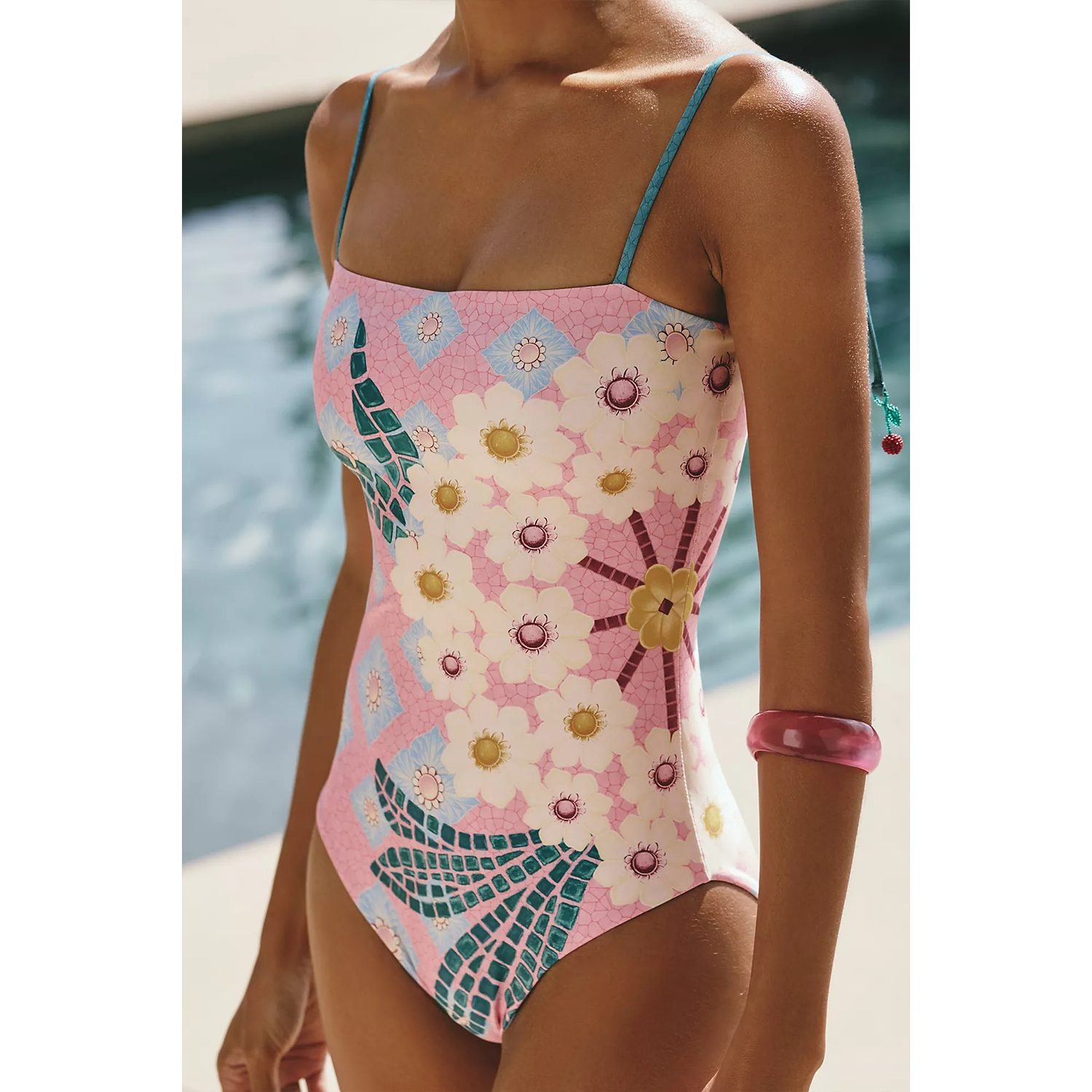
The material is not just a surface-level choice; it directly interacts with design complexity. For instance, utilizing a fabric blend such as an 80% nylon and 20% spandex allows stretch but also demands precision cutting and pattern matching—vital when the design includes multiple panels or intricate seams. A complex design may incorporate different fabric weights or properties, affecting layering and ultimately resulting in more cutting stages.
Each piece in a swimwear collection adds to the fabric requirements, which subsequently climb as more elements like additional lining or layers for added support are integrated. A considerable number of pieces lead to increased material and labor requirements, each contributing significantly to the overall cost matrix. Keeping in mind these factors, informed decisions regarding design complexity can ensure cost-efficiency without compromising creativity.
Surprise Cost Drivers in Swimwear Manufacturing
Unveiling the less visible cost factors in swimwear manufacturing gives buyers a clearer picture of what shapes the final price tag. A significant, yet often unnoticed, expense in production is licensing fees for special prints or patterns. Brands looking to incorporate copyrighted or trademarked designs must account for fees that can vary widely based on the exclusivity and popularity of the graphics. For those using unique designs, anticipate additional costs upwards of $500 per pattern, influenced by licensing agreements.
Fluctuations in material availability also play a pivotal role in cost dynamics. Swimwear material demands stability in pricing to ensure consistent production costs. Any supply chain disruptions—whether due to shipping delays or raw material shortages—can lead to sudden price spikes. Typically, a 10-15% variation in raw material prices is not unusual during high-demand seasons.
Post-production expenses such as quality control and inspection are other hidden costs buyers should not overlook. Ensuring that each product meets high standards requires both time and skilled labor, which add to the overall manufacturing bill.
Eco-friendly certifications, while increasingly a priority for many brands, can also contribute to unexpected expenses. Obtaining certifications like OEKO-TEX or GRS frequently involves stringent testing and compliance requirements, translating into higher initial costs for manufacturers. Joysportwear, for instance, being GRS certified, may need to pass costs for compliance and certification through to clients, raising unit prices slightly but offering market advantages in sustainability—a significant selling point.
Additionally, brands might encounter surprise costs stemming from regulatory compliance specific to regions they aim to sell in. These could necessitate product redesigns, retesting, and repackaging, which can impact both time-to-market and cost structure.
Recognizing these unseen expenses empowers brands to negotiate and plan effectively, accommodating both expected and unexpected cost drivers in their production budgets.
Interpreting a Supplier's Cost Data Sheet
In the landscape of custom swimwear manufacturing, cost data sheets serve as critical tools for buyers aiming to navigate pricing structures effectively. Understanding these breakdowns can significantly enhance your ability to negotiate favorable terms. It's crucial to recognize standard presentations of fabric and labor costs in these documents, as well as to discern actual versus projected costs—an insight that can prevent unwelcome budget surprises.
Suppliers typically outline the cost components, ranging from raw materials to labor and overheads in their data sheets. Fabric costs, as noted, are often detailed based on the weight and type of fabric required, which impacts the per-unit cost. Common blends such as the 80% nylon and 20% spandex mix provide stretch and resilience but come at a specific price point. Additionally, the presentation of labor costs often encompasses both skilled and unskilled labor, critical for producing a range of styles, from simple bikinis to more elaborate swimwear lines such as tankinis and monokinis.
Decoding Supplier Cost Data

| Cost Component | Typical Presentation | Analysis Tip | Negotiation Opportunity |
|---|---|---|---|
| Fabric | Per kilojoule or percentage blend | Examine for fabric quality certifications | Leverage eco-friendly or premium options |
| Labor | Hourly rate or set fee per unit | Check for variance with design complexity | Discuss volume discounting on labor |
| Overhead Costs | Total line item | Compare with similar market quotes | Inquire about potential annual locking |
| Transportation | By shipment size or frequency | Factor logistics timing to overall budget | Propose shared logistics for cost savings |
| Eco-Certifications | Surcharges for sustainability | Validate certifications like OEKO-TEX | Explore certifications that add value |
| Packaging | Fixed or variable per unit | Ensure clarity on recyclability features | Negotiate bulk uniformity for savings |
Transparency is paramount. Suppliers who are open about their cost structures set a foundation for trust and effective partnerships. However, it's essential to note any discrepancies or deviations in cost data sheets. A typical red flag might include unusual spikes in overhead costs compared to industry norms or hidden surcharges in eco-certifications without proper documentation.
Once you're armed with this understanding, employing negotiation strategies becomes straightforward. For instance, if a supplier's labor costs seem high compared to another's, but you're confident in both quality and delivery, negotiating on increased order quantities could be a prudent move. Similarly, certifications like OEKO-TEX not only ensure fabric safety but can also be leveraged as common ground in cost discussions, potentially securing better terms in exchange for commitments on sustainability.
Ultimately, interpreting cost data sheets goes beyond just dollars and cents. It's about tying each line item back to your brand's strategic imperatives and finding alignment between cost efficiency and value. Also, understand that market conditions might influence costs outlined on these sheets, requiring buyers to update their strategies based on evolving market circumstances.
Optimize Your Swimwear Manufacturing Budget
When sourcing custom swimwear, understanding key cost factors—like fabric, minimum order quantities (MOQ), and design complexity—can significantly impact your bottom line. Choosing OEKO-TEX certified, durable fabrics often saves costs in the long run by reducing returns and enhancing resale value. Opt for designs that balance creativity with simplicity to manage labor expenses. Adjusting MOQs based on market demand and negotiating better terms using precise cost breakdowns can optimize budgets. Additionally, understanding seasonal trends in material pricing and opting for bulk purchases during off-peak seasons may yield cost benefits.
Sustainable strategies aligned with branding not only improve market positioning but offer cost advantages, especially when investing in eco-labels encourages favorable consumer perceptions and price premiums. Align your inventory needs with promotional timing to optimize liquidations and clear stock ahead of new launches. By implementing flexible strategies aligned with sustainable branding, your swimwear line will be well-positioned for both quality and cost-effectiveness.
FAQ: Managing Custom Swimwear Costs
How does fabric choice affect swimwear costs?
Fabric choice significantly impacts costs, accounting for up to 60% of total production expenses. Factors include the type, weight, and certifications like OEKO-TEX, which add value but increase costs. For instance, opting for materials with advanced moisture-wicking properties might not only incur higher initial expenditure but potentially increase long-term turnover rates by ensuring consumer satisfaction and reduced return rates.
What is the ideal MOQ for startup swimwear brands?
Startup swimwear brands often benefit from lower MOQs, typically around 100-300 units. These quantities help manage initial costs and risks while allowing brands to test market response. Such quantities offer vital insights without heavily influencing financial strains, supporting strategic market penetration. Adjusting MOQs based on evolving demand and seasonal patterns can further aid startups in building impactful product cycles without overextending their production capacities.
How do certifications like OEKO-TEX impact pricing?
Certifications like OEKO-TEX can lead to increased material costs by up to 20%, as they confirm compliance with safety standards essential for eco-conscious markets. While increasing unit costs, these certifications enable better market positioning, premium pricing strategies, and access to segments prioritizing sustainability and safety. Additionally, they lower liability risks associated with non-compliance and bolster brand credibility among increasingly informed consumers.