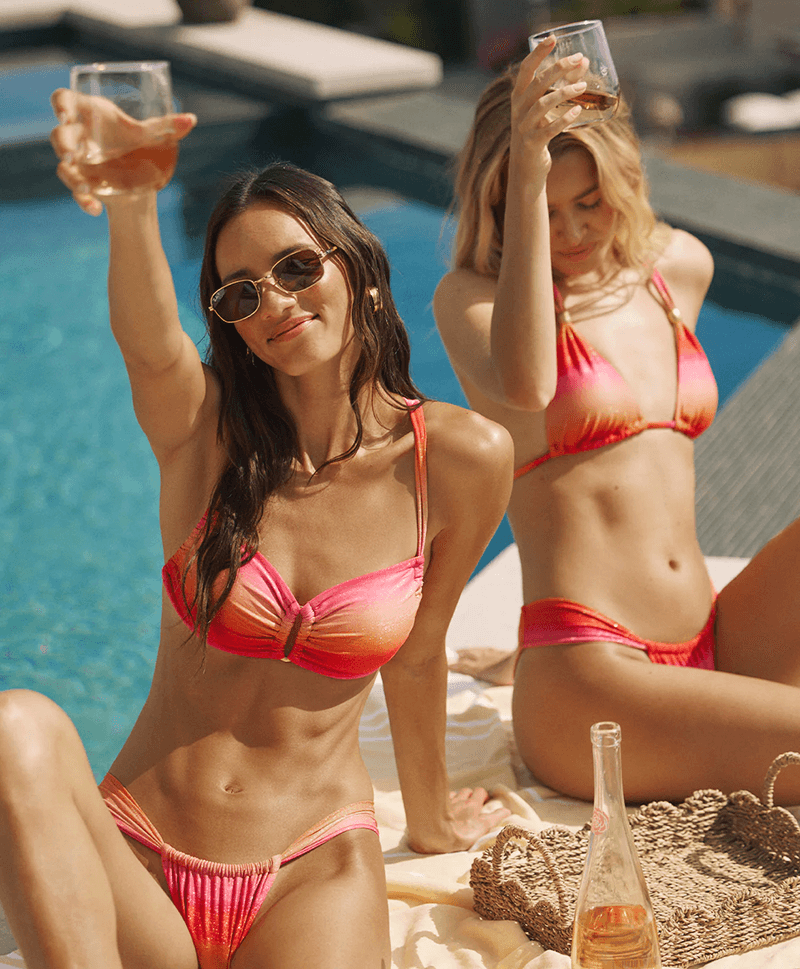
Planning your first swimwear order can feel exciting, but it can also become overwhelming quickly. There are many details to decide before production starts: styles, fabrics, colors, sizes, samples, labels, packaging, MOQ, and delivery time.
For a new swimwear brand, the goal is not to launch as many styles. A better approach is to start with a focused collection that is clear, wearable, and easier to manage. This helps you control cost, reduce sampling mistakes, and test the market with less risk.
This guide explains how to plan your first swimwear order step by step, from product direction to production preparation.
Start With a Clear Product Direction
Before contacting a swimwear manufacturer, define what kind of swimwear you want to create. A clear direction makes communication easier and helps the factory understand your expectations faster.
Start by asking yourself:
- Are you creating bikinis, one-piece swimsuits, tankinis, cover-ups, kids’ swimwear, or men’s swimwear?
- Is your collection more fashion-focused, sporty, minimal, sexy, modest, or resort-inspired?
- Do you want solid colors, prints, textured fabrics, embroidery, beading, or special trims?
- Who is your target customer?
- What price range do you want your final products to fit into?
For your first order, it is better to build a small but consistent collection. Too many unrelated designs can make sampling, costing, and production harder to control.
Decide How Many Styles to Launch
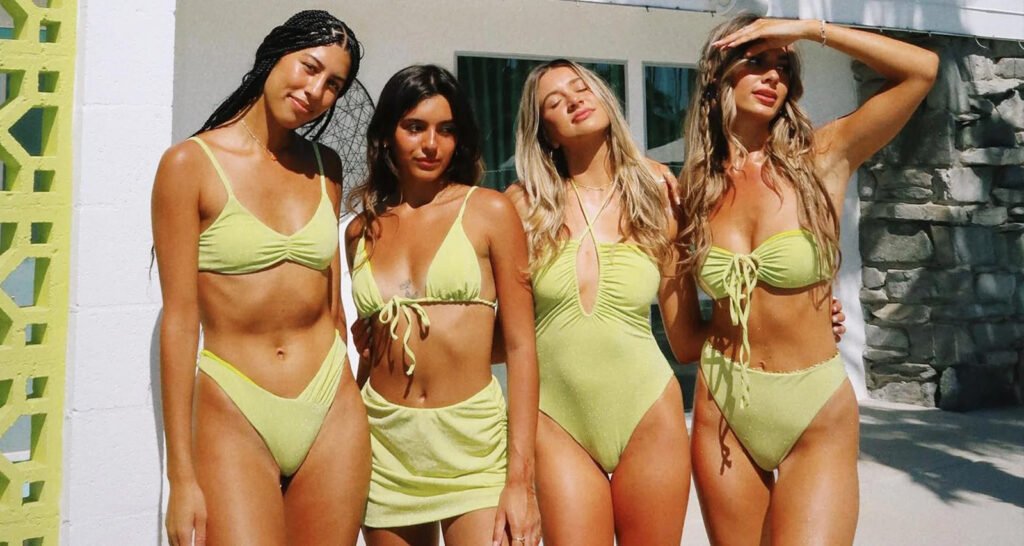
Many new brands make the mistake of starting with too many styles.
A first swimwear collection should be simple enough to manage but strong enough to show your brand identity.
- New startup brand: 3–5 styles, 1–2 colors each
- Boutique swimwear brand: 5–8 styles with selected colors
- Existing fashion brand testing swimwear: 2–4 styles as a capsule collection
- Influencer or e-commerce launch: Small collection with strong visual appeal
If you are just starting, 3 to 6 core styles are usually enough. You can test which silhouettes, colors, and sizes sell best before expanding into a larger collection.
Prepare Your Design References
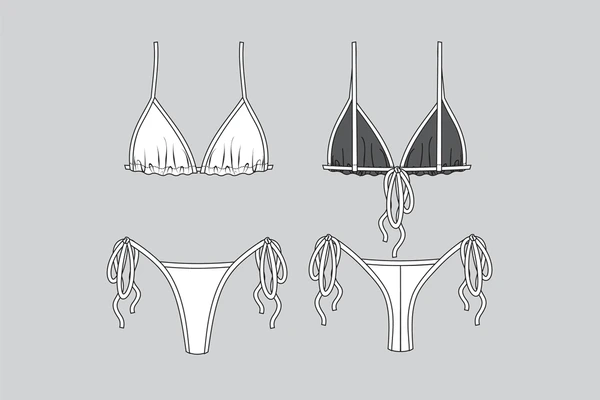
You do not always need a full professional tech pack for your first inquiry, but you do need clear design references. The more specific your information is, the more accurate the quotation and sample development will be.
Useful materials include:
- Reference photos
- Sketches or mockups
- Fabric ideas
- Color references or Pantone codes
- Size range
- Coverage preference
- Logo placement
- Lining requirements
- Hardware details
- Strap style
- Print artwork, if needed
- Label and packaging ideas
Clear references help reduce misunderstanding and avoid unnecessary sample revisions.
Choose the Right Swimwear Fabric
Fabric has a major impact on the look, feel, price, and performance of swimwear. The best fabric depends on your product positioning and how the swimwear will be used.
| Fabric Type | Best For | Key Features |
|---|---|---|
| Nylon spandex | Fashion swimwear, bikinis, one-pieces | Soft, smooth, good stretch |
| Polyester spandex | Printed swimwear, durable styles | Stronger color performance, more durable |
| Recycled fabric | Eco-conscious collections | Sustainable story, soft hand feel |
| Ribbed swim fabric | Textured swimwear | Modern look, thicker feel |
| Terry cloth swim fabric | Resortwear, lifestyle swimwear | Soft texture, retro beach feel |
| PBT/polyester blend | Training swimwear | Better chlorine resistance |
Do not choose fabric only based on a photo. A fabric may look beautiful but feel too thin, too thick, too loose, or too stiff for your design.
For a first collection, it is usually safer to start with proven swimwear fabrics that offer good stretch, recovery, colorfastness, and comfort.
Understand MOQ Before Planning Colors and Sizes
Minimum order quantity (MOQ), is one of the most important things to understand before placing your first order.
In custom swimwear, MOQ is usually affected by:
- Style complexity
- Fabric availability
- Color quantity
- Print method
- Size range
- Custom trims
- Labels and packaging
- Cutting and sewing difficulty
For many custom swimwear projects, MOQ is often around 50-100 pieces per style/color, depending on the design, fabric, and production details.
Plan Your Size Range and Size Ratio
Size planning is easy to overlook, but it directly affects your inventory and customer experience.
Common swimwear size ranges include:
- XS–XL
- S–XL
- XXS–XXL
- Plus size range
- Kids’ size range
If you do not have past sales data, you can start with a balanced size ratio based on your target market.
- S: 20%
- M: 35%
- L: 30%
- XL: 15%
This is only an example. Your actual size ratio should depend on your customer base, market region, style fit, and sales channel.
Don’t Skip the Sample Stage
Samples are essential in swimwear development. Even if the design looks simple, the final fit depends on fabric stretch, elastic tension, lining, coverage, stitching, and body movement.
During sample review, check:
- Overall fit
- Bust support
- Bottom coverage
- Fabric hand feel
- Lining quality
- Elastic tension
- Stitching quality
- Strap length
- Hardware placement
- Logo position
- Color or print accuracy
Sample development usually takes around 10–20 days, depending on the style, fabric, and process.
For first-time brands, one sample round may not be enough. It is normal to adjust fit, coverage, strap length, or construction before confirming bulk production.
Review Fit Before Bulk Production
Swimwear fit is more sensitive than many other garment categories. A small change in elastic, seam placement, or fabric stretch can affect how the swimsuit feels on the body
Before approving a sample, review it carefully on a real body or fit model. Flat photos are helpful, but they cannot show support, comfort, or movement.
Key fit points to check include:
- Does the bikini top feel secure?
- Does the underbust stay in place?
- Does the bottom provide the right coverage?
- Are the leg openings comfortable?
- Does the waistband dig into the skin?
- Are the straps the right length?
- Does the swimsuit stay stable when moving?
- Does the lining stay smooth?
If possible, test the sample after getting it wet. Some fabrics and elastics behave differently when exposed to water.
Bikini Production QC Checklist: What Swimwear Brands Should Know?
Plan Your Branding and Packaging
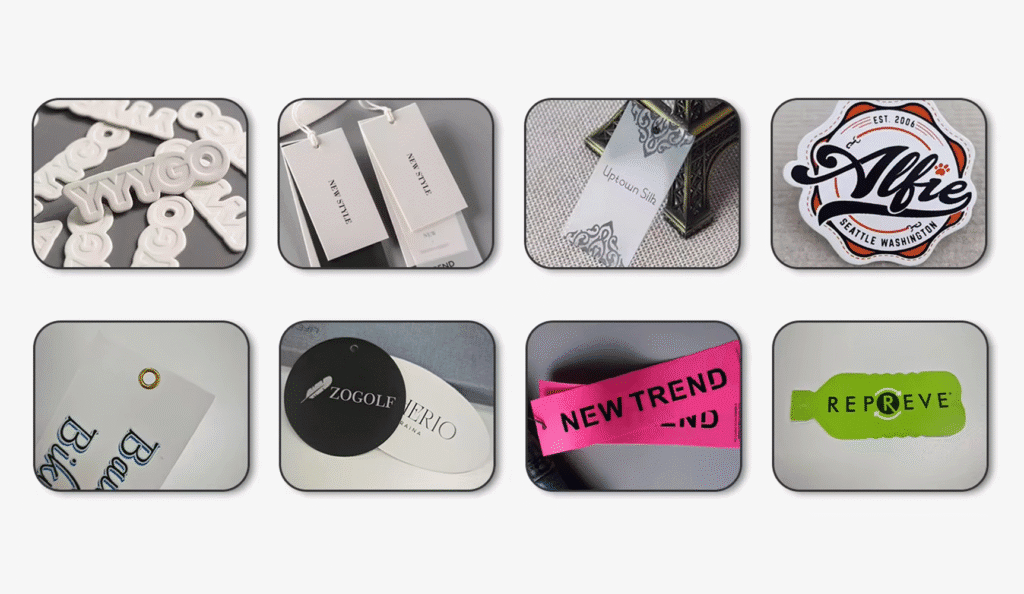
Branding details should be planned before bulk production, not at the last minute. Labels, tags, stickers, and packaging can all affect lead time.
Common branding options include:
- Woven labels
- Printed labels
- Heat transfer labels
- Logo prints
- Hangtags
- Care labels
- Size labels
- Hygiene stickers
- Polybags
- Custom packaging bags
For swimwear, hygiene stickers and care labels are especially important. If you are selling through e-commerce, boutiques, or wholesale channels, packaging consistency also matters.
Simple branding is usually enough for a first order. You can upgrade packaging later once your sales volume grows.
Confirm Your Timeline
Swimwear development takes time, especially if you are creating custom styles. Do not wait until the selling season is near before starting your order.
A typical first-order timeline may look like this:
- Design confirmation: 2–5 days
- Fabric and trim sourcing: 3–7 days
- Sample development: 7–15 days
- Sample revision: 5–10 days
- Bulk production: 25-35 days
- Shipping:Depends on method and destination
More complex projects may take longer. Custom prints, dyed fabrics, embroidery, beading, special hardware, or packaging development can add extra time.
If you want to launch before summer, start development several months earlier. This gives you enough time for sampling, revisions, production, shipping, and product photography.
Common Mistakes to Avoid
First swimwear orders often go wrong because the planning is too broad or the details are not confirmed early enough.
Common mistakes include:
- Launching too many styles at once
- Choosing too many colors
- Ignoring MOQ when planning the collection
- Not confirming size ratio
- Skipping sample revisions
- Approving samples without fit testing
- Leaving labels and packaging too late
- Not allowing enough time before peak season
- Focusing only on unit price instead of overall quality
Avoiding these mistakes can make your first order smoother and reduce the risk of delays or quality issues.
FAQ
How many pieces should I order for my first swimwear collection?
For a first swimwear collection, it is usually better to start small and focused. Many new brands begin with 3–6 styles and limited colors to test the market before expanding.
How long does it take to make a swimwear order?
A custom swimwear order often takes several weeks from design confirmation to finished production. Sampling may take 7–15 days, while bulk production usually takes around 25–35 days after sample approval.
Do I need a tech pack for my first swimwear order?
A tech pack is helpful, but it is not always required for the first discussion. Clear reference photos, sketches, fabric ideas, size range, and logo details can also help the manufacturer understand your design.
Conclusion
Planning your first swimwear order does not need to be complicated, but it does need to be clear.A well-planned first order helps you reduce risk, control budget, and launch products that feel more complete and professional.
If you are preparing to order swimwear for the first time, Joy Sportswear provides support to brands at every stage of the swimwear development process. Contact us to begin your swimwear journey.