
Purchasing decisions hinge on key milestones in the ODM swimwear OEM process. At Joysportwear, understanding each step can transform your approach to custom swimwear production. From eco-friendly fabric sourcing to final inspections, the journey is detailed and precise. A notable point is the Global Recycling Standard (GRS) certification: it verifies recycled material content and its traceability, vital for brands prioritizing sustainability. Structuring your swimwear production around such results in a product that meets not just design aspirations but also sustainability commitments. Each phase, from material choice to final packaging, impacts both quality and ecological footprint, providing you with a tangible edge in a competitive market.
1. Sourcing and Material Selection
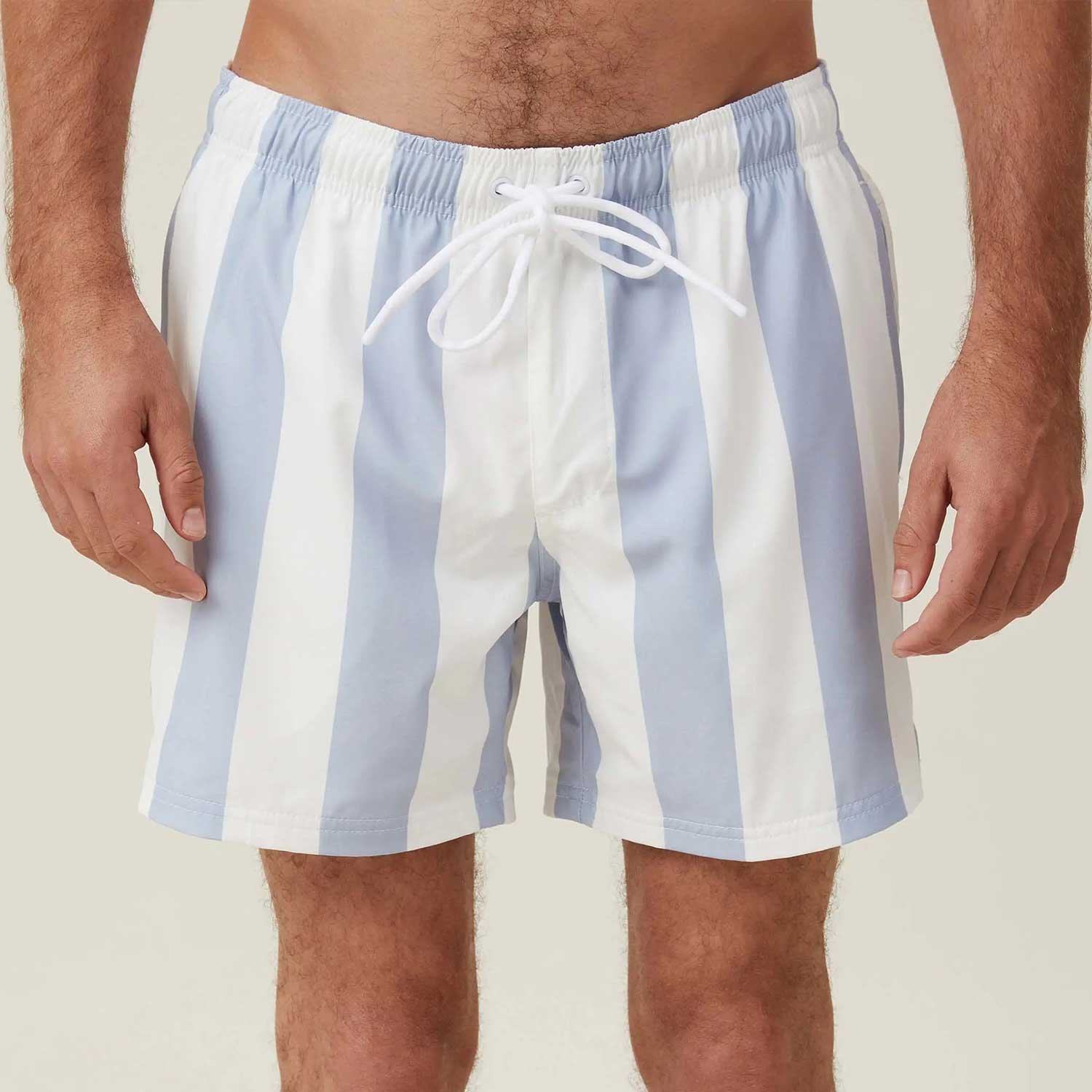
The foundation of a successful ODM swimwear project lies in the careful selection of materials. Choosing eco-friendly fabrics, like those certified by the Global Recycled Standard (GRS), is not only an ethical choice but also a competitive edge. These materials ensure that the swimwear aligns with increasing consumer demand for sustainable products, while also providing robust performance attributes.
Durability, stretch, and comfort are paramount when selecting fabrics for swimwear. The materials must withstand pool and sea conditions, conform to body movements, and provide comfort over extended periods. For instance, fabrics complying with ASTM D3994 ensure sufficient durability and stretch recovery. However, balancing these requirements while maintaining eco-friendliness can pose challenges, as sustainable materials might sometimes fall short in areas like stretch capacity.
Sourcing sustainable materials can be complex and costly. Finding suppliers who consistently deliver high-quality eco-friendly fabrics at a feasible price point takes significant effort. Many sustainable sources, like those providing GRS-certified materials, require additional verification to ensure compliance, contributing to higher costs. Buyers frequently face the challenge of balancing cost-efficiency with the desire to use top-tier sustainable materials.
Verification is crucial in the material selection process. Ensuring that the materials meet set standards, both ecological and performance-based, involves thorough testing and documentation. Checks must confirm that materials such as recycled polyester offer not just environmental benefits, but also meet the desired durability norms.
Quality assurance processes are part and parcel of fabric sourcing. These processes typically include assessing the tensile strength, chlorine resistance, and UV protection levels to comply with required standards. Through rigorous testing, including certified lab tests like those related to ASTM standards, swimwear brands can ascertain that the materials will withstand extensive use.
Balancing cost while ensuring quality requires strategic choices. Lower-cost alternatives might not offer the same durability or comfort as their higher-priced counterparts, especially when they also need to be eco-friendly. Manufacturers must weigh these factors carefully, often opting for a mid-range solution that aligns with both sustainability goals and budget constraints.
For further insights into this topic, you can explore eco-friendly fabric sourcing, a crucial element in developing sustainable swimwear lines.
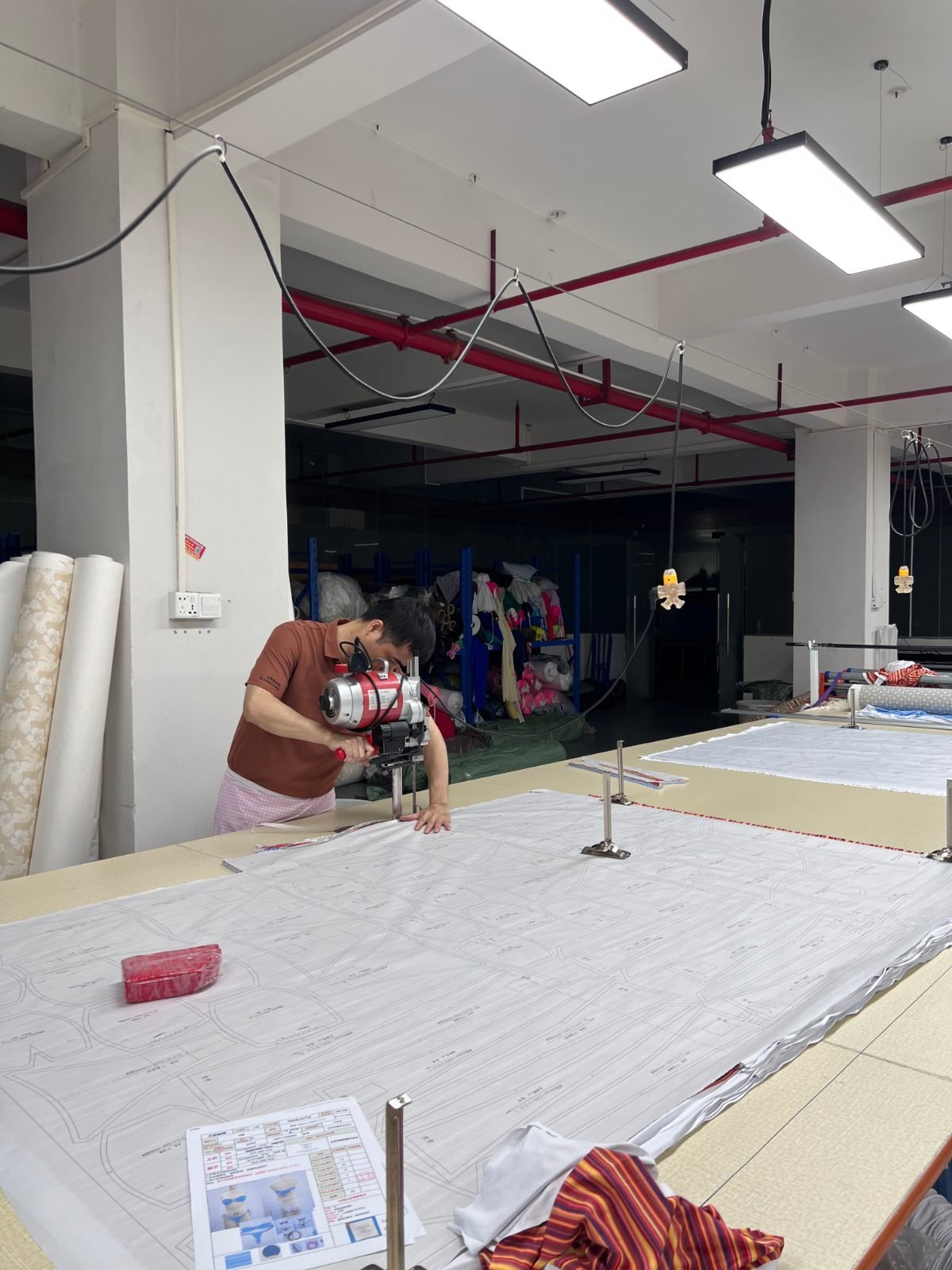
2. Developing Technical Specifications
In the development of swimwear technical specifications, establishing clear design and functionality criteria is crucial. This step involves setting parameters for dimensions, stretch properties, and trims, all essential for ensuring that the final product aligns with the buyer’s vision and market requirements. The technical specifications serve as the blueprint for the entire production process, detailing everything from the silhouette to the specific types of fabric and embellishments used.
A comprehensive technical pack is central to this stage. The pack includes detailed measurements of each design, specifying bust, waist, and hip sizes across different swimsuit styles like bikinis, one-piece swimsuits, and bandeau tops. Stretchability is another critical factor; the technical pack should describe the percentage and type of elastic material used, ensuring the final products meet the comfort and fit expectations of the consumer. Trims and underwire placement, like those found in underwire bikinis, are also outlined, focusing on both aesthetic appeal and functionality.
Missteps in developing technical specifications often lead to significant production errors. Incomplete or vague technical packs can result in swimsuits that do not meet size requirements or lack the necessary stretch and support, leading to a final product that could be rejected by distributors or cause a recall. Common pitfalls include lack of clarity in measurement conversions between metric and imperial units or negligence in stating the exact materials, leading to miscommunication and production delays.
The role of graded patterns cannot be overstated in ensuring design consistency and size accuracy. Graded patterns help in transitioning sizes seamlessly without compromising the design’s integrity. For instance, a triangle bikini should maintain its aesthetic characteristics across all sizes, from XS to XL, maintaining consistent proportions and shapes.
Compliance with ASTM D3994 is critical in the technical specification stage. This standard sets performance requirements for woven swimwear fabrics, including strength, durability, and stretch recovery. Ensuring compliance with these standards not only guarantees product quality but also enhances marketability by meeting recognized industrial benchmarks. Failures to adhere to such standards may result in products that degrade quickly in real-world conditions, especially under exposure to chlorinated water, thereby damaging brand reputation.
Overall, developing robust technical specifications is a vital part of the swimwear sourcing process, providing a clear framework for production while mitigating the risks of costly errors and ensuring that the swimwear meets both functional and aesthetic expectations.
3. Pattern Making and Sample Production
Converting designs into tangible swimwear prototypes is a pivotal step in the ODM swimwear OEM services process. This stage involves translating the technical specifications into physical pieces, which is where precision in pattern making plays a crucial role. Pattern accuracy is paramount to maintaining the integrity of the design across various sizes, ensuring that each piece fits as intended. For example, if a pattern deviates even slightly by a few millimeters, it can lead to a cascading series of fit issues—compromising the final product.
When considering pattern making, buyers should look for a supplier that creates templates based on the design's technical specifications. These templates should guide the cutting of fabric in the sample production process, which is the first physical realization of the design. Once a pattern is developed, it moves into the sample production phase, where a prototype is crafted. This initial piece allows both the manufacturer and the client to assess the design, fit, and function before proceeding to full-scale production.
During sampling, protocols are generally stringent to minimize production errors. Each sample should be evaluated for materials, assembly methods, and final fit. It is during sampling that potential issues like incorrect fabric tension or misaligned seams can be identified and corrected. This phase is critical in preventing costly errors in bulk production.
However, sample production is not without its pitfalls. Miscommunication between the manufacturer and the client can lead to discrepancies in the final sample. Aligning samples with buyer expectations is achieved through clear, ongoing feedback loops. Regular updates and iterative adjustments can significantly reduce misalignments. Utilizing initial samples to confirm design elements and making necessary tweaks helps ensure the output meets the brand’s standards and aligns with consumer expectations.
Sampling is also a period of learning and adaptation. Feedback from this phase contributes to a smoother transition into mass production, often resulting in improved methods and materials choices. Notably, understanding the nuances between ODM and OEM processes aids buyers in making informed decisions about the level of customization and control needed.
Sample Development Challenges
| Challenge | Common Issue | Solution | Impact on Final Product |
|---|---|---|---|
| Design Misalignment | Specs not accurately translated | Regular feedback cycles | Ensures consistency and accuracy |
| Material Incompatibility | Wrong fabric hand or tension | Early testing with swatch samples | Prevents bulk production mismatches |
| Fit Inaccuracies | Deviations in pattern grading | Detailed pattern checks and adjustments | Maintains design intent in all sizes |
| Seam Inconsistencies | Variation in seam placements | Consistent stitching techniques | Uniformity in assembly improves quality |
| Communication Breakdowns | Misinterpretation of buyer needs | Enhanced buyer-producer dialogue | Controlled project timeline and expectations |
4. Production Planning and Management
Scheduling production stages with efficiency starts with understanding the detailed requirements of the order size and minimum order quantities (MOQs). Each swimwear collection varies, and thus, assigning exact timelines for each production phase—ranging from fabric cutting to final inspections—is crucial. A well-synchronized production schedule ensures each step overlaps effectively where applicable, minimizing idle time.
Resource allocation plays a pivotal role in meeting deadlines. Depending on the swimwear type and styles—such as underwire bikinis or triangle bikinis—resources like fabrics, stitching equipment, and human labor must be optimally assigned. Larger orders might require additional shifts or workforce to ensure prompt completion without compromising quality, whereas smaller MOQs allow more flexibility. Understanding the intricacies of these requirements ensures equipment downtime is minimized, and labor resources are neither under- nor over-utilized.
Production delays can severely impact delivery timelines, affecting buyer satisfaction and brand reputation. Factors leading to delays could include defective raw materials, machinery malfunctions, or unexpected shortages in skilled labor. Buyers should consider suppliers who maintain buffer stocks of crucial materials and have on-call technicians to manage machine breakdowns immediately. Additionally, asking suppliers about how they handle demand fluctuations can ensure smoother operations.
Team coordination is vital to streamline production processes and avoid bottlenecks. This involves harmonizing activities between sourcing teams, production floor managers, and logistics coordinators. Open lines of communication and regular updates on production progress can be highly beneficial in minimizing missteps. Regular meetings to review progress achievements and adjust plans according to any situational changes in production expectations or challenges encountered can also help maintain alignment.

In an ever-competitive swimwear manufacturing environment, it is the blend of meticulous planning, advanced resource management, and strategic risk mitigation that ensures efficiency across the production spectrum. This level of coordination supports brands in maintaining their timelines and upholding quality assurance, ultimately fostering strong client trust and encouraging repeat business.
5. Manufacturing and Assembly
In swimwear manufacturing, the assembly line is where materials and design specifications truly come together to create a finished product. This stage is critical, as every component must align with the technical pack developed earlier.
Assembly Line Operations
The assembly line for swimwear involves a combination of machine precision and manual dexterity. Machines handle repetitive and high-precision tasks such as fabric cutting and seam finishing, crucial for maintaining uniformity across bulk orders. Automated machines ensure that all pieces conform to the precise dimensions and specifications laid out in the technical packs. However, manual skills are indispensable for intricate tasks like stitching decorative elements or attaching straps, where human nuance triumphs over automation.
Quality Control During Assembly
Maintaining quality throughout the assembly is paramount. For instance, to ensure optimal outcomes, it's advisable for buyers to specify checks to align output with the assembly specifications, focusing on elements like fabric shape and stitching integrity. Any defects at this juncture, such as misaligned seams or uneven stitches, can lead to product waste and must be rectified immediately.
Assembly Techniques for Different Styles
| Style | Technique | Key Machinery Used | Labor Involvement |
|---|---|---|---|
| Triangle Bikinis | Overlock Stitching | Overlock Machine | High |
| Bandeau Bikinis | Seamless Welding | Ultrasound Machine | Low |
| String Bikinis | Hand Stitching | Basic Sewing Machine | Very High |
| Underwire Bikinis | Mold Insertion | Die Cutting Machine | Medium |
| Tankinis | Panel Construction | Industrial Sewing Machine | Medium |
| Micro Bikinis | Precision Cutting | Laser Cutter | High |
Machinery Versus Manual Labor
The interplay between machinery and manual labor in swimwear assembly is crafted to maximize efficiency and quality. Machines deliver speed and consistency, particularly in tasks like overlocking and laser cutting, as seen in manufacturing Chlorine-Resistant Sporty Swimwear for Active Lifestyles. Conversely, manual labor is vital for elements that require a human touch to ensure the unique appeal of each piece, such as intricate stitching or custom fittings. The balance between the two forms of work ensures that each piece aligns with its design specifications while accommodating variations in style and size.
Handling Defects
Identifying and rectifying defects promptly at the assembly stage prevents costly recalls and ensures customer satisfaction. Regular audits and a feedback loop with the quality assurance team allow quick interventions. Defects like fabric puckering or improper seam alignment are flagged by workers and addressed on the spot, ensuring every unit meets the standards expected by clients and consumers alike. For optimizing quality, buyers should explore methods to integrate quality checks in real-time to enhance product reliability and reduce downtime.
6. Inspection and Quality Assurance
Inspection and quality assurance (QA) play a crucial role in ensuring that every swimwear piece meets high standards before shipping. Adherence to ASTM D3994 standards for woven swimwear fabrics is a key focus during this process, where strength, durability, and stretch recovery are thoroughly tested. The goals are to identify any deviations in product quality and to confirm compliance with both client specifications and regulatory standards.
In swimwear manufacturing, both manual and automated inspections complement each other to ensure comprehensive quality control. Automation typically includes digital inspection systems that can quickly check for consistent stitching patterns, fabric faults, and colour accuracy. High-speed cameras and sensors can detect minor discrepancies that the naked eye might miss, ensuring uniformity in mass-produced items.
However, manual checks are indispensable, as they allow more nuanced inspections involving tactile testing and subjective assessments of fabric stretching and comfort. Inspectors manually scrutinize each swimwear piece, looking for common defects such as skipped stitches, improper seam techniques, dye inconsistencies, and any sign of fabric fatigue — especially in areas prone to frequent stress like straps and waistbands. These defects, if present, can diminish the garment's compliance with ASTM D3994, affecting its durability and performance.
Ensuring effective QA also involves a robust system of documentation and traceability. Each swimwear batch is logged, from material sourcing through to final production, including results from each stage of inspection. This traceability allows for quick remediation of any issues and serves as documented evidence of quality for regulatory compliance and client reassurance. Every piece receives a final pass/fail rating, which determines whether it progresses to packaging and distribution.
The role of documentation cannot be overstated. It is essential for quickly tracing defects back to specific production processes or batches, addressing issues swiftly. Furthermore, it provides vital information to improve processes, enhancing future production runs and maintaining high-quality standards for custom swimwear manufacturing that discerning buyers expect.
7. Packaging and Distribution
In the realm of ODM swimwear OEM services, packaging is a critical blend of sustainability, protection, and marketing. With the rising demand for eco-friendly options, ensuring that packaging aligns with the overall sustainability of the product is vital. Buyers are encouraged to select packaging materials that not only provide adequate protection but also promote eco-friendly practices.
Eco-Friendly Packaging
Eco-consciousness in packaging requires the selection of materials that are not only recyclable but also biodegradable. Materials like Kraft paper, which is sourced from renewable resources, stand out for their low environmental impact and strong durability. Employing reusable bags and biodegradable labels can further minimize environmental footprints. Such approaches align with the expectations of contemporary consumers who are more inclined to support brands with a strong environmental ethos.

Packaging Materials and Their Impact
| Material Type | Durability | Eco-Friendliness | Cost | Application |
|---|---|---|---|---|
| Kraft Paper | Medium | High | Low | Wrapping, Box Fillers |
| Biodegradable Plastic | Medium-High | Medium | Medium | Shipping Bag Liners |
| Reusable Fabric Bags | High | High | High | Premium Swimwear Sets |
| Corrugated Cardboard | High | Medium | Low | Boxing for Transport |
| Recycled Paper Labels | Low-Medium | High | Low-High | Brand Labeling |
Protection and Marketing Role
One of the key functions of packaging is to safeguard the swimwear during transit. It must effectively protect against moisture, dust, and mechanical impacts. Poorly designed packaging can lead to damage, affecting the product's integrity and customer satisfaction. Beyond protection, packaging serves as a silent yet powerful marketing tool; it is often the first physical point of contact between the brand and the customer. Thoughtful designs can elevate brand presence and entice consumers, all while maintaining the product’s integrity.
Distribution Logistics
Ensuring Timely Delivery
Efficiency in distribution logistics is fundamental to meet client demands globally. Detailed coordination and communication with logistics partners ensure that timelines are adhered to, adjusting routes and schedules as needed to prevent delays. Automating some of these processes can further enhance effectiveness, minimizing human error.
Overcoming Packaging Challenges
Challenges in packaging often arise in balancing the aesthetic appeal with functional efficiency. Packaging must be lightweight to reduce shipping costs yet robust enough to withstand handling during transit. Innovations in packaging design aim for a balance between these factors while projecting the brand's visual identity. Additionally, maintaining a low cost through efficient material use without compromising on appearance or protective capabilities is an ongoing challenge.
In summary, the packaging and distribution stage is more than just an afterthought; it is a multi-faceted process that requires careful consideration of environmental impact, product protection, and logistical efficiency to deliver on time and uphold the brand's reputation.
Questions to Consider for Your Swimwear Project
What specific needs and constraints does your swimwear project face? Consider whether your chosen supplier can reflect these values effectively. Strong, open communication throughout the development phase is crucial. Are you ensuring continual feedback loops during production? Lastly, is your approach designed to support long-term goals and prepare for repeat orders? Considering these questions can help ensure that your swimwear project meets both immediate and future objectives.
FAQ: Exploring the ODM Swimwear OEM Process
What certifications should swimwear materials have?
For sustainable swimwear production, look for certifications like GRS (Global Recycle Standard) and OEKO-TEX, ensuring the fabrics are environmentally friendly and safe for use. These certifications help verify the fabric's origin, environmental impact, and safety standards.
How can production delays be minimized?
Minimize production delays by efficient scheduling and resource allocation, clear communication with suppliers and manufacturers, and regular progress checks. Having contingency plans for addressing unexpected issues can also reduce impact.