
The belief that low minimum order quantities (MOQs) in swimwear manufacturing always result in cost savings and production flexibility is widespread but not entirely accurate. While low MOQs can indeed allow new brands to enter the market more easily, this flexibility often comes with compromises on fabric options and manufacturing complexity. Additionally, production efficiencies may decrease with smaller batches, potentially impacting cost per unit. To make informed decisions, it's crucial to understand that while low MOQs can be beneficial, they are not a one-size-fits-all solution. Brands must weigh the perceived benefits against practical limitations, such as increased per-unit costs and limited customizations. As the swimwear market evolves, understanding these trade-offs helps in setting realistic expectations and avoiding common pitfalls in production.
Where the Low MOQ Belief Originates
The belief that low Minimum Order Quantities (MOQs) are a norm in the swimwear industry primarily finds its roots in the rapid evolution of fast fashion and the ever-growing number of small fashion startups. As emerging brands attempt to penetrate the market, low MOQs appear as an attractive entry point, allowing them to avoid large financial commitments when testing new designs. This trend has become particularly prevalent as the global marketplace has warmed to small batch production, providing more room for experimentation without hefty initial investments.
Influences from Fast Fashion and Startups
Fast fashion brands have set a precedent where quick turnaround times and rapid design cycles reign supreme. This model supports the need for smaller production runs, primarily as fashion trends evolve at lightning speed. Small startups and niche swimwear companies have adopted similar practices, aiming to remain agile by producing less. This approach also enables them to tailor their offerings quickly in response to consumer feedback, giving the impression that low MOQs are standard across all levels of swimwear manufacturing.
Marketing and Accessible Entry Points
Marketing plays a significant role in promoting the perception that anyone can start a swimwear line with minimal upfront costs. As manufacturers strive to capture new business, they often highlight low MOQs as a key selling point. This approach is designed to attract budding designers and entrepreneurs who wish to enter the market without substantial financial risks, reinforcing the notion that low MOQs are readily accessible and practical for new brands.
Economic Shifts and Testing Markets
Economic shifts have also contributed to the presumption of wide availability of low MOQs in the industry. The emergence of flexible production technologies and more efficient supply chains has reduced some of the barriers traditionally associated with small-scale manufacturing. Brands can test markets with limited quantities before committing to larger orders. This testing capability supports the growth of smaller, agile brands, further embedding the belief in low MOQs as a viable strategy.
Role of Social Media and Small Batch Releases
Social media exerts a significant influence by enabling swimwear brands to gauge consumer interest quickly. Platforms like Instagram and TikTok not only provide vast exposure but also offer direct consumer engagement. Brands can release limited edition swimwear collections, fueling demand and urgency, while testing the waters for future larger-scale production runs. These small, curated batches create a buzz that often translates into a perception that low MOQs are the industry standard—an image that manufacturers are keen to project.
In essence, while the notion of easy access to low MOQs in swimwear manufacturing persists, it is underpinned by the dynamics of industry transformation propelled by fast fashion trends, marketing strategies, and economic shifts. Understanding these influences can help navigate the complexities behind the Understanding Low MOQ Swimwear Manufacturing journey.
Belief: Low MOQs Mean Lower Costs
It's a common perception that with a lower minimum order quantity (MOQ), costs automatically decrease. Many assume that by ordering fewer items, they can save on expenses, making low MOQ options appear financially attractive, especially for startups and small brands. However, the reality in swimwear manufacturing is more nuanced, often leading to unexpected cost increases per piece, contradicting this belief.
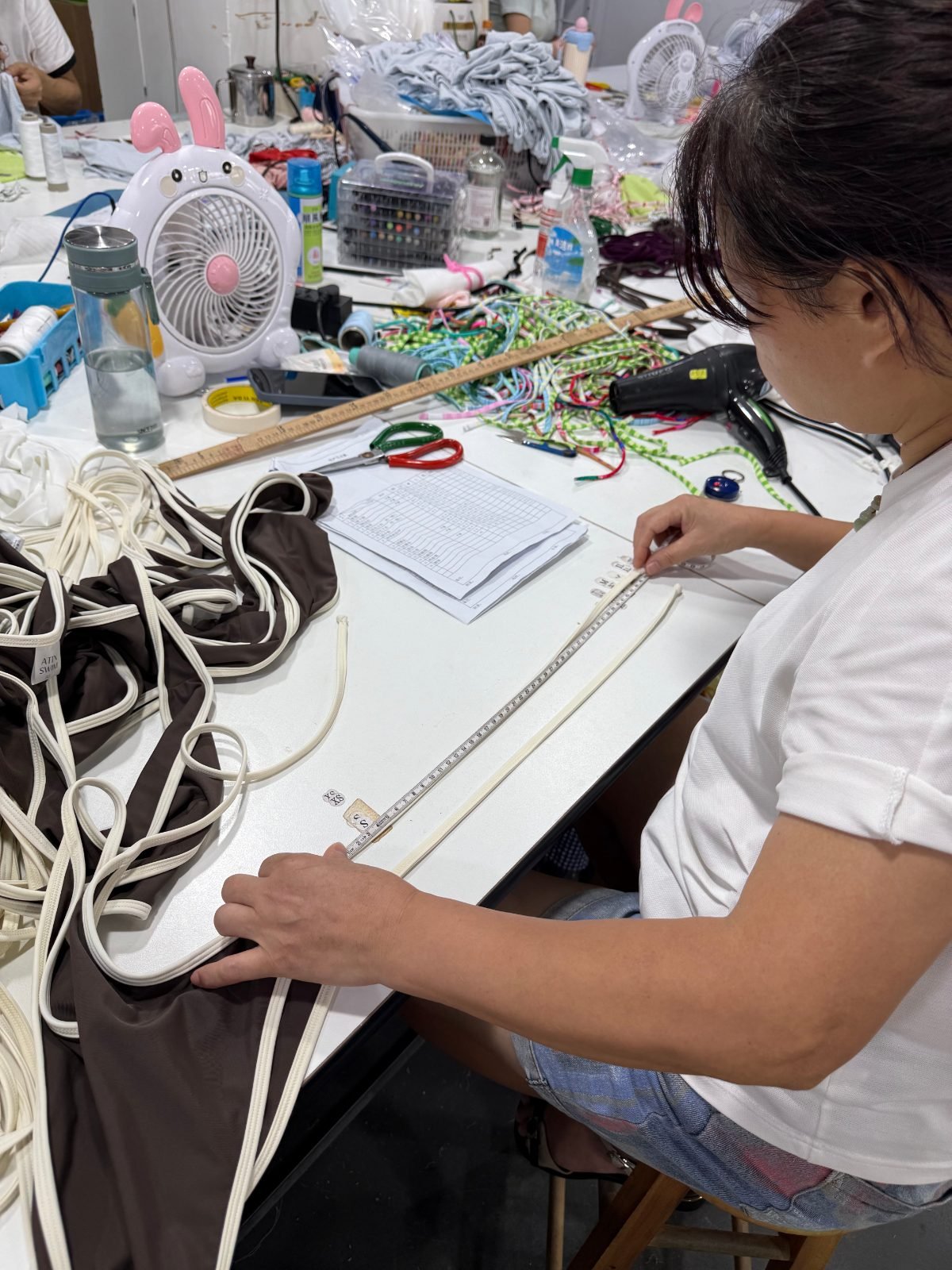
Low MOQ orders may initially seem cost-effective, but they typically result in higher per-unit costs for several reasons. Firstly, manufacturers lack the economies of scale that come with larger orders. Producing fewer units means the fixed costs of production, such as set-up fees, equipment calibration, and labor, are spread over a smaller number of items. This directly increases the per-unit price, making each swimsuit more expensive than it would be in a bulk production scenario.
In addition to direct costs, low MOQs limit a manufacturer's negotiation power with fabric suppliers. Many textile producers have their own minimums for fabric orders, often expecting purchases in thousands of meters. When a swimwear order does not meet these minimums, manufacturers face either a surcharge on the fabric or must pay an intermediary to source smaller quantities. This lack of leverage can lead to suppressed fabric choices and potentially higher fabric costs, which are then passed on to the buyer.
Beyond the manufacturing costs, hidden expenses can further reduce the financial feasibility of low MOQs. Design and development fees might not be proportionally less for small orders. Comprehensive sampling and production runs still require considerable investment in design, pattern making, and prototyping upfront, irrespective of order size. These fixed development costs increase the financial burden per unit when spread across a lower quantity.
The influence of additional fees and hidden costs makes the idea of saving money with low MOQs largely a myth in swimwear manufacturing. Small brands can end up paying more per piece and also having less flexibility in terms of fabric sourcing and negotiation. Therefore, it's crucial for brands to weigh the benefits of lower initial quantities against the potential financial implications, especially if scaling the production at a later point is on the horizon.
Ultimately, while lower MOQs may present an alluring opportunity to dip a toe in the market with less immediate financial commitment, manufacturers and brands should prepare for the associated increase in per-unit costs, the restricted access to materials, and higher individual fees that can emerge. Such awareness allows for more strategic planning and smarter financial decisions in developing a competitive swimwear line.
Fact: Production Complexity Affects Low MOQ Viability
When dealing with low minimum order quantities (MOQs) in swimwear manufacturing, it's not just about the quantity of items ordered but intricately tied to the complexity of the designs involved. Intricate designs often inflate costs even when MOQs are low. For instance, a bikini with detailed embroidery or multi-layered constructions increases labor time and requires specialized skills to ensure each piece meets the exact standards set forth by the brand. This heightened requirement for precision can negate the cost savings assumed with lower MOQs.
Maintaining quality standards is another hurdle in small batch production. With limited units, the chances of inconsistencies can rise since there's less room for error correction typically available in larger productions. Each piece must be scrutinized to ensure it meets the designated quality demands, which involves more intensive quality control processes and potentially higher reject rates.
Moreover, specialized materials present their challenges in sustaining low MOQ ventures. Materials like recycled polyesters or certain performance-enhancing fabrics require stable production conditions. If the fabric qualities are inconsistent due to smaller runs, achieving the desired swimwear durability and performance can become more difficult, impacting brand reputation.
On the flip side, opting for simplified designs can support the viability of low MOQs. By minimizing detail-intensive elements and using standard materials, brands can lower labor costs and reduce variability in quality across units. Simplified designs offer a strategic advantage, particularly for startups and smaller brands aiming to quickly establish a market presence without over-investing in complex processes that could hinder scalability.
Low MOQ Viability vs Complexity
| Design Complexity | MOQ Feasibility | Cost Impact | Quality Maintenance |
|---|---|---|---|
| Simple (e.g., single color) | High | Lower | Easier to control |
| Moderate (e.g., color blocking) | Medium | Moderate | Requires careful monitoring |
| Intricate (e.g., embroidery) | Low | High | Intensive quality checks |
| Complex (e.g., multi-layer) | Very Low | Very High | High risk of inconsistencies |
| Specialized (e.g., custom prints) | Varies | Variable, often high | Needs specialized inspection |
By considering design simplicity and careful material choice, brands leveraging low MOQs can better manage costs and maintain quality, aligning their production strategies with business goals effectively.
Belief: Low MOQs Offer Greater Flexibility
The concept of low Minimum Order Quantities (MOQs) often suggests an extended ability to tweak designs and features. However, true flexibility is significantly more complex. While it might seem that smaller batch sizes inherently allow frequent changes, constraints involving raw materials challenge this notion. Joysportwear understands these dynamics firsthand through their experience in custom swimwear manufacturing.
A common misconception is the perceived ease of design modifications with low MOQs. Smaller orders seem ideal for iterative design processes, making them enticing for startups looking to refine their product lines. However, altering a design or feature within a small batch can lead to increased complexity. Changes may require new samples, pattern adjustments, and recalibration of production setups—all of which incur time and expense.
Raw material availability poses another hurdle to flexibility in low MOQ scenarios. Many suppliers impose minimum quantities on materials like fabric, which are not necessarily aligned with the smaller batch order needs. Procuring specialized materials for a small order often implies either purchasing more than needed or selecting from a limited range of off-the-shelf options. Consequently, this affects the scope of customization available.

Furthermore, there's often a trade-off between flexibility and quality assurance. Each change or customization introduces potential variability, complicating the quality control processes. For a manufacturer like Joysportwear—which ensures quality as a central component of their offerings—balancing change with stringent quality checks can be resource-intensive, affecting both lead times and costs.
For businesses looking to work with low MOQs, understanding these constraints is critical. Flexibility is limited not only by material constraints but also by the need to maintain consistent quality standards.
Ultimately, while low MOQs can facilitate design exploration, they require realistic expectations about customization possibilities. Effective supplier communication and strategic material choices can help mitigate the challenges, but businesses must weigh flexibility against the essential need for high standards in production.
Fact: MOQ Influences Fabric and Material Options
The concept of Minimum Order Quantity (MOQ) plays a pivotal role in determining fabric and material options for swimwear manufacturing. Low MOQs often limit access to premium or niche fabrics due to the smaller scale of production. Suppliers are typically reluctant to allocate their inventory of high-demand materials for small orders unless a higher price is agreed upon. This economic reality means startup brands or small orders may miss out on exclusive materials typically associated with larger batch production.
Moreover, MOQ can dictate fabric color and pattern availability. Suppliers manage their stock to ensure efficiency in production runs, and thus prioritize large orders when offering wider color palettes and intricate patterns. Manufacturers may offer a limited color selection or standardized patterns when dealing with low MOQs to minimize setup costs. Brands must strategically decide whether to make do with basic options or negotiate a premium for custom colors and designs.
MOQ Influence on Fabric Selection
| MOQ Level | Fabric Availability | Color Options | Sustainability Impact |
|---|---|---|---|
| 30-50 pcs | Limited, standard | Basic colors only | Less access to upcycled fabrics |
| 50-100 pcs | Moderate, some niche | Limited custom hues | Potential for recycled blends |
| 100-300 pcs | Wider, including common niche | Standard and some custom shades | Greater choice of sustainable options |
| 300+ pcs | Extensive, premium | Full custom palette | Access to a range of eco-friendly materials |
MOQ also affects the availability of sustainable material options. Sustainable materials often have higher initial costs, impacting their availability in smaller MOQs. This means eco-conscious brands operating with low MOQs often face hurdles in sourcing such materials at competitive prices. To optimize material choices under these constraints, brands might look towards forming strategic partnerships with suppliers who specialize in sustainable fabrics, offering flexibility in sourcing batches.
Navigating these complexities requires brands to assess their priorities between fabric quality, customization, and sustainability goals. This evaluation helps them to maintain a balance that aligns with both their brand values and market expectations.

Belief: It's Easy to Find Suppliers for Low MOQs
The idea that it's straightforward to find suppliers who offer low minimum order quantities (MOQs) might seem plausible at first glance. However, the reality is that the demand for such suppliers often outpaces the supply. As smaller brands and startups lean into the fast-fashion model, there's a continuous hunt for flexible manufacturers, leading to competitive pressures. Unfortunately, this increased demand does not always align with the capabilities or willingness of suppliers who can effectively meet these requirements.
Verifying a supplier’s reliability becomes central to overcoming the challenge of low MOQ sourcing. It's essential to ensure that a manufacturer isn't just a name on paper but possesses the capability to deliver on promises. Conducting comprehensive due diligence is a must. This includes site visits, compliance checks, and understanding the supplier's quality control processes.
While low MOQs promise flexibility, they can sometimes result in compromised quality if clients fail to verify suppliers adequately. This potential for lower quality arises from a supplier’s need to cut corners to maintain profitability at smaller scales. Unverified suppliers may also lack the necessary equipment or expertise to maintain consistency across batches, leading to a final product that deviates substantially from initial expectations.
Building a strong relationship with suppliers is paramount. Not all suppliers are immediately willing to commit to low MOQs, given the economics of scale that tend to favor larger orders. A well-established relationship based on trust and proven mutual benefits can facilitate smoother negotiations and better access to such options. Through open communication and shared objectives, buyers and suppliers can align their goals, turning small orders into opportunities for future growth for both parties.
Thus, sourcing low MOQs in swimwear manufacturing calls for strategic alignment and robust verification procedures rather than merely scouting for the lowest possible threshold, ensuring that supply matches the high demands of today's competitive market.
Verifying Supplier Capabilities Beyond Low MOQ Claims
When sourcing swimwear, especially with the lure of low minimum order quantities (MOQs), it's essential to dig deeper than surface-level claims. A supplier may boast about their ability to produce small batch orders, but are they genuinely capable of delivering quality consistently? Assessing supplier capabilities demands a multi-faceted approach that extends beyond just promises.
Firstly, reliability is paramount. Start by investigating a supplier's track record. Reliable suppliers often have a long-standing history in the industry, supported by a portfolio of satisfied clients. Seek evidence such as client testimonials, case studies, and any third-party reviews online. Another critical aspect is their quality assurance processes. Check if the supplier involves standardized management systems like ISO certifications, which can indicate their commitment to structured management and processes. For textiles, certifications such as OEKO-TEX signify adherence to certain environmental and safety standards and are particularly valuable in swimwear production.
References are another practical assessment tool. Directly contact past and current clients if possible. Inquire about their experiences regarding timeliness, defect rates, and customer service. This can provide insights into how the supplier handles unexpected challenges and maintains quality under different circumstances.
Standards and compliance play a crucial role in verifying a supplier’s capabilities. Beyond claiming to meet industry standards, reputable suppliers will often provide documentation to prove compliance. Look for adherence to specific standards such as ASTM D3775 for fabric thread count or ISO standards for wash-induced dimensional stability and pilling resistance, to assure product quality consistency.
When discussing lead times, clear communication is critical. Understand that while low MOQs can potentially speed up production, lead times are heavily influenced by the complexity of the order and the supplier's current schedule. Confirm their capacity to fulfill orders within your timeline, and ensure there's a clear understanding that lead times are project-specific, often varying based on quantifiable factors.
Finally, a supplier's ability to maintain order fulfillment capacities is vital. Assess if they can scale production as your business grows without compromising quality. This includes asking about their sampling process and whether bulk production follows a similar quality protocol.
Through these approaches, you can ascertain a supplier's true capabilities beyond their low MOQ claims, ensuring your brand's standards for quality and reliability are met with every order.
Conclusion: Making Informed Choices on Low MOQs
Balancing the allure of low MOQs with practical realities requires strategic planning and clear-eyed expectations. Embracing low MOQs offers entry advantages but demands careful consideration of long-term goals to ensure sustainable growth. Conducting due diligence is crucial, assessing not only costs but also supplier reliability and capability. Establishing strategic partnerships can mitigate difficulties by aligning production needs with MOQs that support quality and scalability. By maintaining realistic perspectives, businesses can leverage low MOQs effectively within the broader context of their market strategies.
FAQ: Low MOQ Swimwear Manufacturing Myths and Facts
How do low MOQs impact swimwear production costs?
Low MOQs often lead to higher per-unit costs despite smaller batches. This is because production efficiencies decrease in low-quantity manufacturing, and costs like design and setup do not drop with smaller orders.
Can all suppliers handle low MOQ swimwear manufacturing?
Not all suppliers can manage low MOQs effectively. Verifying a supplier's capabilities through standards and references helps ensure reliable service.