
The key figure to consider in custom swimwear manufacturing is the fabric weight, typically ranging from 180 to 220 g/m² for most styles. This specification is crucial because it impacts the fit, feel, and durability of the finished product—all of which must meet both brand expectations and industry standards like ASTM D3994-14. In swimwear manufacturing, attention to fabric selection and shipping phases is crucial for ensuring quality. Knowing what to expect at each step can help brands communicate better with manufacturers like Joysportwear, avoid common pitfalls, and ensure that every bikini or one-piece aligns precisely with brand specifications.
1. Raw Material Preparation
When it comes to custom swimwear manufacturing, raw material preparation is crucial. The starting point is the intelligent selection of eco-friendly fabrics that not only align with environmental responsibilities but also define the quality of the swimwear. These fabrics often come with certifications like OEKO-TEX, which ensures that materials meet stringent standards for harmful substances, offering a level of safety and quality assurance essential for fashion brands aiming for greener footprints.
Bikini and swimsuit fabrics typically have a weight standard ranging from 180 to 220 grams per square meter (g/m²). This range ensures the fabric maintains the necessary structural integrity and stretch while being comfortable and durable for active use in water. Lighter fabrics near 180 g/m² are often favored for their flexibility in pieces like string bikinis, whereas heavier materials close to 220 g/m² offer additional support in structured swimsuits such as underwire bikinis.
Sustainable fabric choices are increasingly influencing the swimwear industry. Recycled fibers, such as those made from discarded fishing nets or plastics, provide eco-friendly alternatives without compromising on quality. These materials are often manufactured with an emphasis on durability and resilience, which is crucial given the harsh conditions swimwear is subjected to, like saltwater and chlorine exposure.
Without proper raw material preparation, the entire production process could falter. Quality materials lay the foundation that allows the manufacturing steps to follow suit without compromise on durability or performance. Sourcing the right materials not only fulfills immediate product requirements but also supports brand positioning as eco-conscious.
For a deeper dive into sustainable material options in swimwear manufacturing, consider exploring our guide on Understanding Sustainable Fabric Choices in Swimwear Manufacturing.
Material Specification and Certifications
| Material Type | Typical GSM Range | Certification Standards | Primary Use | Durability Features |
|---|---|---|---|---|
| Nylon-Spandex | 180-220 g/m² | OEKO-TEX | Bikinis, one-piece swimsuits | Elasticity, chlorine resistance |
| Recycled Polyester | 190-220 g/m² | GRS, OEKO-TEX | Sporty swimwear | UV protection, eco-friendly |
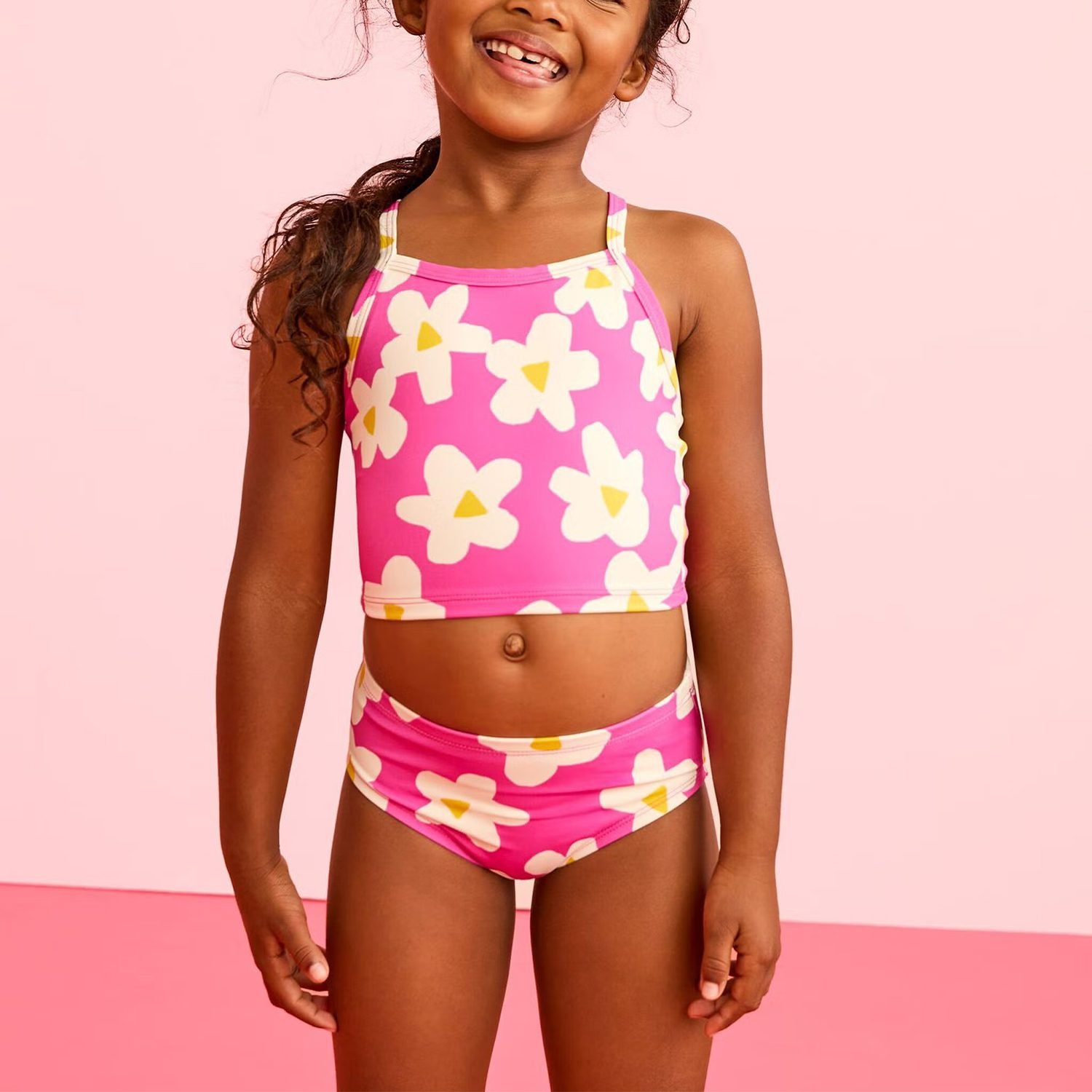
| ECONYL® | 190-240 g/m² | GRS | Kids' swimwear, tankinis | High elasticity, durability |
| Polyester-PBT | 140-170 g/m² | OEKO-TEX | Men's swimwear, briefs | Chlorine resistance, quick-dry |
| Recycled Nylon | 180-220 g/m² | OEKO-TEX, GRS | High-waisted bikinis | High stretch, sustainable option |
The careful selection and preparation of raw materials set a standard that resonates through the entire manufacturing process, influencing the final product's functionality and appeal.
2. Cutting and Pattern Making
Precision is the cornerstone of the pattern-making process in custom swimwear manufacturing. Each swimwear piece begins life as a pattern, which dictates the final product's fit and appearance. Standard cutting techniques are essential to ensure material is utilized effectively, significantly reducing waste—a key consideration when working with high-cost, eco-friendly materials.
The process starts with creating a pattern from design specifications. Custom patterns provide the blueprint for unique designs, ensuring that the final swimwear aligns perfectly with a brand’s vision. In the industry, using computer-aided design (CAD) software can enable precise control over dimensions, which is crucial when accounting for fabric characteristics like stretch and weight.
Fabric stretch and weight are critical variables, influencing both the pattern and cutting stages. For instance, swimwear typically uses blended fabrics combining nylon or polyester with elastane, known for their elasticity. This elasticity affects how patterns are adjusted; even minor deviations can lead to unsatisfactory fit and increased returns for adjustments. Therefore, accurate grading is employed to size patterns across different dimensions while accounting for these material behaviors.
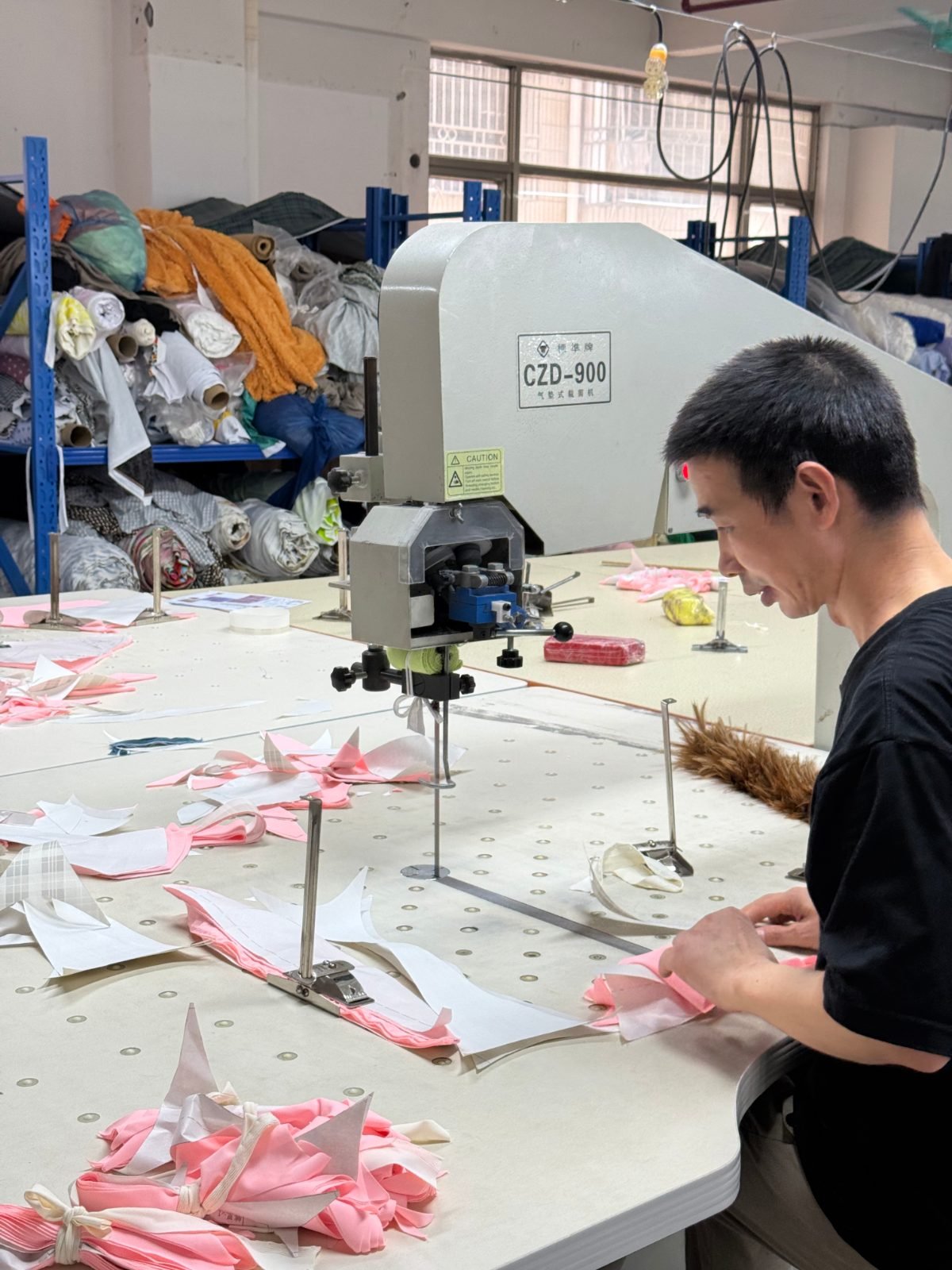
The role of cutting tools and machines cannot be understated. It is common to find automated cutting machines in the industry to ensure clean cuts with minimal fabric distortion. This machinery can help maintain the accuracy needed to uphold brand standards in collections. Traditional cutting methods, involving manual tools, are rarely used in high-volume production due to their inconsistency and inefficiency.
In addition to efficiency, the choice of cutting equipment can substantially impact production timelines. Automated systems streamline workflow by integrating pattern making and cutting, reducing turnaround times while boosting output consistency.
Ultimately, cutting and pattern making form the backbone of successful swimwear production. By understanding the importance of precision and technology, brands can ensure their designs are executed accurately, aiding in the delivery of distinctive products that meet market and environmental expectations.
3. Printing and Decoration
Printing and decoration in custom swimwear manufacturing pivot on both aesthetic and functional aspects, where several techniques play key roles. Dye Sublimation is a dominant method due to its vibrant color rendition and longevity. This technique involves transferring dye onto fabric using high heat, ensuring the inks become part of the textile's fibers, which effectively boosts print durability. What makes it stand out is its compatibility with diverse fabric types, particularly polyester blends commonly used in swimwear.
Digital Printing offers extensive opportunities for design customization. With no need for color separation, it enables intricate designs with multi-tonal gradients directly printed from digital files, thereby broadening creative possibilities. This flexibility caters to custom orders where brands can personalize their collections without the constraints of minimum order quantities associated with traditional methods.

Eco-friendly options are an industry-wide trend. Inks like water-based inks reduce environmental impact through the omission of harsh chemicals, offering a more sustainable alternative without compromising on color intensity or durability. This approach is crucial for swimwear exposed to water and sun.
Eco-Conscious Approach in Decoration
Incorporating eco-friendly decorations can support environmental sustainability and align with green initiatives in the industry. Selecting decorations such as recycled embellishments or low-impact treatments ensures a reduced carbon footprint and meets consumers’ growing demand for responsible production practices. Alternatives like plant-based or biodegradable trims can enhance a piece's green credentials.
Printing Techniques and Benefits
| Technique | Material Compatibility | Environmental Impact | Design Complexity | Durability |
|---|---|---|---|---|
| Dye Sublimation | Polyester, blends | Moderate | High | Excellent |
| Digital Printing | Various fabric types | Low | Very High | Good |
| Eco-friendly Inks | Cotton, synthetics | Low | Moderate to High | Good to Excellent |
| Screen Printing | Cotton, polyester, blends | Higher waste | Moderate | Very Good |
| Heat Transfer | Primarily synthetic | Moderate to High | Limited by transfer sheet | Good |
Each of these printing methods offers distinct advantages, contributing not only to visual appeal but also to functional durability crucial for swimwear. The adaptation of digital and eco-friendly printing techniques reflects a movement towards more sustainable manufacturing practices, valued by environmentally conscious brands.
4. Sewing and Assembly
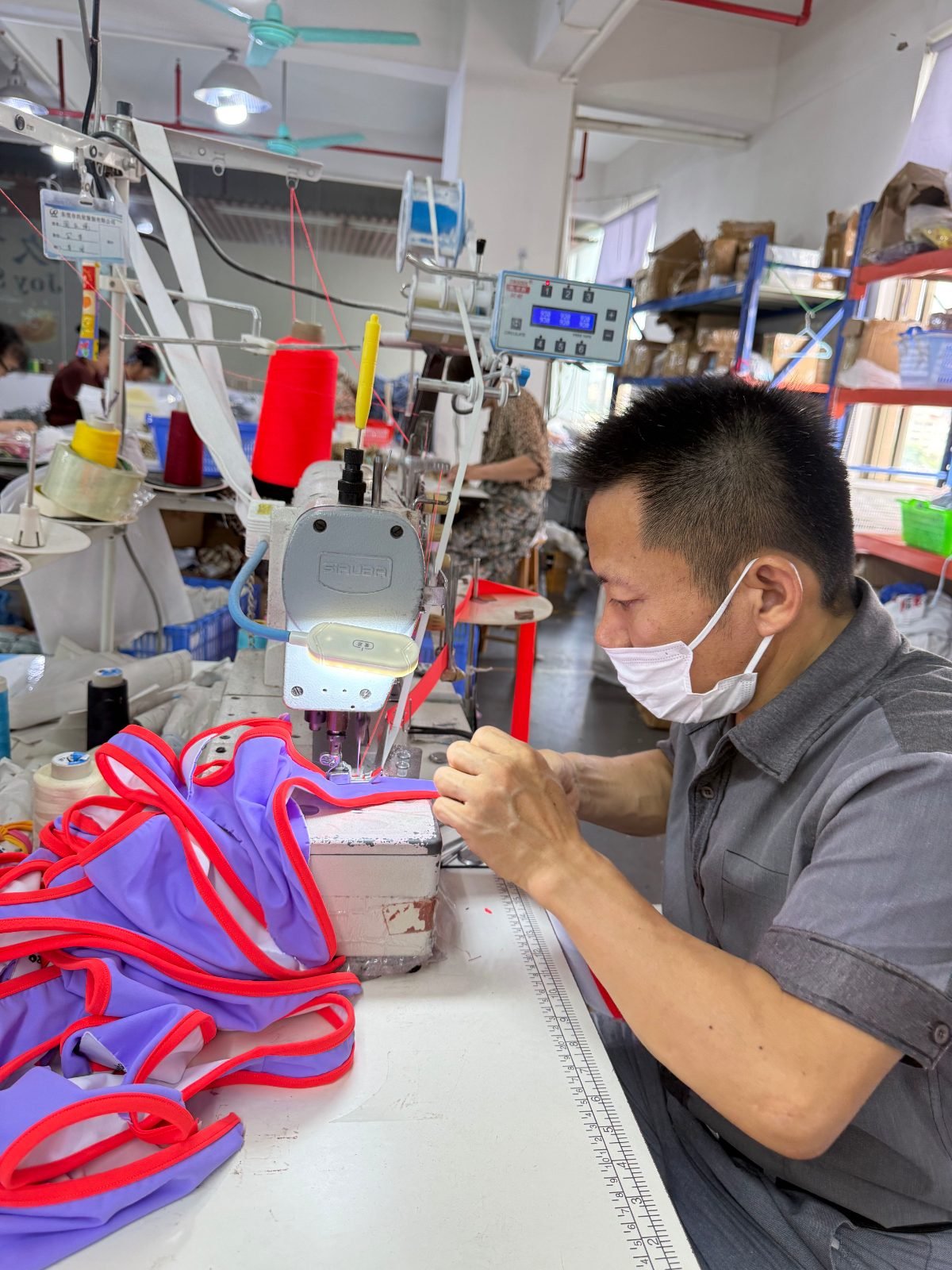
Assembling swimwear involves precise techniques, with each stitch playing a pivotal role in garment longevity. Commonly used stitches include the zig-zag stitch, known for its flexibility and ability to stretch with the fabric, and the coverstitch, useful for hem edges where a low-profile finish is optimal. These stitches provide the essential elasticity required for swimwear that must endure frequent movement and water exposure. This ensures that the seams remain intact, even under stress.
The importance of quality stitching cannot be overstated. A poorly sewn seam can lead to wear and tear, especially where the garment experiences the most friction, like around the armholes or leg openings. To maintain the integrity of the seams, skilled labor is crucial. Experienced seamstresses bring their expertise to bear, ensuring consistent tension in the machine threads and flawless stitch lines, thus underpinning the overall durability and aesthetic appeal of the swimwear.
Automation in sewing is a double-edged sword. Machines can provide uniformity and speed, essential for large-scale production, but they lack the adaptability that human hands offer when dealing with intricate designs or custom orders. Manual sewing allows for attention to detail, imperative for high-end or bespoke swimwear, where minor adjustments can make a significant difference in fit and comfort.
While automated sewing systems excel in producing high volumes, thus reducing labor costs, manual sewing remains indispensable, particularly in custom swimwear where required adjustments or finishing touches are often unique to each piece. Balancing manual labor with automation ensures a harmonized workflow that aligns with both budget and quality expectations.
For further insights on how swimwear designs influence these processes, consider exploring the Inside Custom Swimwear Design Process at Joysportwear.
Ultimately, the choice between manual labor and automation should reflect each brand's production goals, whether that be customization precision or high-output efficiency.
5. Quality Control and Inspection
Quality control and inspection are critical in ensuring that custom swimwear meets the desired safety and performance standards. This stage involves rigorous testing for defects in both fabric and stitching, aligning with ASTM standards that guide swimwear testing. For instance, ASTM D1230 covers textile flammability safety standards, which swimwear must meet if designed for specific regions with flammability regulations. Quality control processes typically include fabric tensile strength tests and checks for seam integrity, using stretch tests per ASTM D6797 to evaluate the fabric’s elasticity and recovery.
Key Inspection Processes
A significant focus lies on the fabric integrity and stitch quality. Inspections aim to identify issues such as frayed seams, snagged fabrics, or uneven stitching, which most often result from poor handling during previous production stages. Detailing each area allows inspectors to evaluate specific concerns, such as color consistency verified under ASTM D1729 standard lighting conditions to ensure accurate colorfastness results. Inspections are systematic, with steps for both visual and tactile assessments, confirming that no unintended transparency or marks are present on the final products.
Final Approval Checks
Before any swimwear is packaged for delivery, it undergoes a final approval check. This stage confirms the product meets the specified labeling requirements, usually including specific mandates for material content and care instructions. Verifying consistency in tag placement, font size, and material information are paramount to align with international retail standards. Consumer safety guidelines also necessitate that these labels are permanently affixed.
The inspection stage not only identifies potential flaws but also determines corrective actions. For instance, if a dye batch is off-hue, the piece may require re-dyeing or replacement. Systematic corrections help ensure that each product meets predefined quality benchmarks before packaging.
Inspection Checklist
| Check Area | Standard/Method | Acceptable Tolerance | Frequent Issues | Resolution Protocol |
|---|---|---|---|---|
| Fabric Strength | ASTM D6797 | <5% elongation | Weak seam strength | Replace or re-stitch |
| Seam Quality | Visual Inspection | No visible fraying | Frayed seams | Reseal seams |
| Print Fidelity | ASTM D1729 | Even color matching | Incorrect color depth | Re-dye or reprint |
| Label Adherence | Industry Standard | Correct placement | Misaligned labels | Re-label correctly |
| Flammability | ASTM D1230 | Class 1 compliance | Non-compliance to class | Adjust or replace fabric |
Effective quality control not only upholds the credibility of custom swimwear but reinforces brand trust. Maintaining stringent inspections processes is crucial, as it directly influences consumer satisfaction and retention.
6. Packaging and Shipping
Proper packaging and shipping are critical to maintaining the quality and branding consistency of custom swimwear. When items arrive looking as good as they leave the factory, it strengthens brand reputation.
Custom Packaging for Branding
Custom packaging allows brands to impress customers right at their doorstep with design consistency that mirrors the product’s appeal. Options can include branded boxes, logo-stamped tissue paper, and reusable tote bags, each facilitating a better unboxing experience and reinforcing brand identity. Investing in custom packaging is not just about looks; it's about ensuring that the brand's ethos is communicated down to the smallest detail in a competitive market.
Eco-Friendly Packaging Materials
Incorporating environmental considerations into packaging materials is more than a trend—it's a business imperative for many swimwear brands today. Sustainable options like recyclable or biodegradable wraps, soy-based ink for printing, and plant-based adhesives not only lower the environmental impact but also meet increasing consumer demand for eco-conscious products. Such initiatives help brands appeal to a broader eco-aware audience while adhering to global environmental standards.
Ensuring Readiness for Shipping
To ensure products are shipping-ready, it is advisable to perform multiple checks. Items should be properly folded, often with protective layers to prevent damage during transit. Organizing them by size, style, and color not only aids in easy sorting for retail staff upon receipt but also respects retailer organization systems, preventing delays in store set-ups.
Labeling for International Standards
Proper labeling is crucial when navigating international shipping regulations. Labels must accurately outline product specifications and adhere to rules like fiber content percentages and origin declarations. Compliance with international standards, which can vary significantly between regions, ensures that products do not face customs delays, or worse, get stuck at borders.
Meeting Delivery Timelines
Meeting delivery timelines involves a coordinated process from production to dispatch. Transparent communication with logistics partners and tracking systems is beneficial in preventing delays and ensuring accurate delivery windows. For swimwear brands, it's vital to request assurance from suppliers about timeline adherence to prevent delivery issues.
Together, these packaging and shipping strategies form an essential end-stage in custom swimwear manufacturing, sustaining the product's journey from factory to fashion-forward consumers without losing quality or brand equity.
Verify Your Supply Chain's Effectiveness
Ensuring a reliable supply chain is crucial to meeting production goals and maintaining brand integrity. Reviewing your swimwear supplier’s certifications and standards is the first step. Verifying that the supplier adheres to key industry certifications, like OEKO-TEX for fabric safety, clarifies material quality. Additionally, ask for documentation supporting other relevant standards that might affect your production, such as ISO 105-E03 for chlorine resistance—especially vital for swimwear durability. A supplier lacking these certifications may struggle with maintaining consistent product quality under rigorous use.
Communication and Timelines Matter
Effective communication with your supplier is another vital factor for a smooth swimwear production process. Regular updates from your supplier about production timelines and potential challenges show adherence to schedules and flexibility to adjust. Misalignments often lead to delays that can affect launch dates. It’s prudent also to review how well past timelines have been met; consistency in this area suggests reliability.
Assessing Production Capabilities
Your supplier’s production capabilities are crucial for your brand's success. Investigate their past projects by asking for case studies or references. Assess whether they’ve handled production volumes similar to your requirements, and review any potential scalability issues. Determining this up front helps prevent bottlenecks in production as your brand grows. See our guide on Myth vs Fact: The Realities of Custom Swimwear Manufacturing in China for deeper insights into navigating these challenges.
Aligning Processes with Your Brand Vision
Alignment with your brand’s vision in terms of style, quality, and sustainability can speak to the long-term value a supplier can offer. Engage in preliminary discussions about how they can adapt processes to accommodate your specific design and environmental goals. Suppliers familiar with sustainable practices, like using recycled fibers and environmentally friendly inks, can help bolster your brand’s eco-conscious image and align with market demands.
Fostering Ongoing Collaboration
Encouraging an ongoing relationship with your supplier is key for producing future collections. Regular feedback sessions and collaborative development meetings open channels for innovation and help in refining processes. This proactive approach also sets a strong foundation for addressing future challenges or changes in market dynamics. An effective supply chain isn’t just about current projects but also about nurturing a partnership that keeps your brand competitive in a dynamic industry landscape.
FAQ: Custom Swimwear Manufacturing Queries
Can swimwear be made completely from recycled materials?
While many fabrics feature a significant percentage of recycled materials like ECONYL®, achieving a 100% recycled content is rare. Typically, blends with materials such as elastane are used to maintain necessary stretch and durability.
What are typical lead times for custom swimwear production?
Lead times can vary widely depending on the complexity of the design and order volume. Expect initial estimates in the quoting process to outline realistic timelines.
How important are certifications like OEKO-TEX in swimwear manufacturing?
Certifications such as OEKO-TEX ensure that the materials are free from harmful substances, contributing to both wearer safety and environmental trust.
FAQ: Custom Swimwear Manufacturing Queries
What types of fabrics should I consider for sustainable swimwear?
For sustainable swimwear, fabrics like recycled polyester and ECONYL, which is made from regenerated nylon, are recommended. These materials offer durability and high resistance to chlorine and UV light, aligning with sustainable fashion goals and quality expectations.
How can I ensure the quality of my custom swimwear order?
Ensure quality by choosing a manufacturer that performs rigorous quality control checks. ASTM standards provide guidelines for fabric performance, but the assurance of quality depends on the manufacturer's adherence to these guidelines and their effective implementation. Providing samples for approval before bulk production and receiving regular updates on the production process also help maintain quality expectations.