
"What are the different swimsuit styles available for my brand?" is a question that often arises when launching a swimwear line. The diverse world of swimsuit types offers numerous designs, each catering to specific needs and fashion trends. From the functionality of sporty swimwear to the allure of a bandeau bikini, every style serves a distinct purpose. Understanding these variations can significantly impact your brand's identity and market placement. By selecting the right mix, you can better connect with your target audience, whether they're looking for performance, style, or both.
What Are the Main Types of Swimsuits?
When considering swimsuit varieties, the main types include bikinis, one-piece suits, tankinis, and more. Each of these offers unique design features and functionalities suited for different preferences and activities.
Bikinis, characterized by their two-piece design, are celebrated for their versatility. They offer a range of styles, from
Versatility of Triangle Bikinis to bandeau and string variations. These are ideal for sunbathing due to minimal coverage, allowing for comfortable tanning. Bikinis are the go-to choice for those looking to maximize skin exposure while still having the freedom to mix and match tops and bottoms for a customized look.
One-piece swimsuits provide fuller coverage, making them a popular choice for both modest and athletic settings. They are often preferred for water sports such as swimming and diving, providing comfort and ease of movement without the worry of adjusting multiple pieces. Within this category, designs range from classic cuts to modern adaptations with cutouts and vibrant patterns, perfect for both competitive swimmers and fashion-forward beachgoers alike.
Tankinis combine the best of both worlds, featuring a two-piece design with the coverage of a one-piece. With their tank-top-like upper and bikini bottoms, tankinis cater to those who desire more coverage on the torso without sacrificing the flexibility of a two-piece. This makes them particularly appealing for activities like beach volleyball or a casual day at the pool, offering comfort and style.
Each style's application is defined by its functional and aesthetic attributes. Whether for sports, leisure, or fashion, these swimsuit types provide ample choice to meet varied needs and wardrobes.
How to Choose the Right Swimsuit for Your Brand?
Choosing the ideal swimsuit for your brand hinges on understanding several vital factors. Target demographic and fashion trends are key. Are you designing for teen fashion enthusiasts or mature audiences seeking elegance? Each group leans towards specific styles and cuts. Additionally, staying informed about current fashion trends can position your brand as a front-runner. Following trends like high-waisted bikinis or sporty athletic styles could align your products with what consumers actively seek.
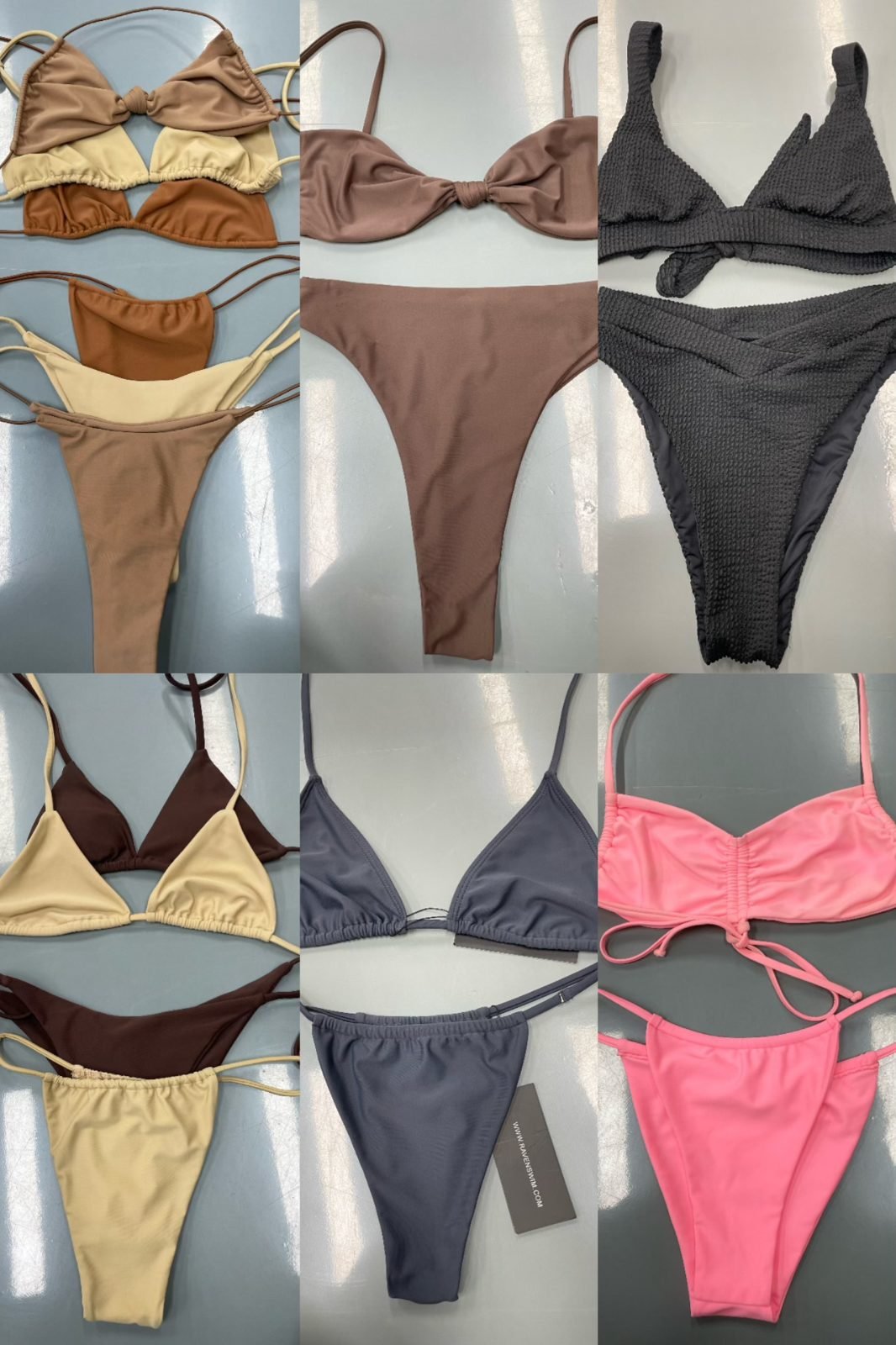
The choice of fabric is crucial for both performance and appeal. Opt for fabrics with high durability, excellent chlorine resistance, and appropriate stretch. Fabrics should feel comfortable yet resilient, maintaining shape and color against harsh pool chemicals and UV rays. Understanding Sustainable Fabric Choices can further refine your fabric decisions, adding a sustainability factor that appeals to eco-conscious consumers.
Aligning your swimsuit types with brand lifestyle and market positioning is essential. A brand aimed at the luxury market will choose differently than one targeting leisure or fitness lifestyles. Integrate swimsuit types that resonate with your brand image and the lifestyle narrative you wish to convey.
Guide to Choosing Swimsuit Types
| Swimsuit Type | Target Demographic | Best for | Trade-offs | What to Ask Supplier |
|---|---|---|---|---|
| Bikini | Young Adults/Teens | Beach/Poolside Fashion | Limited coverage | Ask about elastic recovery and fit |
| One-Piece | All Age Groups | Versatile and Classic Wear | May limit flexibility for some moves | Inquire about fabric blend and support |
| Tankini | Mature Women | Modesty with Style | Two pieces can misalign | Check print alignment and design options |
| Monokini | Fashion-Forward Consumers | Trendy Statements | Not ideal for vigorous swimming | Confirm material stability and style |
| Sport Swimsuit | Active Individuals | Performance in Water Sports | Less fashion-oriented | Verify durability and performance specs |
By carefully considering these elements, brands can select swimsuits that not only fit their demographic and trend goals but also reinforce their lifestyle branding and market positioning. This calculated approach can help elevate brand appeal and customer satisfaction.
What Distinguishes Sporty Swimwear from Other Types?
Sporty swimwear stands out with its unique combination of materials, design, and support features targeted for active use. These swimsuits require fabrics chosen for their ability to wick moisture away efficiently and dry quickly. Unlike fashion-oriented swimsuits, sporty versions are engineered to provide maximum flexibility and durability. The blend often includes a high percentage of elastane, contributing to the stretchability necessary for vigorous movements without deformation.
In terms of design, sporty swimwear incorporates streamlined silhouettes with coverage that minimizes drag while maximizing movement efficiency. Features such as racerback designs, wide straps, and built-in shelf bras or underwire support are common. These design elements ensure that the swimwear stays in place during dynamic activities, offering practical support without the need to constantly readjust.
The performance focus of sporty swimwear addresses durability and flexibility. These swimsuits are constructed to withstand the rigors of active environments, such as chlorinated pools and salty ocean water. This requires reinforced stitching and fade-resistant colors, ensuring long-term use without compromising structural integrity or appearance. This contrasts with fashion-oriented swimwear, which often prioritizes aesthetic elements over endurance.
A key difference between sporty and fashion-centric swimwear lies in their primary objectives. While fashion swimwear emphasizes style and trends, sporty swimwear is about functionality and performance. Fashion pieces might sacrifice durability for ornate details or trendy cuts, whereas sporty swimwear maintains a hard-wearing nature built to support athletes and casual swimmers alike.
Why Are Eco-Friendly Swimsuits Gaining Popularity?
Consumer awareness and demand for sustainability are driving the popularity of eco-friendly swimsuits. Swimwear made from materials such as recycled polyester and nylon, or biodegradable fabrics like Tencel, appeal to a growing segment of environmentally conscious buyers. Recycled polyester, often sourced from repurposed plastic bottles, retains durability and stretch properties ideal for swimwear, aligning consumer demands for quality and sustainability. These materials, certified by standards like OEKO-TEX, ensure that the fabrics are safe for human use and environmentally friendly.
The shift toward eco-friendly options isn't solely dictated by consumer preference—it heavily impacts brand image. Companies incorporating sustainable practices into their manufacturing process often enjoy increased customer loyalty and positive brand perception. This is important as more consumers engage in socially responsible purchasing, seeking to support brands committed to reducing their environmental footprint.
Additionally, brands adopting sustainable manufacturing methods benefit from stronger market differentiation. In the crowded swimwear market, a clear eco-friendly stance can set a brand apart from its competitors. Shoppers today aren't solely investing in products; they're investing in values and integrity. This can build a lasting connection with buyers, fostering loyalty that goes beyond the interest in a single product.
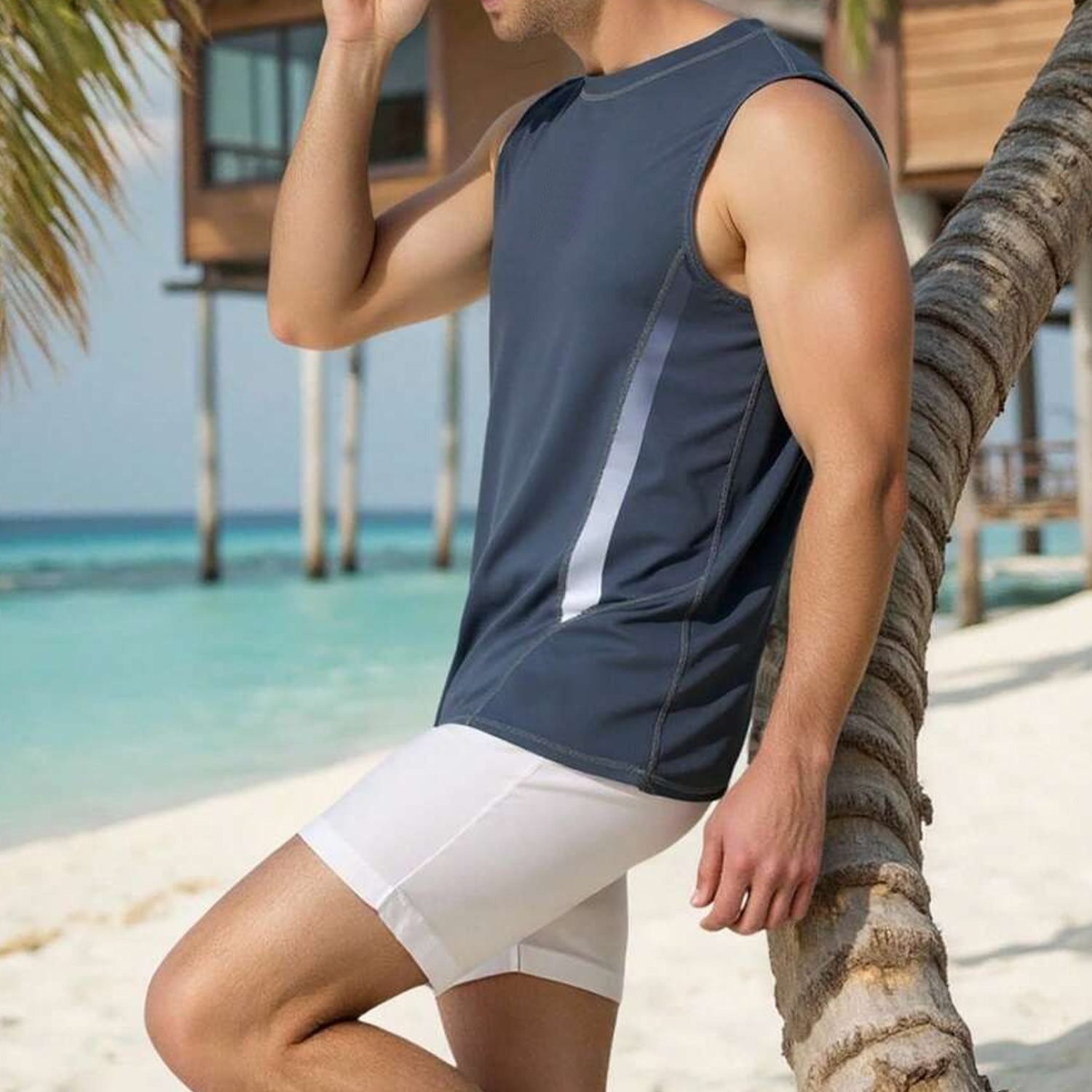
As the topic of environmental stewardship becomes more prominent, brand alignment with eco-friendly values can influence purchasing decisions. By prioritizing sustainable materials and ethical practices, swimwear brands can strengthen their standing in the market. As Eco-Friendly One-Piece Swimsuits by Joysportwear demonstrate, brand commitment to eco-friendly options resonates with conscious consumers, driving both sales and long-term success.
What Should You Consider When Selecting a Swimwear Manufacturer?
Selecting the right swimwear manufacturer involves more than just looking at their catalog. First, assess the manufacturer's reputation. Look for factories that have a track record of producing on time and maintaining high product standards. Consider checking testimonials, industry reviews, and even direct conversations with other brands who have worked with them.
Production capacity is another crucial factor. Determine whether the manufacturer can handle your order volume without compromising on quality or delivery schedules. A facility equipped to produce varied swimwear designs—from bandeau bikinis to sporty, high-performance swimsuits—should be versatile enough to grow with your brand. Confirm the scale of operations they can manage, especially if you anticipate rapid expansion or seasonal spikes in demand.
Eco-friendly practices are increasingly a priority. Align your brand with a manufacturer that prioritizes sustainable methods, such as using recycled materials or minimizing waste outputs. Certifications like OEKO-TEX and GRS (Global Recycle Standard) can serve as markers of environmental responsibility, ensuring that the materials used in production are free from harmful substances and sourced sustainably, enhancing your brand’s eco-credentials.
It's essential to ensure that the manufacturer's values and standards align with yours. You’ll want to work with someone who not only understands your vision but also upholds practices that match your brand ethos. Delve into their corporate values and commitment to industry standards; these elements can make a pivotal difference in achieving product excellence while fostering long-term relationships.
Frequently Asked Questions About Swimsuit Types
What’s the difference between bandeau and underwire bikinis? Traditionally, bandeau bikinis are strapless, emphasizing a sleek horizontal line. They're ideal for sunbathing, minimizing tan lines but offering limited support. Conversely, underwire bikinis incorporate a supportive wire along the bust similar to a bra. This feature provides excellent bust support, making them a preferred choice for wearers who prioritize both style and structure.
Why are triangle bikinis a staple in many swimwear collections? Triangle bikinis are celebrated for their simplicity and adjustability. Comprising two triangular fabric pieces connected by strings, they offer customizable fit options perfect for various body types. These bikinis adapt well to fashion trends, allowing designers to play with prints and textures, making them timeless favorites in many collections.
How do micro bikinis differ from other styles? Micro bikinis feature extremely minimal coverage, often using the least amount of fabric for an ultra-revealing look. They cater predominantly to fashion-forward consumers seeking bold statements, often integrating daring cuts and unique designs. While their audacious style appeals to some, their functionality is limited compared to more traditional swimsuits.
In what scenarios are tankinis more suitable than traditional bikinis? Tankinis, combining a tank-top style with bikini bottoms, strike a balance between modesty and flexibility. They suit wearers seeking more coverage while maintaining an active lifestyle. Ideal for beach activities, they allow ease of movement without sacrificing comfort or style. Tankinis also appeal to those preferring to minimize midriff exposure while enjoying the benefits of swimwear flexibility.
Are one-piece swimsuits just for swimming? Far from it, one-piece swimsuits offer versatile applications beyond swimming. Their comprehensive coverage lends itself to sporting activities, beachwear fashion, and even as a trend-setting outerwear option. Independent of being traditional beach staples, innovative designs and patterns have broadened their appeal in fashion circles, making them a choice pick for style-conscious individuals.
Deciding on Your Swimwear Line
Understanding the diversity of swimsuit types is pivotal when curating a swimwear line. Each style—be it bikini, one-piece, or tankini—caters to different preferences and needs, reflecting varied audience tastes. Brands should consider their target demographics and fashion trends to tailor their collections effectively. Once you narrow down the style choices for your audience, the next step is critical: collaborating with a reputable swimwear manufacturer like Joysportwear. By discussing your design details and quality expectations with your manufacturer, you can explore possibilities that align with your brand's vision.
FAQ: Understanding Swimsuit Types for Your Brand
How do I decide which swimsuit types best suit my brand?
Consider your target market's lifestyle and preferences. Analyze recent fashion trends, and assess how different swimsuit types align with your brand's vision. Consulting with experienced manufacturers, like Joysportwear, can provide valuable insights.
What role does fabric selection play in swimsuit design?
Fabric selection significantly impacts a swimsuit's performance, look, and feel. Different activities and climates demand specific fabric characteristics, from stretchability to UV resistance. It's crucial to select a fabric that complements the intended use of the swimwear.
Are eco-friendly swimsuits more expensive to produce?
Eco-friendly swimsuits can have a higher production cost due to sustainable materials and processes. However, they can enhance your brand image, attract eco-conscious customers, and potentially lead to long-term market benefits.
Can I request custom designs from swimwear manufacturers?
Yes, many manufacturers offer ODM and OEM services, allowing you to customize designs to fit your brand's unique style and requirements. It's essential to discuss your design ideas and expectations early in the process with your manufacturer.