
As swimwear collections become more diverse, brands now create different styles for different needs. Some designs work well for relaxed beachwear, while others focus on movement, coverage, sun protection, or a stronger fashion look.
This guide introduces the main types of bathing suits and explains how each style fits into today’s swimwear market.
Main Categories of Bathing Suits
Most bathing suits fall into three main categories: women’s swimwear, men’s swimwear, and specialized swimwear. Each category serves a different customer group, so brands often combine several styles to build a more complete collection.
| Category | Common Styles | Main Features |
|---|---|---|
| Women’s Swimwear | One-piece swimsuits, bikinis, tankinis, monokinis, swim dresses | Offers different levels of coverage, support, and fashion styling |
| Men’s Swimwear | Board shorts, swim trunks, swim briefs, jammers | Works for beachwear, casual swimming, sports, and performance use |
| Specialized Swimwear | Rash guards, wetsuits, burkinis, full-body swimsuits | Focuses on sun protection, modest coverage, warmth, or active use |
Women’s Bathing Suit Types
Women’s bathing suits come in a wide range of silhouettes, from simple everyday styles to more fashion-focused designs. Some styles offer more coverage and support, while others highlight tanning, or a bolder beach look.
One-Piece Swimsuit
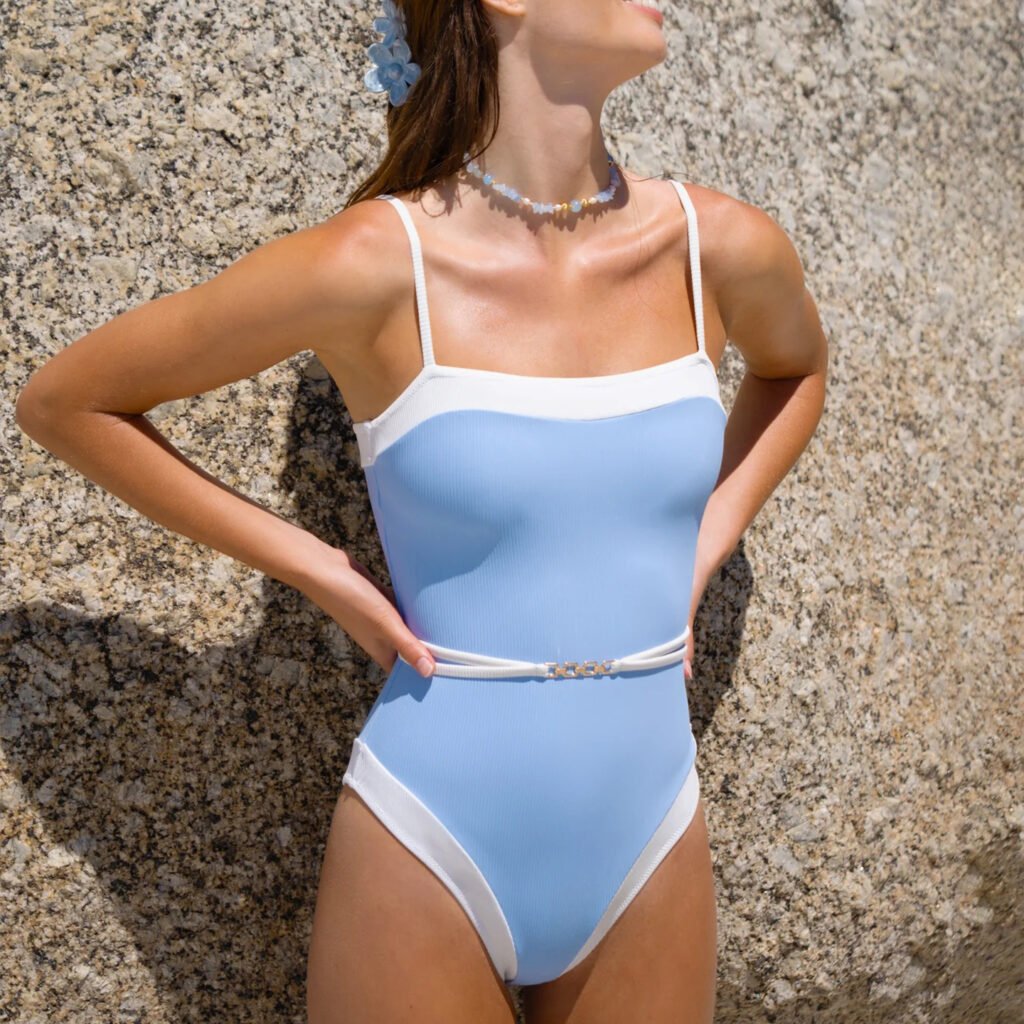
The one-piece swimsuit is one of the most classic bathing suit types. It covers the torso in a single garment and is popular for both casual swimming and fashion swimwear collections.
- Classic Maillot: A one-piece swimsuit covers the torso in a single garment, giving it a secure and easy-to-wear fit.
- Plunge One-Piece: Features a deeper neckline for a more feminine and statement look. This style is often used in resortwear and fashion swimwear collections.
- Cut-Out One-Piece: Uses cut-out details at the waist, sides, front, or back to create a more eye-catching silhouette while keeping the structure of a one-piece.
- High-Cut One-Piece: Raises the leg opening to visually lengthen the legs and create a more modern shape. It is popular in both retro-inspired and trend-driven swimwear.
- Monokini: Connects the top and bottom with fabric panels, straps, or cut-out details. It creates a bikini-like look while still keeping the garment as one connected piece.
One-piece swimsuits remain a popular category: by changing the neckline style, back design, leg cut, lining, or shaping details, they can meet the needs of a variety of different markets.
Two-Piece Styles
Two-piece bathing suits give customers more flexibility because they can mix different tops and bottoms to create a fit that suits their body shape, coverage preference, and activity level.
Bikini
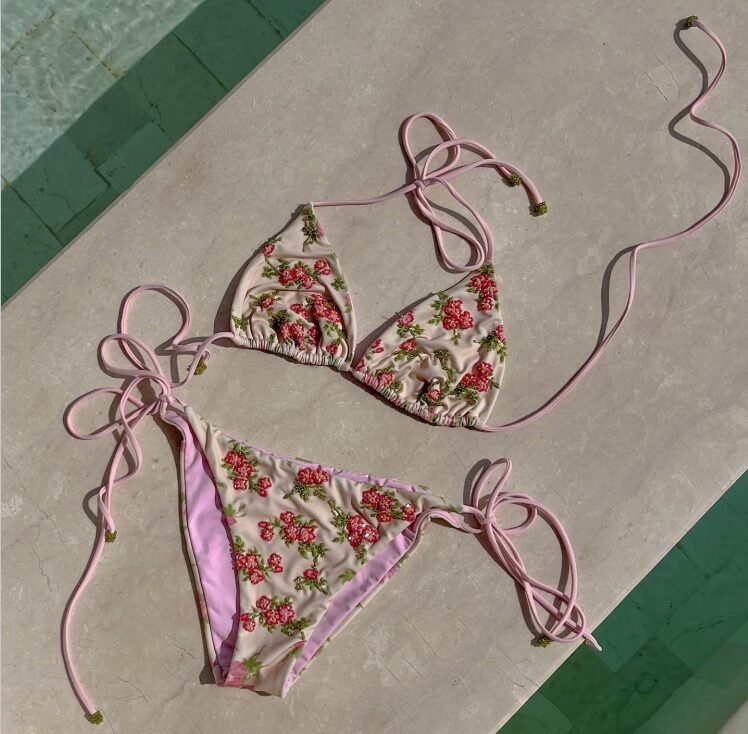
A bikini includes a separate swim top and bottom, making it one of the most versatile and recognizable bathing suit styles. It works well for fashion-focused swimwear collections.
- Tops: Triangle, bandeau, halter, and underwire tops offer varying levels of lift and support.
- Bottoms: Options include high-waisted (great for tummy control), hipster (sits on the hips), high-cut, boyshorts,cheeky, or thong/Brazilian cuts for minimal coverage.
Because bikinis are easy to mix and match, brands can use them to build flexible product combinations. One bikini top can often pair with several bottom styles, giving customers more choice without requiring a completely new design for every set.
Tankini

A tankini is a two-piece bathing suit with a longer top that covers part or most of the stomach. It usually pairs a tank-style swim top with bikini bottoms, swim shorts, or skirted bottoms.
Compared with a bikini, a tankini offers more coverage. At the same time, it keeps the convenience of a two-piece swimsuit, which makes it practical for customers who want comfort, flexibility, and a little more modesty.This style works well for family swimwear, mature swimwear, plus-size collections, and active lifestyle swimwear.
Swim Dress
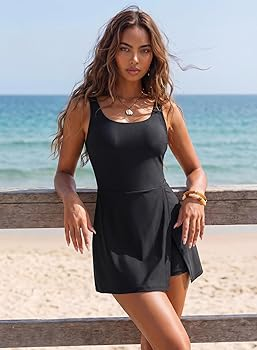
Swim dresses typically refer to one-piece swimsuits featuring an attached skirt. They can be designed with varying skirt lengths and body-shaping effects to cater to diverse consumer preferences, offering enhanced coverage for the hips and creating a softer, more elegant silhouette.
They are represent an ideal choice for creating modest swimwear options, making them particularly well-suited for families, mature consumers, and markets that prioritize appropriate and dignified attire.
Men’s Bathing Suit Types
Men’s bathing suit styles usually differ by length, fit, and intended use.
Board Shorts
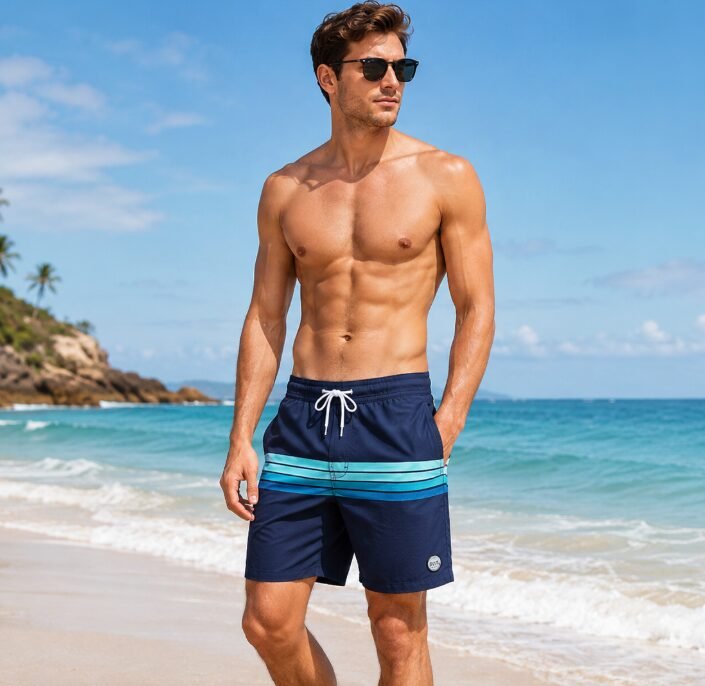
Board shorts are longer swim shorts, usually reaching above or around the knee. They are closely linked to surf culture but are now also common in casual beachwear and resortwear collections.
Most board shorts use lightweight, quick-drying woven fabric and have a loose, comfortable fit. Details such as lace-up waistbands, pockets, prints, and custom labels can help strengthen the brand look.
Swim Trunks
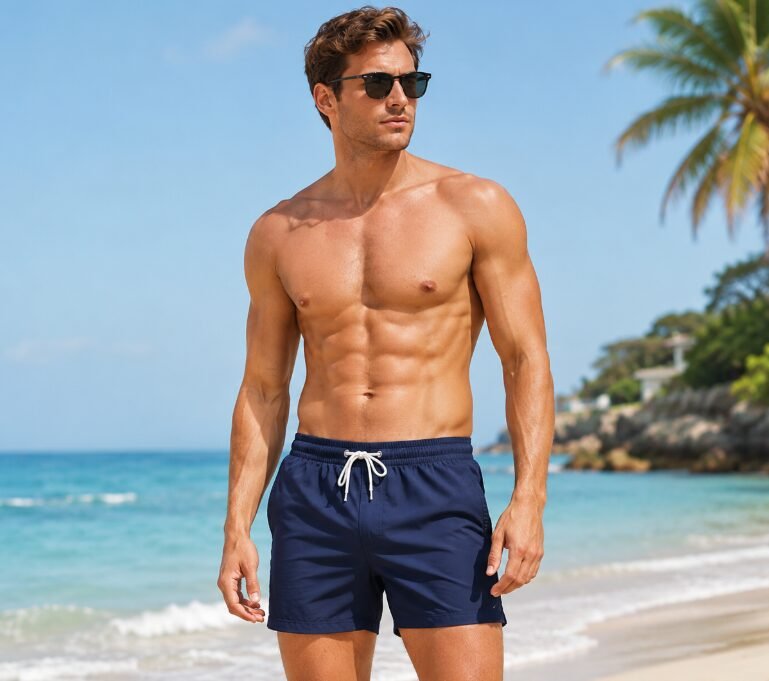
Swim trunks are shorter than board shorts and are one of the most common men’s swimwear styles. They usually feature an elastic waistband, adjustable drawstring, and mesh lining.
This style works well for pools, beach vacations, and everyday swimming. Because swim trunks are easy to adjust in length, color, and print, they are a flexible core item for men’s swimwear collections.
Swim Briefs
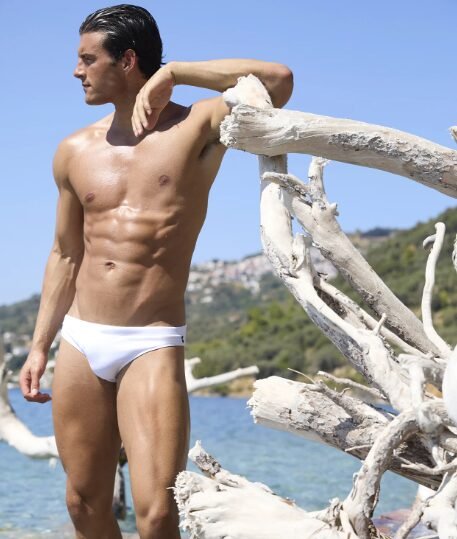
Swim briefs are tight-fitting men’s swimwear with minimal leg coverage. They are often used for competitive swimming, training, and customers who prefer a streamlined fit.
This style reduces drag in the water and allows freedom of movement. However, it offers less coverage than trunks or board shorts, so it targets a more specific customer group.
Jammer
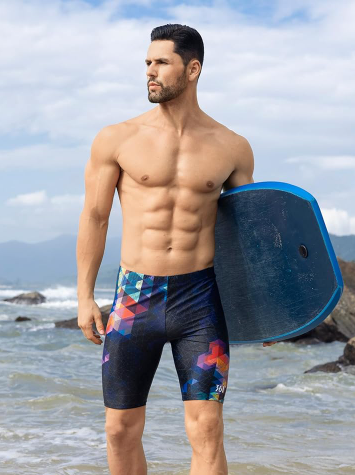
Jammers are tight-fitting swim shorts that usually extend to the knee or just above it. They offer more coverage than swim briefs while still keeping a streamlined fit.
This style is common in performance swimwear and swim training. Brands usually develop jammers with high-stretch, chlorine-resistant fabrics to improve durability and shape retention.
Active and Specialized Bathing Suit Types
Some bathing suits focus less on fashion and more on function. These styles often serve specific needs such as sun protection, modest coverage, warmth, or water sports.
Rash Guards
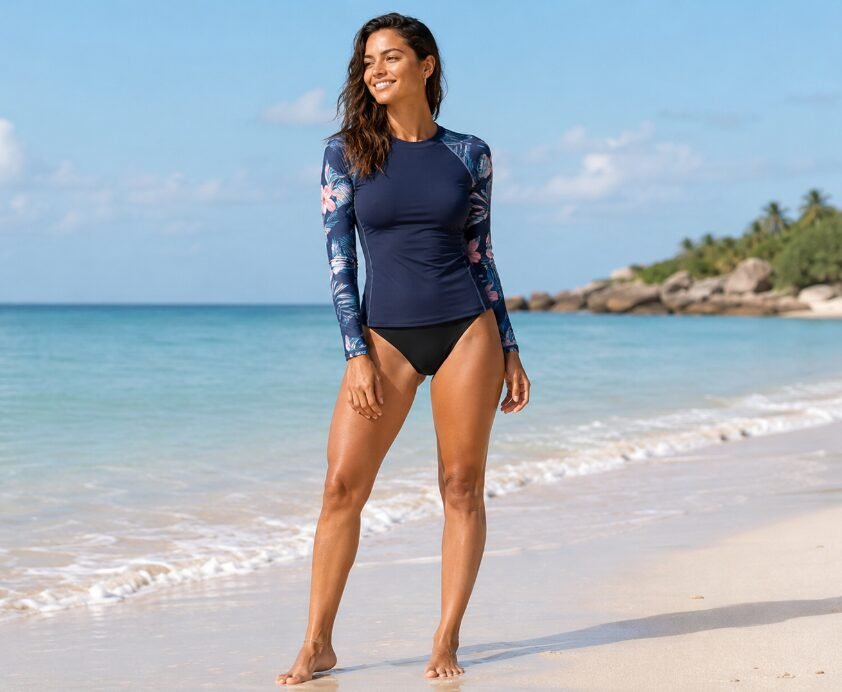
A rash guard is a swim shirt that helps protect the skin from sun exposure, friction, and irritation. It can come in short-sleeve, long-sleeve, cropped, or full-length styles.
This style works well for surfing, kids’ swimwear, and sun-protection collections. Many rash guards use UPF-rated fabric, making them practical for outdoor swimming and water activities.
Rash guards are useful because they combine function with style. They can be sold as separates or matched with bikini bottoms, swim shorts, or full swim sets.
Burkini and Full-Body Swimsuit
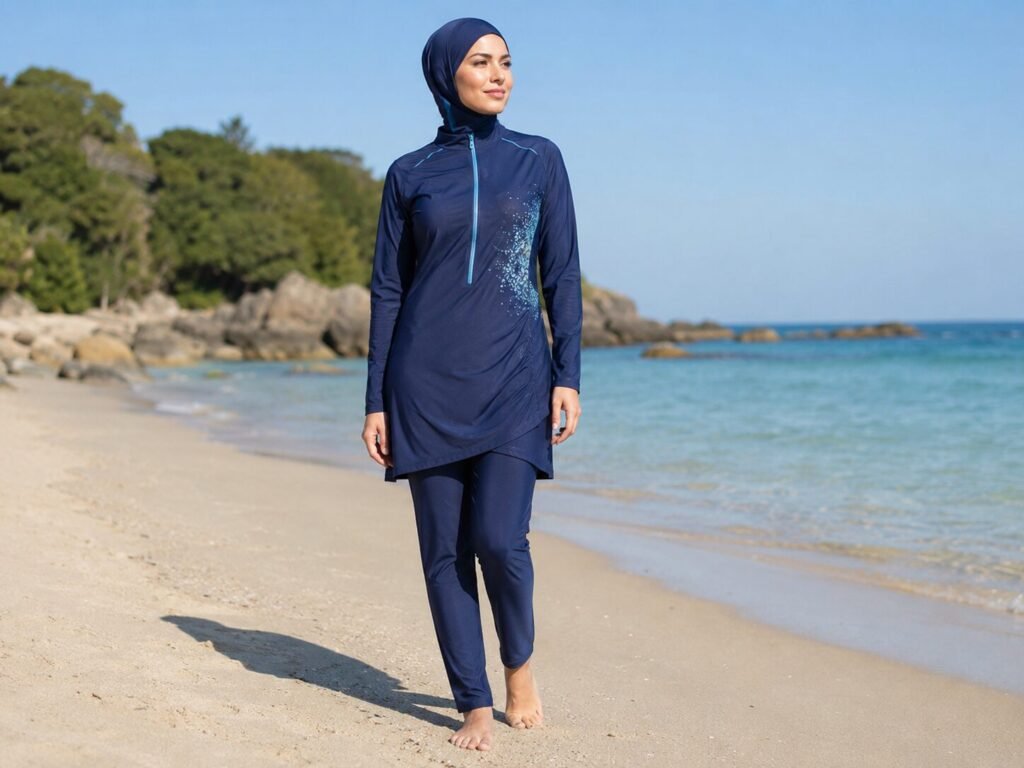
A burkini or full-body swimsuit offers more modest coverage than regular swimwear. It usually includes a long-sleeve top, full-length pants or leggings, and sometimes a swim hijab or head covering.
This style suits customers who prefer more coverage for cultural, religious, personal, or sun-protection reasons. Lightweight, quick-drying, and non-transparent fabrics are especially important for this category.
Wetsuit
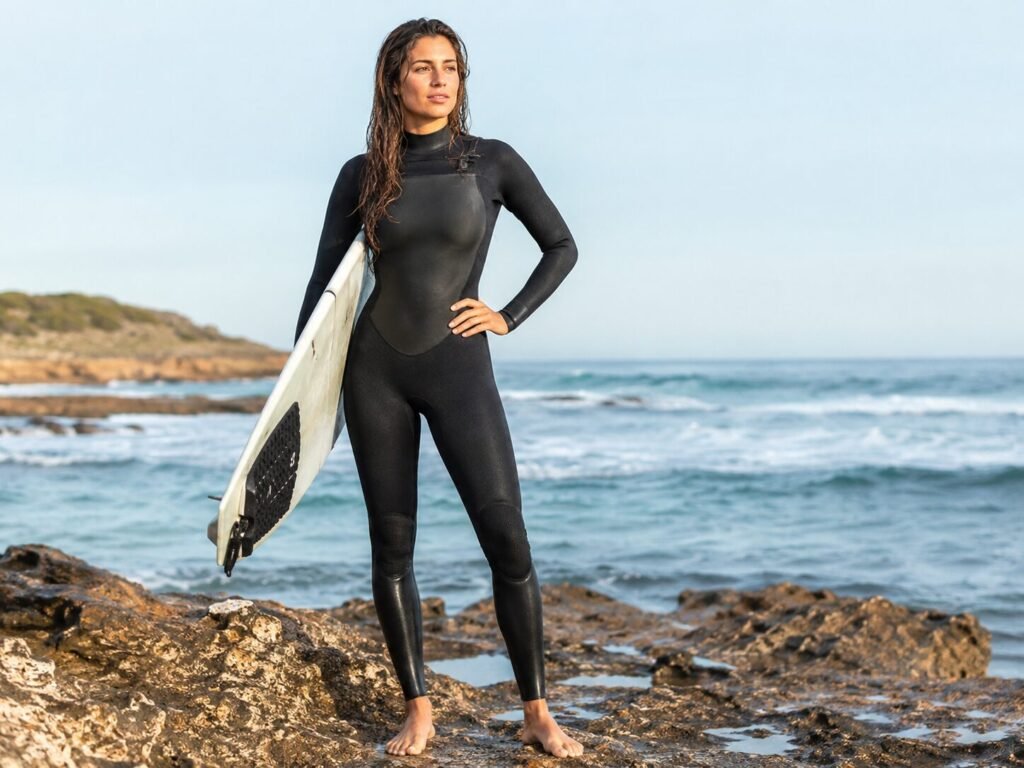
A wetsuit uses neoprene to help keep the body warm in cold water. It is commonly worn for surfing, diving, and other water sports.
Compared with regular bathing suits, wetsuits focus more on insulation, protection, and performance. They can come in full-length, short-sleeve, sleeveless, or spring-suit designs.
Because wetsuits are more technical, brands should consider specialized materials, fit, seam construction, and movement comfort before developing this category.
How to Choose the Right Bathing Suit ?
A good swimwear design should match the customer’s lifestyle, provide the right level of comfort and coverage, and use fabrics that perform well in water.
Know Your Target Market
Different customers look for different things in swimwear. A resortwear customer may prefer stylish bikinis,monokini, or high-cut silhouettes, while an active swimmer may care more about support, secure fit, and freedom of movement.
Before choosing a bathing suit type, brands should consider who the collection is designed for, where the swimsuit will be worn, and what level of coverage the customer expects.
Choose the Right Fabric
Most swimwear uses nylon-spandex or polyester-spandex blends because they offer good elasticity, recovery, and quick-drying performance.
- Fashion swimwear: a soft and smooth hand feel is often important,like nylon-spandex.
- Active or pool-focused swimwear: chlorine resistance, shape retention, and durability become more important,like polyester-spandex or PBT fabric .
- Sustainable collections: recycled nylon or recycled polyester can also be considered.
Consider Style and Structure
Different types of swimwear also influence their structural design.
- Underwire bikinis require stronger cup support and more robust stitching
- High-cut bottoms demand greater attention to fit and the elasticity of the leg openings.
- One-piece swimsuits typically incorporate strong internal lining—particularly when designed to provide tummy control or create a more streamlined silhouette.
Good swimwear design is not only about following trends. The style should look appealing, but it also needs to stay comfortable, supportive, and practical when worn in real beach or pool settings.
Conclusion
Understanding different bathing suit types helps brands build a more balanced and practical swimwear collection. Each style has its own role, from everyday beachwear to active swimwear, and modest coverage.
If you are planning a new swimwear collection, we can help you develop it from idea to finished product. Contact us to discuss your next bathing suit collection.
FAQ
What are the most common types of bathing suits?
The most common bathing suit types include one-piece swimsuits, bikinis, tankinis, monokinis, swim dresses, rash guards, board shorts, swim trunks, swim briefs, and jammers.
What is the difference between a bathing suit and a swimsuit?
Bathing suit and swimsuit usually mean the same thing. “Swimsuit” is more commonly used in product descriptions and fashion categories, while “bathing suit” is also widely used by consumers when searching for swimwear.
Which bathing suit type is best for swimming?
For active swimming, one-piece swimsuits, swim briefs, jammers, and rash guards are practical choices.
What bathing suit styles are popular for women?
Popular women’s bathing suit styles include one-piece swimsuits, triangle bikinis, bandeau bikinis, high-waisted bikinis, high-cut bikinis, tankinis, monokinis