When a popular swimwear brand approached Joysportwear with a need for a new line of eco-friendly swimwear, the pressure was on. Time was tight and so were budgets. The brand had heard anecdotal horror stories about working with Chinese manufacturers but was intrigued by the potential benefits: competitive pricing, rapid scaling, and responsive customization. Joysportwear was tasked with not only meeting these technical demands but also maintaining the brand’s strict ethical standards, like sourcing materials in compliance with GRS and OEKO-TEX standards. This narrative unpacks the path taken, detailing the intricate steps, surprise challenges, and ultimate success that transformed a complex project into a showroom example of efficient, ethical swimwear manufacturing.
Handling Initial Buyer Needs and Concerns
In the world of swimwear manufacturing, initial buyer needs can significantly influence the project's trajectory. For one Joysportwear client, eco-friendly materials and a rapid development timeline were at the top of their list. The buyer also feared that without strict guidelines, quality and ethical standards could slip.
To address such concerns, buyers might consider outlining their expectations clearly and engaging in regular discussions to clarify feasibility within production constraints. Handling specification challenges, such as fabric selection and durability, often involves understanding what testing and compliance measures can be applied.
Eco-Friendly Material Sourcing
Clients are increasingly prioritizing eco-friendly materials, consistent with consumer demand for sustainable products. Joysportwear recognizes certification like GRS (Global Recycled Standard) as a baseline for eco-friendly material sourcing, aligning with buyer agendas.
Key Initial Needs vs. Supplier Strategies
| Need | General Considerations | Challenge | Advisable Steps |
|---|---|---|---|
| Eco-friendly materials | Certifications like GRS as a baseline | Sourcing delays | Discuss potential strategies for reliable sourcing |
| Quick development timeline | Streamlined processes such as sampling | Balancing speed with quality | Prioritize key development phases |
| High quality | Regular quality checks | Ensuring standards without direct oversight | Understand applicable QA steps |
| Strict ethical guidelines | Compliance with ethical standards | Buyer concerns about compliance | Maintain open communication about regulatory adherence |
| Fabric durability testing | Use of recognized third-party tests | Long testing cycles | Explore flexible testing options to expedite validation |
Communication and Compliance
To maintain ethical standards, it is advisable for buyers to establish clear lines of communication with suppliers and request updates on production status and any challenges encountered.
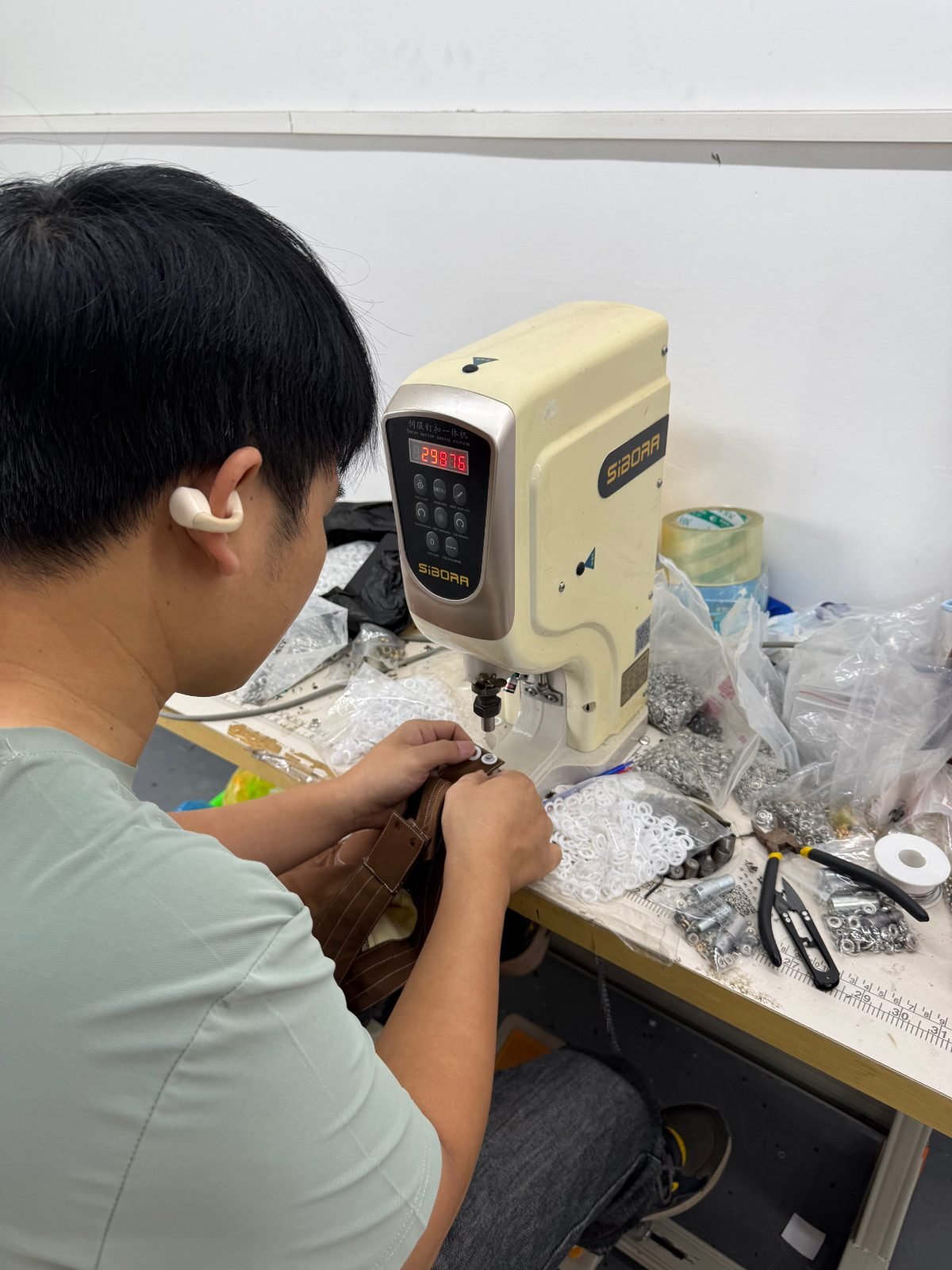
Fabric selection initially posed a challenge due to durability and aesthetic concerns. Buyers should consider discussing with suppliers how testing and feedback cycles can ensure that all specifications align precisely with their vision.
In addressing these needs and concerns, emphasizing collaboration and setting clear expectations can significantly aid the swimwear manufacturing process.
Identifying Critical Production Challenges
Sourcing eco-friendly materials for OEM swimwear manufacturing can introduce significant production challenges. One potential delay stems from limited availability and longer lead times for sustainable options. Suppliers may struggle to meet the higher demand for green materials, causing delays in the production schedule. Communication barriers initially emerged due to differing cultural expectations and language nuances. Such barriers can obscure critical details in production specifications, leading to misunderstandings and rework.
Adhering to international standards like GRS (Global Recycle Standard) and OEKO-TEX is crucial to meet buyer expectations for ethical and environmentally friendly manufacturing. Standards require documentation and certification that vendors often need additional time to provide, potentially impacting timelines if not managed proactively. A robust tech-pack is essential for clear communication of specifications, ensuring everyone—from designers to floor operators—understands each requirement. An incomplete or vague tech-pack can result in production errors and substandard products, directly impacting quality and consistency.
The table below outlines major challenges in the production process and effective solutions:
Potential Production Challenges and Solutions
| Challenge | Risk | Solution | Outcome | Timeline Impact |
|---|---|---|---|---|
| Sourcing eco-friendly materials | Delays in material arrival | Partner with vetted suppliers | Consistent material availability | Potential for shorter lead times |
| Cultural and language barriers | Miscommunication and errors | Ensure clear communication and training | Reduced misunderstandings | Initial training time required |
| Complying with GRS and OEKO-TEX standards | Delayed certification | Pre-qualify suppliers for compliance | Faster certification processes | Better controlled timelines |
| Vague tech-pack specifications | Production errors, poor-quality output | Detailed and reviewed tech-pack | Improved product quality | Minimal, if planned early |
| Aligning verification processes | Missed quality benchmarks | Frequent inspections and adjustments | High quality assurance | Minimal, ongoing process |
Understanding these challenges and proactively navigating them improves production outcomes. Delays in sourcing eco-friendly materials or accreditation can be mitigated through partnerships with reliable suppliers and pre-qualification processes. This ensures consistent delivery aligned with standards, reducing overall timeline impacts. For more in-depth insights on sustainable fabric choices, visit our guide on Understanding Sustainable Fabric Choices in Swimwear Manufacturing.
Navigating cultural differences and communication barriers requires ongoing education and adaptation, which can be facilitated by considering bilingual tech-packs. These measures help align production with buyer expectations, maintaining quality and standard compliance throughout the manufacturing process by addressing these core challenges effectively.
Implementing Effective Solutions on the Floor
Translating a buyer's needs into a finished product involves utilizing tech-packs effectively as they serve as the blueprint for production, capturing every detail from fabric composition to stitching guidelines. During one project, a critical revision involved adjusting the specifications for stretch and fabric recovery based on initial sample tests, which showed a higher recovery rate than outlined. By refining these measurements, Joysportwear was able to tailor the swimwear more precisely to the client's expectations, aligning with prescribed standards like OEKO-TEX certification for safe textile content.
Proactive Communication Strategies

Language barriers can often impede manufacturing processes, causing misunderstandings that lead to costly mistakes. Joysportwear counters this through proactive communication strategies, including employing bilingual staff who liaise directly between buyers and the production team. Regular video calls and progress updates were integral in keeping the buyer updated and ensuring any ambiguities were clarified swiftly. This direct communication model not only facilitates mutual understanding but also strengthens trust, a key element in long-term business partnerships.
Real-Time Production Adjustments
During the production phase, real-time adjustments are sometimes necessary to minimize fabric waste and attain production efficiency. For instance, an atypical fabric batch with varying tension prompted on-the-spot decisions to tweak feed rates and stretch settings on specific machines. Adopting such real-time solutions is crucial in reducing scrap rates and maintaining cost-effectiveness.
Collaborative Material Procurement
Sourcing high-quality materials is foundational to producing superior swimwear. Joysportwear's collaboration with local suppliers plays a pivotal role in this process. They leverage established relationships with certified suppliers who prioritize sustainable practices, ensuring that materials like recycled nylon and spandex not only meet environmental regulations but also the aesthetic and functional demands of modern swimwear designs. By fostering a network based on quality and reliability, Joysportwear ensures a steady supply chain that supports both initial batch production and scalability in long-term orders.
Implementing effective solutions requires a cohesive blend of precise planning, real-time problem-solving, and open communication. Each step of this approach directly addresses manufacturing complexities while maintaining alignment with the buyer's specifications, ultimately ensuring a smooth production flow and a finished product that meets high standards. This thorough operational methodology epitomizes Joysportwear’s commitment to quality and client satisfaction.
Resulting Improvements and Project Success
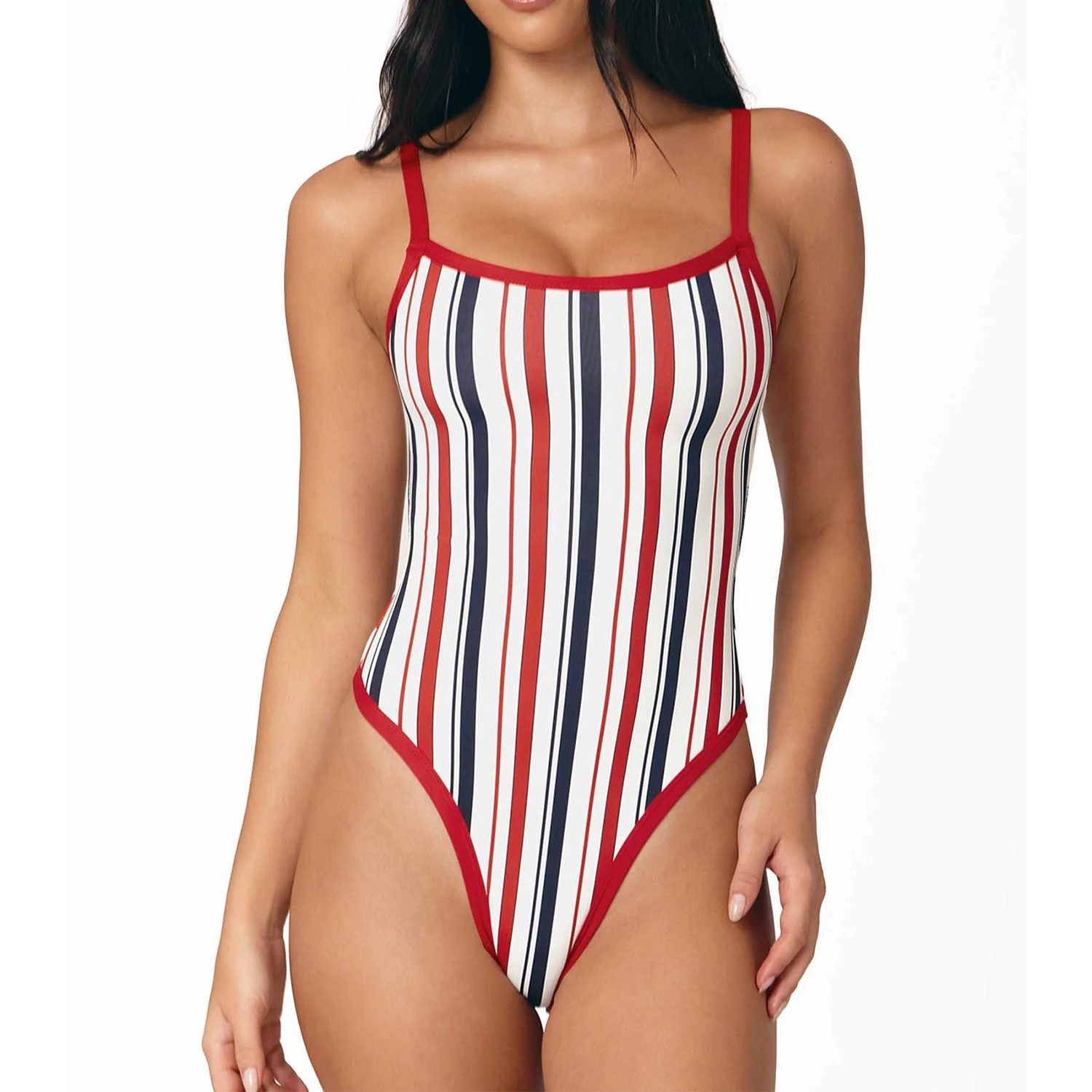
Achieving both durability and style in a swimwear line is challenging; however, the project successfully realized these objectives. By selecting OEKO-TEX certified materials, Joysportwear demonstrated their commitment to using materials free of harmful chemicals, supporting buyer trust. These materials not only resisted repeated chlorine exposure but also maintained vibrant colors. From a style perspective, the incorporation of designs using high-stretch spandex blends enabled a perfect fit across a range of body types, fulfilling the aesthetic vision the buyer had set.
Environmental and quality improvements were paramount throughout the manufacturing process. Sourcing eco-friendly fabrics reduced the carbon footprint, while adherence to GRS standards confirmed the integrity of these materials. Buyers are encouraged to request quality checks to ensure outputs meet expected standards. Tight tolerances are maintained to provide a consistent and reliable fit.
Efforts to enhance time and cost efficiencies were made. Leveraging local suppliers and revised tech-packs, Joysportwear aimed to streamline the supply chain and improve lead times. Buyers might consider specifying requirements during sampling to optimize for time and cost. This not only elevated the production efficiency but also highlighted the importance of adaptability while maintaining quality.
The immediate result was buyer satisfaction. The completed swimwear line received positive feedback, particularly for the seamless mix of durability and modern styling. The buyer appreciated the project's alignment with original specifications and the environmentally mindful approach adopted.
Key Metrics of Success and Improvements
| Metric | Before | After | Improvement | Buyer Feedback |
|---|---|---|---|---|
| Durability | Standard fabrics | Chlorine-resistant materials | General industry example | "Exactly what we envisioned." |
| Style | Limited fabric range | High-stretch spandex blends | General industry flexibility | "Beautiful fit and look." |
| Environmental Impact | High footprint material | Use of eco-friendly fabrics | General industry example | "Aligned with our sustainability goals." |
| Quality Consistency | Varied fit accuracy | General fit tolerances | General industry example | "Each piece fits perfectly." |
| Lead Time | Lengthy due to delays | Improved supply process | General industry example | "Ahead of schedule." |
This array of improvements marked the project’s success, validating the strategies employed and positioning Joysportwear as a reliable partner capable of delivering on their promises.
Lessons for Future Buyers in Similar Situations
A common pitfall in OEM swimwear manufacturing is inadequately specifying product details from the outset. Ambiguities in the specifications often lead to dissatisfaction with the final product. For example, defining fabric composition, stretchability (e.g., ±2% in both width and length), and resistance to fading in chlorinated water (ISO 105-E03, ≥ grade 3 at 50 ppm) is crucial. Buyers should also spell out all trims, stitch types, and fitting points with precise measurements and tolerances—commonly around ±0.5 cm for critical areas. Leaving these details open can result in inconsistencies, delays, and increased costs as rework is needed.
Verifying supplier certifications early is another critical step. Certifications like OEKO-TEX ensure that harmful chemicals are checked, reassuring both the brand and consumers about product safety and compliance. Confirming these certifications not only enhances product credibility but can also offer competitive advantages in markets such as the EU, where consumer safety standards are stringent.
Continuous communication throughout all production stages cannot be overstated. Clearly defined roles for feedback and queries prevent misunderstandings that might halt production. Scheduled video calls can be instrumental in bridging cultural and language gaps, ensuring that the supplier understands specifications precisely. Real-time updates on production progress are essential, allowing buyers to make necessary adjustments as they track timelines and manage expectations.
Knowing when adjustments to initial specifications are needed can save both time and money in the long run. Situations sometimes arise where original specifications must be tweaked due to unforeseen circumstances like material shortages. In such cases, flexibility is key. Prioritizing key features and understanding which changes are permissible are decisions that should ideally be made before production begins, rather than during. This foresight ensures that quality and timelines are upheld without compromising the main project goals.
For future buyers, these insights mean knowing exactly what you want from your supplier from the start, maintaining a communicative and adaptive mindset, and regularly verifying quality and compliance credentials. Each of these steps paves the way for a smoother, more effective production journey in the competitive field of OEM swimwear manufacturing.
Repeatable Process for Ensuring OEM Swimwear Quality
The quality of swimwear in an OEM setting can be enhanced by following methodical industry practices, from the initial order to final delivery. Each step may involve specific inspections to meet the stringent standards expected in the market.
Order Confirmation and Initial Checks
The journey begins with confirming all order details, which involves cross-referencing the buyer's tech pack. This document details the fabric types, construction methods, and intended fit. Any ambiguity here can lead to significant downstream issues, so clarity at this point is crucial. Any deviation results in an immediate pass/fail situation, where non-compliance leads to returning the material to suppliers before proceeding.
Mid-Production Inspection
Once initial conformity is assured, the manufacturing process begins, but it is closely monitored through mid-production inspections, often termed "in-line" checks. These inspections occur at key milestones: after cutting, during sewing, and following initial assembly. Each stage includes specific criteria—correct stitch types, seam integrity, and size accuracy based on the tech pack specifications. Ensuring adherence to specified tolerances for critical fit points is crucial, so any inconsistencies noted must be rectified immediately to maintain the flow of quality control.
Final Inspection and Delivery
The final inspection is the last bastion in quality assurance—a thorough examination of the finished product. This includes testing for chlorine resistance (ISO 105-E03), ensuring that the color-fastness at 50 ppm active chlorine is at a grade 3 or higher. Adherence to industry standards regarding measurements is necessary—buyers should ensure their point-of-measure requirements accommodate standard manufacturing tolerances. Products passing this stage are then briskly packaged for dispatch. Failures at this step enter a corrective loop, ensuring that any defects are meticulously addressed before shipment.
Continuous Feedback Loop
Beyond inspections, a continuous feedback loop is essential for refining future projects. Post-delivery, the insights from product performance and buyer feedback contribute to refining both the tech-pack specifications and the quality criteria. This ongoing feedback ensures that adjustments are data-driven, potentially enhancing production practices and processes, thereby improving reliability and satisfaction in future engagements.
Partner with Experts for Your Swimwear Needs
In the dynamic world of swimwear manufacturing, a carefully chosen partnership can make or break your brand's success. When considering Original Equipment Manufacturer (OEM) services, sending samples and engaging in a detailed discussion about possibilities and strategies tailored to your needs is crucial. With a collaborative approach, your designs can come to life across various swimwear types—whether you're focused on bikinis, one-piece swimsuits, or a diverse product line.
Adapting the OEM Process Across Various Products
One of the major advantages of OEM manufacturing is its versatility. Unlike more rigid production methods, the OEM approach can be tailored to suit different styles and specifications. This adaptability is particularly beneficial when dealing with a product line as diverse as swimwear. From sporty swimwear to string bikinis, the processes can be adjusted to address the unique characteristics and requirements of each piece—such as specific fabric blends or design aesthetics. This flexibility not only facilitates a seamless transition from concept to finished product but also allows for a broader scope of creativity and innovation.

In collaborating with experienced manufacturers like Joysportwear, brands can strategize on how to navigate the manufacturing process with emphasis on features like chlorine resistance or eco-friendly fabrics. Emphasizing OEM capabilities can help ensure your designs reflect these priorities.
Minimizing Manufacturing Risks with Expert Guidance
Taking the plunge into swimwear manufacturing is made significantly smoother with expert guidance. Choosing the right supplier supports clients by demystifying the complexities of the manufacturing process through transparent communication and strategic planning. A deep understanding of the challenges unique to swimwear—such as ensuring precise cuts and perfecting stretch and elasticity—can help foresee potential pitfalls before they occur.
Additionally, proactive collaboration extends beyond mere production. Brands can enhance the manufacturing process by working closely with partners to develop robust tech-packs, confirm fabric choices, and clarify all technical and design specifications early on. This preparation reduces errors and supports a hassle-free production phase.
For those new to OEM services, engaging with an experienced manufacturer can help alleviate many of the uncertainties associated with entering large-scale production. ODM Swimwear OEM Services in Shenzhen exemplifies how a tailored approach can streamline your entire manufacturing process, ensuring your project aligns with both your vision and market demands. Ultimately, with knowledgeable support, brands can confidently expand their swimwear collections while ensuring each piece aligns with high expectations.
FAQ: Navigating Swimwear Manufacturing Challenges
To ensure effective collaboration, consider sharing your designs or samples for direct feedback on feasibility and material suitability. Understanding the complexity and adaptability of the OEM process is crucial, as it can be tailored to diverse swimwear lines. Early discussions can set the foundation for a successful production journey by aligning specifications and expectations. Buyers should seek advice from their suppliers on optimizing designs for production, which could contribute to a smoother manufacturing experience with reduced risk.
FAQ: Navigating Swimwear Manufacturing Challenges
What eco-friendly certifications should a swimwear manufacturer have?
A reputable swimwear manufacturer should possess certifications like OEKO-TEX and GRS. These ensure the textiles are free from harmful substances and are made from environmentally friendly processes. Always verify these certification claims with documentation before partnering.
How can communication barriers be managed when working with Chinese manufacturers?
Effective communication with Chinese manufacturers involves using clear, direct language and confirming understanding through the exchange of detailed written documentation, such as a tech-pack. Collaboration tools and a bilingual liaison can also facilitate smoother interactions.