When sourcing custom swimwear, it is essential to contact a supplier and provide clear and detailed descriptions of your design. This involves more than just a simple idea; specific details are required to avoid a slow or vague response. Understanding each requirement's impact on quotes and production timeline is crucial. This checklist details all necessary elements like fabric types, design specifics, and quantities to ensure precision and speed. With the right preparation, decisions are streamlined and lead times can be minimized. Equip yourself with this checklist, saving both time and resources, while ensuring your swimwear aligns with your eco-friendly values.
Why Most Requests Get a Slow or Vague Reply
Incomplete project specifications often result in delays in getting detailed feedback from swimwear manufacturers. When essential information is missing, suppliers need to seek clarity, which disrupts the timeline. For example, if fabric weight or type isn't specified, manufacturers might delay their responses until they know if you're considering a heavy-duty material for durability or a lighter one for flexibility.
Material preferences and certifications. Without indication of your preferred materials or necessary certifications like OEKO-TEX or GRS from the outset, suppliers are left to guess which can delay sourcing the correct materials. This oversight often results in receiving broad options that might not fulfill your specific needs, leading to prolonged discussions.
Absence of preliminary sketches or technical designs. A lack of sketches or technical designs can significantly slow down the feedback process. When manufacturers don’t receive visual aids or a tech pack, they can’t accurately interpret your vision, leading to general questions aimed at understanding the garment’s construction, style particulars, or fit requirements. These visual guides are essential for assessing project feasibility and resource allocation effectively.
Omitting desired delivery timeframes. Not specifying delivery targets introduces uncertainty in the production schedule. Manufacturers typically prioritize based on project deadlines. Without a clear deadline, your request may be deprioritized or processed slower, possibly impacting seasonal launches or contractual obligations.
These omissions lead to protracted exchanges, prolonging the initial phases of your project. To prevent such delays, it’s crucial that your opening communication is thorough and matches the manufacturer's workflow. This guide on Finding Your Custom Swimwear Manufacturer in China provides insights on effectively selecting and collaborating with your supplier, facilitating smoother production processes.
Essential Checklist for Sourcing Custom Swimwear
Securing custom swimwear begins with collecting the right details. Thorough measurements and fitting criteria are vital; they guide creation from concept to finish.
Measurements and Sizing. Start by specifying sizing conventions (US, AU, EU) and detailed measurements including bust, waist, hips, and cup size for women, plus length and waist for men’s swimwear. Accurate sizing reduces returns and ensures fit satisfaction.
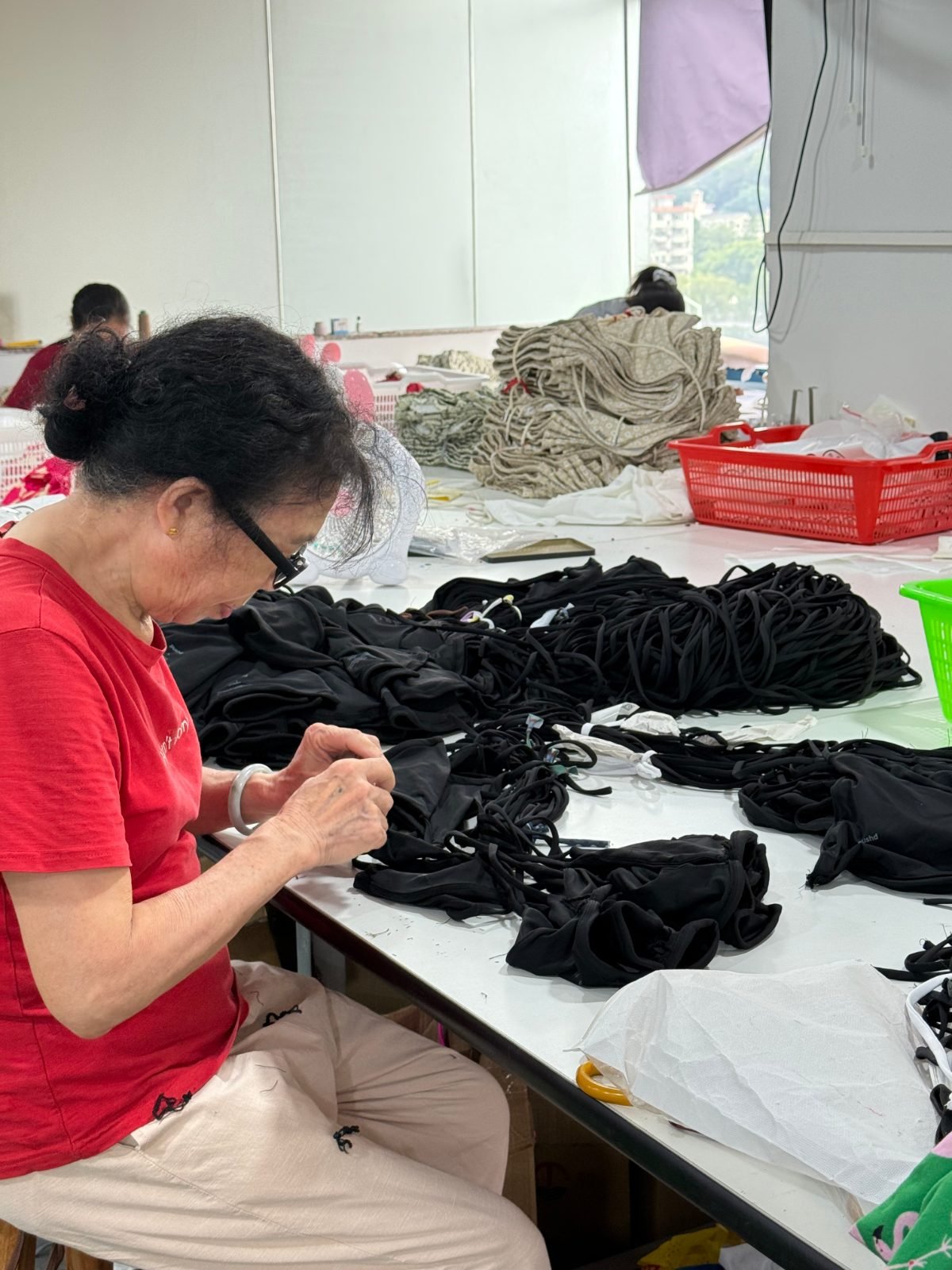
Eco-Friendly Fabric Options. Choose materials like recycled nylon or polyester, both offering excellent stretch and shape retention while reducing environmental impact. OEKO-TEX certified fabrics ensure no harmful substances in your swimwear. Selecting the right eco-friendly material resonates with eco-conscious consumers and reinforces a brand’s sustainability claims.
Quantities: Sampling and Bulk. Initial orders often start with low-dose sampling (around 100 units), allowing evaluation without major financial commitment. Confirm bulk production minimum order quantities (MOQs) early on, as bulk discounts affect overall budget planning.
Design Elements. Specify details for patterns, colors, and closures; vibrant hues and durable zippers can distinguish your line. Consider Pantone color codes for accuracy, and ensure design elements align with overall brand aesthetics.
Custom Swimwear Sourcing Checklist
| Requirement | Description | Why It Matters | Questions for Suppliers |
|---|---|---|---|
| Sizing Details | Bust, waist, hips for women; length, waist for men | Ensures proper fit and reduces return rates | What sizing systems are supported? |
| Fabric Choice | Recycled polyester or nylon, OEKO-TEX certified | Eco-friendly options strengthen sustainability credentials | What are the options for sustainable fabrics? |
| Sampling Quantities | Typically starts at 100 units for trial runs | Minimizes financial risk before large-scale production | What are your MOQs for samples and bulk? |
| Design Preferences | Patterns, colors (Pantone codes), closures | Aligns your product with brand aesthetics and design vision | Are there limitations on design elements? |
Before committing to a supplier, ensure these crucial areas are clarified to streamline production and prevent misunderstandings.
Impact of Each Checklist Item on the Quote
When sourcing custom swimwear, each detail mentioned in your checklist has a direct impact on the quote you will receive. Fabric choice, for instance, plays a significant role. Selecting eco-friendly materials such as those certified by OEKO-TEX or GRS often results in higher upfront costs due to premium sourcing and production processes. However, these options appeal to a growing market of environmentally conscious consumers and may enhance the brand's value proposition. Make your fabric preferences clear early; suppliers can then provide precise cost estimates aligned with these choices, avoiding miscalculations due to varying material expenses.
Detailed design specifications also have substantial effects on both pricing and production timelines. Including intricate design elements like embroidery, custom patterns, or unique closures may extend lead times and increase costs due to the additional labor and specialized machinery required. To ensure accurate results and avoid unforeseen costs, it is advisable to provide thorough design specs and discuss how they might affect lead times and pricing with potential suppliers.
Material certifications such as OEKO-TEX or GRS influence which suppliers are suitable partners. While these certifications may limit your choices, they assure high-quality outputs and compliance with safety standards, which can be crucial in markets such as Europe and Australia. Such certified materials often provide consumers with added peace of mind, potentially increasing the perceived value of your finished products, albeit at a costlier price point.
Order size is another critical aspect, influencing pricing tiers and discounts. Large-scale orders generally lower per-unit costs due to economies of scale. Conversely, smaller order sizes may not qualify for bulk discounts, possibly leading to higher expenses per piece. Being transparent about the order quantities—whether for sampling or full production—allows suppliers to fine-tune quotes, enabling better budget alignment and financial planning.
Understanding these impacts equips you to manage cost expectations and select the most suitable supplier on the basis of these definitive checklist elements.
Example of a Completed Checklist
Imagine receiving a filled-out checklist that immediately clarifies your swimwear production needs; this is the ideal scenario for both buyers and manufacturers. This gives the manufacturer confidence in sourcing material that meets your eco-friendly standards. Sizing details, down to individual measurements for bust, waist, and hips across different sizes, prevent future miscommunication—leading to more precise sample development and production at scale.
Common Errors and Corrections. A frequent error is vague material specifications like "high-quality fabric," which leaves room for interpretation and delays. Instead, indicating "OEKO-TEX certified recycled polyester" removes ambiguity. Another mistake is failing to specify pattern dimensions, leading to designs that don’t match the creative vision. Adding technical sketches or CAD files corrects vague design elements that could misalign with expectations.
Feedback from Manufacturers. Manufacturers highlight the benefit of detailed checklists for streamlined operations. "Checklists save time and cut down on back-and-forth," one manufacturer noted, drawing attention to the importance of being specific with design and material choices from the get-go. When specifications are accurate, Joysportwear can more easily navigate the steps outlined in The Process of Custom Swimwear Design at Joysportwear, ensuring efficiency and quality.
Estimated Lead Times. With fully-detailed checklists, lead times can vary drastically. On average, a comprehensive checklist can shorten the timeline, enabling Joysportwear to offer swifter sampling and prototype development compared to vague requests. Nonetheless, exact timelines hinge on current workload and specifics like material availability and order size, so always confirm with your supplier after checklist submission.
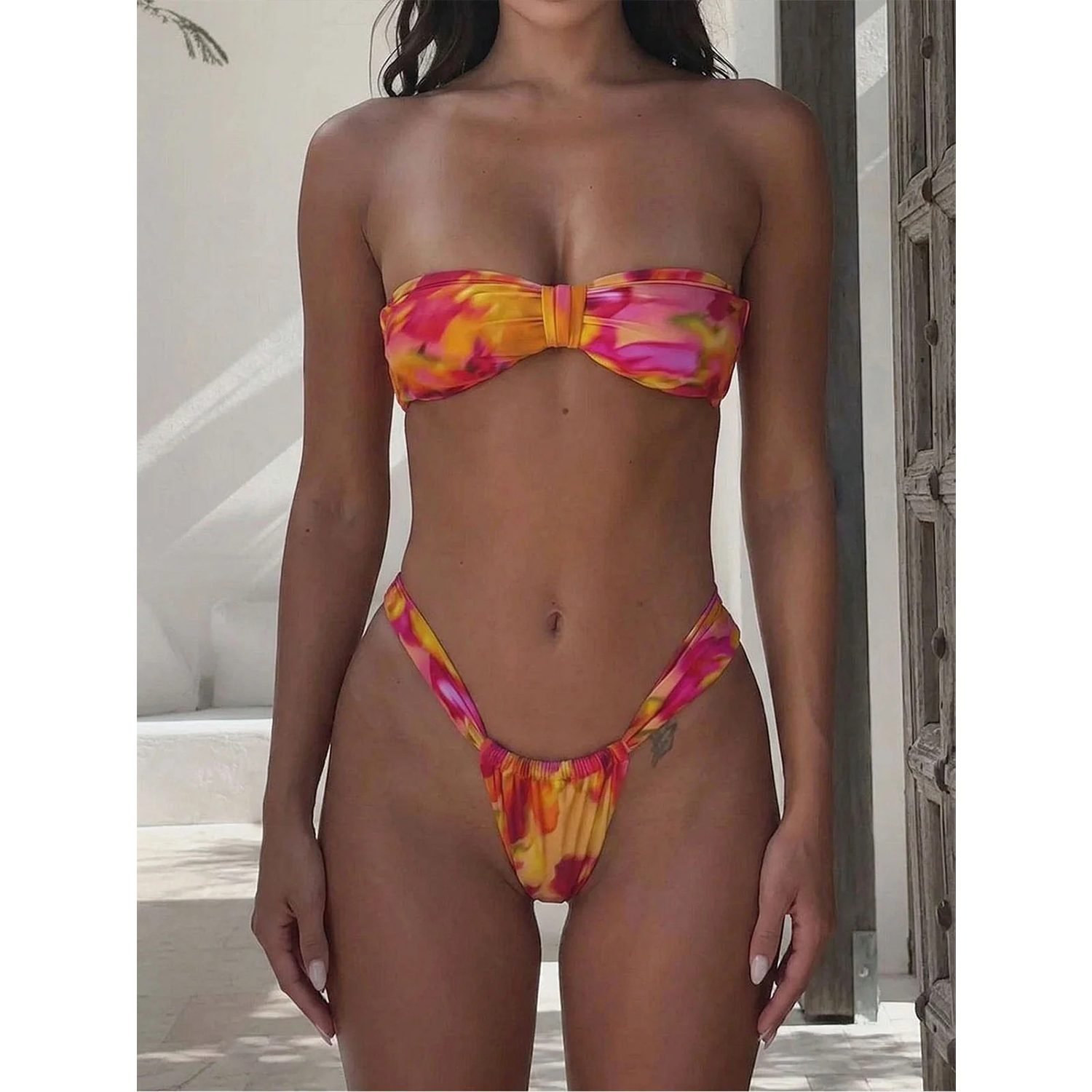
What Happens After Sending the Checklist
Once you've sent the completed checklist to your custom swimwear supplier, it's essential to follow up to confirm receipt and inquire about a preliminary review process. Be proactive in seeking a confirmation and prepared to discuss your specifications in detail. Suppliers may reach out with clarifying questions if any details require further elaboration. This initial interaction is crucial as it can significantly influence the smoothness of subsequent stages.
Supplier Feedback. Following their review, suppliers often provide feedback, identifying any potential issues or suggesting alternatives, especially if certain materials or designs may pose challenges. This exchange opens the door for revisions. It's beneficial to be open to these expert insights as they often lead to more effective manufacturing outcomes.
Timelines for Prototypes. Once any necessary adjustments are agreed upon, the supplier will propose a timeline for prototype creation. This stage is usually one of the most exciting for clients, as it's the first tangible step towards seeing your designs come to life. Expect a clearly outlined schedule that delineates each phase, from fabric selection to prototype completion, providing a comprehensive view of what to anticipate.
Sample Production. After prototype approval, sampling typically begins. Suppliers will craft a small batch to test the production process and gather feedback on the final products. This is where any final tweaks can be made before heading into full-scale production.
Communication. Throughout this process, expect regular updates from your supplier. They should inform you of the progress and any potential setbacks they may encounter, such as material shortages or process adjustments. Keeping lines of communication open ensures both parties remain aligned with expectations and allows for any quick corrections if issues arise.
Sending a comprehensive checklist not only sets a firm foundation for communication but also accelerates the overall timeline. By engaging actively with feedback and maintaining open dialogue, you ensure that your custom swimwear project moves smoothly towards your envisioned launch.
Taking the Next Steps with Confidence
Clarity in initial inquiries is paramount when sourcing custom swimwear, as it establishes a solid foundation for the entire project. At Joysportwear, we understand the importance of detailed specifications in facilitating swift and accurate responses. Our focus is not only on meeting your immediate needs but also on building sustainable partnerships that endure.
Frequently Asked Questions About Sourcing Custom Swimwear
What should be included in my initial request to a supplier?
Your initial request should include specific measurements, preferred fabrics, design elements, estimated order quantities, and expected timelines. This information allows suppliers like Joysportwear to provide a detailed and accurate response, expediting your project.
How do eco-friendly fabrics impact production?
Eco-friendly fabrics can influence both costs and supplier options. These materials often require specific certifications, which can affect both pricing and production timelines. Suppliers must have access to certified materials to meet eco-friendly requirements.
What dictates the lead time for custom swimwear orders?
Lead time is influenced by factors such as fabric availability, design complexity, and order size. Precise communication with the supplier ensures better predictions.
Why is a detailed checklist crucial for sourcing swimwear?
A detailed checklist avoids delays by providing suppliers with essential information up front. It helps clarify design expectations, material requirements, and production timelines, leading to more accurate quotes and efficient processes.
How can I ensure my designs meet Australian standards?
Ensure your supplier is aware of Australian compliance standards. Discuss any specific requirements during your initial consultations.