"What key factors should I consider when evaluating a swimwear manufacturer in China?" is a question we often hear from clients. Today, we're not talking about generic advice — we're providing a detailed checklist you can trust. From understanding the company's track record to verifying eco-friendly practices, we delve into specifics that matter. You need to confirm certifications such as OEKO-TEX and GRS, evaluate fabric sourcing, and understand the terms of MOQ. This checklist empowers you to make informed decisions, ensuring you partner with a manufacturer that aligns with your brand's values.
What Factors Are Crucial in Evaluating Swimwear Manufacturers?
When sourcing swimwear manufacturers in China, several key factors must be scrutinized to ensure a successful partnership. Certifications like OEKO-TEX and GRS are non-negotiable if you aim to market eco-friendly swimwear. These certifications focus on the use of non-hazardous materials and include recycled content, which is crucial for eco-conscious branding and compliance with certain global market regulations.
A manufacturer's track record is another vital consideration. Historical performance in terms of quality and reliability provides an indication of what to expect. Review past projects and client feedback carefully; these insights can highlight a manufacturer’s capability in meeting delivery schedules and maintaining product standards.
Moreover, evaluating the fabric sourcing process is essential for sustainability and quality. Ask about their sources and verify their sustainability practices, since this directly impacts both durability and environmental footprint. Ensuring your partner's alignment with sustainable practices offers a competitive edge in today's eco-focused market.
Minimum order quantity (MOQ) requirements can be a deal-breaker for many startups. Manufacturers often have preset minimums, and clear communication is needed to confirm these fit within your brand’s production scope.
Before finalizing any partnership, due diligence steps are indispensable. This includes visiting the manufacturing site if possible, understanding their production capacity, and establishing a strong line of communication.
Key Factors in Evaluating Swimwear Manufacturers
| Factor | Importance | What to Ask | Potential Red Flags |
|---|---|---|---|
| Certifications | Ensures eco-friendliness and quality | Are you OEKO-TEX and GRS certified? | Lack of certification documentation |
| Track Record | Indicates reliability and quality over time | Can you share past client feedback? | Negative reviews or reluctance to provide info |
| Fabric Sourcing | Affects sustainability and product quality | What are your fabric sourcing practices? | Unclear sourcing processes |
| MOQ Requirements | Critical for startup feasibility | What are your MOQ terms? | High minimums unsuitable for small brands |
| Due Diligence | Protects investment and ensures capability | Can I visit the facility or review operational practices? | Hesitation or refusal to allow due diligence |
Analyzing these factors provides a solid foundation for evaluating potential swimwear manufacturing partners effectively. The right manufacturer will align with your sustainability targets and production capacity while also meeting critical branding standards.
How Do Certifications Impact Swimwear Sourcing?
Certifications play a vital role in guaranteeing the quality and safety of swimwear products. They are important markers for brands aiming to meet global market standards. For instance, OEKO-TEX certification signifies that the fabrics used in swimwear are free from harmful chemicals, safeguarding consumer health and ensuring responsible production practices.
The Global Recycled Standard (GRS) is another key certification, particularly for brands committed to sustainability. It certifies that materials used in production contain recycled content, providing assurance to environmentally-conscious consumers. When assessing a swimwear manufacturer, these certifications can be critical in evaluating the quality and eco-friendliness of the products.
Global compliance is another significant factor influenced by certifications. In markets across the USA, Europe, and Australia, there are varying regulatory requirements for products. A certification like OEKO-TEX or GRS can simplify compliance by showing that products meet stringent safety and environmental guidelines, thereby facilitating smoother market entry.
To verify these certifications during sourcing, start by requesting documentation from the manufacturer. Certifications should be up-to-date and verifiable through the certifying body’s website. It’s essential to match the certification numbers with the records held by these issuing bodies to avoid fraudulent claims.
Incorporating certified materials not only strengthens brand credibility but also enhances consumer trust. By prioritizing these aspects during the sourcing process, brands can ensure they align with global standards and consumer expectations.
Why Is Fabric Sourcing Critical for Eco-Friendly Swimwear?
Eco-friendly fabric sourcing plays a crucial role in minimizing the environmental impact of swimwear production. Choosing sustainable materials is the first step towards creating swimwear with a reduced carbon footprint. These materials often require fewer natural resources and chemicals, resulting in less pollution. It’s an essential consideration for brands aiming to meet consumer demand for sustainable products while maintaining performance and durability.
Different types of fabrics are used in eco-friendly swimwear, each with distinct advantages and disadvantages. For example, recycled polyester is praised for its resilience and durability but can be less breathable compared to natural fibers. On the other hand, organic cotton offers excellent comfort and breathability but may not offer the same level of stretch and quick-drying properties that synthetics do. Brands need to weigh these pros and cons based on their target market and swimwear's intended use.
When sourcing eco-friendly swimwear fabrics, it’s vital to consider whether the materials meet international standards. Standards like OEKO-TEX and GRS assure consumers that the fabrics are free from harmful chemicals and contribute to a lower ecological impact. Sourcing from suppliers complying with these certifications not only ensures safety and quality but also opens doors to global markets where eco-credentials are increasingly crucial.
The lifecycle impact of each material is another factor in sustainable swimwear sourcing. Materials like bamboo lyocell, which is biodegradable, enter the natural cycle more efficiently, reducing waste. However, life cycle assessments of recycled synthetics reveal that their durability often makes them more sustainable in the long-term, despite the initial energy-intensive manufacturing process.
Understanding these elements is essential for brands looking to integrate sustainability into their swimwear collections. A strategic approach to fabric sourcing can improve product quality while aligning with consumer values.
How to Navigate Minimum Order Quantities (MOQ)?
Minimum Order Quantities (MOQ) significantly impact both cost efficiency and production feasibility for swimwear brands. High MOQs can be a major barrier for startups and smaller labels, as they often require substantial upfront investment in inventory. This can strain the cash flow and add financial risk, especially for new brands trying to establish a market presence.
For startups, navigating high MOQ requirements means balancing initial investment against production scalability and market needs. Startups often face challenges with suppliers unwilling to negotiate lower MOQ due to their own cost structures. However, these challenges aren't insurmountable. Negotiation tactics include discussing projected long-term business growth to incentivize suppliers, providing evidence of potential market demand, and maintaining open communication about production goals. Prioritizing clear communication and showing readiness for a lasting partnership can lead suppliers to offer more flexible MOQ terms.
To better manage MOQs, brands can discuss their specific needs with suppliers to find mutually beneficial solutions, saving new businesses from overextending their budgets. This approach can provide the opportunity to test market reactions with smaller batches before committing to larger orders.
Balancing quantity with cost is another crucial aspect of MOQ navigation. Lower quantities can lead to higher per-unit costs, affecting pricing strategies and profit margins. Hence, brands should strategically plan their product lineup and inventory. Choosing the Right Custom Swimwear Manufacturer in China provides insights on evaluating the balance of MOQ against cost and capacity, ensuring brands make informed decisions to achieve sustainable growth. By minimizing risks through careful planning and supplier negotiations, startups can effectively manage MOQs to align with their business objectives.
What Are the Next Steps After Choosing a Manufacturer?
After selecting your preferred manufacturer, there are several critical steps to ensure a smooth production process. First, finalize the terms of your agreement. This includes discussing pricing, payment terms, and any exclusivity clauses. Having clear written agreements can prevent misunderstandings later on. Make sure every party involved understands and agrees to these terms before moving forward.
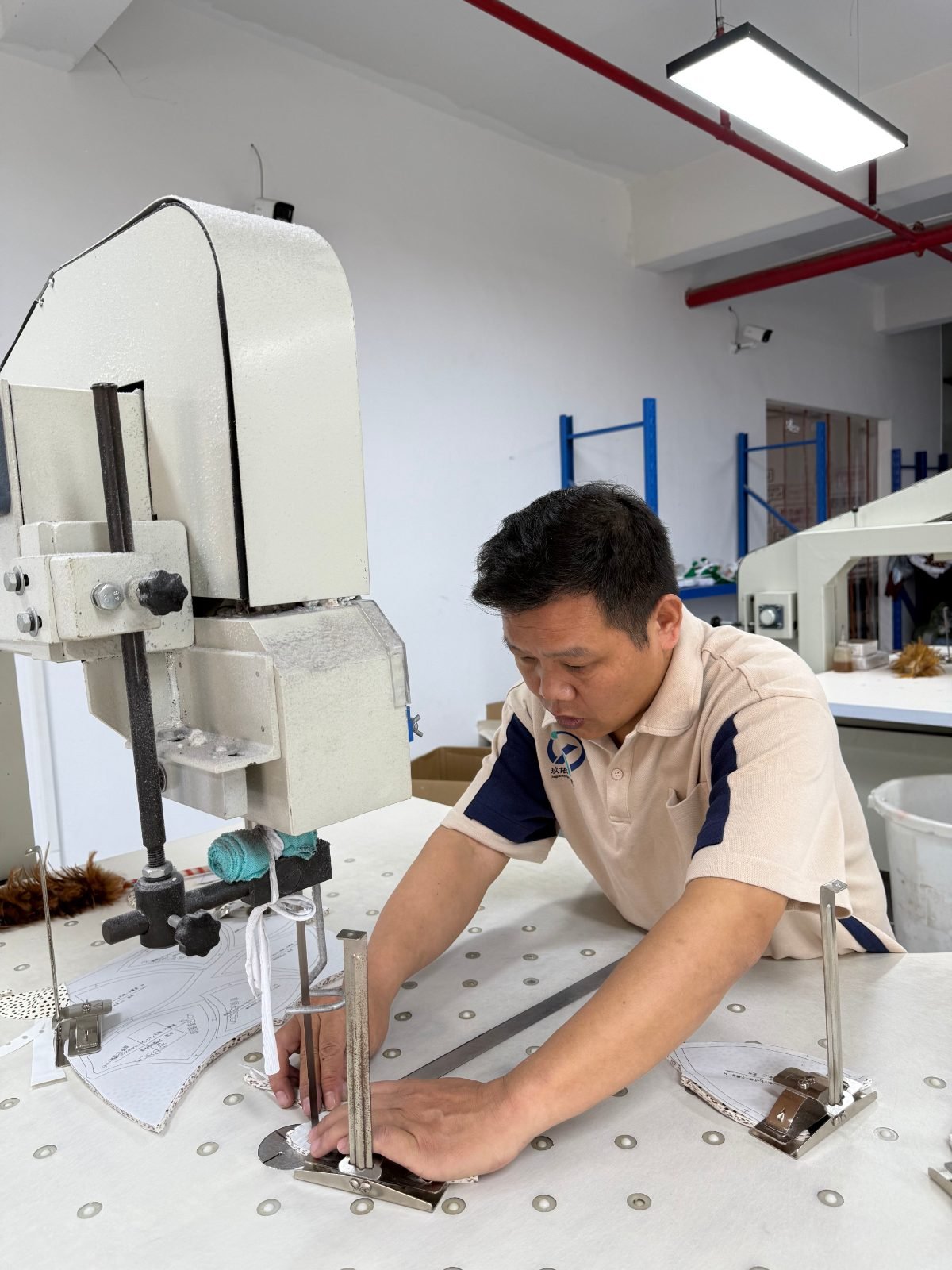
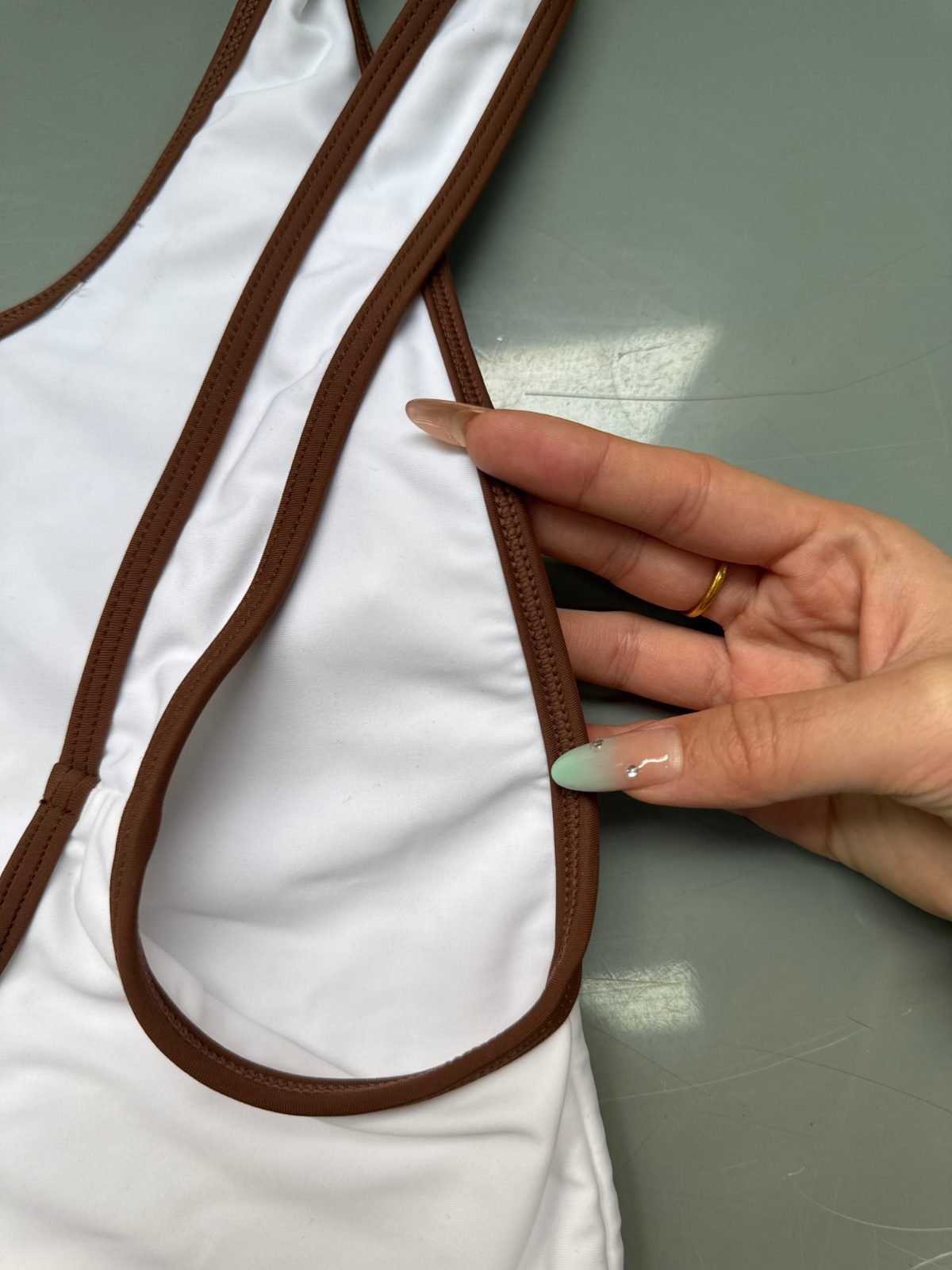
Next, participate actively in the initial sampling phase. This step is essential in verifying material quality and fit. Ask for a sample that meets your design specifications, and conduct a thorough inspection. Look for any inconsistencies in stitching, color, and fabric durability, all of which are crucial in swimwear manufacturing. Keep in mind that sampling sets the standard for your bulk orders.
Establish clear communication channels to facilitate ongoing production. It is advisable to have regular updates and easily accessible points of contact to ensure efficient communication. This helps catch potential issues early, saving time and cost in the long run.
Discuss lead times explicitly with the manufacturer. These can vary depending on the order size, complexity of the designs, and other customization options. Be clear on the dependencies and keep flexibility within your timeline to accommodate any minor delays. This foresight can prevent rush orders, which are often expensive and risk lower quality.
Finally, understand the manufacturer's contingency plans for potential production issues. Whether it’s delays in fabric sourcing or unanticipated quality problems, knowing the backup plans can offer peace of mind. Ask if the manufacturer has strategies in place to address disruptions in the production process. Having a proactive approach at this stage can greatly enhance the reliability of your partnership.
FAQ: Choosing and Working With Swimwear Manufacturers in China
How do I vet a swimwear manufacturer’s sample quality?
Start by reviewing sample pieces for exact specifications, stitching precision, and fabric quality. Pay attention to how seams hold under tension and check for even dye distribution in patterns. Discrepancies at this stage indicate potential issues in production. A reliable manufacturer should willingly provide samples for evaluation. Consider the importance of engaging in a thorough sampling process to ensure product alignment with any supplier you choose.
What should I expect in communication with a Chinese manufacturer?
Effective communication is vital. Ensure the manufacturer responds promptly and comprehensively to inquiries. Language proficiency in English is crucial, as is clarity in terms regarding timelines, costs, and production specifications. Ask for regular updates and confirm they use reliable communication platforms.
How do cultural differences affect the manufacturing process?
Cultural variations can influence business practices. Awareness of different communication styles and holidays is important—Chinese New Year can impact production schedules significantly. Familiarity with these nuances helps in planning and scheduling discussions or orders appropriately.
Can I trust a manufacturer's claim regarding eco-friendly practices?
Request transparency on sourcing and production methods. Manufacturers should provide documentation of eco-friendly practices, such as certifications from recognized bodies like OEKO-TEX. For assurance, ask manufacturers about their commitment to standards that support sustainable fabric sourcing.
What if quality issues arise during production?
Clarify contingency measures upfront. Discuss quality control processes and arrangements for addressing defects or mistakes. Ensure the manufacturer conducts consistent quality checks and offers clear methodologies for resolving issues, avoiding last-minute surprises.
Key Takeaways and Next Steps in Your Manufacturing Journey
Choosing the right swimwear manufacturer requires a thorough assessment of critical factors such as certifications, fabric sourcing, and MOQs. Verifying certifications like OEKO-TEX and GRS is crucial to assure product quality and sustainability. Engage directly with manufacturers, particularly Joysportwear, to align their capabilities with your brand's needs. Tailor your approach to fit strategic goals, whether that involves securing competitive MOQs or ensuring sustainable production standards. Initiate contact for quotes to make informed decisions tailored to your specific requirements.
FAQ: Choosing and Working With Swimwear Manufacturers in China
What certifications should a swimwear manufacturer have?
Look for OEKO-TEX and GRS certifications. OEKO-TEX ensures the fabrics are free from harmful chemicals, while GRS confirms recycled material usage. These certifications indicate a commitment to quality and sustainability.
How do I confirm the quality of fabric sourcing?
Request fabric samples and inquire about sourcing practices. Ensure they meet international standards for sustainability and durability. Verify with independent lab tests when necessary to confirm material quality.
What is a competitive MOQ for swimwear production?
A competitive MOQ varies but should align with your production capabilities. Joysportwear offers flexible MOQs favorable for smaller brands. Discussing terms directly with the manufacturer helps negotiate terms that fit your needs.
How can I manage lead times effectively?
Discuss lead times upfront, clarifying they depend on order size and design complexity. Maintain open communication with your manufacturer for updates and negotiate terms that allow flexibility for unforeseen delays.