
For years, swimwear trends moved toward higher legs, narrower sides, and less coverage. Boyshort swimwear takes the opposite approach.
With a low leg opening and short-like shape, boyshort bottoms offer more coverage around the hips and upper thighs. They feel practical, sporty, and noticeably different from the typical bikini bottom.
Now that boyshorts are returning to swimwear collections, one question matters: are they simply part of the current comfort trend, or do they have enough demand to become a lasting category?
What Is Boyshort Swimwear?
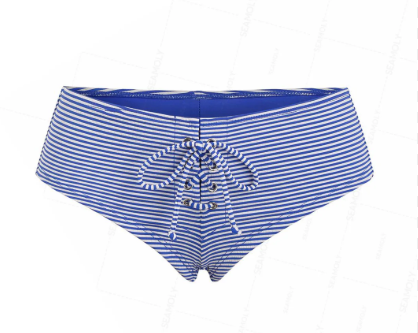
Boyshort swimwear is designed with a wider side seam and a lower leg opening than a standard bikini bottom. Some styles provide only slightly more coverage, while others extend several inches down the thigh.
They can be paired with bikini tops, tankinis, rash guards, or swim tees. Depending on the design, the finished look may feel sporty, retro, modest, or fashion-forward.
Boyshorts should not be confused with loose swim shorts or board shorts. A true swim boyshort normally fits close to the body and uses stretch swimwear fabric.
Why Are Boyshorts Popular Again?
The return of boyshort swimwear is connected to more than one trend. It reflects changes in how customers want swimwear to look, fit, and function.
More Coverage
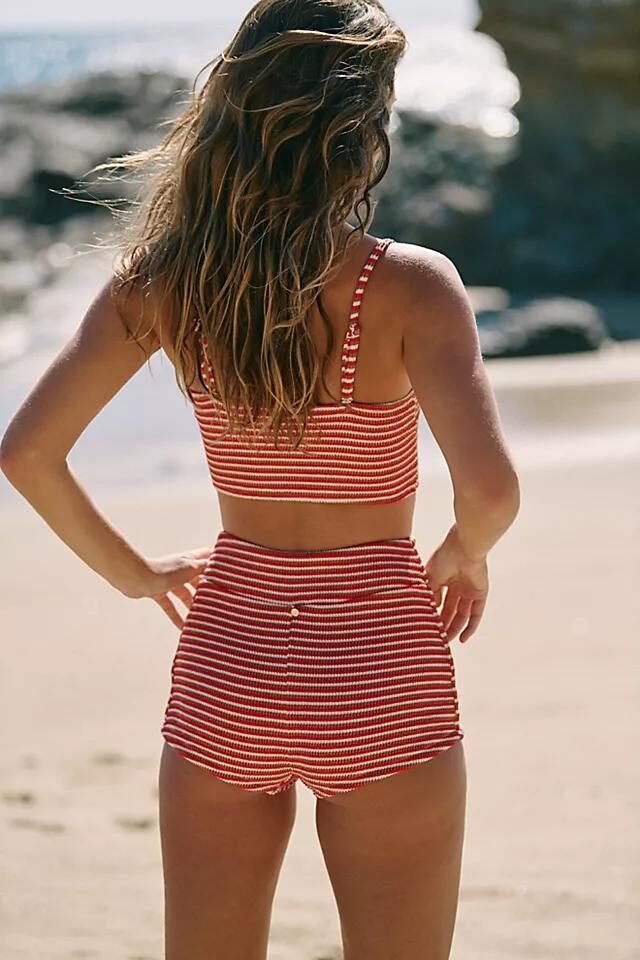
Not every customer feels comfortable in a high-cut or cheeky bikini bottom. At the same time, some do not want the extra volume of a swim skirt.
Boyshorts sit between these two options. They provide more coverage while keeping the silhouette clean and simple.
This makes them especially useful for customers who want to cover the upper thigh, reduce exposure during movement, or feel more secure at the beach.
Comfort Has Become More Important
Customers increasingly expect swimwear to support real activities—not just look good in photos.
A well-designed boyshort can feel secure when swimming, walking, playing beach sports, or looking after children. The wearer does not need to adjust the bottom as frequently as she might with a narrow or cheeky cut.设
However, coverage alone does not guarantee comfort. Poorly shaped leg openings can ride up, while an overly tight waistband can create pressure and visible lines.
Retro Styles Are Returning
Boyshort swimwear also fits the return of 1990s and early-2000s fashion. Straight necklines, contrast piping, sporty cuts, tankinis, and fuller-coverage bottoms are appearing again in modern collections.
The updated version is usually more refined than the original. Higher rises, cleaner seams, textured fabrics, and minimal colors help the style feel current rather than dated.
Customers Want More Choice
There is no single level of coverage that works for every customer.
Some prefer thong and Brazilian bottoms. Others want classic briefs, high-waisted styles, swim skirts, or boyshorts. A stronger swimwear collection recognizes these differences instead of building every bottom around the same body shape and comfort level.
Boyshorts therefore work best as an additional fit option—not necessarily as a replacement for traditional bikini bottoms.
Are Boyshorts Flattering?
Boyshorts can be flattering, but their proportions need careful development.
A completely horizontal leg opening may visually widen the hips or shorten the legs. A slightly angled opening, curved side seam, or shorter inseam can create a lighter silhouette.
The waistband also changes the overall effect. A mid-rise boyshort often feels sporty, while a high-rise version can provide more waist coverage and a stronger retro look.
Fabric matters as well. Thick or heavily compressive materials may feel restrictive around the thighs. Softer fabrics with good stretch recovery usually follow the body more comfortably.
For this reason, boyshorts should be fitted on different body shapes rather than developed by simply extending the legs of an existing bikini bottom.
Design Details That Make a Difference

Small construction decisions can determine whether a boyshort becomes a repeat purchase or a poor-selling style.
Inseam Length
A very short inseam looks closer to a traditional bikini bottom. A longer inseam provides more coverage but has a greater risk of rolling or riding up.
For many commercial collections, a moderate inseam offers the best balance between appearance and function.
Leg Opening
The opening should sit close to the body without cutting into the thigh. Elastic tension must be tested carefully, especially in extended sizes.
If the opening is too loose, it may move in the water. If it is too tight, it can create discomfort and an unflattering line.
Lining
Front lining improves comfort and opacity. Full lining can provide additional support, although it also makes the garment heavier and may increase drying time.
Light colors and printed fabrics should always be tested when wet.
Fabric Recovery
Boyshorts experience more movement and friction around the legs than standard bikini bottoms. The fabric therefore needs reliable stretch recovery.
Chlorine-resistant materials are useful for styles intended for pools, while softer recycled nylon or polyester blends may be more suitable for fashion-focused collections.
Seam Placement
Bulky seams can cause irritation around the inner thigh. Flat seams, smooth elastic application, and clean edge finishing help the garment remain comfortable during movement.
Where Boyshorts Fit in a Swimwear Collection
Boyshort swimwear is unlikely to replace classic bikini bottoms. Its value comes from expanding the collection and reaching customers whose needs are not fully served by high-cut or minimal-coverage styles.
The category is particularly suitable for:
- Sport-inspired swimwear collections
- Tankini and rash guard sets
- Fuller-coverage swimwear
- Plus-size collections
- Family and resort swimwear
- Retro-inspired designs
- Mix-and-match bottom programs
Offering boyshorts as separates can be especially effective. Customers often need different sizes on the top and bottom, and separates allow them to choose the coverage they prefer.
A core black or navy boyshort can also be paired with several printed or solid tops, reducing the need to develop a completely separate set for every design.
Is Boyshort Swimwear Just a Trend?
The current popularity of boyshorts is partly driven by fashion. Retro styling and the move away from extremely revealing cuts have made the silhouette more visible again.
But the need behind the product is not temporary.
Customers will continue to look for swimwear that provides comfort, security, movement, and different levels of coverage. Boyshorts meet those needs in a way that standard bikini bottoms cannot.
That makes boyshort swimwear more than a seasonal trend. It is better understood as a lasting secondary category—one that may rise and fall in visibility but continues to serve a clear customer group.
Final Thoughts
Boyshort swimwear does not need to dominate a collection to be commercially useful.
A small, well-developed range can provide greater fit variety, support active use, and give customers more control over how much coverage they wear. The strongest styles combine practical construction with modern proportions, rather than relying on coverage alone.
The trend may bring customers back to boyshorts, but comfort, versatility, and choice are what can keep the category relevant.