
Swimsuit straps may look like a small design detail, but they have a major effect on fit. Their length, width, placement, and stretch can change how securely a swimsuit sits on the body.
Fixed straps create a clean appearance and stay in place during movement. Adjustable straps offer more flexibility and make it easier to fine-tune support.
Neither option is always better. The right choice depends on the swimsuit style, the level of support required, and the body shapes the design needs to accommodate.
Quick Comparison
Fixed straps are usually better for streamlined designs, athletic swimsuits, and styles that need to remain stable during movement. Adjustable straps are often better for bikinis, supportive swimwear, and styles intended to fit a wider range of body proportions.
Here is a simple comparison:
| Feature | Fixed Straps | Adjustable Straps |
|---|---|---|
| Fit flexibility | Limited | High |
| Appearance | Clean and minimal | More functional |
| Support adjustment | Cannot be changed | Can be personalized |
| Hardware | Usually not required | Rings and sliders required |
| Stability | Very stable when fitted correctly | Depends on strap and hardware quality |
| Production cost | Usually lower | Slightly higher |
| Best for | Athletic and minimal styles | Fit-focused and supportive styles |
What Are Fixed Swimsuit Straps?

Fixed straps are cut to a set length and sewn directly into the swimsuit. The wearer cannot shorten or lengthen them.
They can be narrow and delicate or wide and supportive. Common examples include tank-style straps, racerbacks, cross-back straps, and wide shoulder straps used on athletic one-piece swimsuits.
Advantages of Fixed Straps
The main advantage is stability. Once the strap length and attachment points are correct, the straps remain in the intended position without sliders shifting during wear.
Fixed straps also create a cleaner look. Without visible rings or adjusters, the back and shoulders can appear smoother and less complicated. This works particularly well for minimalist one-piece swimsuits and sporty designs.
They may also feel more comfortable against the skin. There is no plastic or metal hardware pressing into the shoulder, especially when the wearer is lying on a sun lounger or carrying a beach bag.
From a production perspective, fixed straps require fewer components. This can simplify sewing and reduce the risk of broken sliders, twisted hardware, or color inconsistencies between the strap and its accessories.
Disadvantages of Fixed Straps
The biggest limitation is that one strap length cannot fit every body equally well.
Two people may wear the same swimsuit size but have different torso lengths, shoulder slopes, or bust positions. A fixed strap that fits one wearer correctly may feel tight on another or sit too loosely on the shoulder.
If the strap is too short, it can pull the swimsuit upward and create pressure on the neck or shoulders. It may also distort the cup or leg opening. If it is too long, the neckline can sit too low and provide less support.
This means fixed straps require careful pattern development and fit testing. A small error in strap length is difficult for the wearer to correct.
What Are Adjustable Swimsuit Straps?
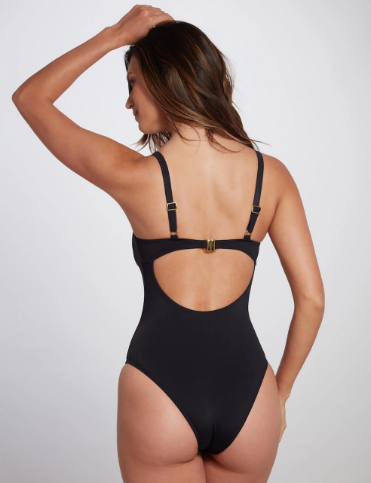
Adjustable straps use rings and sliders to let the wearer change the strap length. Their construction is similar to adjustable bra straps, although swimwear hardware must be suitable for water, salt, chlorine, sunlight, and repeated stretching.
Adjustable straps are common on triangle bikini tops, underwired swim tops, tankinis, and fitted one-piece swimsuits.
Advantages of Adjustable Straps
Adjustability makes it easier to accommodate differences in torso length and bust position. The wearer can shorten the straps for more lift or lengthen them to reduce shoulder pressure.
This does not change the actual cup volume or underbust measurement. However, it can help position the cups correctly and improve how the neckline sits against the body.
Adjustable straps are especially useful in supportive swimwear. Fuller-bust styles often need more control over strap tension because the ideal setting varies from one wearer to another.
They can also reduce fit complaints when a swimsuit is sold across a broad size range. Instead of relying on one fixed strap length for everyone in a size, the design gives each wearer some room to personalize the fit.
Disadvantages of Adjustable Straps
Adjustable straps are only effective when the entire strap system is well designed.
A narrow strap may still dig into the shoulder, even when its length is adjustable. A weak strap elastic may stretch under the weight of a wet swimsuit. Poor-quality sliders can also move during wear, leaving the straps longer than the wearer intended.
Hardware quality matters as well. Rings and sliders must resist cracking, rusting, fading, and deformation. Their inner width should match the strap width closely. If the slider is too large, the strap may slip. If it is too small, adjustment becomes difficult and can damage the fabric.
Adjustable straps also add visual and production complexity. They require more components and additional sewing steps, while exposed hardware may not suit every design.
Which Straps Work Best for Different Swimsuit Styles?
The right strap construction should support the function of the garment rather than being selected only for appearance.
Triangle Bikini Tops
Adjustable straps are generally the more practical choice. Triangle cups can move easily, so controlling the strap length helps the wearer position the cups and neckline.
Tie straps are another option. They offer a wide adjustment range, although long ties may loosen or feel bulky behind the neck.
Athletic Swimsuits
Fixed straps often work better for swimming and active movement. Racerback and cross-back constructions distribute tension across the upper body and are less likely to slip from the shoulders.
However, the strap length must be tested carefully. Excessive tension can restrict shoulder movement, while insufficient tension can allow water to enter through the neckline.
Supportive Swimwear
Adjustable straps are usually preferred, particularly for larger cup sizes. They allow the wearer to fine-tune the position of the bust
The straps should also be wider and stronger. Support should come mainly from the underbust structure, cup construction, and body fit—not from tightening the shoulder straps as much as possible.
One-Piece Swimsuits
Fixed straps suit simple, clean silhouettes. They remove visible hardware and allow the fabric and shape of the swimsuit to remain the main focus.
This option works best when the intended fit is relatively close and the style has already been tested on different torso lengths.
Bandeau Swimsuits
Removable adjustable straps offer the most versatility. The swimsuit can be worn strapless for a clean neckline, then fitted with straps when the wearer wants more security.
The attachment loops need to be reinforced because a small loop may carry considerable tension when the straps are in use.
Strap Width Matters Too
The choice is not limited to fixed versus adjustable. Strap width can be just as important.
Thin straps create a delicate look, but they concentrate pressure over a smaller area. They are generally more suitable for light-support styles.
Wider straps spread pressure across the shoulder and usually feel more comfortable in supportive or extended-size swimwear. However, simply making a strap wider does not guarantee better support. The fabric, elastic, and attachment points must also control stretch.
When developing a size range, strap width may need to increase gradually. Using the same narrow strap across every size can create an unbalanced appearance and reduce comfort in larger sizes.
Strap Placement Can Change the Fit
A strap must connect to the swimsuit in the right position.
If the front attachment is too close to the neck, the strap may create pressure and make the upper body appear narrower. If it is placed too far toward the shoulder, it may slip during movement.如
The back position matters too. Straight straps provide a familiar fit but can fall from sloped shoulders. Cross-back and racerback straps are more secure, although they may create more tension if they are too short.
An adjustable strap cannot fully correct poor placement. It can change the length, but it cannot change the direction in which the strap pulls the garment.
Wet-Fit Testing Is Essential
Swimwear does not behave the same way when dry and wet. Water adds weight, while some fabrics and elastics become more flexible after soaking.
A fixed strap that feels secure during a dry fitting may become loose in the water. An adjustable strap may also slip if the slider cannot hold the wet material firmly.
For this reason, strap development should include both dry and wet testing. You should be checked for:
- Shoulder pressure and strap slippage
- Neckline and cup position
- Stretch recovery after swimming
- Slider movement under tension
- Comfort during arm movement
- Fabric twisting around rings and attachments
Repeated testing is also important. A strap may perform well when new but lose recovery after exposure to chlorine, salt water, heat, and washing.
Conclusion
Selecting the right shoulder straps requires evaluating the entire strap system, rather than just looking for an adjuster. Factors such as strap width, elastic recovery, attachment points, and performance when wet all determine how the swimsuit feels when worn.
Need help developing the right strap construction for your swimwear? Contact us to discuss your design.