
You have probably seen the words Lycra, spandex, and elastane on clothing labels. They often appear on leggings, swimwear, activewear, jeans, and fitted tops. Because these terms are used differently across markets, many people assume they refer to different materials.
Lycra is closely connected to spandex and elastane, but the terms do not mean exactly the same thing. This guide explains what Lycra fabric is, how it works, what it is used for, and what really matters when choosing a stretch fabric.
What is Lycra fabric?
Lycra fabric is a textile blend containing LYCRA® premium stretch fibers. Lycra is a branded version of elastane (spandex) that is always blended with other fibers like cotton, nylon, or polyester. It adds exceptional stretch, shape retention, and comfort to the final garment material.
In commercial textile manufacturing, you will rarely find a garment made of 100% Lycra. Doing so would result in an expensive, heavy, and uncomfortable piece of clothing that feels like a rubber band. Instead, mills mix a small percentage of the fiber into a base material. This process yields a Lycra material that retains the texture and appearance of the primary fiber while gaining advanced elasticity.
Is Lycra the Same as Spandex and Elastane?
From a chemical perspective, Lycra, spandex, and elastane are the same fundamental material. The primary differences lie in regional terminology and trademark branding.
To break down the Lycra vs elastane vs spandex distinctions clearly:
- Elastane is the official generic category name for this specific polyurethane-polyurea copolymer fiber. This term is widely used and legally recognized in Europe, the UK, and Australia.
- Spandex is the generic name used primarily in North America. The word is an anagram of “expands,” which perfectly describes the fiber’s primary attribute.
- LYCRA® is a registered trademark brand of elastane fiber, currently owned by The Lycra Company. It is the most famous brand of elastane in the world, similar to how consumers say “Band-Aid” for an adhesive bandage.
What Is Lycra Made Of?
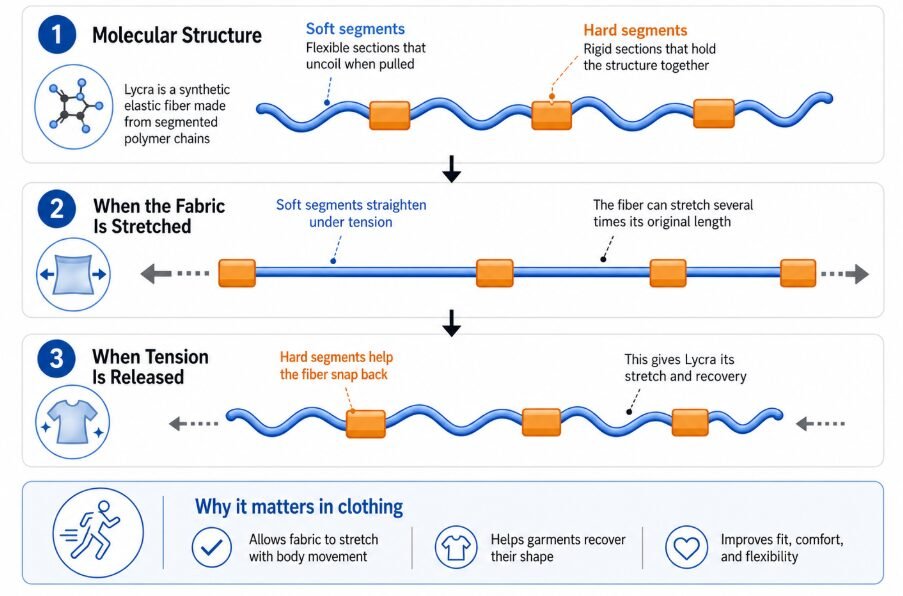
When looking at what is Lycra made of, the answer traces back to synthetic polymer chemistry. The fiber was originally invented in 1958 by scientists at the DuPont company as an alternative to heavy rubber panels in undergarments.
At a molecular level, the fiber is composed of alternating rigid and flexible segments. The long, chain-like molecules contain soft sections that can easily uncoil when pulled. It also contains hard sections that act as anchors, locking the structure together.
When a person pulls the fabric, the soft segments straighten out completely. When the tension is released, the hard segments force the soft chains back into their original curled positions. This unique molecular architecture allows the fiber to stretch up to several times its original length and snap back instantly without damage.
What Are the Main Properties of Lycra?
The primary reason to specify a blend containing this fiber is to enhance the performance of a base textile. By introducing a small amount of stretch yarn into a weave or knit, the overall Lycra fabric properties change dramatically.
High Stretch
This property refers to the ability of a textile to expand significantly beyond its static measurements under tension. For the wearer, this translates to clothing that yields to pressure rather than resisting it. When developing clothing, high stretch allows pattern makers to design slim-fitting, body-conscious silhouettes that still allow a full range of physical motion.
Good Shape Recovery
Shape recovery means the fabric returns exactly to its original dimensions after being stretched out. The wearer experiences garments that maintain their clean lines all day without stretching out or bagging at the knees and elbows.
Better Fit and Body Movement
This property bridges the gap between structured garments and human anatomy. The wearer feels a gentle, uniform hold that contours to their unique body shape without restriction or binding.
Lightweight Performance
You do not need a high concentration of stretch fiber to see an impact. The wearer enjoys enhanced flexibility without added bulk, heaviness, or a synthetic feel against the skin.
How Much Lycra Is Usually Added to Fabric?
The amount of elastic fiber integrated into a textile depends heavily on the intended end use, fabric construction, and desired compression level. There is no single universal rule for stretch percentages.
A high percentage does not automatically make a fabric better. The knitting method, the weight of the yarn, and the structural tension of the weave all play major roles in how the final garment behaves.
| Garment Type | Typical Stretch Requirement | Lycra/Elastane Role |
| Everyday Fitted Clothing | Low to Moderate (2% – 5%) | Prevents bagging, maintains garment shape, and adds comfort to denim or dress shirts. |
| Leggings and Activewear | Moderate to High (8% – 15%) | Provides freedom of movement, prevents sheer spots during deep bends, and ensures a close fit. |
| Swimwear | High (12% – 20%) | Keeps the suit securely against the body when wet and accommodates constant movement. |
| Shapewear | Very High (15% – 30%+) | Delivers firm structural compression, body contouring, and maximum hold. |
What Fabrics Are Blended With Lycra?
Because elastane requires a host fiber, the resulting textile takes on a combination of properties from both materials. Here are the most common industrial blends used in apparel production.
Cotton and Lycra
A cotton Lycra fabric blend combines the breathability, softness, and skin-friendly properties of natural cotton with the flexibility of elastane. This combination solves cotton’s natural tendency to grow, sag, and wrinkle during daily wear. The resulting material is a staple for t-shirts, underwear, loungewear, and stretch denim.
Polyester and Lycra
A polyester Lycra fabric blend is the industry standard for athletic apparel and performance wear. Polyester provides high durability, quick drying times, and excellent resistance to wrinkling. When combined with elastane, the fabric moves seamlessly with the athlete while managing moisture efficiently through the polyester fibers.
Nylon and Lycra
A nylon Lycra fabric blend offers exceptional durability, structural strength, and an ultra-smooth hand feel. Nylon has a natural luster and excellent abrasion resistance. When blended with premium elastane, this material is highly favored for swimwear, cycling kits, dancewear, and high-end athleisure leggings.
Rayon/Viscose and Lycra
Rayon and viscose are semi-synthetic fibers celebrated for their beautiful, fluid drape and silky texture. Adding elastane to rayon prevents the fabric from over-stretching or losing its shape when hung. This blend is highly popular for women’s dresses, soft blouses, and fluid knitwear that requires both drape and flexible comfort.
What Is Lycra Fabric Used For?
The versatile nature of stretch blends means they are utilized across almost every sector of the modern apparel industry. Different Lycra fabric uses require distinct engineering strategies to balance support and flexibility.
Activewear and Athleisure: Gym gear requires multi-directional stretch to accommodate running, jumping, and lifting. The fiber ensures tops and bottoms stay securely in place during intense workouts.
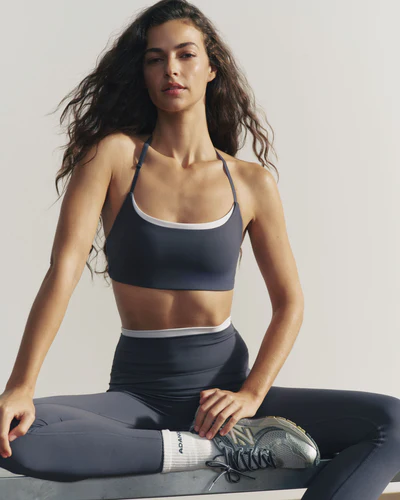
Swimwear: Swimsuits must hold their shape when saturated with water. The stretch fiber ensures the garment hugs the body smoothly without sagging or dragging in the water.

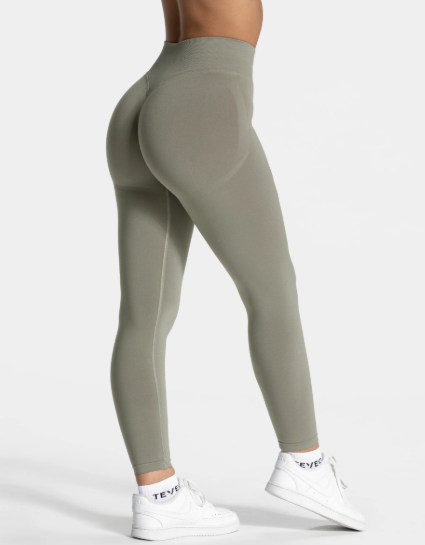
Leggings: Everyday leggings require a precise balance of stretch and recovery. This prevents the fabric from becoming see-through over the glutes and knees while maintaining a smooth look.
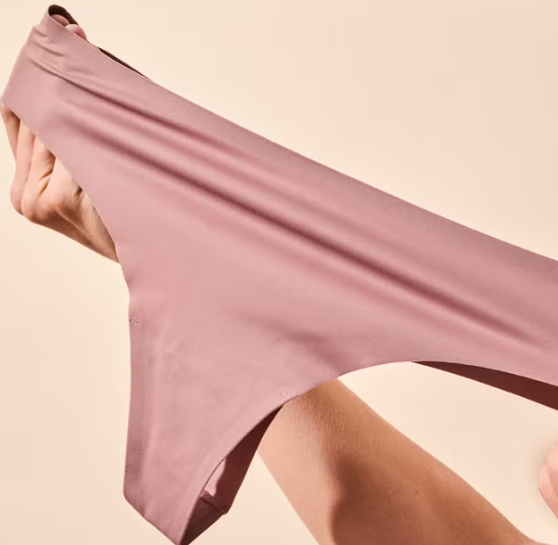
Underwear and Lingerie: Close-to-skin garments utilize low percentages of stretch fiber to create soft, non-binding waistbands and comfortable leg openings that do not dig into the skin.
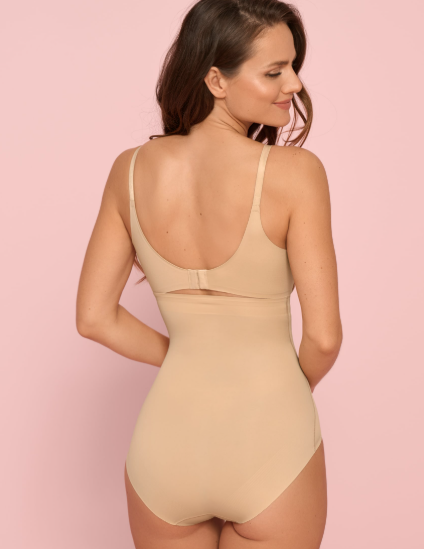
Shapewear: This category relies on high percentages of elastane to physically smooth and sculpt the body silhouette, requiring dense, high-compression knits.
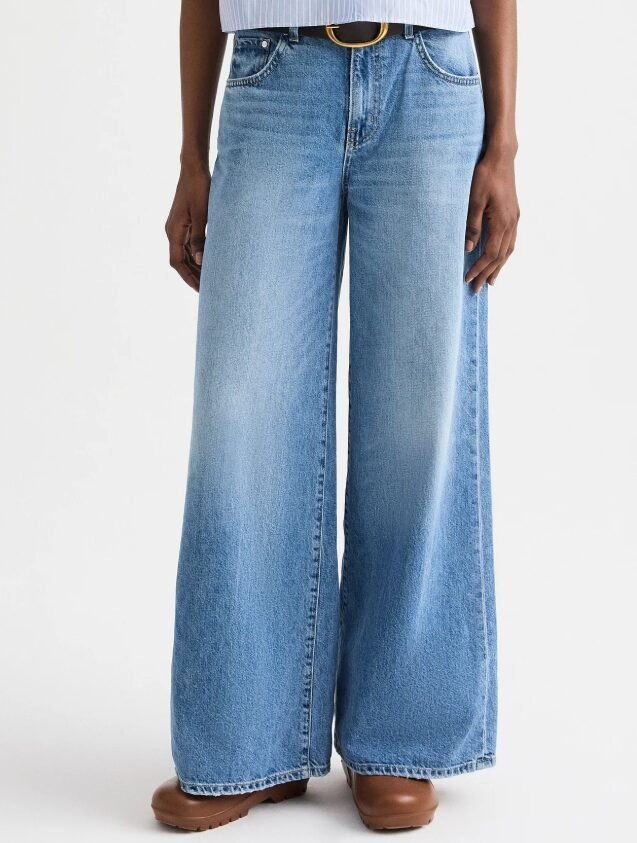
Jeans and Fitted Casual Wear: Modern skinny and slim-fit jeans incorporate stretch to allow the wearer to sit, bend, and walk comfortably in heavyweight denim.
Is Lycra Fabric Fabric Breathable?
No, Lycra fiber itself is not inherently breathable. Because it is a dense, synthetic petroleum-based polymer, air cannot easily pass through the individual elastic filaments.
However, the overall breathability of a finished garment depends entirely on the base fiber, the fabric construction, the weight, and the textile finishing techniques.
For example, a cotton Lycra fabric with 3% stretch will remain highly breathable. This is because the vast majority of the textile consists of natural, porous cotton fibers that allow air to circulate freely. Conversely, a heavy polyester Lycra fabric with 15% stretch and a dense, tight knit will trap much more body heat.
If breathability is a primary requirement for your product line, you may rely on open knitting structures, lightweight yarns, or moisture-wicking base fibers rather than the elastic component itself.
Is Lycra Fabric Waterproof or Chlorine-Resistant?
There is a common misconception that because a fabric stretches or is used in swimwear, it is automatically waterproof or immune to chemicals. This is not true.
An elastane blend does not provide water resistance on its own. If water resistance is required, the finished fabric must be treated with a Durable Water Repellent (DWR) coating or laminated with a specialized waterproof membrane.
Chlorine resistance is another area where performance varies wildly. Standard elastane fibers degrade rapidly when exposed to the harsh chlorine found in swimming pools, leading to a loss of elasticity, thinning, and eventual brittleness.
To combat this,manufacturers will source specialized, chlorine-resistant variations of the fiber—such as LYCRA® XTRA LIFE™—which are specifically engineered to withstand pool chemicals up to ten times longer than standard unprotected elastane.
What Are the Advantages and Disadvantages of Lycra?
Like any textile component, incorporating premium stretch fibers into your production run comes with trade-offs.
Advantages
- Enhanced Mobility: Allows for tight, tailored clothing designs that do not restrict physical movement.
- Excellent Recovery: Prevents garments from permanently warping, bagging, or stretching out over time.
- Comfort Optimization: Softens the rigidity of stiff base fabrics like denim or heavy twills.
- Aesthetic Preservation: Helps garments maintain their original designed fit and silhouette through dozens of laundry cycles.
Disadvantages
- Heat Sensitivity: High temperatures from irons, hot water washes, or commercial dryers melt and destroy the elastic cores, causing the fabric to lose its stretch permanently.
- Chemical Vulnerability: Regular exposure to body oils, sunscreens, chlorine, and fabric softeners will break down the polymer chains over time.
- Testing Complexity: Stretch fabrics are more volatile during manufacturing, requiring precise shrinkage, tension, and stretch-recovery testing prior to cutting.
- Recycling Difficulties: Garments made from blended fibers (such as cotton-elastane mixes) are significantly harder to recycle mechanically compared to 100% pure monomaterials.
How to Choose the Right Lycra Blend for Clothing
When choosing a stretch material for your clothing line, avoiding the temptation to simply pick the highest elastane percentage is a key best practice. More stretch does not equal a better garment. Instead, analyze your specific product requirements through a structured development lens.
First, determine if your garment requires two-way stretch (stretching only horizontally from selvage to selvage) or four-way stretch (stretching both horizontally and vertically). Jeans usually only require two-way stretch, whereas performance leggings always demand four-way stretch.
Second, consider the fabric weight and density. Two fabrics can both list 10% elastane on the label but perform completely differently. A lightweight, loosely knit fabric will feel incredibly soft but offer zero support. A heavyweight, tightly woven fabric with the exact same 10% blend can provide firm, medical-grade compression.
Finally, clearly the expected washing and wearing conditions for the fabric. Request detailed test reports covering metrics such as elongation, modulus (the force required to stretch the fabric), and recovery rate to ensure your product line performs excellently in actual use.
Conclusion
LYCRA® is a branded elastane fiber used to improve stretch and recovery. What people commonly call Lycra fabric is usually a blend that combines elastic fiber with another material such as cotton, polyester, or nylon.
The best stretch fabric is not necessarily the one with the highest elastane percentage. Good performance comes from the right balance of fiber content, construction, weight, stretch, recovery, and end use.
People Also Ask (FAQs)
Does Lycra fabric shrink when washed?
Lycra fibers themselves do not shrink from water, but the base fibers they are blended with (like cotton or rayon) can shrink significantly. Additionally, high heat from a dryer can damage the elastic fibers, causing them to snap and alter the garment’s shape permanently.
What is the difference between Lycra and polyester?
Polyester is a durable, wrinkle-resistant synthetic fiber used as the main body of a fabric. Lycra is an elastic synthetic fiber added to fabrics in small amounts solely to provide stretch and recovery. They are frequently blended together to create flexible, high-performance athletic apparel.
Can you iron garments containing Lycra?
You must exercise extreme caution when ironing fabrics containing elastane. High heat can easily melt the elastic fibers, destroying the fabric’s stretch and leaving shiny or scorched marks. If ironing is necessary, use the lowest synthetic heat setting and place a pressing cloth between the iron and the garment.
Is Lycra a sustainable material?
Standard Lycra is a synthetic, petroleum-based polymer, meaning it is not biodegradable and contributes to microplastic pollution. However, modern manufacturing has introduced eco-friendly alternatives, such as certified recycled elastane made from pre-consumer waste, to help reduce environmental impact.