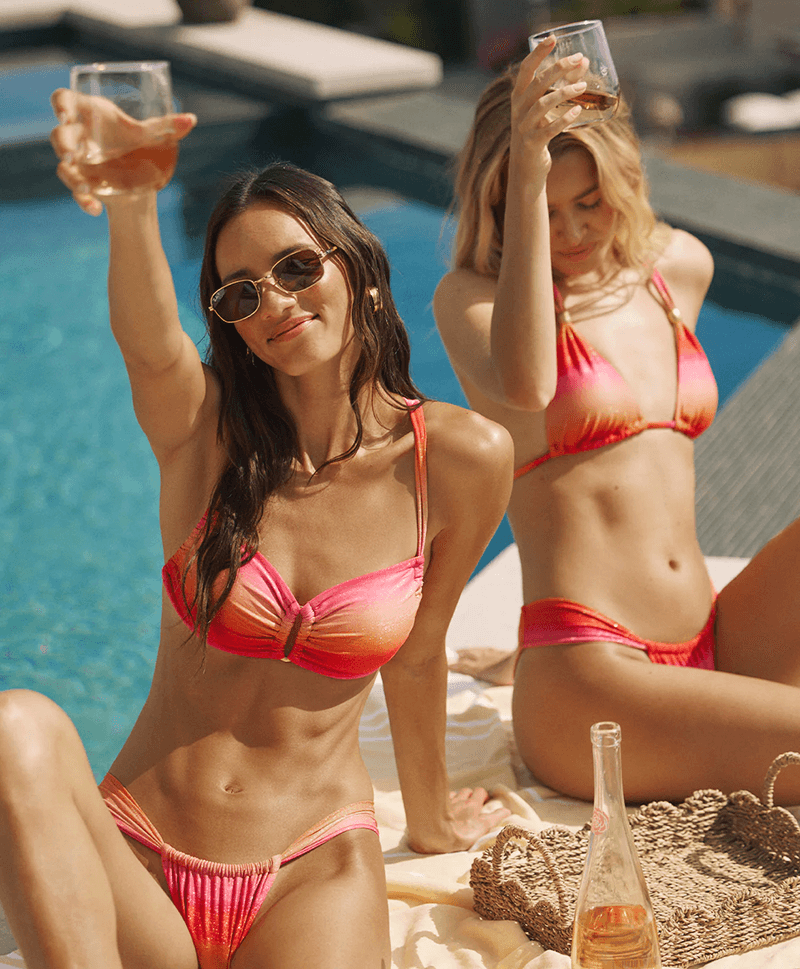
Every summer, many face the decision between a one-piece swimsuit and a bikini. This choice sits at the intersection of fashion, functionality, and personal confidence.
With design innovations, body positivity movements, and high-tech fabric advancements, swimwear has evolved from basic “swimsuits” into bold fashion statements.
Whether you’re planning an intense surfing session or a lazy afternoon by the pool, choosing between a one-piece swimsuit and a bikini isn’t just about how much skin you want to show—it’s about how you want to experience your summer.
One-Piece Swimsuit:The classic, sophisticated
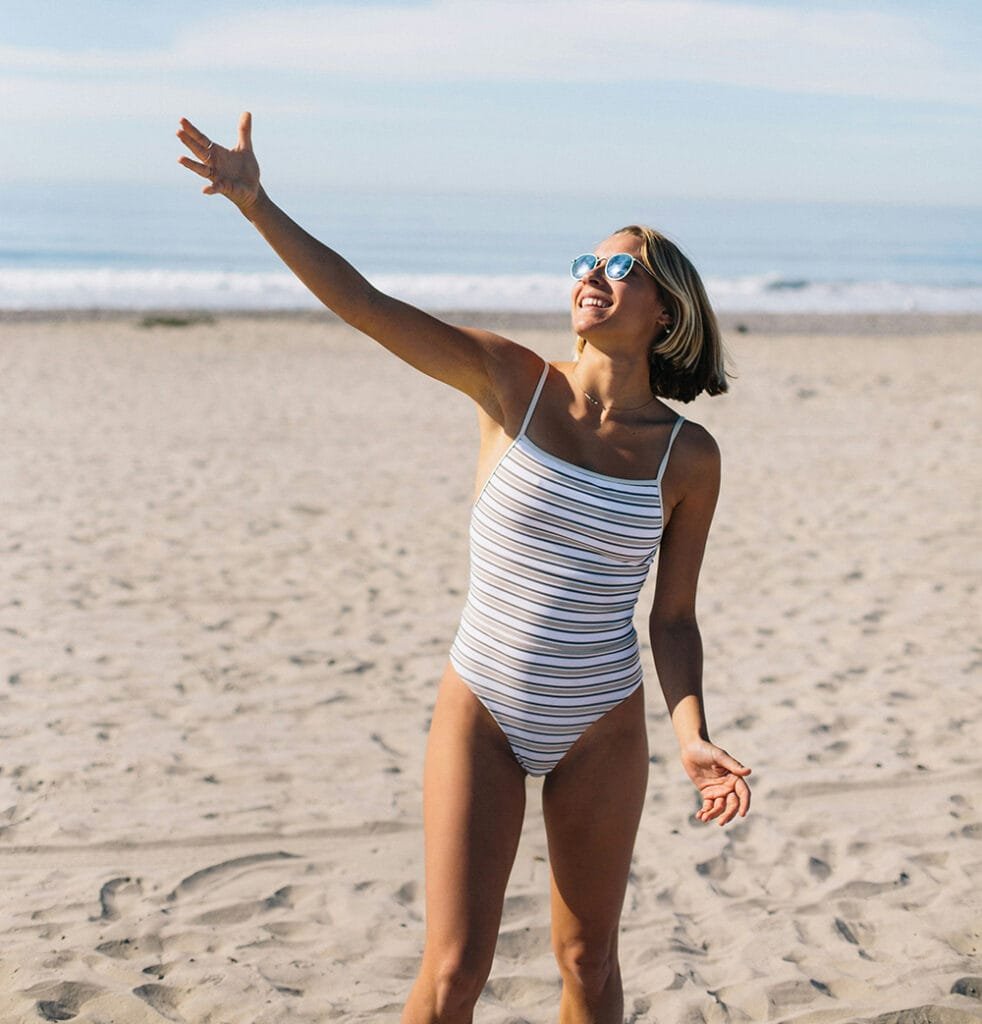
For a long time, one piece swimsuit were categorized as either “conservative” or ‘athletic’ wear. They were the clothes you wore when circling the track at your local gym or trying to “hide” something. Those days are officially over.
Elegant Silhouettes
The modern one-piece is a masterclass in silhouette. From plunging necklines and daring backless designs to architectural cut-outs (often called monokinis), the one-piece offers a level of sartorial drama that a bikini often lacks. There is a certain “Old Hollywood” glamour associated with a sleek, well-fitted one-piece—think Grace Kelly or Elizabeth Taylor.
It creates a continuous line that can elongate the torso and provide a polished, “put-together” look that transitions effortlessly from the beach to a seaside café.
Functionality and Freedom
If your idea of a beach day involves beach volleyball, surfing, or diving into waves, the one-piece is your best friend.
There is an inherent security in a single garment; you don’t have to worry about a rogue wave claiming your bikini top or having to constantly “re-adjust” after every movement. For the active traveler, the one-piece provides a “set it and forget it” peace of mind.
The Versatility Factor
One of the biggest professional style “hacks” for a one-piece is its ability to double as a bodysuit. Pair a high-quality, solid-colored one-piece with a pair of high-waisted linen trousers or a flowy maxi skirt, and you have an instant outfit for dinner. This makes it a powerhouse for minimalist packers who want to save suitcase space.
Bikini:The daring, sun-loving

Since Louis Réard introduced the bikini in 1946 (naming it after the Bikini Atoll, where atomic tests were conducted, because he expected the reaction to be “explosive”), it has remained the ultimate symbol of summer freedom.
The Practicality of the Tan
Let’s be honest: one of the primary reasons many choose a bikini is the tan lines—or lack thereof. If your goal for the summer is to achieve a sun-kissed glow, the bikini offers the most “real estate” for the sun.
With adjustable straps and minimal coverage, you can ensure your tan is even and your “lines” are kept to a minimum.
The “Mix and Match” Advantage
One of the most frustrating aspects of swimwear shopping is that many of us are different sizes on the top and bottom. The bikini solves this brilliantly.
You can buy a medium top and a large bottom, ensuring a perfect fit that a one-piece sometimes struggles to provide. Furthermore, the “mix and match” trend allows you to get creative. You can pair a floral top with a solid bottom, effectively creating four different outfits out of two bikinis.
Style Variety
The bikini isn’t just one style; it’s a category. You have:
- The Triangle: The classic, adjustable minimalist look.
- The Bandeau: Perfect for avoiding tan lines on the shoulders.
- The High-Waist: A nod to retro 1950s style that offers more tummy coverage while keeping the two-piece vibe.
- The Underwire: Providing the support of a traditional bra for those with larger busts.
Key Decision Factors
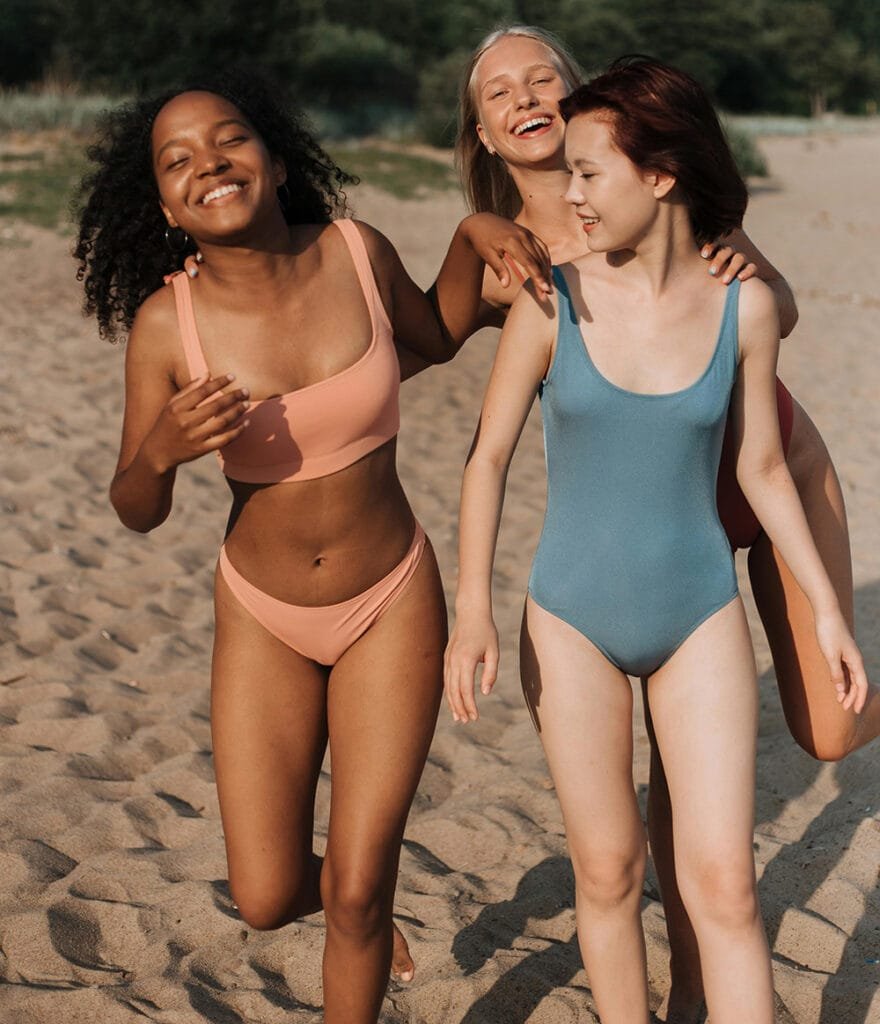
When choosing, don’t worry about “rules.” Instead, focus on these three pillars: Activity, Tanning, and Comfort.
1. What’s the Agenda?
Ask yourself: What am I actually doing?
- The Lounger: If you’re spending 90% of your time on a sun lounger with a book, the bikini (specifically a bandeau or triangle) is the winner.
- The Athlete: If you’re snorkeling, paddleboarding, or playing with kids/dogs, a one-piece or a high-performance sports bikini is the way to go.
- The Socialite: If the day involves a boat party or a beach club, a monokini with hardware details or a bold, structured bikini top acts as the centerpiece of your fashion statement.
2. The Tanning Strategy
If you’re someone who burns easily or prefers to stay pale, a one-piece provides more surface area of UV protection (though you still need SPF!). Conversely, if you live for those golden-hour photos and want a seamless tan, the bikini is the clear victor.
3. The “Comfort” Psychology
Comfort is subjective. For some, “comfort” means feeling secure and held in, which points toward a one-piece with compression fabric. For others, “comfort” means not having wet fabric against their stomach and feeling the breeze on their skin, which points toward a bikini.
Breaking the Myths
Myth: “One-pieces are for older women.”
Reality: Some of the most “daring” and high-fashion swimwear on the runways today are one-pieces. With high-cut legs that channel the 80s “Baywatch” aesthetic and intricate lacing, the one-piece is a favorite among Gen Z and Millennials alike.
Myth: “You need a flat stomach for a bikini.”
Reality: This is outdated thinking. High-waisted bikini bottoms are incredibly stylish and provide a “tucked-in” feel while still offering the perks of a two-piece. Fashion is about expression, not meeting a specific measurement.
Trending Now: The Best of Both Worlds
If you still can’t decide, 2026 has brought us some “hybrid” options that bridge the gap:
- The Long-Sleeve Bikini/One-Piece: “Surf-chic” is in. These pieces offer maximum sun protection and a sporty, cool-girl aesthetic that works regardless of the piece count.
- The Monokini: A one-piece with such significant cut-outs that it looks like a bikini from the back but offers the structural “pop” of a one-piece from the front.
- The Tankini: A two-piece that offers the full coverage of a one-piece. This is perfect for people who want the convenience of a two-piece (easier for bathroom breaks!) but the modesty/coverage of a full suit.
Frequently Asked Questions
Which is better for swimming laps?
A one-piece is superior for fitness swimming. It reduces drag and stays securely in place during flip turns and vigorous strokes.
Is a bikini easier for travel?
Bikinis take up less physical space in a carry-on and dry faster than one-pieces because there is less fabric. However, a one-piece saves space by doubling as a top for evening wear.
Which provides better support?
Generally, a one-piece offers more overall compression. However, for specific bust support, an underwire bikini top is often more effective than a standard non-wired one-piece.
Can I wear a bikini if I’m active?
Yes, but look for “sports” cuts. Racerback tops and drawstring bottoms are designed to stay put during high-impact activities.
What is the most “timeless” look?
A solid black one-piece or a classic triangle bikini in a neutral tone never goes out of style. These are the safest investments for a long-term wardrobe.
Conclusion
Ultimately, choosing between a one-piece swimsuit and a bikini comes down to personal preference. Whether you’re after the coverage and support of a one-piece or the freedom and flair of a bikini, both styles have a place in your swimwear collection.
At Joy Sportwear, we strive to create designs that cater to every body type and brand style. Whatever you choose, it’s all about feeling confident, comfortable, and ready to enjoy the water in your own way. So take your time and pick the one that makes you feel your best—because that’s what really matters!