At first glance, kids’ swimwear might seem pretty straightforward. But once you dive into building a collection, things get a lot more interesting! You need to consider age ranges, comfort, sun protection, swim lessons, chilly water needs, and, of course, what parents are looking for.
If you’re a swimwear brand or retailer thinking about launching a kids’ line or expanding an existing one, understanding the key styles can really help you design, merchandise more effectively, and steer clear of those expensive sampling missteps.
Quick guide: the 12 types at a glance
| Type | Advantage | Key design details | Best for |
|---|---|---|---|
| 1) Classic One-Piece | Secure fit; modest coverage | Comfortable straps, soft leg elastics, full/partial lining, good stretch recovery | Girls/tweens; pool + beach; active swimming |
| 2) Long-Sleeve Swimsuit | Strong sun protection; fewer pieces to lose | Front/back zipper with guard, high neckline, flatlock seams, UPF-rated fabric | Beach holidays; outdoor pools; sun-safe brands |
| 3) Kids Bikini Set | Flexible mix-and-match; easy bathroom breaks | Age-appropriate coverage, secure straps/bands, soft lining | Tweens; fashion-led lines; resort wear |
| 4) Tankini Set | More coverage than bikini | Longer/secure hem, optional shelf lining, adjustable straps, secure bottom rise | Families wanting coverage; tween customers |
| 5) Swim Dress / Skirted Swimsuit | Modesty + “cute factor” | Skirt length that stays put, built-in bottom, full lining, anti-ride-up construction | Boutique brands; modest markets |
| 6) Rashguard | UV + abrasion protection | UPF fabric, flatlock seams, snug cuffs, secure waistband; optional half-zip | Surf/water sports |
| 7) Swim Tee/Swim Shirt + Trunks Set | Easy, casual fit; broad size tolerance | Quick-dry fabric, mesh-free comfort options, relaxed cut, elastic waist | Boys’ core category; mass retail; vacation basics |
| 8) Boys’ Briefs | Less drag and quicker drying | Triangular appearance,Secure, comfortable waistband | Swim lessons, training |
| 9) Swim Trunks (Kids) | High-volume staple; easy to merchandise | Elastic waist, internal lining choice (mesh vs soft brief), bar-tacks, safe drawcord length | Boys’ swim; retailers building core assortment |
| 10) Jammers | Performance feel; reduced drag; stays put | Compression fit, chlorine-resistant fabric, lined front, sturdy waistband | Swim lessons; competitive-inspired lines; older kids |
| 11) Kids Wetsuit / Neoprene Thermal Suit | Thermal swimwear | 1.5–3mm neoprene, sealed seams where needed, long zip with guard, ergonomic panels | Cold water; swim schools |
| 12) Swim Nappy | Pool-compliance; essential for babies | Snug leg/waist seals, adjustable snaps (reusable), quick-change design, soft lining | Babies/toddlers; swim classes; parent-focused brands |
12 Essential Types of Kis’s Swimwear
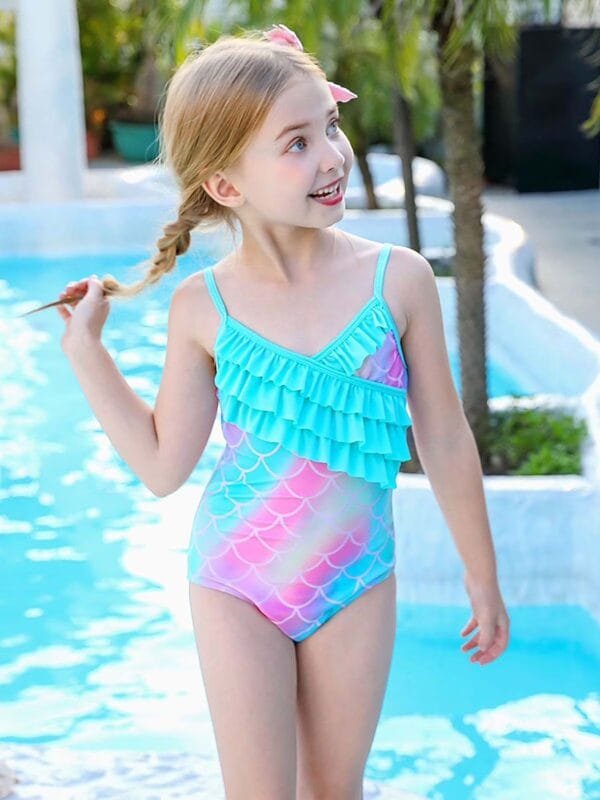
1) One Piece Swimwear for Kids
Definition
A single-piece swimsuit covering the torso, typically with shoulder straps.
Main design details
- Strap shape (straight, cross-back) for stability
- Soft leg elastics to prevent digging
- Partial or full lining for comfort and modesty
- Balanced stretch + recovery to reduce bagging after wear
Advantages / performance
- Secure fit for active swimming and play
- Easy for parents to manage and for retailers to stock as a core item
- Works well for prints and color-blocking
Best suited for
Core girls’ assortment, pool days, beach holidays, swim lessons (non-competitive).
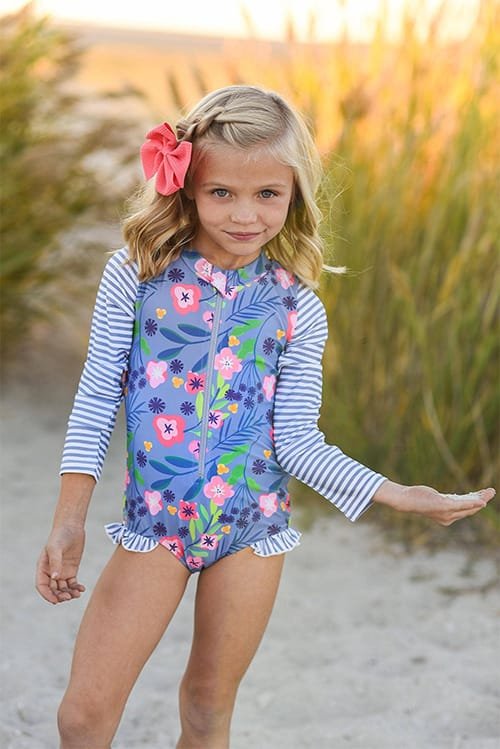
2) Long-Sleeve One-Piece (Sun Suit )
Definition
A one-piece with long sleeves designed for extra coverage; often made in sun-protective fabrics (when certified).
Main design details
- Front or back zipper with a protective zipper garage/guard
- Higher neckline and longer torso coverage
- Flatlock seams to reduce rubbing
- Optional lined body with unlined sleeves for comfort and stretch
Advantages / performance
- Strong sun coverage and less need for reapplying sunscreen to covered areas
- Premium “functional” feel that supports higher price points
- Great for outdoor-focused brand storytelling
Best suited for
Outdoor pools, beach travel, water sports families, sun-safe collections.
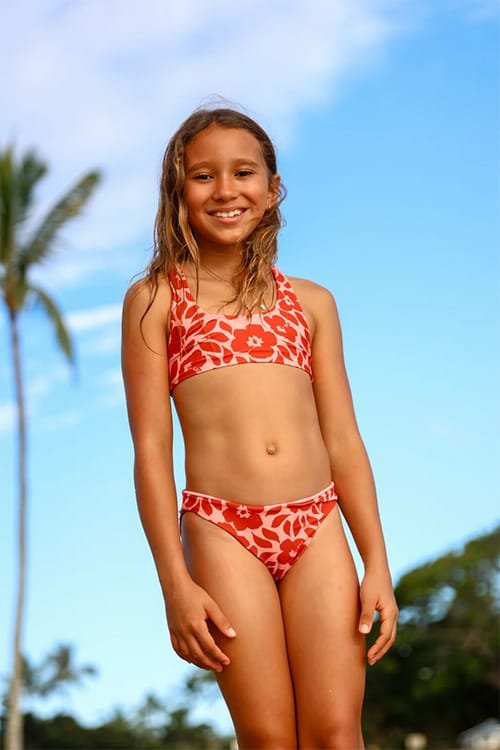
3) Kids Bikini Set
Definition
Two-piece set: top + bottom. In kids ranges, it’s typically designed with more coverage and stability than adult bikinis.
Main design details
- Secure underband and straps (avoid flimsy ties for younger kids)
- Age-appropriate neckline and bottom rise
- Soft lining and clean elastic finishing
- Optional adjustable straps for longer wear across growth spurts
Advantages / performance
- Easy bathroom breaks and quick changes
- Mix-and-match opportunities for repeat purchases
- Strong in resort and fashion capsules
Best suited for
Tweens, warm-weather destinations, fashion-led drops.
4) Tankini Set
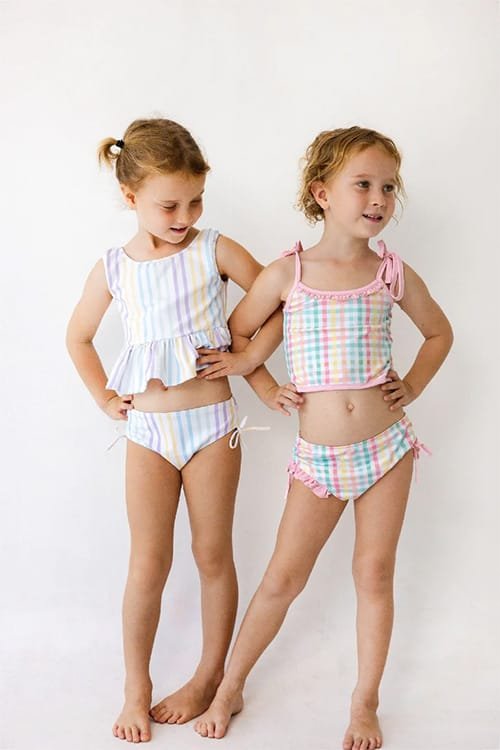
Definition
A tank-style swim top paired with a separate bottom.
Main design details
- Longer top length with a hem that stays put (or gentle elastic at hem)
- Adjustable straps for fit flexibility
- Optional inner lining or light support (age-appropriate)
- Coordinated bottoms with secure waistband
Advantages / performance
- “More coverage” alternative that still feels like a two-piece
- Parent-approved while still tween-friendly
- Flexible sizing and good merchandising as a set
Best suited for
Mainstream retail assortments, brands balancing coverage and style.
5) Swim Dress / Skirted Swimsuit
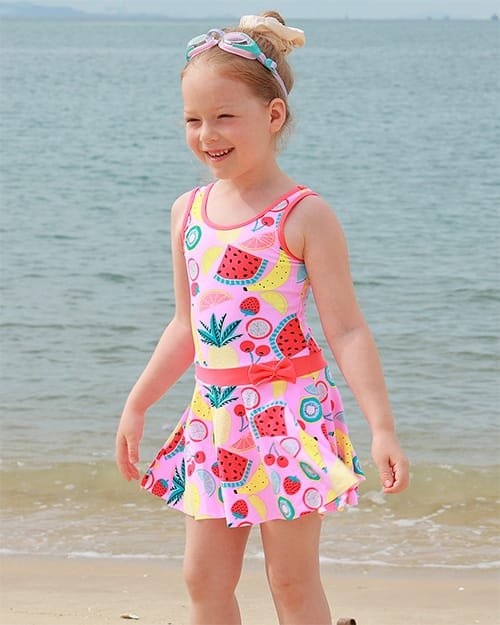
Definition
A one-piece (or tankini) with an attached skirt overlay.
Main design details
- Built-in bottom under the skirt (important for movement)
- Skirt length and weight that won’t float up excessively
- Full lining for comfort and modesty
- Stable straps to prevent slipping when wet
Advantages / performance
- High perceived value (“cute factor”) and strong gifting appeal
- Offers a modesty option without looking overly “technical”
- Differentiates your range from basic swim racks
Best suited for
Boutiques, modest-leaning markets, younger girls’ collections.
6) Rashguard Top + Bottom Set
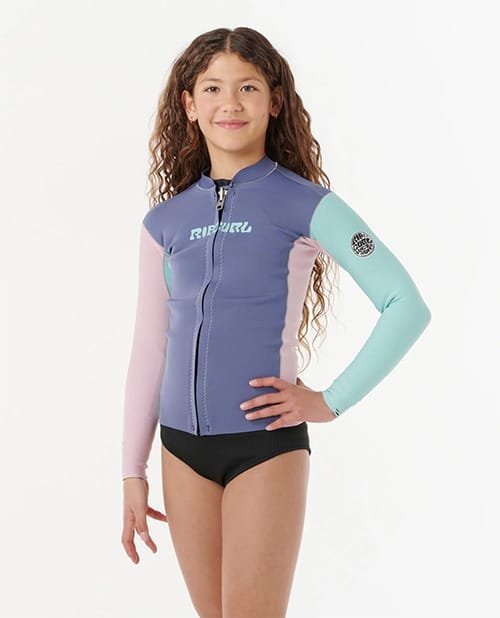
Definition
A fitted rashguard top paired with briefs or swim shorts.
Main design details
- UPF-rated fabrics (where certified) and durable stitching
- Flatlock seams and smooth underarm construction
- Snug cuffs/hem to reduce ride-up
- Bottom options: brief, short, or skirted short for different markets
Advantages / performance
- Sun and abrasion protection (sand, surfboards, pool edges)
- Strong unisex potential and easy “set” merchandising
- Performs well in beach and water-sport regions
Best suited for
Beachwear brands, surf-inspired lines, family matching sets.
7) Swim Tee / Swim Shirt + Trunks Set
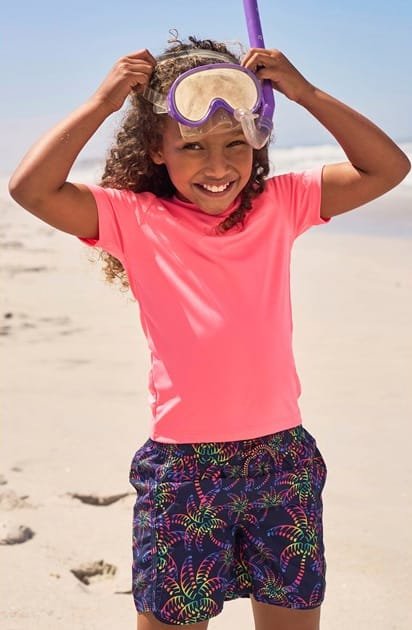
Definition
A looser swim top paired with trunks; more casual than a fitted rashguard.
Main design details
- Relaxed silhouette with lightweight, quick-dry fabric
- Comfortable neckline binding and non-chafing seams
- Trunks with elastic waist and thoughtful lining choice
- Print placement that reads well on a looser body
Advantages / performance
- Broad fit tolerance (helps reduce size returns)
- Easy entry-level set that sells on convenience
- Great for large graphic prints and bold branding
Best suited for
Everyday kids swim, mass retail, vacation basics.
8) Boys’ Briefs
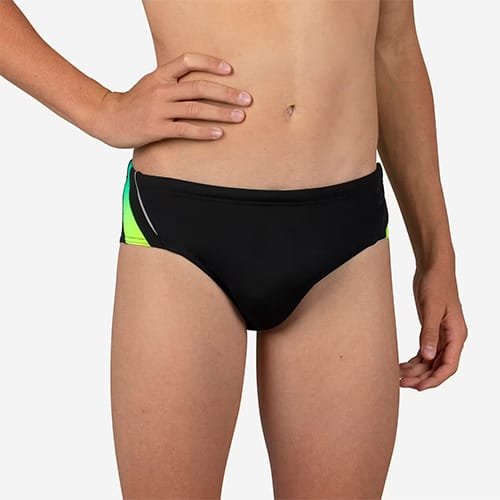
Definition
A close-fitting, short-cut swim bottom (brief style) designed for secure movement and minimal bulk.
Main design details
- Secure, comfortable waistband (with optional internal drawcord; keep drawcord length and finishing safe and tidy)
- Front lining for comfort and modesty
- Smooth elastic finishing at legs to prevent digging
- Chlorine-resistant fabric options for pool-heavy use; strong stretch recovery to prevent bagging
Advantages
- Excellent freedom of movement for swimming and lessons
- Less drag and quicker drying than looser shorts
- Easy to layer under board shorts for a 2-in-1 coverage option (and reduces chafing for some kids)
Best suited for
Swim lessons, training/competitive-inspired assortments, hot-weather markets, regions where briefs are a common boys’ swim stylekets.
9) Swim Trunks
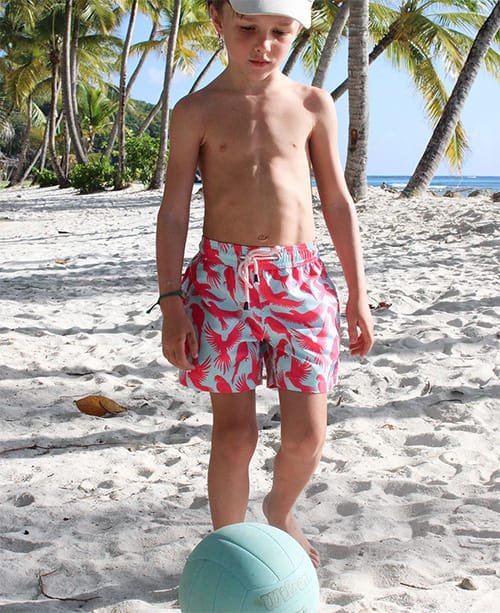
Definition
Classic mid-length swim shorts—often the highest-volume boys’ style.
Main design details
- Elastic waistband comfort + secure fit
- Lining choice: mesh vs soft brief lining (comfort-driven brands often prefer softer options)
- Reinforced seams and bar-tacks at stress points
- Practical pocketing (optional) without bulk
Advantages / performance
- Easy to sell, easy to replenish, core year after year
- Wide price-tier flexibility through fabric and trim upgrades
- Ideal base for prints and seasonal color updates
Best suited for
Core boys’ swim programs, retailers building dependable assortments.
10) Jammers for Kids
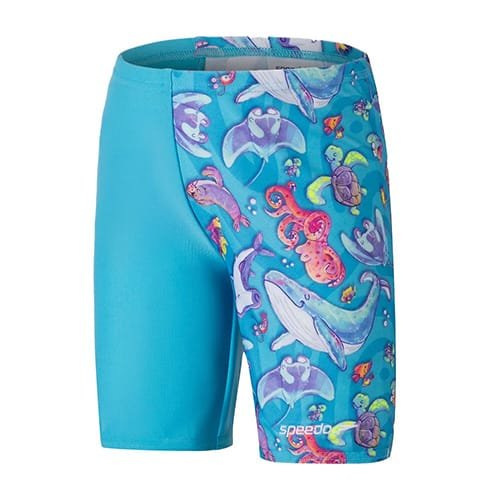
Definition
Knee-length, close-fitting swim shorts with a performance look.
Main design details
- Compression-friendly fit with strong stretch recovery
- Chlorine-resistant fabric options for pool-heavy use
- Front lining and stable waistband
- Seam placement that avoids rubbing behind knees
Advantages / performance
- Streamlined feel for lessons and training
- Durable option that families repurchase for pool routines
- Clear functional differentiation from fashion swim
Best suited for
Swim lessons, team training-inspired collections, older kids.
11) Kids Wetsuit / Neoprene Thermal Suit
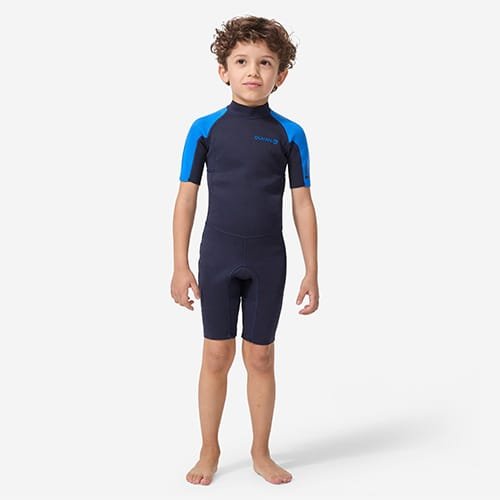
Definition
A neoprene suit designed to keep kids warmer in cold water or shoulder seasons.
Main design details
- Neoprene thickness (commonly 1.5–3mm depending on market)
- Seam construction that prioritizes comfort against skin
- Long zipper with protective backing and guard
- Ergonomic paneling for easier movement
Advantages / performance
- Extends swim season and supports premium pricing
- Popular with swim schools, coastal markets, and holiday destinations
- Adds a functional “hero product” to your range
Best suited for
Cold-water regions, swim schools, surf communities, shoulder-season travel.
12) Swim nappy
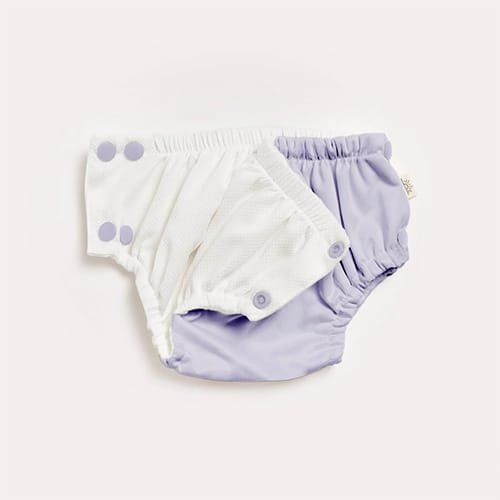
Definition
Swim-specific diaper solution designed for babies/toddlers in pools.
Main design details
- Snug waist/leg seals to help contain accidents
- Quick-change features (snaps for reusable styles)
- Soft inner lining for comfort
- Clear sizing guidance for parents (reduces returns)
Advantages / performance
- Essential category for baby swim and lessons
- Strong repeat purchase potential (growth + multiple units)
- Practical product that builds trust with parent shoppers
Best suited for
Baby/toddler ranges, swim lesson programs, parent-focused assortments.
What “high quality” means in kids swimwear
- Comfort-first construction: soft elastics, smooth seam finishes, chafe-aware seam placement
- Fit stability when wet: strong stretch recovery, secure straps, stable waistbands
- Smart lining strategy: lining where needed for comfort/modesty without overheating
- Durable fabrics: chlorine resistance for pool-heavy markets; colorfast prints for sun/salt exposure
- Safety-aware details: avoid overly long or unsafe cords; ensure trims won’t scratch or catch
- Reliable sizing: clear grading and consistent measurements across styles
FAQs
Toddlers usually do best in easy-on, secure styles like rashguard sets, long-sleeve sun suits, classic one-pieces, and elastic-waist trunks.
Tweens tend to prefer more “grown-up” options like tankinis, coverage-led bikinis, board shorts, and jammers, with adjustable straps/waists to handle growth spurts.
For kids’ swimwear, the best all-around choice is usually a polyester ((or rPET))+ spandex (elastane) blend—it holds up better to chlorine, sunlight, and repeated washing while still staying stretchy and comfortable.
Conclusion
Understanding the key categories of kids’ swimwear is essential for designing with purpose. It’s all about ensuring the right coverage, fit, and function that align with how kids really move in the water. For brands and retailers, this clarity means better product assortments, fewer returns due to fit issues, and happier parents who feel confident buying your products again.
When you’re ready to bring your concept to life, Joysportwear is here to help every step of the way. From choosing the perfect fabrics and trims to sampling, grading, and bulk manufacturing, we’ll make sure your kids swimwear line is not only comfortable and durable but also a hit with customers.