
Have you ever noticed that some swimsuits feel smoother, stretch better, or last longer? The secret often lies in the stitching. Beyond just holding the pieces together, stitching defines how your swimwear performs — from comfort and flexibility to shape retention and longevity.
For swimwear designers, brands, mastering stitch techniques is essential to creating products that meet both fashion and functional expectations.
Let’s explore the key types of stitches used in professional swimwear manufacturing and how each contributes to the overall quality of your designs.
5 Essential Stitching Techniques in Swimwear Manufacturing
1. Zigzag Stitch
Best for: Seams and edge finishing
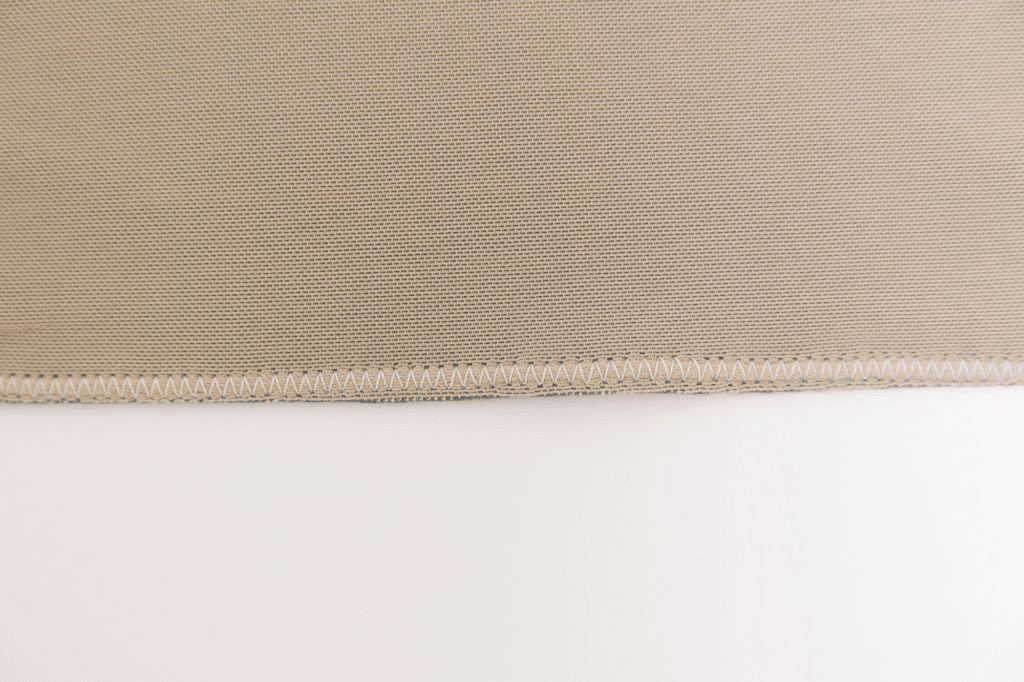
The zigzag stitch is a classic technique in swimwear production. Its flexibility allows the thread to move with the fabric — ideal for stretchy materials like Lycra, spandex, or nylon blends.
Why it’s important:
When your customer dives, stretches, or relaxes, the zigzag stitch ensures the swimsuit moves naturally with the body. It prevents seam breakage and keeps the garment’s shape intact even after long hours in the sun or pool.
Pros:
- Excellent stretch recovery and movement adaptability
- Simple and versatile — works on hems, waistbands, and armholes
- Cost-effective for large-scale production
Cons:
- May weaken over time in highly stretched areas
- Requires careful tension control to avoid seam waviness
2. Overlock Stitch (Serger Stitch)
Best for: Joining fabric edges and preventing fraying
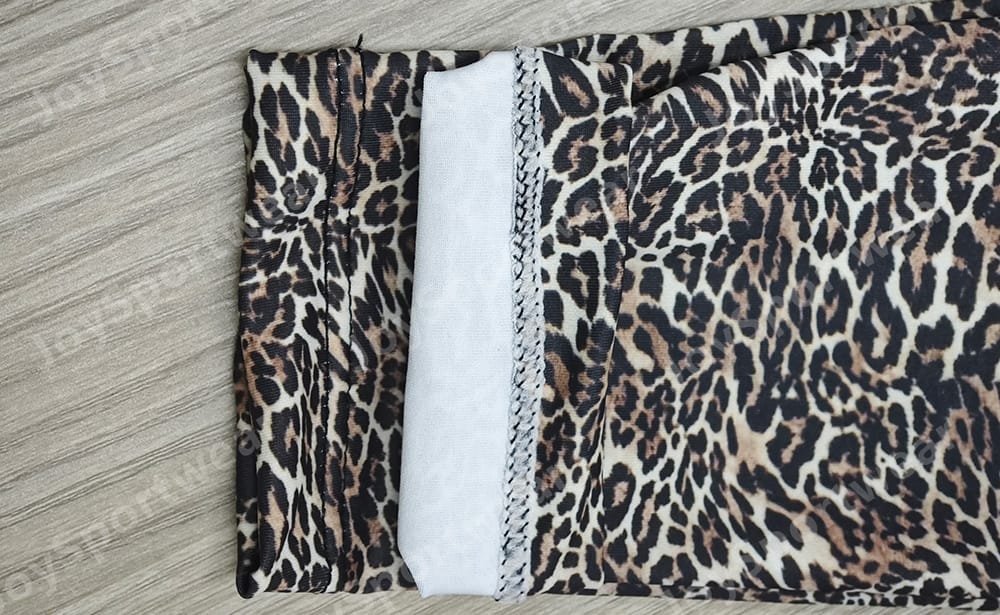
The overlock stitch trims and sews the edge simultaneously, sealing the fabric layers securely. It’s one of the most common stitches seen in the inner seams of swimwear.
Why it’s important:
It provides a neat, durable finish and prevents fraying — a must for fabrics constantly exposed to salt, sun, and chlorine. The overlock also adds a touch of professionalism to internal seams.
Pros:
- Strong, resilient seams
- Smooth edge finishing that prevents unraveling
- Compatible with stretch fabrics and curved edges
Cons:
- Can feel slightly thick inside the garment if not finely adjusted
- Visible seams may affect the sleekness of minimalist designs
3. Flatlock Stitch
Best for: Performance and seamless comfort
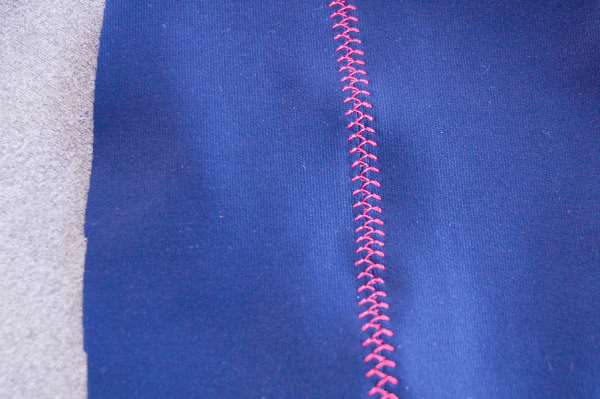
Flatlock stitching joins two pieces edge-to-edge, lying flat against the skin. It’s often found in activewear and high-performance swimwear.
Why it’s important:
This stitch reduces chafing and adds elasticity — perfect for surf suits, rash guards, and competitive swimwear. It creates a stylish “flat seam” detail that enhances both appearance and comfort.
Pros:
- Smooth, irritation-free interior
- Reinforced durability for sports use
- Visually appealing decorative lines
Cons:
- Requires specialized machinery
- More time-consuming than basic seams
4. Coverstitch
Best for: Hemming and elastic finishes
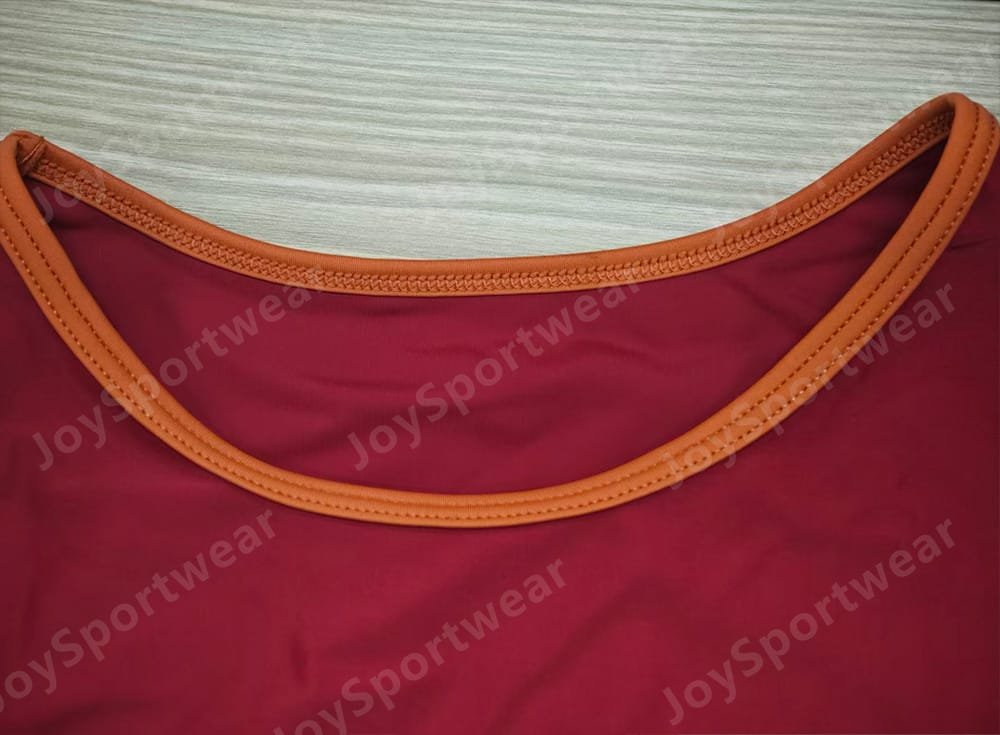
The coverstitch is applied from the outside to lock hems securely while maintaining flexibility. It’s widely used on leg openings, waistlines, and sleeve hems.
Why it’s important:
Besides giving a polished, professional look, the coverstitch ensures elasticity at the most movement-intensive areas of the swimsuit. It prevents seams from popping during stretching.
Pros:
- Clean, double-row finish
- Maintains stretch and fit consistency
- Adds a premium appearance to the garment
Cons:
- Can unravel if one thread breaks
- Requires higher-end machinery and skilled operators
5. Seamless Bonding
Best for: Premium swimwear and minimalist aesthetics
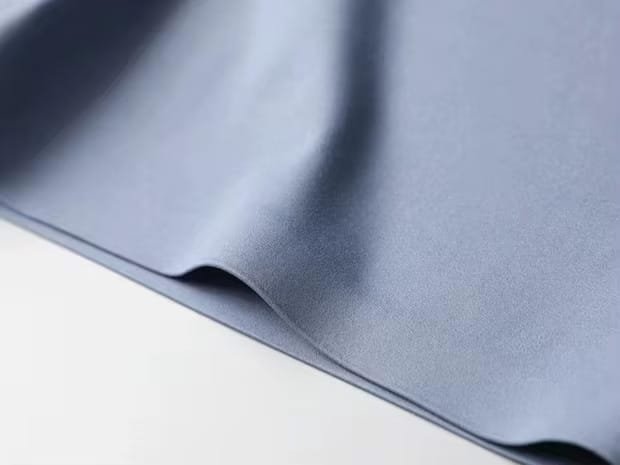
Instead of stitching, seamless bonding uses heat or adhesive to fuse fabric pieces together. This modern technique provides a smooth, second-skin effect and eliminates bulk.
Why it’s important:
Seamless technology enhances comfort and reduces drag in water — ideal for luxury collections and performance swimwear.
Pros:
- Ultra-smooth surface with no visible seams
- Lightweight and comfortable to wear
- Reduces chafing and enhances hydrodynamics
Cons:
- Costlier due to specialized bonding equipment
- Repairs can be more complex if bonding fails
Why Stitching Quality Defines Your Swimwear
In the competitive world of swimwear manufacturing, fabric and design often get all the attention — but stitching quality is what truly determines how a swimsuit performs, fits, and lasts. High-quality stitching doesn’t just make the garment look neat; it directly affects durability, comfort, and overall brand perception.
Durability
Swimwear is constantly exposed to stress — from body movement to saltwater, chlorine, and UV rays. Poor stitching causes seams to pop or unravel after only a few wears, while well-constructed stitches hold strong through every stretch and splash.
Comfort
No one wants swimwear that digs into the skin or causes irritation. Smooth, even stitching such as flatlock or seamless bonding prevents chafing and ensures a soft touch against the skin.
This comfort factor is especially vital for active swimwear used in surfing, diving, or water sports, where every seam must support flexible movement.
Perfect Fit and Function
A swimsuit’s fit depends heavily on how it’s sewn. The right stitching technique ensures that elasticity and tension are evenly distributed across the garment.
This prevents sagging, seam distortion, or overstretching — maintaining the original silhouette and support, even after hours of use.
Brand Identity
Well-executed stitching adds to the visual appeal of swimwear. Neat zigzag seams, decorative coverstitches, or invisible bonded seams all communicate craftsmanship and attention to detail — qualities that modern consumers associate with premium brands.
Cost and Production Considerations
Every stitch affects the overall workflow — from labor time and machine requirements to material waste and long-term quality. Understanding these factors helps brands strike the right balance between price and performance.
Time vs. Efficiency
- Zigzag and overlock stitches are quick to apply, making them cost-effective for high-volume manufacturing.
- Flatlock and coverstitch, on the other hand, require specialized machines and more operator skill, slightly increasing production time and labor costs.
Material Utilization and Waste Reduction
- Overlock stitching trims and seals edges in one pass, reducing excess fabric.
- latlock seams join edges without overlap, saving fabric while maintaining strength.
Quality vs. Price Balance
While basic stitching can lower production costs, it may affect the garment’s durability or comfort over time. Investing in premium stitches leads to fewer customer complaints, returns, and replacements — ultimately improving brand reputation and profitability.
Long-Term Value
Stitching quality isn’t just a production detail — it reflects your brand’s commitment to craftsmanship. High-end finishes like seamless bonding and flatlock stitching communicate luxury and attention to detail. This perception allows your brand to command premium pricing and build long-term loyalty.
Sustainability & Innovation
From using eco-certified threads to adopting smarter machinery, sustainability and innovation now go hand in hand in professional swimwear production.
Eco-Friendly Materials
Today’s manufacturers are moving toward recycled or biodegradable threads, often made from recycled polyester (rPET) or certified sustainable fabric.
These materials maintain the same strength and elasticity as conventional options but reduce the overall carbon footprint.
Energy-Efficient
Stitching efficiency isn’t just about speed — it’s also about sustainability.
Modern industrial sewing machines feature energy-saving motors, automatic thread trimming, and programmable controls, all designed to reduce waste and energy consumption.
Bonding and Laser Technology
Innovative technologies like laser cutting and seam bonding are redefining how swimwear is assembled.
- Laser cutting:allows ultra-precise fabric edges, reducing fraying and waste.
- Heat bonding:replaces traditional stitching in certain designs, providing a seamless, second-skin look
These methods not only deliver a futuristic appearance but also enhance the swimwear’s performance in terms of stretch, comfort, and water resistance — perfect for high-end or luxury collections.
Conclusion
In swimwear manufacturing, stitching isn’t just a technical detail — it’s the backbone of quality and design. The right combination of stitch types determines how your collection performs, feels, and looks.
At JoySportwear, we use advanced stitching techniques, sustainable materials, and precise craftsmanship to create swimwear that looks stunning and lasts season after season. Whether you’re launching your first swimwear brand or expanding an existing line, our production experts ensure every seam meets international quality standards.