
As the global swimwear market pivots toward a circular economy, sourcing sustainable fabrics for swimwear collections has transitioned from a niche marketing trend to a core supply chain requirement. For designers, the challenge lies in balancing environmental ethics with the high-performance demands of aquatic environments—specifically chlorine resistance, UV protection, and shape retention.
At the manufacturing level, we see that a successful sustainable line depends less on “green” labeling and more on the technical synergy between recycled fibers and elastane blends. This guide breaks down the essential criteria for selecting materials that satisfy both eco-conscious consumers and rigorous quality standards.
Recycled Polyamide vs. Recycled Polyester
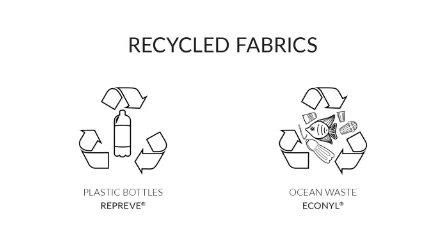
In swimwear production, two primary recycled synthetics dominate the market. Understanding their technical differences is crucial for positioning your collection correctly.
Econyl® and Recycled Nylon (Polyamide)
Recycled nylon, most notably Econyl®, is sourced from abandoned fishing nets, fabric scraps, and industrial plastic. From a manufacturer’s perspective, Econyl is often the preferred choice for premium swimwear. It mirrors the characteristics of virgin nylon: a soft hand-feel, excellent stretch, and a subtle sheen. It is particularly effective for fashion swimwear where drape and comfort are paramount.
REPREVE® and Recycled Polyester (rPET)
REPREVE®, made from post-consumer plastic bottles, is the industry standard for recycled polyester. While polyester historically had a firmer hand-feel, modern knitting techniques have made it remarkably soft. Polyester-based sustainable fabrics are generally more resistant to chlorine and hold vibrant digital prints better than nylon, making them ideal for competitive swimwear and high-impact graphic collections.
Technical Performance Metrics
A fabric may be sustainable, but if it loses elasticity after three months, it fails the longevity test—a key pillar of true sustainability. When evaluating swatches, we prioritize three technical factors:
- Chlorine Resistance: Ensure the fabric utilizes LYCRA® XTRA LIFE™ or similar high-performance elastanes. These are engineered to resist fiber breakage caused by pool chemicals, extending the garment’s life by up to 10 times compared to unprotected spandex.
- UV Protection (UPF 50+): Sustainable fabrics must maintain a tight knit structure to block 98% of UV rays. This is a functional requirement for the Australian and North American markets.
- Weight and Opacity: For swimwear, a weight between 180gsm and 220gsm is standard. Lower weights risk transparency when wet, while higher weights can become heavy and slow to dry.
Certifications That Matter
In a landscape prone to “greenwashing,” third-party certifications are your brand’s best defense. As a manufacturer, we provide documentation for the following:
- Global Recycled Standard (GRS): This tracks the recycled material from the source to the final product, ensuring social and environmental requirements are met at every stage.
- OEKO-TEX® Standard 100: This guarantees that the finished fabric is free from harmful substances, which is critical for skin-contact apparel like swimwear.
- Ocean Bound Plastic (OBP) Certification: For brands focusing on marine conservation, sourcing fabrics made specifically from plastic recovered near waterways provides a powerful storytelling element.
Manufacturing Considerations for Sustainable Lines
Transitioning to sustainable fabrics involves more than just swapping rolls of cloth. It requires adjustments in the cutting and sewing process:
- Digital Sublimation Printing: To remain eco-friendly, we recommend digital printing over traditional screen printing. It uses significantly less water and allows for lower MOQs (Minimum Order Quantities) on recycled polyester bases.
- Microplastic Mitigation: High-quality recycled knits are constructed to minimize fiber shedding. We advise brands on specific construction techniques—such as finished seams and heat-sealing—to enhance durability.
- Elastic and Trims: To create a truly circular product, consider using recycled rubber for elastics and biodegradable or recycled metal hardware for buckles and adjusters.
Frequently Asked Questions
Typically, yes. Recycled fibers currently carry a premium of 10% to 20% due to the complexity of the recycling process. However, this is often offset by the increased market value and brand loyalty generated by eco-conscious positioning.
No. The colorfastness of a fabric depends on the dyeing process and the quality of the pigments used, not whether the base fiber is recycled or virgin. Our recycled ranges meet Grade 4-5 colorfastness standards for both salt water and UV exposure.
Absolutely. Recycled polyester is frequently used in professional training suits because of its excellent compression properties and resistance to chlorine degradation.
Conclusions
Selecting sustainable fabrics is no longer just an ethical choice—it is a technical requirement for modern brands. By balancing certified recycled fibers like Econyl® or REPREVE® with high-grade elastanes, you can deliver a product that meets both environmental standards and the rigorous demands of the water.
As a manufacturing partner, we help you bridge the gap between sustainability goals and commercial durability, ensuring your collection performs as well as it looks.
Ready to transition your next collection to recycled materials? We can provide technical specs and GRS-certified fabric options tailored to your designs.