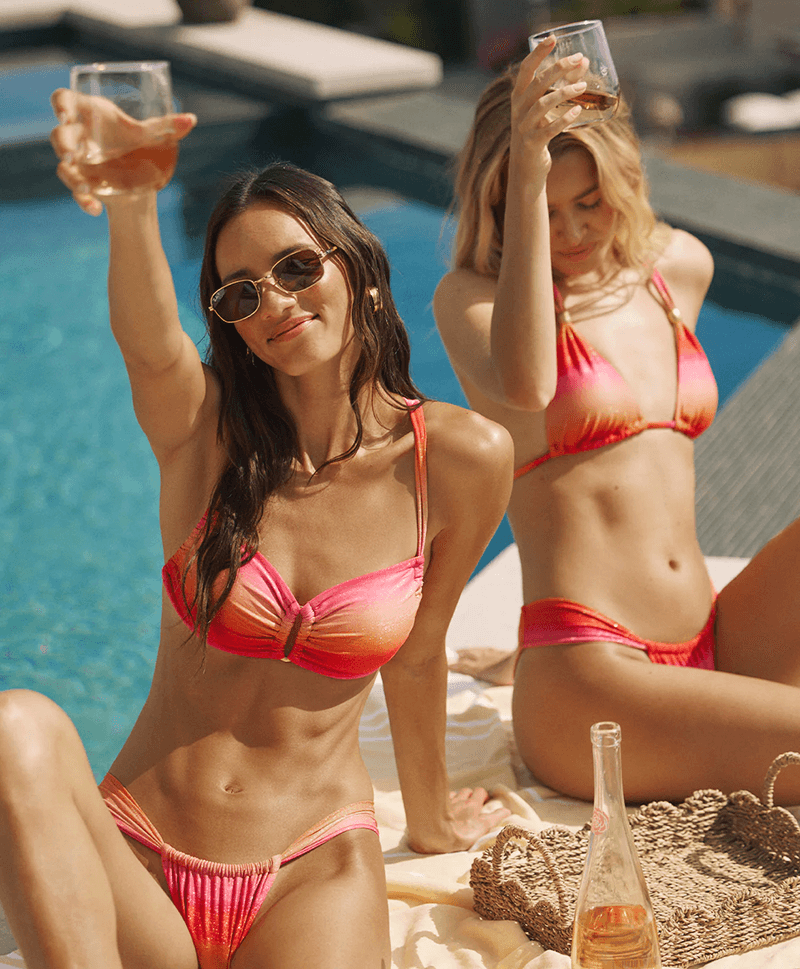
Crochet bikinis have moved from a small boho niche to a steady, global trend. They show up at beach clubs, music festivals, island resorts and on social media every summer. For many swimwear brands, adding a crochet capsule collection is a simple way to stand out from standard lycra styles.
If you are planning to develop crochet bikinis for your brand in 2026, you need to think about more than just “cute designs.” Fit, yarn choice, lining, production methods and minimum order quantities all matter.
This guide walks you through what you should know before you start working with a crochet bikini manufacturer.
What is a crochet bikini?
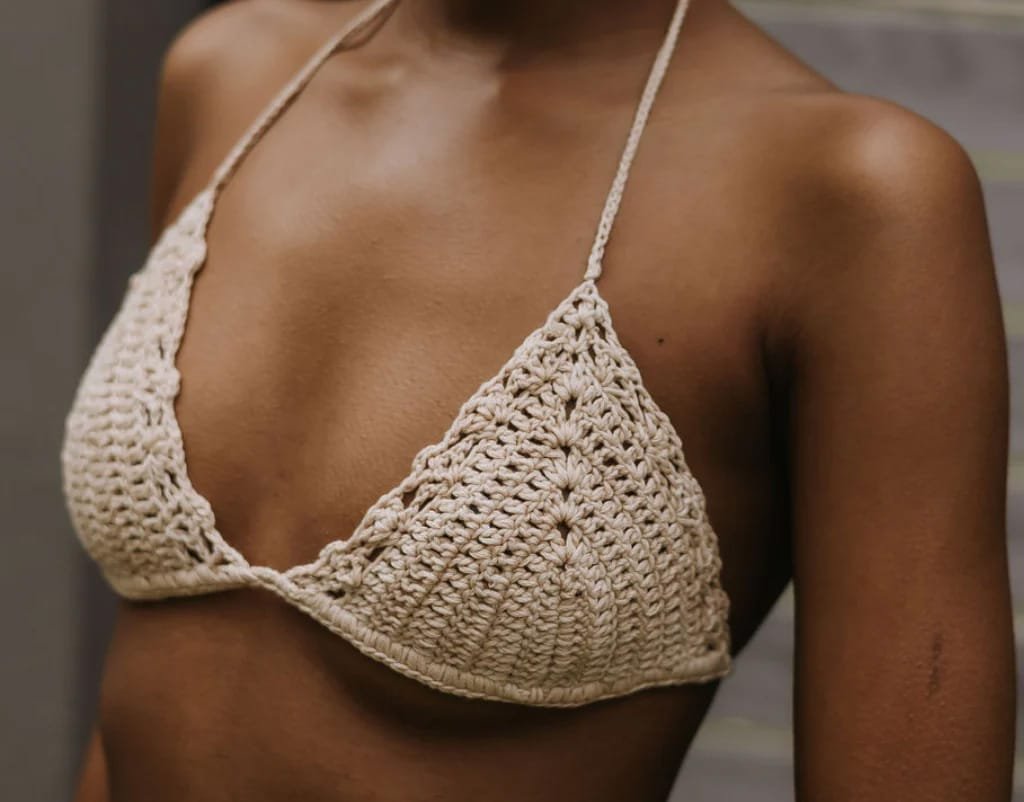
A crochet bikini is a bikini made with crochet techniques or crochet-effect materials, where loops of yarn are interlocked to create a textured fabric. It can be:
- Fully hand-crocheted (true crochet, often artisanal)
- Partially crocheted (for example, crochet cups or trims on a standard swim fabric base)
- Crochet-look fabric created by knitting machines or jacquard textures that mimic hand crochet
Compared with a standard bikini:
- The fabric usually has larger openings and less uniform stretch
- It can feel more structured and “crafted” than a smooth swim knit
- It tends to read as more premium, artisanal, and fashion-forward
For brands, the crochet bikini sits at the intersection of swimwear and handcraft, often used as a statement piece in a collection rather than a basic.
Design considerations for crochet bikini collections
When designing a crochet bikini for a brand, treat it as a special product type, not just a print change.
1.Silhouettes and coverage
Popular crochet bikini silhouettes include:
Triangle tops with ties (easier fit, less grading complexity)
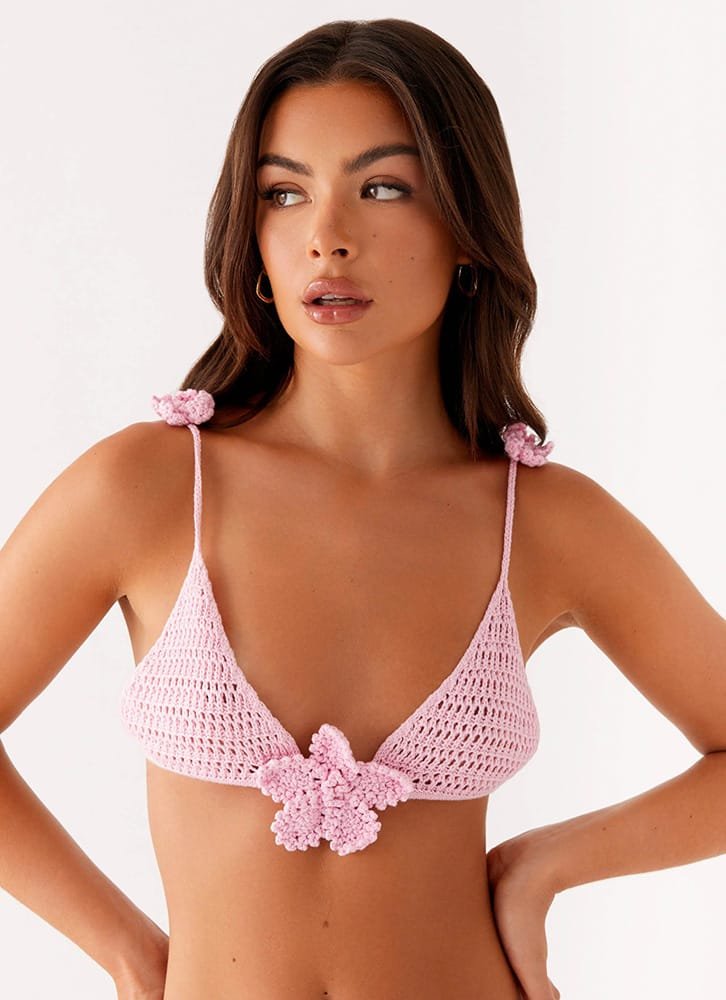
Bralette or bandeau tops with or without underbust bands
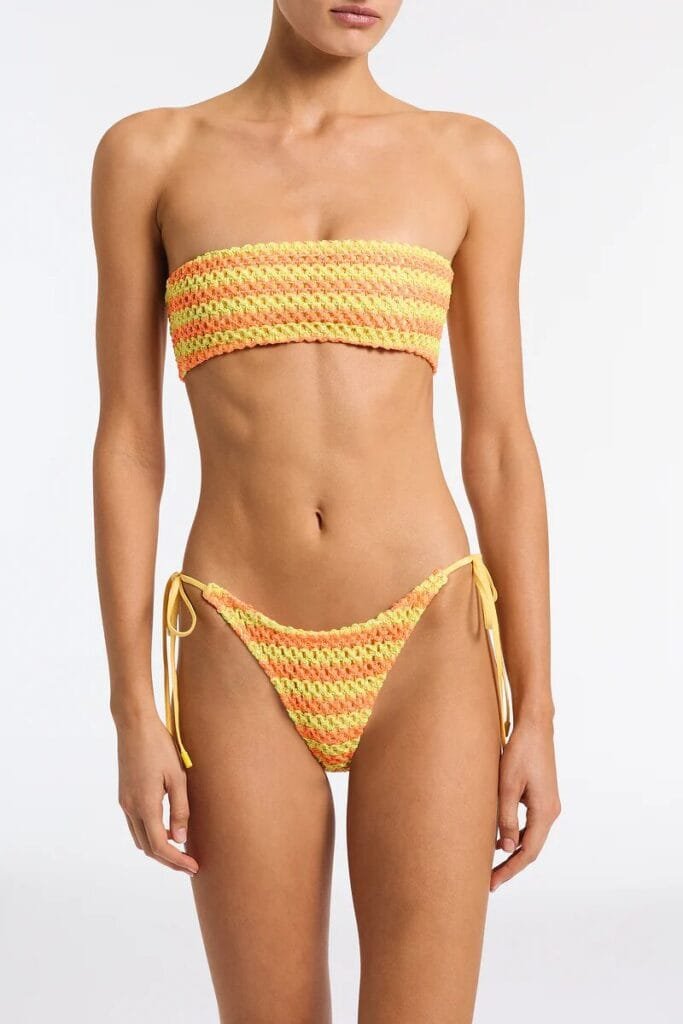
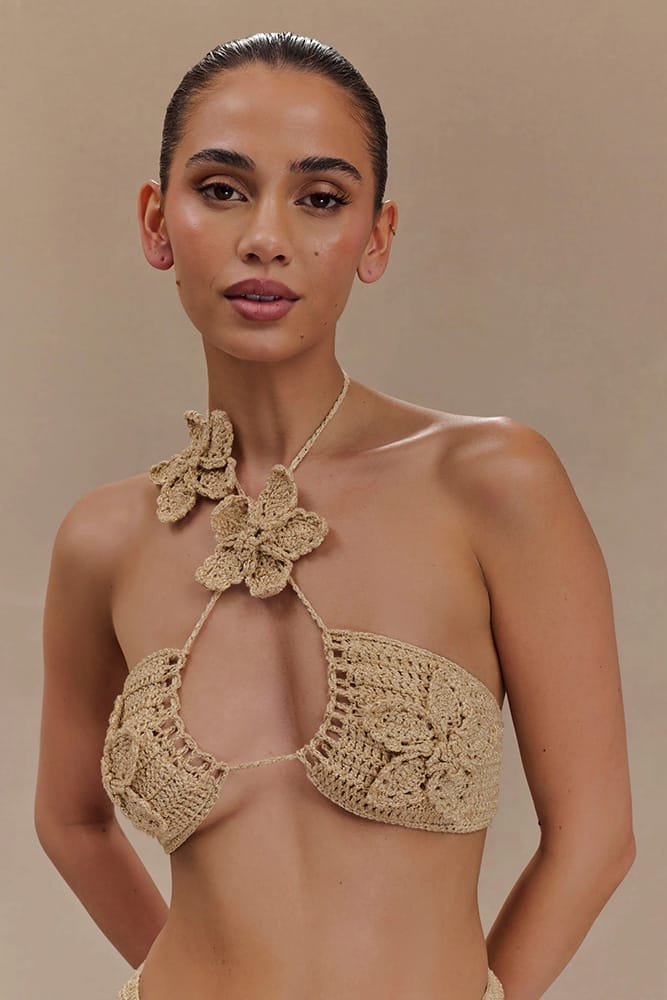
One-shoulder or halter tops for more fashion-forward lines
Classic side-tie bottoms (adjustable, friendly to between-sizes bodies)

High-waist bottoms with texture panels for more coverage
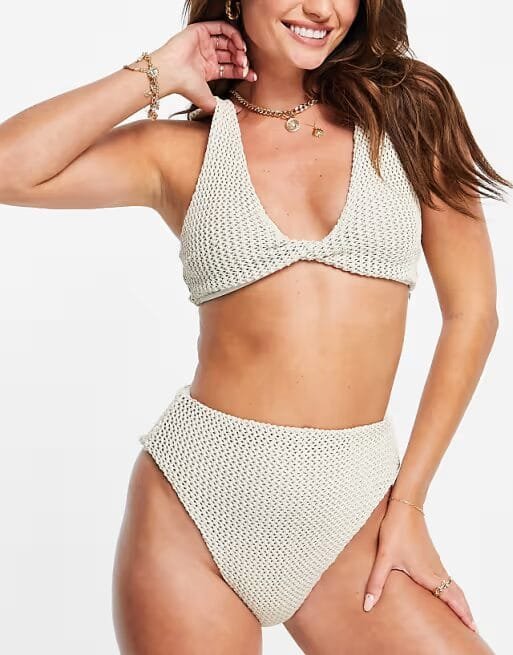
For your first capsule, it’s usually safer to start with adjustable styles (ties, sliders) to help with fit issues that can arise from crochet’s stretch behavior.
2. Pattern motifs and texture
Crochet lets you play with:
- Openwork patterns (mesh, lace-like motifs)
- Solid stitches around bust and crotch areas for modesty
- Decorative borders (scallops, shells, picots)
- Motifs (flowers, hearts, geometric shapes)
From a brand perspective, try to define a “signature crochet language” that matches your brand identity: clean geometric vs romantic lace, bold vs minimal, boho vs sleek.
3. Target customer & brand DNA
Consider:
- Age & lifestyle of your customer (festival girl, resort traveler, beach club, family vacation, etc.)
- Body confidence & coverage preferences
- Whether crochet bikinis will be positioned as:
- Hero fashion pieces
- Upsell items
- Limited-edition collaborations
Your design directions should support your overall brand DNA, not fight it.
Materials & construction: yarns, linings & details
Yarns for crochet bikinis
The yarn choice will determine comfort, longevity, and performance in water.
Common options:
Cotton or cotton blends
- Soft handfeel, natural, breathable
- Absorbs water, can become heavier when wet
- Works well for “resort / poolside” positioning
Synthetic blends (polyester, nylon, acrylic mixes)
- Lower water absorption, faster drying
- Better shape retention in water
- More suitable for customers who actually swim
- Align with sustainability positioning
- Need testing for pilling, colorfastness, and stretch recovery
For true swim functionality, brands often use blended yarns that balance shape retention and comfort.
Lining & support
Most commercial crochet bikinis use lining under key areas:
- Bust
- Crotch
- Sometimes the whole front panel
Reasons:
- Prevent show-through, especially when wet
- Improve comfort against the skin
- Stabilize the crochet structure and help with fit
Common lining materials:
- Standard swimwear lining (nylon/spandex or polyester/spandex)
- Power mesh for additional support
For bikini development, specify in your tech pack:
- Lining coverage (cups only, full front, etc.)
- Lining color (match, contrast, or nude)
- Padding options (removable pads, underwire, none)
Hardware & trims
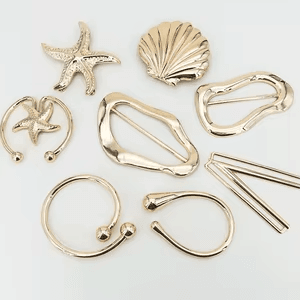
Crochet bikinis can be beautifully complemented with:
- Metal rings and sliders
- Ties with tassels or beads
- Labels and small logos stitched onto the band
Make sure hardware:
- Matches your brand’s visual language (minimal metal vs boho beads, etc.)
- Is saltwater and chlorine-resistant
- Doesn’t snag the crochet fabric
Fit & grading challenges with crochet bikini designs
Crochet behaves differently than standard stretch knit swim fabrics, so brands should plan for:
1. Stretch & growth in water
- Some yarns absorb water and become heavier
- Stitches can open up and elongate
- Fit can become looser after repeated wears
Solutions:
- Specify yarn with good shape retention
- Use firmer stitches in load-bearing areas (underbust, waist, hips)
- Add elastic in edges and straps where appropriate
2. Size consistency
Hand crochet (if used) can vary slightly between pieces or makers. To control this:
- Work with graded measurement specs and clear tolerances
- Define key measurements (cup height/width, underbust, side seam, waist, hip, etc.)
- Run a small test batch and refine specs before scaling
3. Coverage & modesty
Openwork patterns can shift when stretched. Brands should:
- Test on live fit models, not just mannequins
- Adjust lining shape and coverage where needed
- Avoid overly open stitches in sensitive areas unless deliberate
Production options for crochet bikinis: handmade vs industrial
Most brands will choose one of three approaches:
1. Fully hand-crocheted bikinis
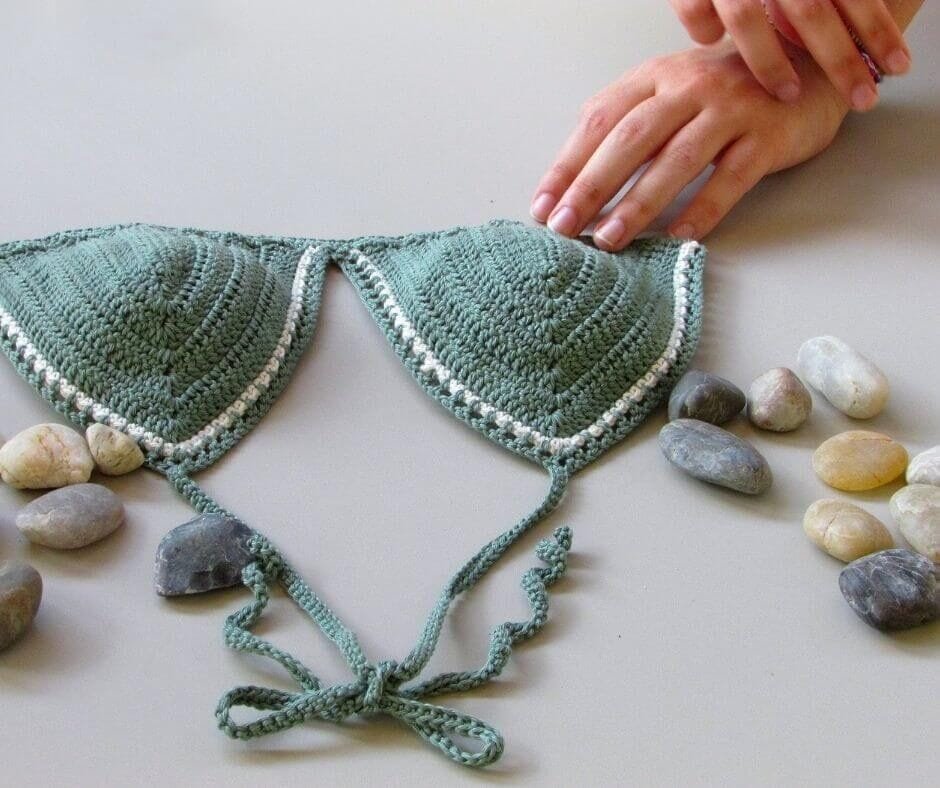
- High craftsmanship, very strong storytelling
- Best for small-batch, higher price-point collections
- Longer lead times, higher production cost
- Great for limited drops, collaborations, and resort capsules
2. Crochet-look fabrics
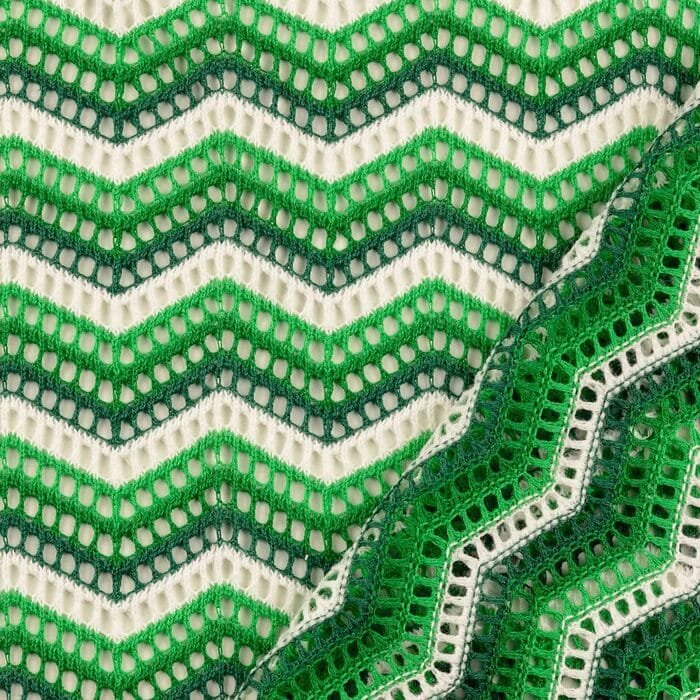
- Machine-made fabrics that mimic crochet patterns
- Cut and sewn like normal swimwear
- More consistent fit and faster production
- Ideal for brands that want the look but need scalability and sharper pricing
3. Hybrid designs
Regular swim base (e.g. nylon/spandex) with:
- Crochet trims
- Crochet panels
- Crochet necklines or waistbands
This approach:
- Keeps fit and durability closer to standard swimwear
- Still gives enough texture to stand out
- Works well for mid-range price points
When you brief your manufacturer, be clear whether you want true crochet, crochet-look, or hybrid, as this drastically changes MOQs, pricing, and lead times.
How to brief your manufacturer for crochet bikini development
A good technical brief makes development smoother and reduces back-and-forth.
Include:
Style direction & reference images
Sketches, moodboards, or existing market references you like
Target customer & price point
- Region, age, body type focus
- Entry, mid, or premium price level
Construction type
Fully hand-crocheted, crochet-look fabric, or hybrid
Technical details
- Size range and grading rules
- Lining coverage and type
- Hardware details (rings, sliders, hooks)
- Branding (labels, heat transfers, tags)
Performance requirements
- Swimming vs poolside vs resort-only
- Chlorine/salt resilience expectations
- Colorfastness and pilling standards
Timeline & MOQs
- Desired launch date
- Sampling rounds (proto, fit sample, PPS)
- Quantity per style/colour
Care instructions you should provide to end customers
To reduce returns and keep customers happy, give clear crochet bikini care instructions. Common recommendations:
- Rinse in cold fresh water after each wear
- Hand wash gently with mild detergent
- Do not wring or twist
- Dry flat in the shade (avoid hanging, which can stretch the fabric)
- Avoid rough surfaces that can snag the crochet
- Keep away from harsh chemicals and strong chlorine where possible
You can include this on:
- Care labels
- Swing tags
- Product description pages
- Packaging inserts
Common mistakes brands make with crochet bikinis
A few pitfalls to avoid:
- Treating crochet like normal swim fabric without accounting for weight and stretch
- Skipping wear tests in water before finalizing the design
- Underestimating lead times for more complex or hand-crafted pieces
- Ignoring lining and ending up with transparency or comfort issues
- Detached storytelling, where the product feels “boho” but the rest of the brand is sleek and minimal
Planning carefully at design and sampling stages prevents expensive corrections later.
Conclusion
The crochet bikini offers more than just a trendy design—it’s an opportunity to set your swimwear brand apart with a unique, premium offering that speaks to craftsmanship, artistry, and timeless style.
Ready to bring your crochet bikini designs to life?
Reach out today to discuss your design ideas, get tailored advice on production that will set your brand apart in the crowded swimwear market. Let’s craft something exceptional together!