If you’re searching for swimwear manufacturers, you’ll quickly land on the same fork in the road: manufacture in China or manufacture in the USA.
Both can produce great swimwear. The difference is how you get there, what it costs (in money and time), and what risks you’re taking on logistics, compliance, restocks, tariffs.
This guide breaks down the real trade-offs for swimwear specifically, so you can pick the option that matches your brand stage, budget, and timeline.
China vs USA swimwear manufacturing
| Category | China manufacturer | USA manufacturer |
|---|---|---|
| Unit cost | Usually lower (especially as volume grows) | Usually higher (labor + overhead driven) |
| MOQ flexibility | Often flexible, many factories can support low-to-mid MOQs | Sometimes very small runs are possible, but pricing can jump fast |
| Sampling & iteration | Can be fast, but shipping/time zones add friction | Easier real-time feedback, faster fit revisions |
| Materials & trims | Deep supply chain for swimwear fabrics, linings, hardware, printing | Strong quality options, but swimwear-specific sourcing can be more limited depending on region |
| Lead time risk | Production can be efficient; shipping/customs add uncertainty | Shorter transit; fewer import steps |
| “Made in USA” label | Not applicable | Possible, but rules are strict and need proof |
| Landed cost complexity | Needs landed-cost planning (freight, duty, possible additional duties) | Simpler for US-based selling (less border friction) |
What “Swimwear Manufacturer” Means
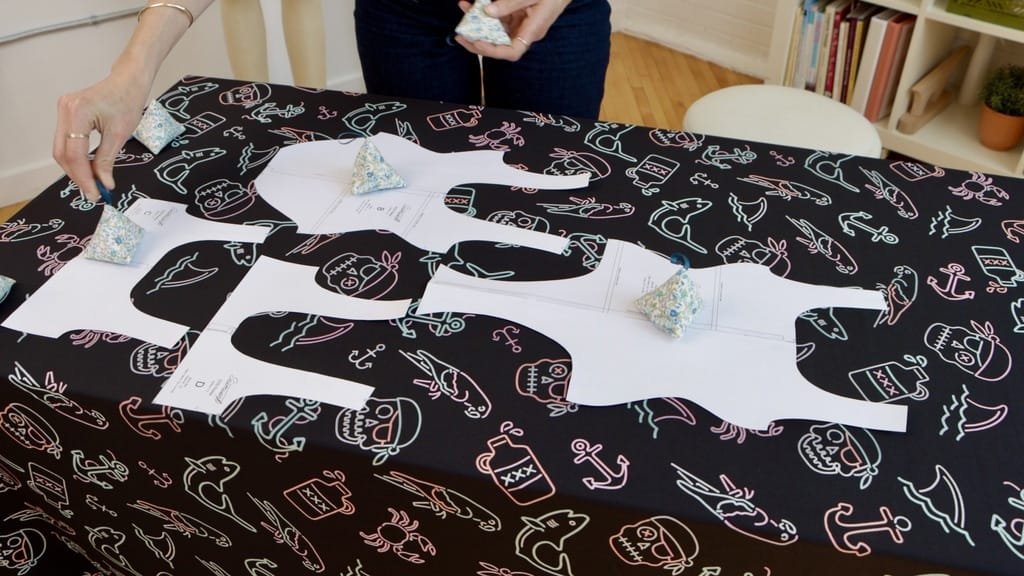
When people search “swimwear manufacturer,” they might mean one of these:
- Cut-and-sew factory (they sew, you supply fabric/trims)
- Full-package/OEM (they source materials + make samples + produce bulk)
- Private label (you choose from existing styles and add your brand)
- Print/embellishment partner (they print/cut, but don’t do full production)
Before you compare China vs USA, confirm you’re comparing the same type of supplier. A US studio that does pattern-making + small batch is not the same as a high-capacity factory that does bulk + sourcing.
Cost Differences
Swimwear looks small, but it’s not “simple.”
Elastic application, lining, stretch stitching, clean edges, and fit consistency all require skilled operators and multiple steps. That’s why labor and development time matter more than people expect.
In the US, labor costs are a major driver. For reference, the Bureau of Labor Statistics shows sewing machine operator wages (national estimates) around the mid-teens per hour at the median (May 2023 data).
On top of wages, you’re also paying for overhead, supervision, scheduling constraints, and often higher per-style setup time.
For development work (pattern + sample sewing), Maker’s Row notes professional pattern makers/sewers can charge $50–$70/hour in a US production budgeting context.
What this means in practice
- USA can be excellent for hands-on development, but small mistakes get expensive quickly.
- China often wins on unit cost at scale, and many factories have mature swimwear lines that reduce inefficiency.
MOQ and “minimum spend”
A common myth is: “USA = low MOQ, China = high MOQ.”
Reality:
- In the US, you might find a shop willing to do very small quantities, but they may require minimum spend, limited fabric options, or higher per-piece cost to make it worth their time.
- In China, MOQ varies wildly by factory. Many factories will do lower MOQs(50-100pcs) if your styles are manageable and you’re organized (clean tech pack, realistic colorways, reasonable size run).
A good way to compare: ask both suppliers for pricing at 50 / 100 / 300 pcs per style (and include your colorways + size range). That reveals the true scaling curve.
Development Timeline
When brands talk about “speed,” they often mean how quickly you can finalize fit and construction. This timeline is driven by the number of sample rounds and how efficiently feedback is translated into pattern changes.
What affects development speed most
- Fit complexity: underwire, molded cups, shaping, multi-panel designs, cut-outs, and supportive constructions typically require more rounds.
- Spec clarity: a complete tech pack (measurements, grading, seam/stitch notes, fabric stretch requirements) reduces back-and-forth.
- Feedback loop: how quickly fit comments are delivered and confirmed (measurement sheet + photos + change list).
Typical difference in practice
- USA production can feel faster during development because fittings and communication happen in the same time zone, and in-person sample reviews are sometimes possible.
- China production can still move quickly, but development is usually more structured: changes are confirmed through measurement sheets, photos/videos, and formal sign-offs, and international shipping time for samples must be built into the schedule.
Materials and trims
Swimwear is picky about materials:
- fabric recovery and stretch
- lining opacity
- chlorine/salt resistance
- hardware coatings
- elastic quality (cheap elastic ruins fit after a few wears)
China’s biggest advantage is the concentration of swimwear-specific supply chains (fabrics, printing, molded cups, hardware, labels, packaging) in one ecosystem. That often means:
- more options
- quicker sourcing
- fewer vendors for you to manage
The US can absolutely source high-quality materials too, but depending on where your factory is located, you may deal with fewer swimwear-specialized suppliers or longer procurement lead times.
Quality Control
A strong factory is only half the equation. The other half is how you control quality.
No matter where you produce, ask about:
- Stitch types used on stretch seams (and why)
- Elastic attachment method (and elastic spec)
- Needle type and how they prevent skipped stitches
- Print colorfastness expectations (especially for bright colors)
- Their inspection checkpoints (in-line vs final)
A practical workflow that prevents most disasters:
- Approve a final sample (with exact fabric + trims)
- Approve a pre-production sample (made on production line)
- Do an in-line inspection early in bulk
- Do a final inspection before shipment
If you’re producing overseas, consider third-party inspection as cheap insurance.
Delivery Timeline
Delivery time is the end-to-end timeline from “order is confirmed” to “goods arrive at your warehouse.” It includes material readiness, bulk production, QC, and transportation.
What “total delivery lead time” includes
- Materials ready (fabric/lining/elastic/trims, custom dye/print if needed)
- Bulk production (cutting, sewing, printing, packing)
- Quality checks + rework buffer (in-line/final inspection, minor fixes)
- Logistics to your warehouse (pickup, transit, and any clearance steps)
How USA vs China typically differs
USA manufacturing
- Total lead time can be shorter mainly because logistics is simpler (no international export/import process, shorter domestic transit).
- However, production time is not automatically faster. It depends on factory capacity, schedule, and whether materials are domestic or still need to be sourced/imported.
China manufacturing
- Production can be very efficient, especially for swimwear-specialized factories with established material channels.
- Total lead time is usually longer because logistics includes international freight + export/import steps, and those add more variables (freight windows, port/airport handling, customs processing).
The professional way to compare
When you request quotes, ask every manufacturer to provide two dates:
- Goods-Ready Date: when bulk production + packing + final QC is complete
- Door Date: when the shipment arrives at your warehouse (based on your chosen shipping method)
This keeps the comparison fair and avoids the common mistake of comparing one factory’s production days against another factory’s shipping time.
Hidden factor
the factory quote isn’t your real cost. What matters is your landed cost, including shipping, duties, clearance fees, and any extra charges that show up after production. This is where China vs USA can flip, especially for smaller orders.If you manufacture in China and sell in the US, you should price using landed cost, not factory cost
Which should you choose?
Choose China if you want…
- Better unit economics as you scale
- More fabric/trim/customization options (printing, hardware, complex styling)
- Full-package manufacturing (sourcing + sampling + bulk + packing)
- A supplier ecosystem that can support reorders and multiple SKUs
Choose USA if you want…
- Faster hands-on development and fitting cycles
- Micro-batches without international shipping complexity
- A stronger path to domestic-origin marketing (if you can meet the rules)
- Easier communication in one time zone
A smart hybrid approach
Many brands do:
- Fit + development close to home
- Bulk production where it’s most efficient
This can work well, as long as you keep documentation tight and stay honest about origin claims.
How to make either option succeed
If you manufacture in China
- Send a real tech pack (or at least: flat sketches + measurements + reference photos)
- Limit complexity in your first order (fewer colors, fewer trims)
- Use clear approvals: measurement sheet + photos + short video checks
- Add QC checkpoints (pre-production + in-line + final)
If you manufacture in the USA
- Lock your materials plan early (availability can be your bottleneck)
- Expect higher development costs (budget for sample rounds)
- Make sure you understand what’s included (pattern, grading, cutting, sewing, packaging)
- Confirm capacity for reorders (some shops are great for development but struggle with scaling)
FAQs
Not automatically. You can get excellent quality in both. What matters is: factory specialization in swimwear + your materials + your QC system.
Often, yes on unit cost at scale. But you should compare landed cost (product + freight + duties + any additional duties).
Usually you’ll need a qualified claim unless you meet the FTC’s “all or virtually all” standard.
Choosing based on price alone, before validating fit, fabric performance, and the supplier’s swimwear experience.
What should I ask any swimwear manufacturer before placing an order?
Ask about MOQ by style/color, sample rounds, lead times, fabric options, elastic specs, printing method, QC checkpoints, and what happens if there’s a quality issue.
Final thoughts
If you’re early-stage and fit is still changing, the USA can be a great place to iterate. If you’re ready to scale, want broader material options, or need full-package support, China often makes more sense.
Either way, you’ll get better results by treating manufacturing like a process, not a one-time purchase: clear specs, controlled approvals, and repeatable QC.
Ready to move from research to production? We’re a professional swimwear manufacturer in China with 13 years of experience in custom production. From design support and fabric sourcing to custom printing, mass production, private label packaging, and shipping, we handle everything under one roof so you can launch your swimwear brand smoothly and cost-efficiently.