
Choosing the right fabric for bikinis is one of the most important decisions a swimwear brand will make. Fabric choice affects not only how a bikini looks and feels, but also how it performs after repeated wear, washing, sun exposure, and contact with chlorine or saltwater. From a manufacturing point of view, fabric selection also impacts cost, MOQ, lead time, production efficiency, and long-term quality stability.
As a swimwear manufacturer working with brands at different price points and markets, we see many fabric decisions made too early or based only on surface impressions. This guide is written to help brand owners, designers, and sourcing managers understand which bikini fabrics work best in real production and how to choose the right one for their specific business goals.
Why Fabric Choice Matters in Bikini Manufacturing
Bikinis are technical garments. They stretch more than most apparel categories, sit close to the skin, and are exposed to harsh environments. A fabric that feels soft on the roll does not always perform well after 20 swims.。
From a production perspective, fabric choice directly affects:
- Fit consistency: Poor stretch recovery leads to loose bottoms and sagging tops.
- Durability: Low resistance to chlorine or UV causes fading and fiber breakdown.
- Customer returns: Transparency, deformation, and pilling are common complaints.
- Production stability: Some fabrics are harder to cut, sew, or print consistently.
- Cost control: Fabric price, waste rate, and MOQ influence final unit cost.
For brands, “best fabric” does not mean one universal option. It means the fabric that best matches your brand positioning, target customer, usage scenario, and supply chain realities.
Key Performance Factors Brand Should Evaluate
Before comparing fabric types, it is important to understand the core performance indicators we evaluate during development and sampling.
Stretch and Recovery
Bikini fabrics must stretch comfortably and return to their original shape. Recovery is often more important than stretch. Fabrics with poor recovery may feel soft initially but lose shape after wear.
Chlorine Resistance
Essential for swimwear intended for pools or frequent swimming. Chlorine breaks down elastane fibers over time.
UV Resistance
Sun exposure affects both colorfastness and fiber integrity. Fabrics with better UV resistance maintain appearance longer.
Color Performance
This includes colorfastness to water, rubbing, and sunlight. Printed and bright colors require higher fabric standards.
GSM and Opacity
Fabric weight influences coverage and transparency. Lightweight fabrics may require lining, increasing cost and complexity.
Surface Durability
Resistance to pilling, abrasion, and snagging is critical for long-term wear.
Certifications and Compliance
For many markets, OEKO-TEX®, GRS, or other certifications are increasingly important
Best Fabrics for Bikinis Used in Commercial Production
Nylon / Spandex (Polyamide / Elastane)
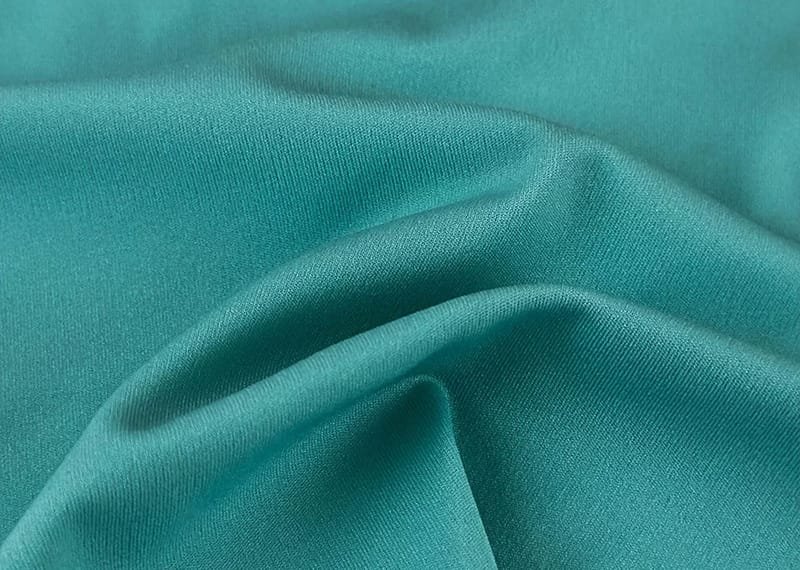
Nylon spandex is the most widely used fabric for bikinis, especially in mid- to high-end swimwear lines.
Why manufacturers use it
- Smooth, soft hand feel
- Excellent stretch and recovery
- Drapes well on the body
- Easy to cut and sew
- Works well with solid colors, prints, and complex designs
Typical compositions
- 80% Nylon / 20% Spandex
- 82% Nylon / 18% Spandex
Best for
- Fashion bikinis
- Premium swimwear lines
- Brands focusing on comfort and fit
Things to consider
- Slightly less chlorine resistant than polyester
- Higher cost than basic polyester blends
- Quality varies significantly between mills
From a manufacturing standpoint, nylon spandex is very stable during production and offers the most flexibility in design. It is often the safest choice for brands launching their first bikini collection.
Polyester / Spandex (Polyamide / Elastane)
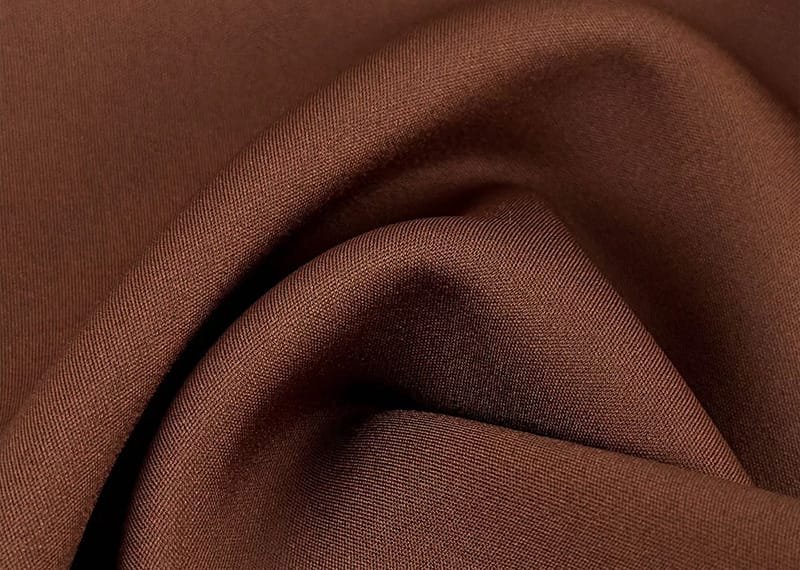
Polyester spandex has improved significantly over the years and is now a strong alternative to nylon in many cases.
Why manufacturers use it
- Better chlorine resistance
- Excellent color retention, especially for prints
- More UV resistant
- Often more cost-effective
Typical compositions
- 85% Polyester / 15% Spandex
- 90% Polyester / 10% Spandex
Best for
- Sporty or active swimwear
- Pool-focused collections
- Brands emphasizing durability and bright colors
Things to consider
- Slightly firmer feel compared to nylon
- May not feel as “luxury” to some customers
- Requires careful selection to avoid stiffness
Polyester spandex is often chosen for printed bikinis, especially where color vibrancy and longevity are priorities.
Recycled Fabrics (Recycled Nylon, Recycled Polyester)
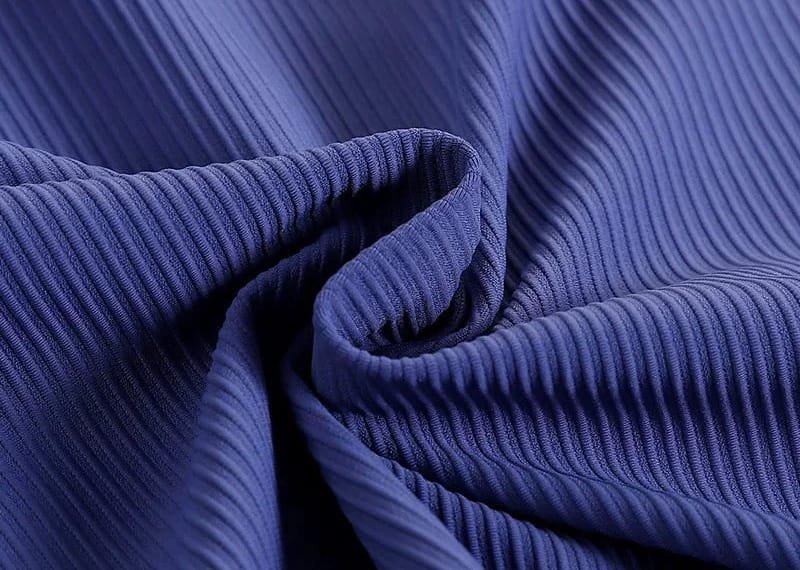
Recycled swimwear fabrics are increasingly popular, but they require careful evaluation.
Common options
Why brands choose them
- Sustainability positioning
- Strong marketing value
- Growing consumer demand
Performance reality
- Performance is comparable to virgin fibers when sourced correctly
- Cost is usually higher
- MOQ will be higher and lead times may be longer
- Certification documentation is critical
Best for
- Eco-focused brands
- Premium or story-driven collections
- Brands willing to plan ahead
A common mistake is assuming all recycled fabrics perform the same. In reality, yarn quality, knitting, and finishing processes matter more than the recycled label itself
Textured and Specialty Fabrics (Ribbed, Crinkle, Jacquard)
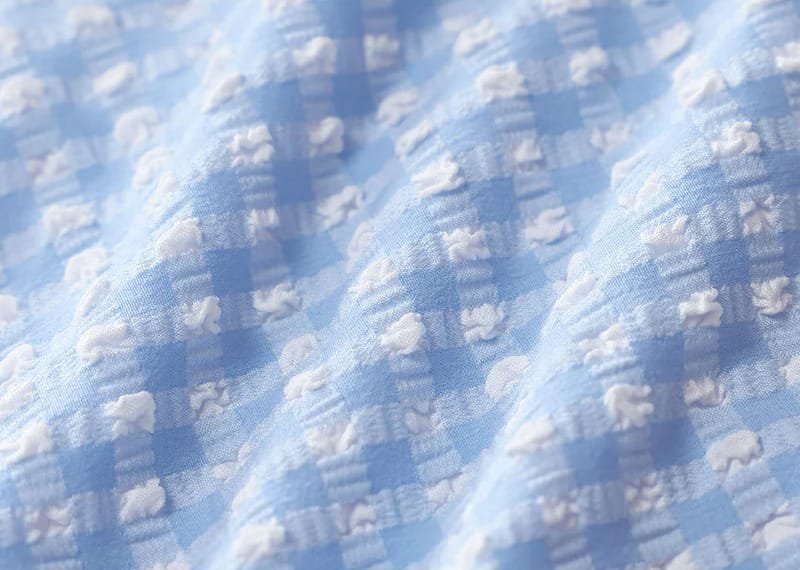
Textured fabrics are widely used to differentiate collections visually.
Why manufacturers use them
- Strong visual identity
- Higher perceived value
- Trend-driven appeal
Common types
- Ribbed swim fabric
- Crinkle fabric
- Jacquard knits
Best for
- Boutique brands
- Limited collections
- Fashion-forward designs
Things to consider
- Higher fabric consumption
- More cutting waste
- Less tolerance for fit errors
- Often higher cost
From a production perspective, textured fabrics require more experience and testing, especially for size grading and lining compatibility.
Fabric Comparison Table: Quick Decision Guide
| Fabric Type | Stretch & Recovery | Durability | Color Performance | Cost Level | Best For |
|---|---|---|---|---|---|
| Nylon / Spandex | Excellent | High | Very good好 | Medium–High | Premium & fashion bikinis |
| Polyester / Spandex | Very good | Very high | Excellent | Medium | Sport & printed swimwear |
| Recycled Fabrics | Very good | High | Very good | High | Sustainable brands |
| Textured Fabrics | Good | Medium | Good | Medium–High | Boutique collections |
How Fabric Choice Affects Cost, MOQ, and Lead Time
Fabric decisions are not only about aesthetics and performance. They directly influence your production plan.。
Cost
Fabric price varies by fiber type, yarn quality, and finishing. Textured and recycled fabrics typically cost more per meter. Lightweight fabrics may require lining, increasing material and labor costs.
MOQ
Stock fabrics usually allow lower MOQs. Custom-developed fabrics or specific recycled options may require higher minimums.
Lead Time
- Stock fabrics: faster sampling and production
- Custom colors or prints: additional development time
- Recycled fabrics: longer sourcing and certification checks
Understanding these trade-offs early helps avoid delays and budget overruns.
Common Fabric Mistakes Swimwear Brands Make
Over the years, we see similar issues repeated across different brands.
- Choosing fabric by hand feel alone without testing recovery
- Ignoring lining compatibility and transparency
- Selecting fabrics not suited for the intended use (beach vs pool)
- Underestimating color bleeding in printed fabrics
- Assuming recycled fabrics automatically mean better performance
Most of these issues can be avoided through proper sampling and fabric testing.
How We Help Brands Choose the Right Bikini Fabric
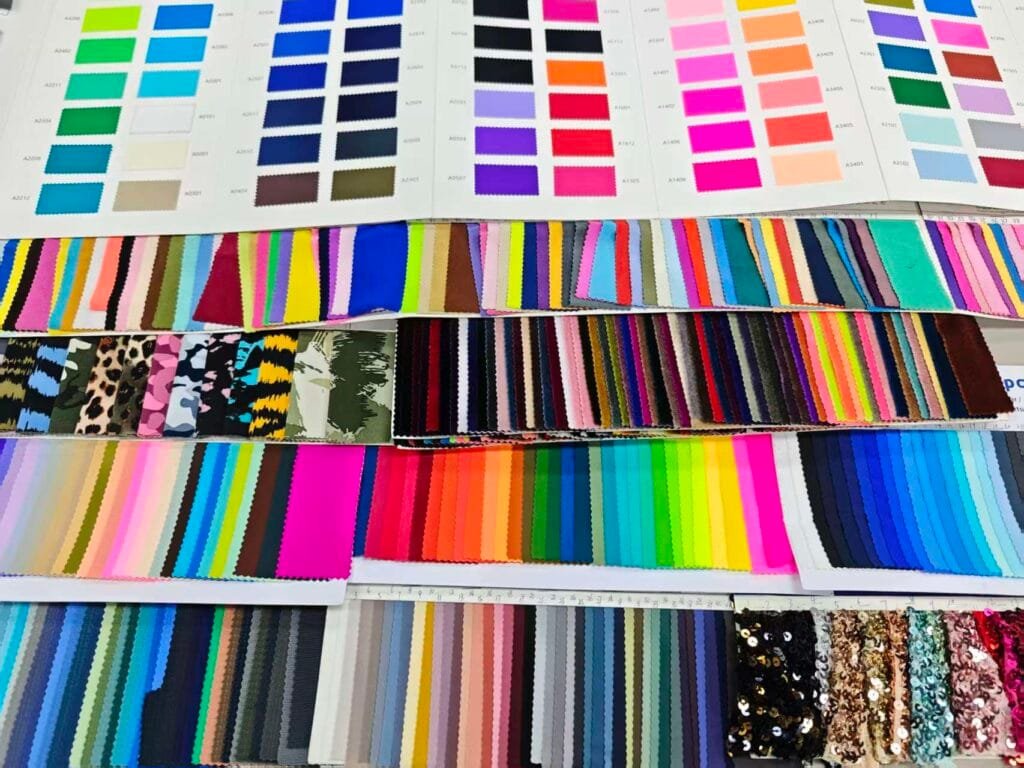
As a swimwear manufacturer, our role goes beyond production. We support brands through:
- Fabric sourcing based on target market and price point
- Performance testing during sampling
- Advice on lining and construction compatibility
- Low MOQ options for brand launches
- Clear communication on cost and lead time implications
Our goal is to help brands make fabric choices that work not just on paper, but in real-world production and customer use.
Final Thoughts
There is no single “best fabric” for bikinis. The best choice depends on your brand’s positioning, customer expectations, and production strategy. By understanding fabric performance, trade-offs, and manufacturing realities, swimwear brands can make decisions that lead to better products, fewer returns, and stronger long-term brand value.
If you are developing a bikini collection and need support with fabric selection, sampling, or production planning, working closely with an experienced swimwear manufacturer can save time, cost, and unnecessary risk.
Frequently Asked Questions About Bikini Fabrics
Q1: What is the most durable fabric for bikinis?
Polyester spandex generally offers the best chlorine and UV resistance, making it suitable for frequent swimming and pool use.
Q2: Is nylon or polyester better for bikinis?
Nylon offers a softer feel and better drape, while polyester provides stronger color retention and durability. The best choice depends on brand positioning.
Q3: Are recycled bikini fabrics lower quality?
No. High-quality recycled fabrics can perform as well as virgin fibers when sourced from certified suppliers.
Q4: What fabric weight is best for bikinis?
Most bikinis use fabrics between 180–240 GSM, depending on opacity, lining, and design.