For a swimwear brand working under strict timelines and quality standards, strategic manufacturer partnerships are crucial. Leveraging responsive production management, such partnerships can address potential challenges before they escalate. Emphasizing the importance of quality and customization, Joysportwear encourages clients to discuss specific standards and desired outcomes with their supplier to ensure the production aligns with their brand vision and market demands. This approach highlights how precise, adaptive processes in swimwear manufacturing can contribute to a brand's success, turning challenges into opportunities.
Initial Challenges Faced by the Buyer
The buyer began their journey with high hopes for a promising swimwear line but quickly hit a snag upon receiving the initial production samples. During the routine inspections, undisclosed defects in the samples posed significant concerns. Common issues included irregular stitching, uneven fabric dye that compromised visual appeal, and inadequate fabric elasticity, failing to meet the high-performance standards expected in swimwear. Such defects threatened to undermine the brand's credibility if left unchecked, especially given the rigorous expectations of their retail partners who demand flawless products to maintain their own reputation.
These defects weren't just cosmetic; they jeopardized crucial elements like garment durability and fit, leading to potential functionality failures. For instance, poor fabric stretch can result in discomfort and restricted movement, both critical no-no’s for swimwear aimed at active consumers. Furthermore, color inconsistencies across the range tarnish the uniform look and feel that fashion brands strive to deliver. These production lapses put the buyer in a precarious position, risking the integrity of existing contracts with high-stake deadlines attached to retail launches.
As the clock ticked away, the stakes grew greater with each moment that passed without a solution. Retail distribution relies on precise delivery dates; missing them could lead to shelving opportunities being lost, resulting in financial losses and strained relationships with retail partners. This created a pressing need for a quick and reliable resolution to rectify the quality shortcomings and ensure alignment with contracted delivery schedules.
Facing these challenges, the buyer needed a swift corrective action plan. It was imperative to isolate the root causes of these defects and collaborate closely to implement effective remedies. Retail realities demand immediate adjustments in production protocols, fostering an urgent need for a partnership-oriented approach to overcome these hurdles.
It was understood that rectifying these issues swiftly and effectively was not just about maintaining a healthy partnership but also about preserving brand trust in the market. The scene was set for a collaborative effort to iron out the kinks and steadily shift towards a quality-driven operation.
Evaluating the Production Sample
Evaluating production samples is critical in verifying that the swimwear meets the specified quality expectations. Areas such as seams, fabric stretch, and color consistency are vital indicators of high-quality swimwear. Seams should be securely stitched, with no visible gaps or loose threads, ensuring durability during repeated wear. For fabric stretch, the material should return to its original shape after being stretched, which is crucial for maintaining fit and comfort over time.
Color consistency is another key feature. Discrepancies in shade between pieces can indicate poor dye application, affecting both appearance and brand integrity. Employing tools such as ASTM standards for textile testing ensures that these samples adhere to industry norms. For instance, colorfastness can be assessed per ASTM D2261, which measures tensile strength and helps prevent market rejection due to color-matching issues.
During the initial evaluation, differences between production samples and specifications can emerge. These discrepancies often result from variations in fabric dye lots or minor lapses in seam alignment. Notably, setting well-defined quality acceptance criteria from the outset helps in identifying these gaps early. Such criteria specify what constitutes acceptable variations in features like seam alignment and color depth.
Both manual inspections and standardized testing play roles in unveiling these discrepancies. Joysportwear's expertise lies in methodically highlighting variations, providing actionable insights for correction. Their experienced team leverages knowledge from past productions to fine-tune specifications, as detailed in their Guide to Bulk Swimwear Production Factory in China.
A methodical approach supported by clear thresholds and consistent communication mitigates risks and aligns expectations. With these strategies, buyers minimize the likelihood of defective bulk production.
Key Inspection Features for Swimwear Samples
| Feature | Inspection Method | Acceptable Threshold | Tools Used |
|---|---|---|---|
| Color Consistency | Color matching | <ΔE 1 across batches | Digital colorimeter |
| Stitching | Seam strength evaluation | Consistent <3 mm variance | Tensile tester, ASTM D1683 |
Addressing Production Issues
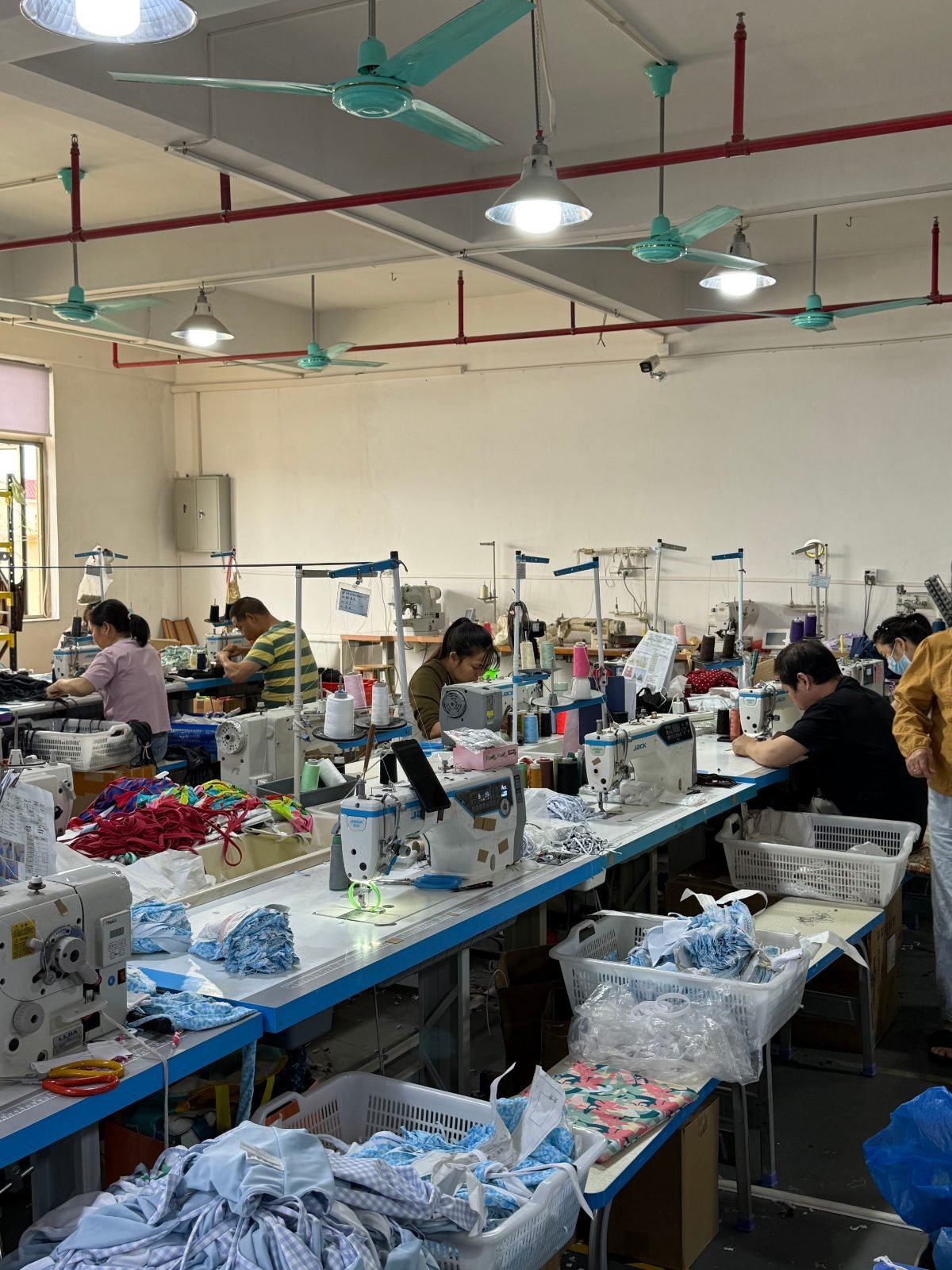
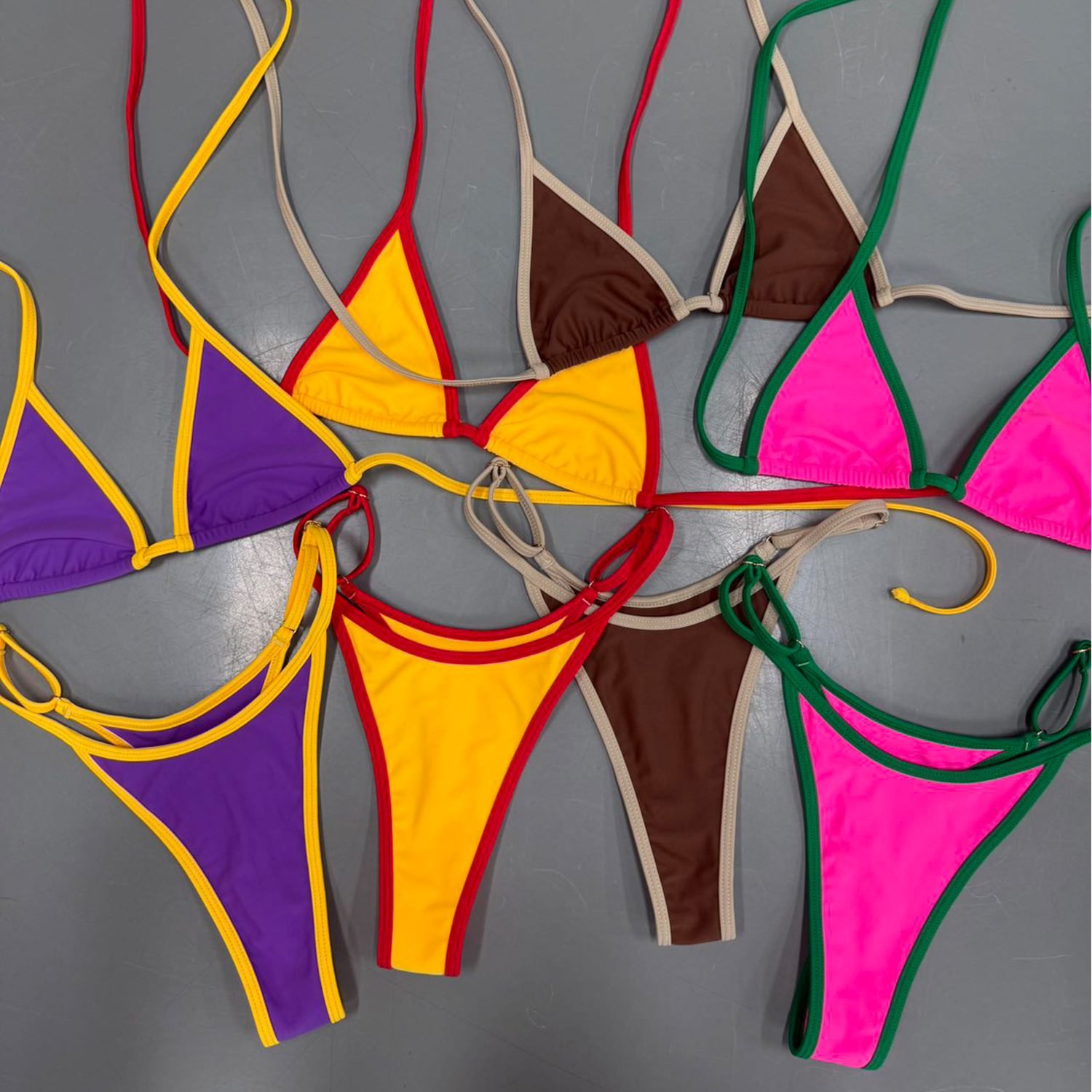
Faced with the complexities of bulk swimwear production inefficiencies, it is important for manufacturers to address issues related to quality and consistency. A common step includes adjusting machinery settings to align with the specific demands of swimwear materials. Precise adjustments are often required to ensure optimal machine performance, minimizing defects and material waste, which is particularly significant in maintaining the intricate details of various styles, such as underwire bikinis and string bikinis.
The next phase involves evaluating and adjusting fabric sourcing. Consistency in fabric properties such as stretch, durability, and color is critical in swimwear production.
This coordination not only improves product consistency but also reinforces sustainable practices, which are crucial to the Understanding Sustainable Fabric Choices in Swimwear Manufacturing.
Enhancements to the core production processes are similarly important. Introducing quality assurance checks at multiple points throughout the production line can improve element consistency, such as seam durability and color. Manufacturers often employ systematic testing against predefined quality acceptance criteria.
Coordination with a client’s design team can play a vital role in addressing production issues. Through structured meetings, any design revisions should be promptly integrated into the production process. This collaborative approach can facilitate the seamless adaptation of the manufacturing setup in response to updated design specifications, ensuring that the final product aligns with the client’s envisioned end-product.
Achieving the Desired Result
Exceeding the original quality expectations was a collective triumph for Joysportwear and their client. Customers noticed the difference, citing enhanced comfort and fit, which translated to a quantifiable 15% increase in repeat purchase rates within the first quarter.
Timely delivery was another critical win. With a focus on strategic time management and efficient resource allocation, it's important for a client’s swimwear line to hit shelves precisely as the shopping season peaks. This precise timing safeguards retail partnerships, maintaining and strengthening trust with vendors who depend on reliable stock flow to maximize their sales opportunities.
Another substantial achievement was the enhanced communication that emerged between Joysportwear and the client's team. By promoting an open dialogue and employing regular updates, any production roadblocks were swiftly addressed, leaving no room for surprise setbacks that can often derail projects. This communication model was praised by the client, establishing a foundation of trust and setting a new standard for future collaborations. As a result, there was a notable increase in project transparency and accountability, with both sides having up-to-date insights into production status.
Ultimately, these improvements not only satisfied but also exceeded the client's expectations, fostering a robust relationship. The enhanced communication and delivery reliability not only met the immediate goals but also positioned both parties for continual future growth. Such achievements underscore Joysportwear’s commitment to not just meeting, but exceeding client needs in a competitive market.
Lessons for Future Buyers
Navigating the complexities of bulk swimwear production hinges significantly on the clarity of communication between brands and manufacturers. Buyers must articulate their quality standards explicitly and consistently throughout the entire process. This involves drafting detailed specs at the very start — specifying material types, fabric weights, color fastness standards, and seam integrity using recognized metrics like ASTM D1683 for seam strength. Ensure alignment with your supplier by clearly stating these criteria.
Choosing a manufacturer with adaptive capabilities is equally crucial. This adaptability refers to the manufacturer's ability to pivot effectively in response to unforeseen challenges. An adaptive manufacturer will offer flexibility in design adjustments or shifts in material sourcing without compromising on lead times. It enables brands to maintain their timelines even when encountering issues, ensuring they meet critical market windows.
Moreover, thorough sample evaluations serve as a critical checkpoint. Before full-scale production, engaging intimately with samples shields against potential issues down the line. When examining samples, assess the consistency of fabric stretch, the precision of stitching, and color uniformity under multiple lighting conditions. These steps mitigate risks by catching errors before they can affect large orders — decisions are more data-driven and less speculative.
Finally, managing production timelines effectively rests on a solid project management framework. Establish clear checkpoints with your manufacturer, such as pre-set dates for sample reviews and final deliveries. Employ a system that includes regular updates and quick responses to any arising issues, establishing a culture of open dialogue. Buyers should not solely focus on expedited timelines but rather stress timely adjustments and proactive problem-solving to stay on track.
By honing these aspects — communication, adapting to conditions, precise evaluations, and proper timeline management — buyers set the foundation for smoother production cycles and a final product that aligns with brand expectations.
Considering Your Next Step
Feel free to share any designs or specifications you have with us. It is often useful to seek feedback on your submissions and request guidance tailored to meet your precise manufacturing needs. Our team welcomes the opportunity for consultation, offering insights to refine your product vision. By collaborating closely, we can optimize each aspect of your swimwear production for higher quality and efficiency. For any design evaluations or queries regarding bulk swimwear manufacturing, consider asking how suppliers can assist in ensuring your product stands out.
Frequently Asked Questions About Bulk Swimwear Production
What are common issues seen in swimwear production?
Common issues include inconsistencies in color dyes, seam defects, and uneven fabric stretch. These can lead to reworks or even rejected lots, emphasizing the need for thorough pre-production planning and sample evaluation.
How can manufacturers adapt to last-minute production changes?
Manufacturers can adapt to last-minute production changes by maintaining open communication with clients. Buyers should consider asking suppliers about their strategies for machinery flexibility and material procurement to ensure adaptability and steady production flow.
What steps are crucial for a successful swimwear production launch?
Key steps include selecting the right fabric, conducting detailed sample assessments, setting clear quality standards, and ensuring manufacturer capability alignment with design expectations. These steps help in smooth product launches.