
When sourcing sustainable swimwear fabrics, look for OEKO-TEX and GRS certifications. These labels confirm that a fabric meets high environmental and social responsibility standards, crucial for brands aiming to reduce their ecological impact. Additionally, choosing materials with recycled content percentages above 50% can significantly lower your collection's carbon footprint. Fabric weight, measured in GSM (grams per square meter), also plays a critical role: lightweight fabrics hold less water, enhancing comfort and drying speed, while thicker materials offer durability. A focused approach to these figures can transform a swimwear line into a truly eco-resilient product range.
Essential Numbers for Eco-Friendly Fabric Selection
In sustainable swimwear manufacturing, key numerical metrics underpin the choices that can bolster a brand's reputation. Firstly, certifications like OEKO-TEX and Global Recycled Standard (GRS) are pivotal. OEKO-TEX ensures that fabrics are free from harmful substances, a fundamental criterion for eco-conscious buyers. Meanwhile, GRS certifies the recycled content of fabrics, underscoring legitimate sustainable practices in the industry. Together, these certifications not only enhance product credibility but also align a brand with environmentally responsible production practices.
Recycled content percentages greatly influence a fabric's carbon footprint. Using post-consumer and post-industrial recycled materials reduces reliance on virgin resources, cutting energy consumption by up to 30% during production. This reduction relates directly to decreased greenhouse gas emissions, making a tangible impact on global sustainability efforts. Thus, a higher recycled content percentage is not just a number—it epitomizes a brand’s commitment to reducing environmental impact.
Fabric weight, measured in grams per square meter (GSM), is another critical factor. For swimwear, determining the appropriate GSM is crucial in balancing performance attributes such as stretch, support, and durability. Typically, swimwear fabrics range from 150 to 180 GSM, offering a good compromise between structure and flexibility. A heavier fabric might feel more secure, but athletes might prefer lighter options for freedom of movement in competitive swims.
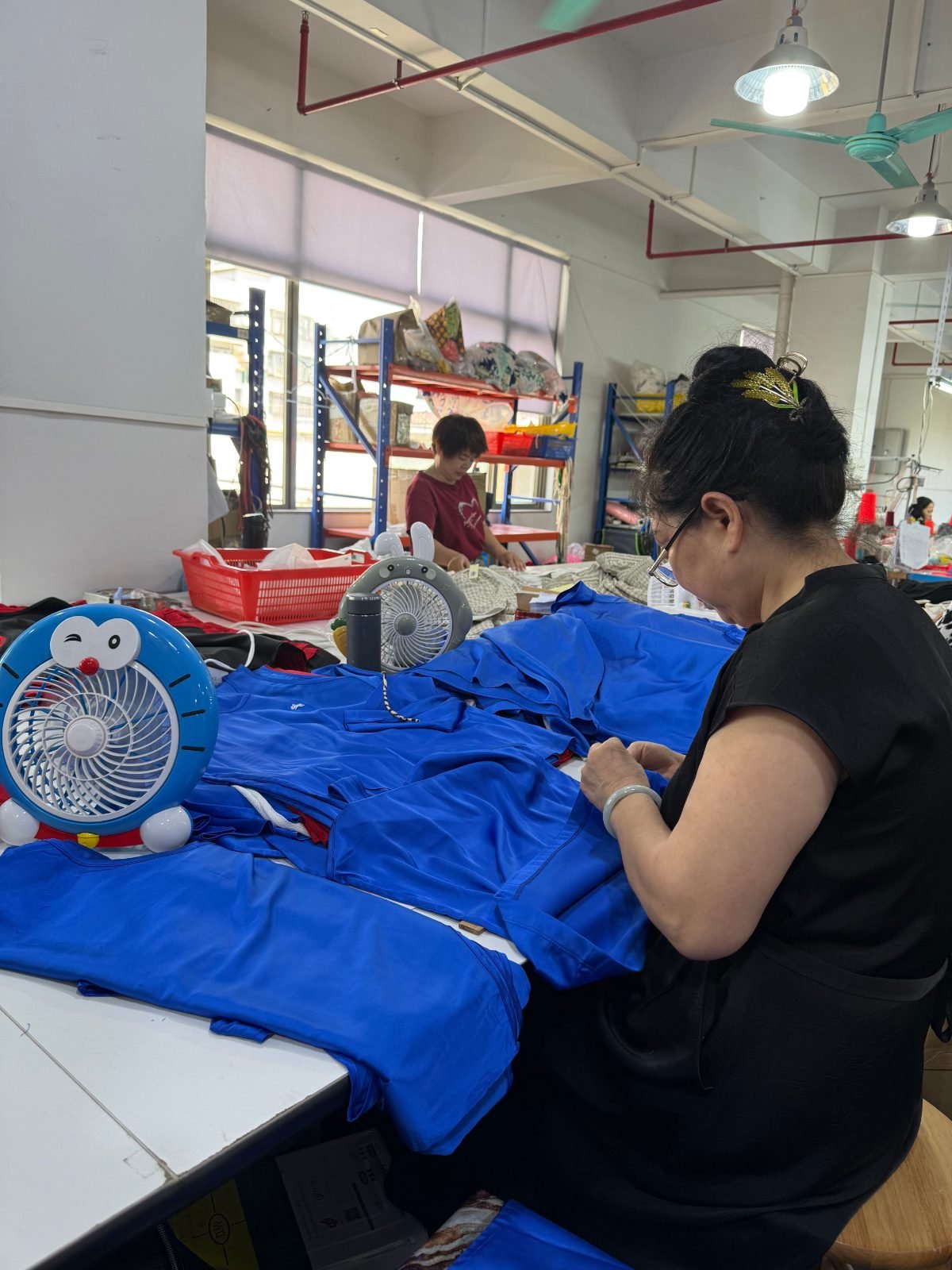
Equally important is fabric thickness, which correlates strongly with wearability and longevity. Thicker fabrics often provide greater durability, resisting wear and tear better over time. However, they may also restrict movement compared to their thinner counterparts—a significant consideration for active swimwear styles. Thus, brands often have to navigate the trade-off between thickness for durability and thinness for maneuverability.
These numbers, when integrated thoughtfully, can significantly enhance a brand’s sustainable image. By clearly communicating these metrics within marketing strategies, brands can cultivate trust and transparency with eco-conscious consumers. For a more in-depth understanding of manufacturing practices related to these metrics, refer to this Guide to Sustainable Swimwear Manufacturing Practices.
Key Metrics in Eco-Friendly Swimwear Fabrics
| Property | Typical Value | Why It Matters |
|---|---|---|
| OEKO-TEX | Certified | Ensures fabric safety from harmful chemicals |
| GRS | Certified | Verifies recycled content and sustainability claims |
| Recycled Content | 30-100% | Reduces carbon footprint and resource consumption |
| Fabric Weight | 150-180 GSM | Balances stretch, support, and durability |
| Thickness | Per Design | Impacts comfort and durability |
Understanding Certifications and Standards
Certifications play a crucial role in ensuring that the materials used in swimwear are sustainable and meet specific eco-friendly benchmarks. Two of the most significant certifications within the textile industry are OEKO-TEX and the Global Recycled Standard (GRS).
OEKO-TEX Certification: This certification is pivotal for brands aiming to guarantee that their products are free from harmful substances. OEKO-TEX Standard 100, in particular, involves extensive testing for over 100 different substances that could be detrimental to human health. The testing procedure is rigorous, featuring checks on pH value, formaldehyde presence, and heavy metals, among other potential risks. Successfully gaining this certification reassures brands and consumers that the fabric is safe for skin contact and follows the current safety regulations for textiles. For brands committed to eco-conscious values, displaying an OEKO-TEX label signifies a commitment to product safety and minimal environmental impact.
Global Recycled Standard (GRS): This certification focuses on verifying the recycled content of materials and ensuring traceability and environmental practices in their production. The GRS looks at the entire supply chain, ensuring recycled materials are truly derived from intended sources and processed sustainably.
The process of measuring these certifications involves thorough auditing of the supply chain and adherence to established standards, such as the percentage of recycled content in pre- and post-consumer waste for GRS. These audits include material testing, factory inspections, and detailed documentation review to affirm compliance.

While these certifications are crucial for eco-conscious brands, obtaining them can be challenging. The requirements are stringent, demanding complete transparency and high levels of conformity from suppliers at every stage of production. This often means significant investment in time and resources for brands and manufacturers.
Overall, these certifications are essential for brands intending to market themselves as sustainable. They not only bolster consumer confidence but also contribute significantly to protecting the environment.
Evaluating Fabric Weight and Thickness
Swimming comfort and performance hinge significantly on fabric weight, measured in grams per square meter (GSM), and thickness. Generally, a lighter fabric, around 150-200 GSM, offers rapid drying and minimal water retention, vital for swimwear intended for active use. A bulky 250 GSM fabric, while more durable, may retain more water and dry slower, impacting usability in competitive scenarios. Hence, aligning weight and product type is crucial.
Optimal GSM for Swimwear Types
For bikinis and sporty swimwear, the ideal fabric weight typically falls between 150–180 GSM. These suits benefit from a balance of support without extra bulk, ensuring free movement and quick drying. On the other hand, tankinis or one-piece swimsuits designed for leisurely swimming or poolside lounging may use fabrics up to 250 GSM. The added fabric density provides increased coverage and durability, enhancing the lifespan of the products while managing a moderate drying speed.
Thickness and Durability: A Double-Edged Sword
Thickness plays a dual role: while thicker fabrics often withstand wear and tear better, they can compromise on comfort. Swimwear made from thicker materials remains resilient against chlorine and UV exposure, factors common in swim environments. However, increased thickness can result in stiffer fabrics, limiting flexibility and affecting the comfort. Careful consideration of thickness enhances both the tactile feel and functional lifespan of the swimwear.
Measuring GSM and Thickness
Understanding GSM and fabric thickness involves precise measurement. GSM is gauged using a scale and a square meter of the fabric, providing a consistent weight metric across all types of fabrics. Conversely, fabric thickness is measured in micrometers using thickness gauges, ensuring the consistency of feel and resilience.
Weight vs. Flexibility: Making Trade-offs
A trade-off exists between weight and flexibility. Lighter fabrics often allow for better flexibility, key for swimwear needing a snug fit without restricting movement. Nonetheless, opting for lighter GSM may compromise durability, making them more prone to stretching or sagging over time. Selecting the right fabric weight thus requires balancing flexibility and longevity.
Understanding these metrics helps ensure your swimwear meets performance and sustainability targets while maintaining customer satisfaction.
Recycled Content: A Hidden Metric
Recycled content percentage is a critical factor in the sustainability of swimwear fabrics, often overshadowed by more visible metrics like fabric weight or certifications. However, understanding and leveraging this hidden metric can significantly enhance a brand's environmental responsibility. Typically, recycled fabrics in swimwear contain between 50% and 100% recycled content, offering a balance between performance and ecological impact. Using a higher percentage of recycled content aids in lowering the demand for virgin materials, thus reducing carbon emissions and conserving resources. Notably, fabrics with 100% recycled content help in achieving a substantial reduction in greenhouse gas emissions compared to their virgin counterparts.
The environmental benefits of recycled swimwear fabrics are substantial. For example, the production process for recycled polyester typically demands around 59% less energy compared to creating virgin polyester. This not only cuts energy use but also decreases water consumption and landfill waste—making recycled fabrics a compelling option for eco-conscious brands.
Despite these benefits, there are misconceptions around the performance of recycled materials. A common myth is that recycled fabrics compromise on quality or durability. In reality, advancements in recycling technologies have ensured that recycled polyester performs comparably, if not identically, to virgin polyester. Tests show that recycled polyester maintains similar strength and elasticity, crucial for swimwear which requires robust stretch and recovery properties.
Comparing virgin and recycled content reveals more than just environmental impacts; there are also functional considerations. Virgin fabrics may traditionally have been favored for their consistent quality and broad availability. However, the gap has significantly narrowed, with recycled options often matching their virgin counterparts in terms of water repellency and UV protection—all critical for swimwear durability and longevity. Choose materials with certified recycled content, such as those verified by the Global Recycled Standard (GRS), to ensure recycled content and traceability.
Ultimately, while recycled content may not be the most visible metric, it plays a pivotal role in crafting a sustainable swimwear line that aligns with modern environmental values.
Reading Supplier Data Sheets
When diving into supplier data sheets, understanding key sections can significantly impact your decision-making process. Start by focusing on sections covering sustainability, such as material composition and eco-certifications. These details highlight a fabric's environmental footprint and ensure alignment with your sustainability goals.
Common Numbers and Terminology
In terms of sustainability in swimwear fabrics, common numbers include the percentage of recycled content and Global Recycled Standard (GRS) certification details. These figures reflect the fabric's sustainability index, indicating how much of the material is repurposed versus virgin.
Figures related to the fabric's water absorption rates, often presented in grams per square meter (GSM), indicate performance under wet conditions and drying efficiency. Higher GSM values generally suggest slower drying times but increased durability — crucial for sporty swimwear lines.
Certification Authenticity and Test Results
Checking the authenticity of sustainability certifications on a data sheet is crucial. Certifications like OEKO-TEX or GRS should feature traceable certification numbers that buyers can verify through respective certifying bodies online. This verification ensures you are genuinely sourcing environmentally responsible materials.
Data sheets may also present results from various performance tests. For fabric destined for swimwear, critical test results include UV resistance and stretch recovery rates, often measured per ASTM standards. These metrics offer insights into how the fabric performs over its lifecycle, crucial for informed decision-making.
Critical Sections and Further Steps
In all data sheets, pay attention to additional information on chemical treatments or finishes, which may impact eco-friendliness. Understanding terms like "PFAS-free" or "biodegradable finish" informs you about how chemicals may influence end-product usability and regulatory compliance.
Linking these numbers with manufacturing insights, such as low minimum order quantities, helps tailor orders to specific brand needs — further illustrated in our resource on Understanding Low MOQ Swimwear Manufacturing. By aligning fabric characteristics with your sustainability ethos, you can make well-rounded choices that also align with your business operations.
Optimizing Your Sustainable Swimwear Collection
Aligning your fabric choices with brand sustainability goals is a thoughtful strategy. Consult with suppliers to ensure the fabric selection aligns with your eco-friendly intentions. It's crucial to send samples for accurate assessment, as seeing and feeling the fabric can confirm its suitability. When considering sustainable options, assess both environmental impact and brand alignment. Consulting with experienced swimwear manufacturers can help you make informed decisions that minimize your environmental footprint. Reach out with your sample, drawing, or spec, and we can advise on what sustainable choice would work best.
FAQ: Sustainable Fabric Choices in Swimwear Manufacturing
What certifications should I look for in sustainable swimwear fabrics?
Look for OEKO-TEX and GRS certifications. OEKO-TEX ensures the fabric is free from harmful substances, while GRS certifies recycled content and responsible production. These certifications are essential for eco-conscious brands aiming to showcase sustainability.
How does fabric weight affect my swimwear product?
Fabric weight, measured in GSM, affects water retention and drying time. Lightweight fabrics hold less water and dry quicker, offering comfort and efficiency. Heavier materials may offer durability but can slow down drying, impacting wearer experience.