
When developing a swimwear collection, brands often focus on silhouettes, colors, and design concepts first. However, fabric selection plays an equally important role in determining how the final products look, feel, and perform.
Although swimwear and beachwear are often developed as part of the same collection, they do not always require the same type of materials. A bikini designed for swimming needs different fabric characteristics from a resort dress or a lightweight cover-up designed for casual wear.
Understanding the difference between beachwear fabrics and swimwear fabrics helps brands make better product decisions, improve collection consistency, and choose materials that match each product’s purpose.
Swimwear and Beachwear Serve Different Purposes
Swimwear and beachwear may appear together in the same collection, but they are designed for different situations.
Swimwear is primarily created for activities in and around water. Products such as bikinis, one-piece swimsuits, and active swim styles need fabrics that maintain their shape, provide support, and perform well under repeated stretching.
Beachwear, on the other hand, is usually designed as a lifestyle extension of swimwear. Cover-ups, resort dresses, and lightweight layers focus more on comfort, movement, texture, and visual appearance.
This difference affects every stage of product development.
Key Requirements for Swimwear Fabrics
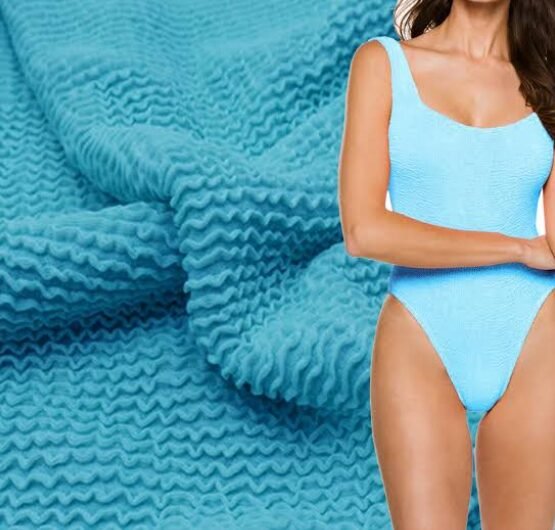
Swimwear fabrics are developed around performance. Because swimwear needs to maintain fit during movement and repeated wear, the material must balance flexibility with shape retention.
Stretch and Recovery
Stretch and recovery are two of the most important characteristics of swimwear fabrics.
Bikinis and one-piece swimsuits need enough elasticity to provide a comfortable fit while returning to their original shape after stretching. A fabric with poor recovery may lose its structure over time, affecting the overall appearance and fit of the garment.
Water and Wear Performance
Swimwear fabrics also need to consider the conditions in which the products are used.
Exposure to water, movement, and repeated wear can influence fabric performance. Factors such as durability, drying behavior, and color stability are important considerations when selecting materials for swimwear collections.
The right fabric helps ensure that the final product maintains both appearance and function throughout its intended use.
Key Requirements for Beachwear Fabrics
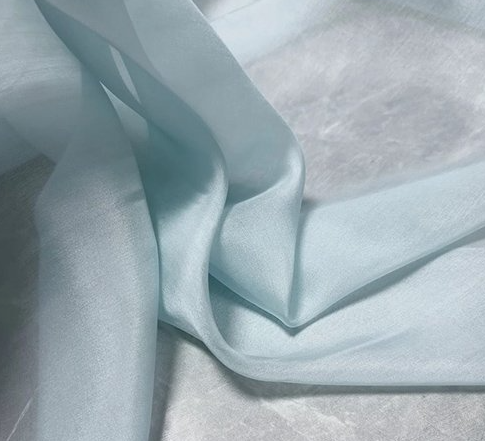
Unlike swimwear, beachwear is usually less focused on compression and support. Instead, brands often prioritize comfort, movement, and visual expression.
A resort dress, cover-up, or wrap piece needs to create the right silhouette while remaining comfortable for extended wear.
Fabric Movement and Drape
Drape is one of the most important characteristics of beachwear fabrics.
Flowing garments rely on how the material moves and falls on the body. Lightweight fabrics can create a relaxed resort feeling, while more structured materials may create a stronger fashion statement.
For example, a beach cover-up and a bikini may share the same color concept, but they require different fabric behaviors to achieve the intended design effect.
Comfort and Appearance
Because beachwear is often worn beyond the beach environment, comfort and appearance become major development considerations.
Brands need to consider how the fabric feels against the skin, how it moves during wear, and whether it matches the overall collection aesthetic.
Choosing Fabrics for Different Products
The right fabric choice depends on the product category, design concept, and desired collection positioning.
Bikinis and One-Piece Swimsuits
Bikinis and one-piece swimsuits require fabrics that can maintain fit and support during movement. Because these products are designed for water activities, materials usually need good stretch, recovery, and durability.
Common swimwear fabric choices include nylon/spandex blends and polyester/spandex blends. Nylon-based fabrics are often selected for their soft hand feel and comfortable fit, while polyester-based fabrics are commonly considered when print performance and color stability are important.
Cover-Ups and Lightweight Layers
Cover-ups are designed to create an easy transition between swimwear and resort settings. Because they are usually worn over swimsuits, fabrics need to feel lightweight, comfortable, and provide natural movement.
For flowing cover-ups, brands often consider materials such as chiffon, mesh, and lightweight woven fabrics. These materials can create a relaxed silhouette while adding softness and visual texture to the collection.
Resort Dresses and Statement Pieces
Resort dresses usually focus more on silhouette, drape, and overall appearance. Compared with swimwear, these products often require fabrics that create elegant movement and a more fashion-oriented look.
Brands may consider lightweight woven fabrics, textured fabrics, lace, or jacquard materials depending on the desired style. Softer fabrics can create a relaxed resort feeling, while structured or textured materials can add a more premium appearance.
FAQ
Swimwear fabrics are mainly designed for performance, focusing on stretch, recovery, support, and durability. Beachwear fabrics usually place more emphasis on comfort, drape, softness, and visual appearance.
Some fabrics may work for both categories, but the best choice depends on the product purpose.
Brands should consider the product category, fabric performance, appearance, comfort, and how materials work together across the entire collection.
Conclusion
Swimwear and beachwear may be developed together, but they require different approaches to fabric selection. Swimwear fabrics focus on performance characteristics such as stretch and recovery, while beachwear fabrics often prioritize comfort, movement, and visual texture.
For brands expanding from bikinis into complete resort collections, understanding these differences helps create products that not only look cohesive but also perform as intended.