
Sun protection is one of the most important functions of modern swimwear. A swimsuit may look stylish, but if the fabric allows too much UV radiation to pass through, the skin under the garment can still be exposed during long hours at the beach or pool.
That is why more swimwear now uses UPF-rated fabrics. UPF swimwear is designed to reduce UV penetration through the fabric, giving covered areas of the body more consistent protection in direct sunlight.
This guide break down exactly how UPF swimwear works, why you need it, and how to choose gear that actually does its job.
What on Earth is UPF?
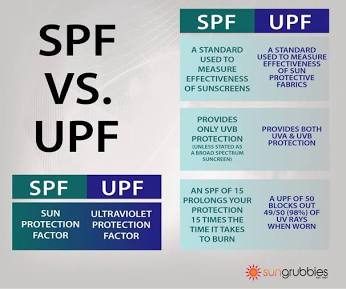
Before we dive into the tech, let’s clear up the alphabet soup. We all know SPF (Sun Protection Factor) because it’s printed on every sunscreen bottle. SPF measures how long a lotion will protect your skin from UVB rays—the specific sun rays that cause surface sunburns.
UPF stands for Ultraviolet Protection Factor, and it is the gold standard for testing fabrics.
Source:Sungrubbies
Unlike regular sunscreen, UPF has a massive superpower: it blocks both UVA and UVB rays.
- UVB rays burn your skin.
- UVA rays penetrate much deeper, causing premature wrinkles, sunspots, and long-term skin damage.
When you see a UPF 50+ label on a swimsuit, it means the fabric allows only 1/50th of the sun’s UV radiation to pass through it. In plain English, it blocks 98% of all UV rays, letting only a tiny 2% reach your skin.
How Does UPF Fabric Actually Stop the Sun?
How do swimwear manufacturers turn normal threads into a sun-blocking shield? It’s not magic, and they aren’t just dipping the clothes in giant vats of sunscreen. True UV-protective swimwear relies on a clever mix of four basic elements:
1. The Super-Tight Weave
Think of a standard linen shirt or a cheap cotton tee. If you hold it up to the light, you can literally see tiny gaps between the threads. UV rays can slip through those gaps like water through a colander.
UPF swimwear uses a incredibly dense, tight knit or weave. The threads are packed so closely together that the sun simply cannot find a hole to pass through.
2. The Right Fiber Ingredients
Not all threads are created equal. Natural fibers like cotton or linen have microscopic gaps between their microscopic hairs, letting light leak through easily. High-performance sun apparel relies heavily on synthetic polymers:
- Polyester: Excellent at naturally absorbing UV rays due to its chemical structure, while remaining highly resistant to chlorine and stretching.
- Nylon (Polyamide): Smooth, highly durable, and elastic. While slightly less naturally UV-absorbent than polyester, it is frequently paired with specific finishes or tight knits to achieve maximum protection.
3. Colors and Thickness
Have you ever noticed that most heavy-duty rash guards are a bit thicker or come in vivid, dark colors? That’s intentional.
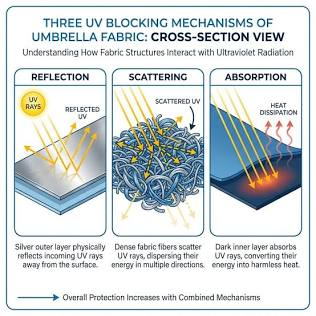
- Darker and brighter colors (like black, navy, or bright neon pink) absorb much more UV energy than pale whites or pastels, keeping that energy away from your skin.
- Thicker fabrics naturally add more physical layers for the sun to fight through.
4. Safe, Built-In Mineral Additives
To push a swimsuit from a decent UPF 30 to an elite UPF 50+, many high-quality brands treat the fibers with microscopic minerals like titanium dioxide or zinc oxide. These are the exact same safe, natural minerals found in reef-safe physical sunscreens. They act like millions of tiny mirrors woven into the fabric, bouncing the sun’s rays right back out into space.
Why Buy UPF Swimwear When You Have Sunscreen?
Look, sunscreen is great for your face, hands, and feet. But relying only on lotion for a full day at the beach is a losing battle. Here is why swapping to a UPF rash guard or swim shirt makes life so much easier:
- Zero Reapplication Hassle: Sunscreen washes off in the water and rubs off on your towel. You have to reapply it every two hours. UPF swimwear protects you from the minute you put it on until the minute you take it off.
- No Missed Spots: You can’t accidentally miss a spot on your back if your back is completely covered by a UPF 50+ shirt.
- Cheaper and Greener over Time: A good quality swim shirt lasts for seasons. A bottle of high-end sunscreen lasts a few weekends and can cost a fortune. Plus, you’re keeping chemical sunscreens out of fragile ocean reefs.
3 Things That Can Accidentally “Ruin” Your Swimsuit’s UPF
Even the best UPF 50+ swimwear has a few vulnerabilities. If you want your gear to keep protecting you, watch out for these three sun-safety killers:
The Wetness Factor: When regular fabrics get wet, they stretch out, and water fills the tiny gaps between the threads, allowing more UV light to pass through. High-quality UPF swimwear is specifically designed to minimize this, but a soaking wet sun-shirt still offers slightly less protection than a bone-dry one.
Stretching it Too Thin: If your swimwear is a size too small and stretches tightly across your shoulders or belly, the weave opens up. If the fabric is stretched out, the UV rays will get in. Always buy a comfortable, true-to-size fit.
Chlorine and Salt Wear-and-Tear: Harsh pool chemicals and salt water break down fabric fibers over time. Once the fibers fray and thin out, the UPF rating drops. Always rinse your swimwear in fresh, cold water immediately after swimming.
How to Shop for the Best UV Swimwear
When you’re browsing online or in a surf shop, don’t get distracted by flashy patterns alone. Use this quick checklist to ensure you’re buying real protection:
- Look for “UPF 50+”: Skip anything labeled “sun resistant” without an actual number. You want the verified rating that blocks 98% of rays.
- Check the Material: Opt for polyester or nylon blends mixed with spandex for stretch.
- Choose More Coverage: A UPF bikini only protects the tiny strips of skin it covers. For long beach days, opt for long-sleeve rash guards, swim leggings, or one-piece suits.
nvesting in high-quality UV protection swimwear means less time worrying about sunburns, less money spent on chemical lotions, and much more time enjoying the water.
Frequently Asked Questions (FAQ)
It depends on how it was made. If the fabric relies on a tight weave and synthetic fibers (like polyester), the protection will never wash out because it is part of the physical structure of the shirt. However, if a cheap shirt relies only on a chemical spray-on coating, that coating will gradually wash away after 30 to 40 laundry cycles. Stick to reputable brands that use tight-weave technology.
Virtually no. Because UPF 50+ blocks 98% of both UVA and UVB rays, the tiny 2% of light that gets through isn’t enough to trigger melanin production (tanning) or cause a burn for the vast majority of skin types.
To make it last as long as possible, it is always best to hand wash your swim gear in cold water with a gentle detergent and let it air dry in the shade. If you must use a washing machine, use a delicate cycle, put the swimwear in a mesh laundry bag, and never use bleach or fabric softeners, as these chemicals destroy the elastic fibers and ruin the tight weave.